
Are you tired of seeing unwanted algae take over your species tank? It can be frustrating to watch your carefully maintained aquarium get clouded by green, slimy patches.
But don’t worry—controlling algae is easier than you think. You’ll discover simple, effective ways to keep your tank clear and your aquatic friends happy. By the end, you’ll have the confidence to tackle algae problems and enjoy a beautiful, healthy underwater world.
Keep reading to learn the secrets to algae control that every tank owner needs to know!
Causes Of Algae Growth
Algae can grow quickly in species tanks and cause problems. Understanding why algae grows helps you control it better.
Many factors contribute to algae growth. They include light, nutrients, water quality, and tank conditions.
Light Exposure Effects
Too much light increases algae growth. Algae use light for photosynthesis. Bright or long hours of light cause them to bloom.
Direct sunlight through windows can also boost algae growth. It is best to keep the tank away from strong sun rays.
Nutrient Imbalance
Algae feed on nutrients like nitrates and phosphates in the water. High levels of these nutrients cause algae to multiply fast.
- Overfeeding fish adds excess nutrients.
- Decaying plants release phosphates.
- Uneaten food breaks down and pollutes water.
- Using fertilizers can increase nutrients too much.
Water Quality Issues
Poor water quality supports algae growth. Low oxygen and high waste levels create a good environment for algae.
| Water Factor | Effect on Algae |
| High Nitrate | Feeds algae growth |
| High Phosphate | Boosts algae bloom |
| Low Oxygen | Weakens fish, helps algae |
| Poor Filtration | Leaves waste, feeds algae |
Tank Overcrowding Impact
Too many fish produce more waste. This waste raises nutrient levels, which feeds algae. Overcrowding also stresses fish.
Stress weakens fish immune systems. Weak fish cannot compete with algae for resources. Overcrowding makes algae problems worse.
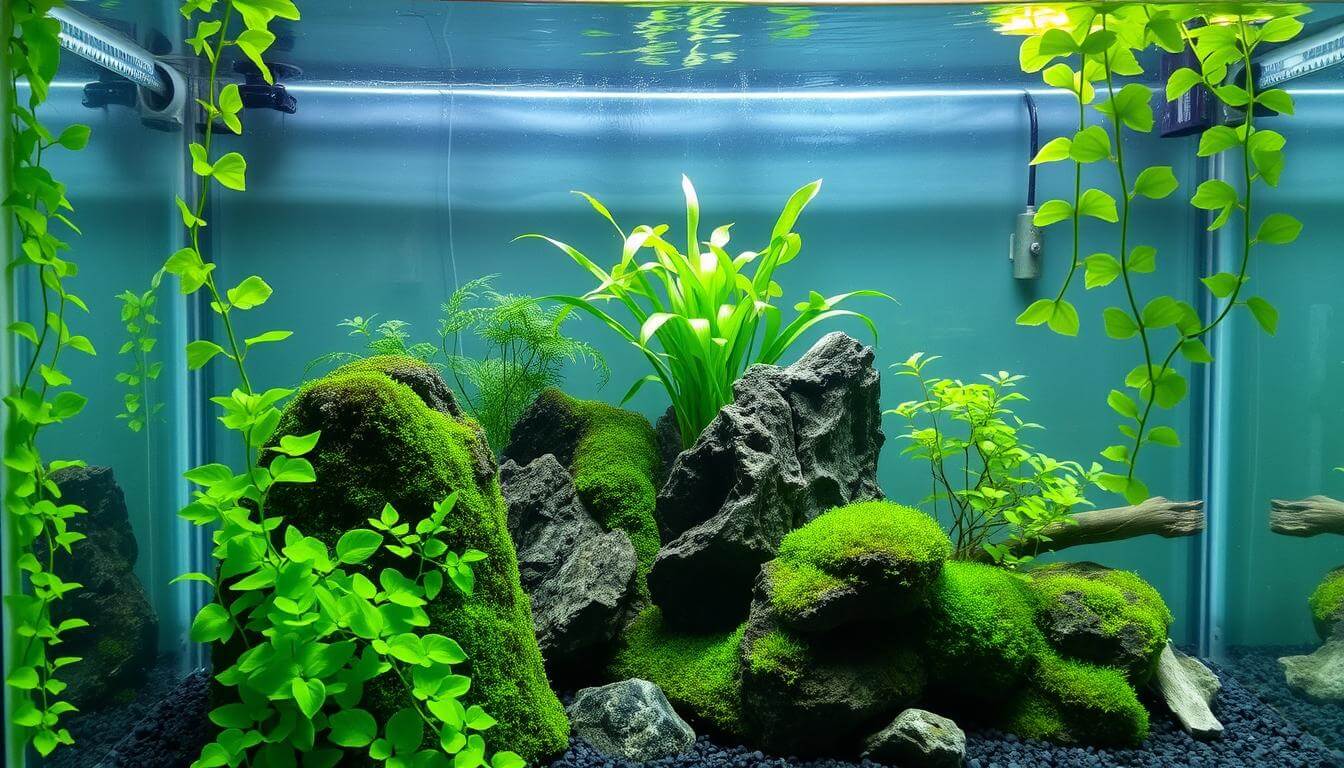
Credit: jungleaquatics.com
Choosing The Right Algae Control Methods
Algae can grow quickly in species tanks and cause problems. Controlling algae helps keep the tank healthy and clear.
There are many ways to control algae. Choosing the right method depends on your tank setup and the algae type.
Manual Removal Techniques
Manual removal is a simple way to reduce algae. You can remove algae by hand or with tools. This method works well for small algae patches.
- Use an algae scraper or pad to clean tank walls.
- Remove algae from decorations and plants carefully.
- Change water regularly to reduce algae growth.
- Vacuum gravel to remove algae and debris.
Chemical Treatments
Chemical treatments can quickly reduce algae but must be used with care. Some chemicals may harm fish or plants.
| Chemical Type | Use | Precautions |
| Algaecides | Kill algae fast | Follow instructions, avoid overdosing |
| Water Conditioners | Improve water quality | Safe for fish if used properly |
| Bleach Solution | Clean decorations | Do not use in tank, rinse well |
Natural Predators
Some fish and invertebrates eat algae. Adding these natural predators helps control algae naturally.
- Siamese algae eaters
- Amano shrimp
- Otocinclus catfish
- Snails like Nerite snails
Algae-resistant Plants
Some plants grow quickly and block algae by using nutrients. These plants help keep algae under control.
- Hornwort
- Java fern
- Anubias
- Amazon sword
Optimizing Tank Conditions
Controlling algae in a species tank starts with good tank conditions. Clear water and healthy plants help reduce algae growth.
Adjusting light, nutrients, and cleaning routines can keep algae under control. These steps create a balanced environment.
Balancing Light Duration
Algae grows fast with too much light. Limit the light to 6-8 hours a day to stop algae from spreading.
Use a timer to keep light consistent. Avoid placing the tank near windows where sunlight hits directly.
Managing Nutrient Levels
Algae feed on leftover nutrients like nitrate and phosphate. Keep these nutrients low by not overfeeding fish.
Use test kits to check nutrient levels regularly. Add live plants to absorb excess nutrients from the water.
- Feed fish only what they eat in 2 minutes
- Remove uneaten food quickly
- Add fast-growing plants to compete with algae
Regular Water Changes
Water changes remove waste and nutrients that cause algae growth. Change 10-20% of the water every week.
Use a gravel vacuum to clean the substrate and remove debris during water changes. Fresh water keeps the tank healthy.
Maintaining Proper Filtration
A good filter removes waste and keeps water clear. Check the filter regularly and clean it as needed.
Use mechanical and biological filtration to control organic matter. Avoid overloading the filter to keep it working well.
- Clean filter media monthly with tank water
- Replace filter parts if damaged
- Keep filter running 24/7 for steady water flow
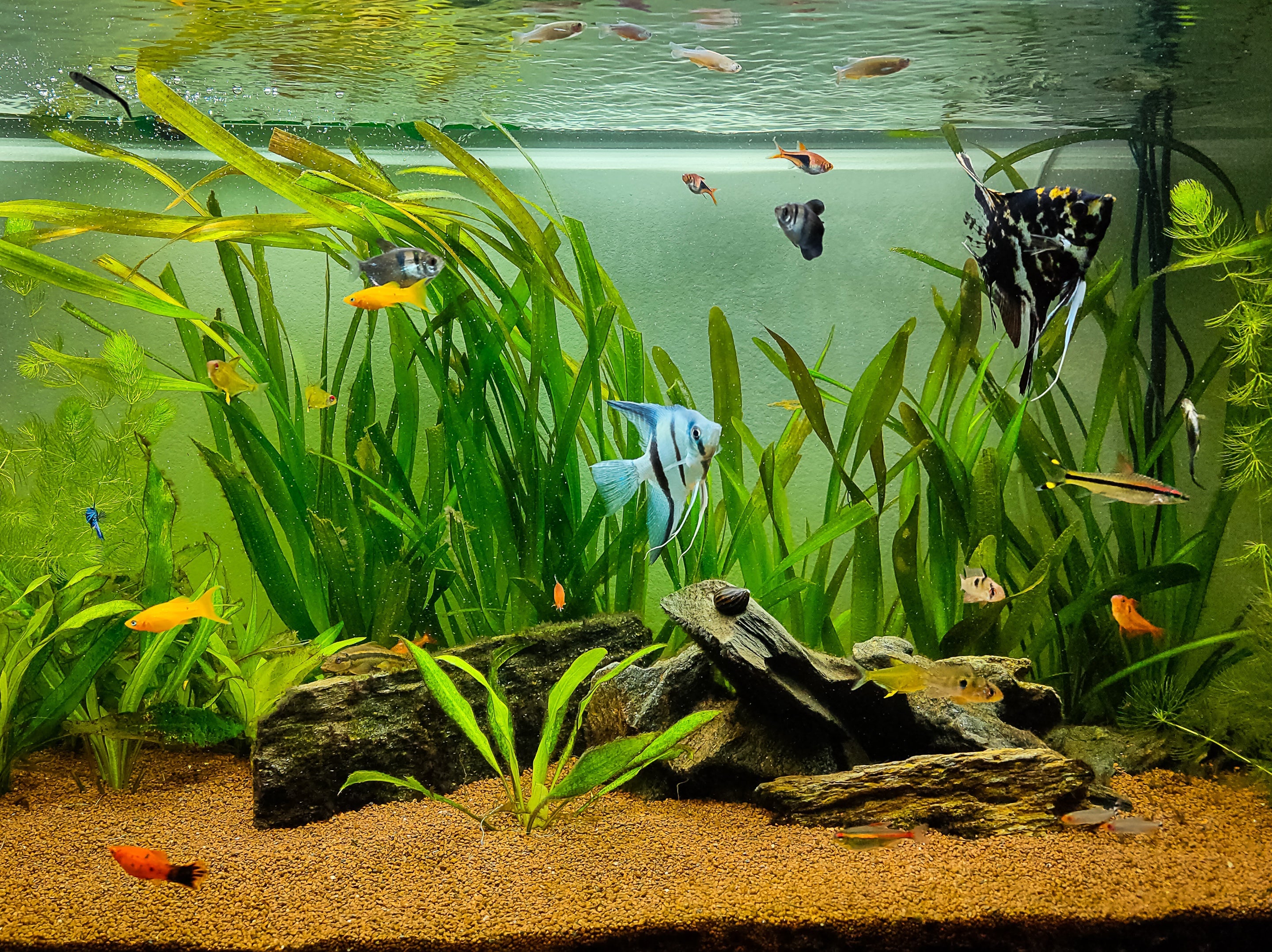
Credit: splashyfishstore.com
Feeding And Maintenance Tips
Algae can quickly take over a species tank if not managed well. Feeding and tank care play a big role in keeping algae under control.
This guide covers simple steps to reduce algae growth by adjusting feeding and maintenance habits.
Avoiding Overfeeding
Overfeeding fish adds extra food that breaks down and feeds algae. Feed small amounts that fish can finish within minutes.
- Feed only what fish eat in 2-3 minutes
- Use feeding rings to keep food in one spot
- Remove leftover food after feeding
- Feed less often if algae grows fast
Cleaning Protocols
Regular cleaning removes algae and waste that build up in the tank. Clean decorations and glass weekly.
| Cleaning Task | Frequency | Tools Needed |
| Glass scraping | Weekly | Algae scraper or pad |
| Gravel vacuuming | Biweekly | Gravel vacuum siphon |
| Filter cleaning | Monthly | Old tank water, soft brush |
| Decorations rinsing | Monthly | Warm water, soft cloth |
Monitoring Algae Growth
Watch your tank daily for early signs of algae. Spot small patches on glass, plants, or decorations.
- Check water clarity and color
- Note algae colors: green, brown, or red
- Take photos weekly to track changes
- Adjust care if algae increases
Adjusting Tank Parameters
Algae thrive in wrong water conditions. Keep tank water balanced to slow algae growth.
| Parameter | Recommended Range | Effect on Algae |
|---|---|---|
| Temperature | 72-78°F (22-26°C) | Too warm helps algae grow |
| pH | 6.5-7.5 | Stable pH limits algae spikes |
| Nitrate | < 20 ppm | High nitrate feeds algae |
| Light | 8-10 hours daily | Excess light boosts algae |
Species-specific Considerations
Controlling algae in a species tank requires understanding the needs of the specific fish and plants. Each species affects algae growth differently.
Adjusting tank conditions based on species helps keep algae under control and supports healthy fish and plants.
Fish That Help Control Algae
Certain fish species eat algae and help keep the tank clean. They are natural algae controllers in a species tank.
- Siamese algae eaters consume many types of algae.
- Amano shrimp eat algae and leftover food.
- Otocinclus catfish graze on soft algae on surfaces.
- Chinese algae eaters clear algae from plants and decorations.
- Snails like Nerite snails remove algae from glass and plants.
Plant Species That Compete With Algae
Fast-growing plants use nutrients that algae need. This slows algae growth by limiting their food supply.
- Hornwort grows quickly and shades algae from light.
- Water wisteria absorbs nutrients rapidly.
- Duckweed floats on the surface and blocks light.
- Anacharis competes well with algae for nutrients.
Tank Setup For Different Species
Tank setup must match species needs to reduce algae problems. Lighting, filtration, and substrate all matter.
| Tank Feature | Recommended Setting for Algae Control | Notes for Species |
| Lighting | 8-10 hours per day | Adjust based on plant and fish needs |
| Filtration | Strong but gentle flow | Prevents waste buildup without stressing fish |
| Substrate | Nutrient-rich for plants | Supports plant growth to outcompete algae |
| Water Changes | 20%-30% weekly | Removes excess nutrients that feed algae |
Behavioral Factors Influencing Algae
Fish behavior affects algae growth. Some fish stir up waste, others eat algae directly.
- Active fish create more waste, increasing algae nutrients.
- Algae-eating fish reduce algae by grazing regularly.
- Schooling fish may help distribute algae control evenly.
- Territorial fish can damage plants, reducing competition with algae.
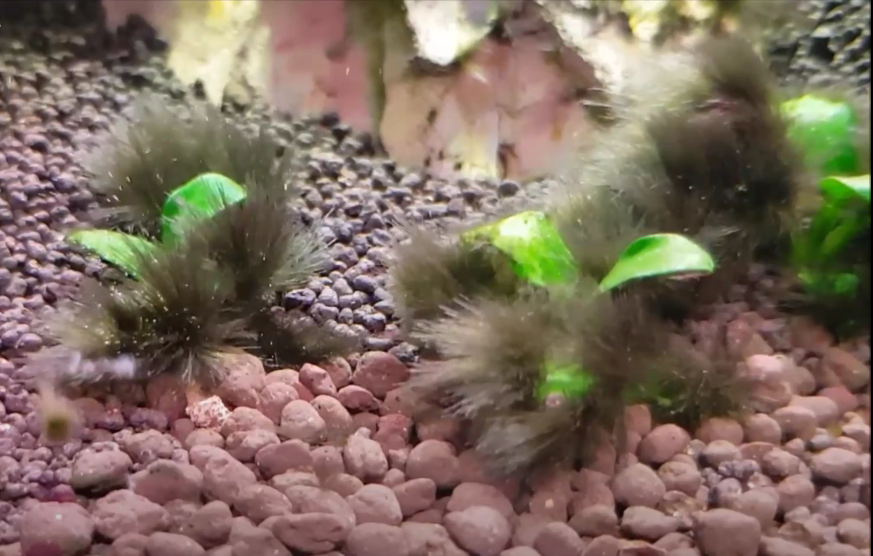
Credit: www.co2art.us
Frequently Asked Questions
How Can I Prevent Algae Growth In A Species Tank?
Prevent algae by controlling light exposure, avoiding overfeeding, and maintaining regular water changes. Use proper filtration and add algae-eating species to keep it balanced.
What Causes Algae To Grow In Aquarium Tanks?
Algae thrives due to excess nutrients, too much light, and poor water circulation. Overfeeding and irregular cleaning also promote algae blooms in species tanks.
Which Fish Help Control Algae Naturally?
Species like Siamese algae eaters, otocinclus catfish, and nerite snails feed on algae, helping keep tanks clean naturally without chemicals.
How Often Should I Clean A Species Tank To Reduce Algae?
Clean your tank weekly by removing algae from surfaces and changing 10-20% of the water. Consistent cleaning prevents algae buildup and maintains water quality.
Conclusion
Controlling algae keeps your species tank clean and healthy. Regular water changes reduce algae growth effectively. Avoid overfeeding to limit excess nutrients in the tank. Proper lighting helps stop algae from spreading fast. Adding algae-eating fish or snails can help naturally.
Keep checking water quality to catch problems early. Small daily steps make a big difference over time. A clear tank means happier fish and better viewing. Stay consistent with these tips for best results. Your species tank will stay beautiful and balanced.