
Keeping your aquarium clean is key to the health and happiness of your aquatic pets. But did you know that the way you clean your tank should change depending on the species you keep?
What works for one type of fish might stress or even harm another. If you want to give your fish the best home possible, you need to learn the right cleaning method for your specific species. You’ll discover simple, effective steps tailored just for your aquarium residents.
Ready to make your tank sparkle while keeping your fish safe and thriving? Let’s dive in!

Credit: www.youtube.com
Choosing The Right Cleaning Method
Cleaning your aquarium is key to keeping your fish healthy. Different species need different cleaning care. Choosing the right method helps avoid stress or harm.
This guide covers how to pick the best cleaning method based on your fish’s needs and safe materials to use.
Factors Based On Species Needs
Each species has unique requirements. Some fish are sensitive to water changes or cleaning tools. Others may react badly to strong chemicals.
- Delicate species need gentle water changes and soft cleaning brushes.
- Bottom dwellers require careful gravel cleaning to avoid disturbing them.
- Plants and coral tanks need specific care to protect living organisms.
- Some fish prefer stable water conditions and less frequent cleaning.
Safe Cleaning Materials
Use materials that do not harm your fish or plants. Avoid harsh chemicals and rough tools that can damage the tank or its inhabitants.
| Material | Safe For | Notes |
| Soft sponge | All tanks | Non-abrasive, cleans glass gently |
| Plastic scraper | Aquariums with algae | Removes algae without scratching |
| Clean bucket | Water changes | Use only for aquarium water |
| Dechlorinator | All species | Removes chlorine from tap water |
| Gravel vacuum | Gravel tanks | Removes debris without removing fish |
Preparing The Aquarium
Cleaning your aquarium is important to keep your fish healthy. Preparing the tank well helps make cleaning easier. You need to get the aquarium ready before starting the cleaning process.
Preparing the aquarium includes removing decorations and moving your fish safely. These steps protect the fish and equipment during cleaning.
Removing Decorations And Equipment
Take out all decorations like rocks, plants, and ornaments from the aquarium. These can collect dirt and algae. Removing them lets you clean these items separately and better clean the tank walls.
Also, unplug and remove any equipment such as heaters, filters, and air pumps. Clean these parts carefully but do not use soap or chemicals. Rinse them with water from the aquarium to keep beneficial bacteria safe.
- Remove all decorations carefully
- Unplug and take out equipment
- Clean items with aquarium water only
- Set decorations and equipment aside to dry
Temporarily Relocating Fish
Move your fish to a temporary container before cleaning. Use a clean bucket or tank filled with water from the aquarium. This keeps the water conditions stable and reduces stress for the fish.
Make sure the temporary container is large enough and has good oxygen. Use a small air pump if you have one. Keep the container away from direct sunlight and loud noises during cleaning.
- Use a clean container with aquarium water
- Ensure enough space and oxygen for fish
- Keep container in a quiet, shaded place
- Check fish often for stress or problems
Cleaning Techniques For Different Species
Cleaning your aquarium is important for fish health. Different species need different care.
This guide covers cleaning tips for freshwater fish, saltwater fish, and tropical versus coldwater species.
Freshwater Fish Tips
Freshwater tanks usually need weekly cleaning. Remove algae and check water quality often.
- Change 10-20% of the water every week.
- Use a gravel vacuum to clean the substrate gently.
- Clean filters monthly but keep some beneficial bacteria.
- Remove uneaten food to prevent decay.
- Test water for pH, ammonia, and nitrites regularly.
Saltwater Fish Care
Saltwater tanks require careful maintenance. Salt levels and water movement are key.
| Task | Frequency | Notes |
| Water change | Every 1-2 weeks | Change 10-15% with salt-mixed water |
| Filter cleaning | Monthly | Rinse in tank water, not tap water |
| Algae removal | Weekly | Scrape sides with soft tool |
| Check salinity | Daily | Use a hydrometer or refractometer |
Tropical Vs Coldwater Considerations
Tropical fish need warm water and frequent cleaning. Coldwater fish need cooler water and less disturbance.
Cleaning tips by water type:
- Tropical:Clean weekly and maintain water temperature between 75-80°F.
- Coldwater:Clean every two weeks and keep water temperature between 60-70°F.
- Use gentle water changes to avoid shocking sensitive fish.
Maintaining Water Quality
Keeping your aquarium water clean is key for your fish’s health. Good water quality helps your fish live longer and stay active.
This guide focuses on two important ways to maintain water quality: using conditioners and treatments, and monitoring pH and temperature.
Using Conditioners And Treatments
Water conditioners remove harmful chemicals from tap water. They make the water safe for your fish. Treatments can help fix water problems like cloudy water or algae.
- Use a dechlorinator to remove chlorine and chloramine.
- Add beneficial bacteria to break down waste.
- Use algae treatments if algae grows too fast.
- Choose treatments made for your fish species.
- Follow package instructions carefully.
Monitoring Ph And Temperature
Fish need stable pH and temperature to thrive. Sudden changes can stress or harm them. Check these levels regularly and adjust as needed.
| Parameter | Ideal Range | Importance |
| pH | 6.5 – 7.5 (varies by species) | Controls water acidity and alkalinity |
| Temperature | 72°F – 78°F (22°C – 26°C) | Keeps fish metabolism steady |
Cleaning Filters And Substrate
Cleaning your aquarium is important for your fish’s health. Filters and substrate need regular care.
Different fish may need specific cleaning routines. This guide focuses on cleaning filters and substrate safely.
Filter Maintenance
Filters keep water clean by removing waste and debris. Clean your filter every 2-4 weeks depending on fish type.
Use tank water to rinse filter parts. Avoid tap water to keep beneficial bacteria alive.
- Turn off and unplug the filter before cleaning.
- Remove the filter media gently.
- Rinse media in a bucket with aquarium water.
- Clean the filter housing with a soft brush.
- Reassemble and restart the filter.
Substrate Vacuuming
Substrate holds fish waste and uneaten food. Vacuum it to keep water clear and healthy.
Use a gravel vacuum tool designed for aquariums. Clean once every 1-2 weeks or as needed.
- Start by siphoning water out of the tank.
- Place the vacuum in the substrate.
- Move the vacuum slowly to remove debris.
- Avoid disturbing fish or plants too much.
- Refill the tank with clean water after vacuuming.
Preventing Common Issues
Cleaning your aquarium is important for the health of your fish. Different species have different needs, but some common problems can be avoided with proper care.
This guide will help you prevent stress and control algae growth in your aquarium. Follow these steps to keep your aquatic friends happy and healthy.
Avoiding Stress In Fish
Fish can become stressed if their environment changes too much. This can lead to health issues and even death.
- Keep water temperature stable.
- Ensure proper oxygen levels.
- Provide hiding spots for shy fish.
- Limit loud noises near the tank.
Controlling Algae Growth
Algae can quickly overtake an aquarium if not controlled. It can block light and affect fish health.
| Method | Effectiveness |
| Regular water changes | High |
| Reduce feeding | Moderate |
| Increase lighting | Low |
Routine Cleaning Schedule
Keeping an aquarium clean is important for the health of your fish. Different fish species may require different cleaning routines.
Follow a regular schedule to ensure a healthy environment for your aquarium’s inhabitants.
Daily Tasks
Check the water temperature and ensure it stays stable. Remove any uneaten food to prevent water contamination.
- Observe fish behavior for signs of stress or illness
- Inspect equipment like filters and heaters
- Wipe the glass to remove algae spots
Weekly Tasks
Perform a partial water change to maintain water quality. Clean the substrate to remove waste and debris.
- Test water parameters like pH and ammonia levels
- Prune and maintain any live plants
- Check and clean the filter media
Monthly Tasks
Thoroughly clean decorations and inspect them for damage. Replace parts of the filter if needed.
- Deep clean the substrate if necessary
- Check for any equipment upgrades or replacements
- Conduct a detailed health check on fish
Adjusting Frequency For Species
Some fish species create more waste and may require more frequent cleaning. Research your specific species’ needs to adjust your routine.
For example, goldfish require more frequent water changes due to high waste production.
- Research specific needs of your fish species
- Consult with aquarium experts for advice
- Adjust cleaning tasks based on fish behavior and health

Credit: www.hygger-online.com
Credit: www.youtube.com
Frequently Asked Questions
How Often Should I Clean My Aquarium For Specific Species?
Cleaning frequency depends on the species’ waste and sensitivity. Generally, clean every 1-2 weeks. Sensitive species may require more frequent water changes and substrate cleaning to maintain optimal health and water quality.
What Cleaning Tools Are Best For Species-specific Aquariums?
Use soft brushes, algae scrapers, and gravel vacuums. Avoid harsh chemicals or abrasive tools. Tools should be gentle to protect delicate plants and animals while effectively removing debris and algae.
Can I Use Tap Water When Cleaning My Aquarium?
Tap water is okay if treated. Use water conditioners to remove chlorine and chloramines. This prevents harm to fish and beneficial bacteria during water changes or tank cleaning.
How To Clean Aquarium Decorations For Specific Fish?
Remove decorations carefully and scrub gently with warm water. Avoid soap or detergents, as they can harm fish. Cleaning decorations prevents algae build-up and keeps the environment safe and healthy for your species.
Conclusion
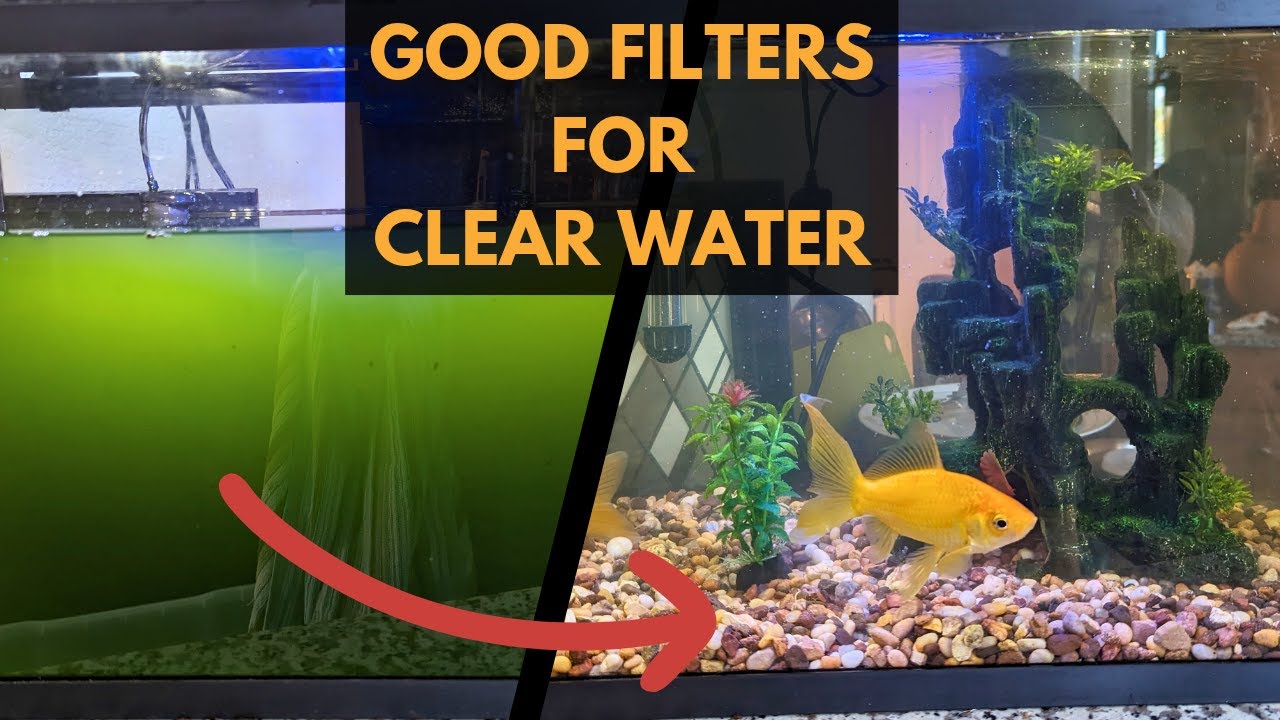
Cleaning your aquarium helps keep your fish healthy and happy. Different species need different care steps. Always use gentle tools and safe cleaners. Regular cleaning prevents illness and keeps water clear. Watch your fish for signs of stress. A clean tank means a beautiful, thriving home.
Keep learning about your fish’s needs. Small efforts make a big difference in their life. Enjoy the process and the peaceful aquarium view. Care today leads to strong, lively fish tomorrow.