
If you want your coral reef to thrive, understanding how to care for species-specific corals is key. Each type of coral has its own unique needs, and getting these right can make all the difference between a dull tank and a vibrant underwater paradise.
You’ll discover simple, practical tips tailored to different coral species. By the end, you’ll feel confident in giving your corals the exact care they deserve—making your aquarium the stunning showpiece you’ve always wanted. Keep reading to unlock the secrets to coral care that experts don’t always share!
Choosing The Right Coral Species
Picking the right coral species is key for a healthy reef tank. Each coral has unique needs and care requirements.
Understanding these differences helps you create a thriving environment for your corals.
Factors To Consider
Think about your tank size and lighting before choosing corals. Some need strong light, others do well in shade.
Water flow and temperature also matter. Corals like stable water conditions and proper flow to stay healthy.
- Tank size and available space
- Lighting type and intensity
- Water flow patterns
- Water temperature and stability
- Compatibility with other tank inhabitants
Popular Species For Beginners
Some corals are easier to care for. They adapt well and need less attention.
Soft corals and some LPS corals are good for new hobbyists. They tolerate common tank conditions.
- Zoanthids – colorful and hardy
- Green Star Polyps – fast growers
- Hammer Coral – needs moderate care
- Leathery Leather Corals – flexible and tough
- Bubble Coral – slow but forgiving
Specialized Species Needs
Some corals need very specific care. They require exact water conditions and feeding.
These corals often come from deep reefs or unique environments. They can be sensitive to changes.
| Coral Type | Special Needs |
|---|---|
| Acropora | Strong light, high flow, stable water |
| Montipora | Moderate light, good water quality |
| Favia | Moderate light, gentle flow, occasional feeding |
| Brain Coral | Stable water, moderate flow, spot feeding |
| Chalice Coral | Low to moderate light, careful placement |

Credit: reefcoaquariums.com
Setting Up The Ideal Environment
Caring for species-specific corals requires understanding their needs. Each species has unique demands for thriving. Knowing these helps you create the perfect environment.
Corals are sensitive to changes. Setting up the right conditions is key to their health. This includes managing water quality, lighting, and water flow.
Water Quality Parameters
Corals need clean water to survive. Water quality affects their growth and color. Maintain stable water parameters for healthy corals.
Regularly check the water for essential elements. Keep nitrate levels low and calcium levels balanced.
- Temperature: 75-78°F
- pH: 8.1-8.4
- Salinity: 1.025 specific gravity
- Calcium: 400-450 ppm
- Alkalinity: 8-12 dKH
- Nitrate: <5 ppm
Lighting Requirements
Lighting is crucial for coral health. Corals rely on light for photosynthesis. Different species need different light intensities.
LED lights are common for coral tanks. Adjust light intensity based on your coral species. Too much light can harm corals, just as too little can stunt growth.
- Soft corals: Low to moderate light
- LPS corals: Moderate light
- SPS corals: High light
Flow And Circulation
Water flow is important for corals. It brings nutrients and removes waste. Proper circulation helps corals thrive.
Different corals prefer different flow rates. Adjust your aquarium setup for the best results. Use pumps to create the right flow patterns.
- Soft corals: Low to moderate flow
- LPS corals: Moderate flow
- SPS corals: High flow
Feeding And Nutrition
Taking care of species-specific corals means understanding their diet. Proper feeding helps corals grow strong and stay healthy.
Each coral species has different nutritional needs. Learning these needs improves your coral’s well-being.
Natural Feeding Habits
Corals get food in many ways in the wild. Some use sunlight with their algae, while others catch tiny food particles.
Understanding how your coral feeds naturally helps provide the right care and food in your tank.
- Photosynthetic corals rely on sunlight and algae inside them
- Filter-feeding corals catch plankton and small particles
- Some corals use stinging cells to grab food
Supplementing Diets
Sometimes corals need extra food beyond what they get naturally. Feeding them supplements helps keep them healthy.
Different coral types need different supplements. Use foods like phytoplankton, zooplankton, or coral-specific pellets.
- Photosynthetic corals benefit from occasional plankton feeding
- Filter feeders need small live or frozen food particles
- Use coral supplements designed for your species
Avoiding Overfeeding
Too much food can harm your coral and tank environment. Overfeeding causes water pollution and algae growth.
Feed small amounts and watch how your coral reacts. Remove leftover food to keep water clean.
- Feed only what corals can eat in a few minutes
- Keep feeding schedules consistent but not daily
- Test water quality often to spot problems early
Monitoring Coral Health
Keeping an eye on coral health is key for any reef tank owner. Regular checks help spot problems early.
Healthy corals grow well and show bright colors. Watch your corals often to keep them strong.
Signs Of Stress Or Disease
Corals show stress or disease in different ways. Look for changes in color, shape, or texture.
Bleaching, tissue loss, or slow growth are warning signs. Stress makes corals weak and prone to illness.
- Faded or pale colors
- Tissue peeling or damage
- Unusual spots or growths
- Closed or retracted polyps
- Slowed or no growth
Regular Maintenance Checks
Check your coral tank daily or weekly. Keep water clean and stable for the best coral health.
Test water parameters like temperature, salinity, and pH. Remove dead coral parts and clean algae.
- Test temperature, salinity, pH, and nutrients
- Clean glass and remove algae
- Check coral placement for light and flow
- Remove dead or dying coral parts
- Feed corals if needed
Common Coral Pests
Some pests harm corals by feeding on them or spreading disease. Early pest control keeps corals safe.
Watch for small animals or worms that attach to corals. Remove pests to avoid coral damage.
- Aiptasia anemones
- Red bugs
- Flatworms
- Snails that eat coral tissue
- Sponges competing for space
Propagation Techniques
Coral propagation helps grow new coral colonies from existing ones. It keeps coral species healthy and thriving in your aquarium.
Different coral species need specific care during propagation. Using the right techniques improves success and coral growth.
Fragging Basics
Fragging means cutting small pieces from a coral colony. These pieces grow into new corals over time.
Use sharp tools and clean hands to cut coral frags. Avoid crushing or damaging the coral tissue.
- Choose healthy coral branches for fragging
- Cut at the base or between polyps
- Place frags on clean surfaces or plugs
- Keep water flow gentle around new frags
Growth Acceleration Tips
Good water quality helps coral frags grow faster. Maintain stable temperature and lighting for each coral type.
Feed corals with proper nutrients. Target feeding supports faster growth and stronger tissue.
- Keep nitrate and phosphate levels low
- Use LED lights with the right spectrum
- Feed coral-specific foods regularly
- Increase water flow gradually over time
Handling Fragged Corals
Handle frags gently to avoid stress and damage. Use soft tools and avoid touching coral polyps directly.
Place frags securely on stable surfaces. This prevents them from falling or being moved by water flow.
- Use coral glue or rubber bands to attach frags
- Keep frags away from aggressive coral species
- Monitor frags daily for signs of health
- Remove algae or pests that harm frags
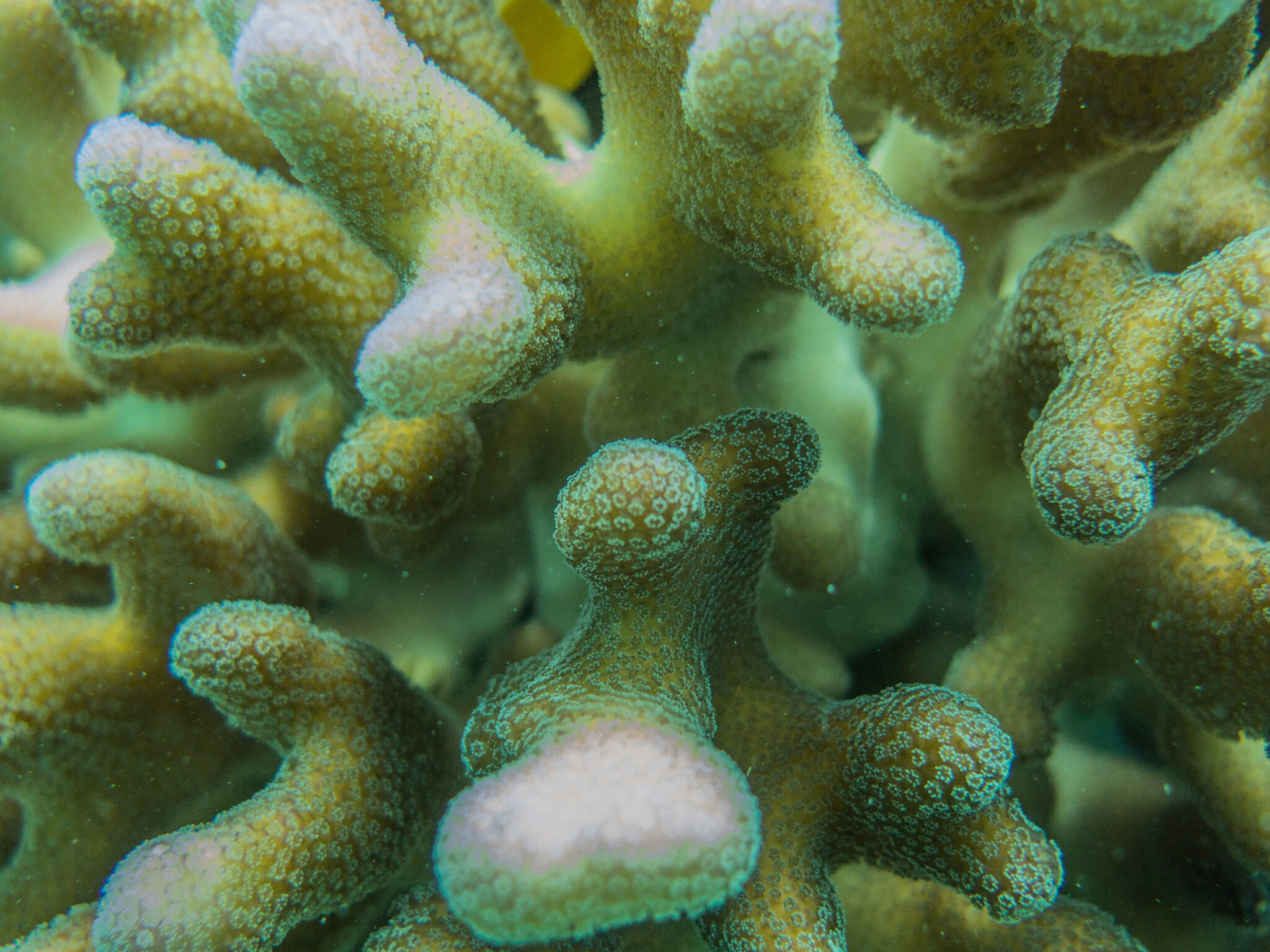
Credit: tropicalnorthqueensland.org.au
Troubleshooting Common Issues
Caring for species-specific corals requires close attention. Corals can face several problems that may hurt their health.
Knowing how to fix common issues helps keep your coral healthy and vibrant in your aquarium.
Dealing With Algae Overgrowth
Algae can grow too fast and cover coral surfaces. This blocks sunlight and harms the coral.
To control algae, reduce extra nutrients and keep water clean. Avoid overfeeding fish and corals.
- Use a clean-up crew like snails or crabs to eat algae
- Keep proper water flow to stop algae buildup
- Test water regularly for nitrates and phosphates
- Manually remove algae with a soft brush if needed
Managing Coral Bleaching
Coral bleaching happens when corals lose their color. This means they lose the algae that give them nutrients.
Stress from too much light or heat often causes bleaching. Lowering light intensity and temperature helps corals recover.
- Keep tank temperature stable between 75-78°F (24-26°C)
- Use shade or lower light if bleaching appears
- Maintain good water quality with regular changes
- Avoid sudden changes in water conditions
Addressing Tissue Loss
Tissue loss means parts of coral flesh are dying or falling off. This can happen from disease or poor water quality.
Remove dead coral parts and test water for toxins. Improving water conditions and avoiding stress can stop tissue loss.
- Check for pests or infections on the coral
- Keep water parameters stable and clean
- Remove damaged coral parts carefully
- Increase water flow to reduce harmful bacteria

Credit: mosaicmacros.com
Frequently Asked Questions
What Are The Basic Needs Of Species-specific Corals?
Species-specific corals need stable water parameters, proper lighting, and adequate flow. Each species requires tailored care for optimal health. Regular monitoring ensures their unique needs are met, promoting growth and vibrant colors.
How Often Should I Feed Species-specific Corals?
Feeding frequency varies by species but generally ranges from once to twice weekly. Use appropriate coral foods like phytoplankton or zooplankton. Overfeeding can harm water quality, so feed sparingly and observe coral response.
What Lighting Is Best For Species-specific Corals?
Lighting depends on coral type—some prefer intense LED or metal halide lights, others thrive under moderate lighting. Research your coral species’ native environment to match light intensity and spectrum for best results.
How Do I Maintain Water Quality For Coral Health?
Maintain stable temperature, salinity, pH, and nutrient levels. Perform regular water changes and use quality filtration. Testing water parameters frequently helps prevent stress and disease in species-specific corals.
Conclusion
Caring for species-specific corals takes patience and attention. Each coral needs its own light, water flow, and feeding. Watch your corals daily for signs of stress or disease. Keep water clean and stable to help them grow strong. Small changes make a big difference over time.
Enjoy the beauty and life your corals bring to your tank. With care and effort, your corals will thrive and brighten your underwater world.