
Caring for saltwater aquarium species can feel overwhelming at first. You want your colorful fish and vibrant corals to thrive, but where do you start?
The truth is, with the right knowledge and simple steps, you can create a healthy, beautiful underwater world right in your home. You’ll discover easy-to-follow tips that make caring for your saltwater aquarium species stress-free and rewarding. Keep reading to unlock the secrets that will help your aquarium flourish like never before.
Choosing Suitable Species
Choosing the right species for your saltwater aquarium is very important. It helps keep your tank healthy and beautiful.
Different species need different care. Picking compatible animals makes your aquarium easier to manage.
Popular Saltwater Fish
Many saltwater fish are popular for home tanks. Some are colorful, some are peaceful, and some are hardy for beginners.
- Clownfish: Friendly and easy to care for.
- Damselfish: Hardy and active swimmers.
- Gobies: Small and peaceful bottom dwellers.
- Tang fish: Bright colors but need large tanks.
- Wrasses: Active and help clean the tank.
Compatible Invertebrates
Invertebrates add variety and help with tank cleaning. You must choose species that get along with your fish.
| Invertebrate | Role | Compatibility |
| Cleaner Shrimp | Removes parasites | Good with most fish |
| Snails | Algae control | Peaceful with all |
| Hermit Crabs | Detritus eater | May bother small fish |
| Feather Duster Worms | Filter feeder | Tank must be calm |
Coral Selection Tips
Corals bring color and life to your aquarium. Some need strong light and water flow, others need less.
- Soft Corals: Easy to care for and flexible.
- Large Polyp Stony Corals: Need moderate light and flow.
- Small Polyp Stony Corals: Require strong light and stable water.
- Check coral size before buying.
- Choose corals that fit your tank’s conditions.

Credit: myfirstfishtank.com
Setting Up The Aquarium
Setting up a saltwater aquarium needs careful planning. You must think about space, equipment, and water conditions.
Good preparation helps keep your fish healthy and your tank stable for a long time.
Tank Size And Equipment
Choose a tank size that fits your space and the species you want to keep. Bigger tanks are easier to maintain stable water conditions.
- Minimum size for beginners is 30 gallons (114 liters).
- Use a sturdy stand that can hold the tank’s weight.
- Include a heater to keep water temperature steady.
- Use a hydrometer or refractometer to measure salt levels.
Water Quality Essentials
| Parameter | Ideal Range | Why It Matters |
| Salinity | 1.020 – 1.025 specific gravity | Supports fish and coral health |
| pH | 8.1 – 8.4 | Keeps water chemistry balanced |
| Ammonia | 0 ppm | Toxic to fish if present |
| Nitrite | 0 ppm | Harmful to aquatic life |
| Nitrate | <20 ppm | High levels cause stress |
Test water regularly with kits. Change water if levels go out of range. Use live rock and sand to help natural filtration.
Lighting And Filtration
Proper lighting supports fish health and coral growth. Use LED or fluorescent lights made for saltwater tanks.
- Mechanical: Removes particles from water.
- Biological: Uses beneficial bacteria to break down waste.
- Chemical: Removes toxins with activated carbon or other media.
Run the filter continuously. Clean or replace filter media as needed to keep water clear and safe.
Feeding Saltwater Species
Feeding saltwater species is key to their health and growth. Each species needs different food types and amounts.
Proper feeding keeps your aquarium balanced and your animals active. Learn how to feed fish and invertebrates well.
Dietary Needs Of Fish
Saltwater fish have varied diets. Some eat plants, others eat meat or both. Feeding the right food helps them stay healthy.
- Herbivores eat algae and plant matter.
- Carnivores need protein from meat or fish.
- Omnivores eat both plants and animals.
- Some fish require special supplements like vitamins.
Feeding Invertebrates
Invertebrates need different food than fish. Many eat detritus, algae, or small particles. Some need prepared foods.
| Invertebrate | Food Type | Feeding Frequency |
| Hermit Crabs | Algae, small bits of meat | Daily |
| Corals | Plankton, liquid foods | 2-3 times a week |
| Shrimp | Detritus, pellets | Daily |
| Snails | Algae, vegetables | Every other day |
Avoiding Overfeeding
Overfeeding causes water problems and sick animals. Feed only what your species can eat in a few minutes.
- Offer small amounts of food at a time.
- Remove uneaten food after feeding.
- Feed multiple small meals instead of one large meal.
- Watch your animals’ behavior for hunger signs.
- Adjust feeding amounts as your animals grow.

Credit: www.youtube.com
Maintaining Water Conditions
Good water quality keeps saltwater aquarium species healthy and active.
Regular checks help catch problems early and reduce stress on fish and corals.
Salinity And Temperature Control
Saltwater fish need stable salt levels and temperatures to thrive.
- Use a hydrometer to check salinity weekly.
- Keep salinity between 1.020 and 1.025 specific gravity.
- Maintain temperature around 75°F to 80°F (24°C to 27°C).
- Use heaters and chillers to keep temperature steady.
- Avoid sudden changes to prevent stress.
Monitoring Ph And Ammonia Levels
Balanced pH and low ammonia keep fish safe from toxins.
| Parameter | Ideal Range | Why It Matters |
|---|---|---|
| pH | 8.1 to 8.4 | Supports fish metabolism and coral growth |
| Ammonia | 0 ppm | Toxic to fish even in small amounts |
Test water twice a week. Use pH and ammonia test kits for accuracy.
Regular Water Changes
Water changes remove waste and add fresh minerals to the tank.
- Change 10-20% of water every one to two weeks.
- Use salt mix to prepare new water matching tank salinity.
- Match temperature and pH of new water to tank water.
- Slowly add new water to avoid shocking fish.
- Clean gravel and decorations during water changes.
Health And Disease Management
Keeping saltwater aquarium species healthy needs care and attention. Fish and coral can get sick if their environment is not clean.
Good disease management helps your aquarium stay balanced and your species thrive. Learn how to spot illness and treat it early.
Common Illnesses
Saltwater species often face diseases like ich, fin rot, and velvet. These illnesses cause stress and can be deadly.
Symptoms include white spots, torn fins, and strange swimming. Watch your fish daily for signs of sickness.
- Ich: White spots on body and fins
- Fin rot: Fins look ragged or torn
- Velvet disease: Gold dust on skin
- Brooklynella: Excess mucus and breathing issues
Quarantine Procedures
Always quarantine new fish before adding them to the main tank. This stops the spread of disease.
Use a separate tank for quarantine. Keep it for two to four weeks while watching for illness.
- Set up a clean quarantine tank with proper filtration
- Feed fish well and check daily for disease signs
- Keep water temperature and salinity stable
- Treat fish if any symptoms appear during quarantine
Treatment Methods
Treat diseases quickly to protect your aquarium. Use medicine made for saltwater species.
Common treatments include medicated baths, water changes, and special diets. Follow instructions carefully.
- Medicated baths to kill parasites
- Antibiotics for bacterial infections
- Regular water changes to improve water quality
- Adjust tank conditions like temperature and salinity
Behavior And Compatibility
Saltwater aquarium species show different behaviors. Understanding these helps keep your tank peaceful. Compatibility is key for a healthy aquarium community.
Knowing how fish act and interact prevents problems. It also helps you create a balanced and thriving tank environment.
Territorial Behaviors
Many saltwater fish guard their space strongly. They mark territory and chase intruders away. This behavior keeps their area safe for feeding and breeding.
- Damselfish defend small territories fiercely.
- Clownfish protect their host anemones from others.
- Wrasses may patrol large areas and show chase behavior.
- Some gobies claim rock crevices as their home.
Aggression Management
Controlling aggression is vital for tank harmony. Keep aggressive fish separated from peaceful species. Provide hiding places to reduce stress and fights.
| Method | Description |
|---|---|
| Tank size | Use a large tank to give space for each fish. |
| Hiding spots | Add rocks and plants where fish can retreat. |
| Species choice | Select fish with similar temperaments. |
| Feeding | Feed often to reduce food competition. |
Creating A Balanced Community
A balanced community blends different fish types well. Mix peaceful and semi-aggressive species carefully. Watch interactions and adjust if needed.
- Choose fish that occupy different tank levels.
- Include herbivores and carnivores for diet balance.
- Introduce species gradually to monitor behavior.
- Keep compatible pairs or groups to reduce stress.
Breeding Saltwater Species
Breeding saltwater aquarium species is a rewarding hobby. It helps keep populations healthy and reduces wild capture.
Successful breeding requires good care and proper conditions. Each species has unique needs to reproduce well.
Breeding-friendly Conditions
Saltwater fish need the right environment to breed. This includes clean water, stable temperature, and plenty of hiding spots.
Lighting and water flow can also affect breeding behavior. Mimic natural conditions as much as possible.
- Keep water temperature steady between 75-82°F (24-28°C)
- Maintain salinity levels between 1.020 and 1.025 specific gravity
- Provide live rock or plants for shelter and egg attachment
- Use gentle water flow to simulate natural currents
- Ensure excellent water quality with regular testing and changes
Raising Fry
Raising baby fish, called fry, needs patience and care. They need special food and a safe space to grow.
Fry are delicate and may eat different foods than adults. Feed small amounts often to keep them healthy.
- Use powdered or liquid fry food designed for saltwater fish
- Feed tiny live foods like rotifers or baby brine shrimp
- Keep fry tank free from predators and strong currents
- Do water changes carefully to avoid stress
- Separate fry from adults to prevent eating
Challenges And Tips
Breeding saltwater species can be hard. Some fish need special care or specific triggers to breed.
Watch your fish closely for signs of breeding. Be ready to adjust conditions or separate fish if needed.
- Research each species’ breeding habits before trying
- Keep stress low by avoiding sudden changes in tank
- Use a separate breeding tank to protect eggs and fry
- Be patient; breeding may take weeks or months
- Consult experienced breeders or forums for advice
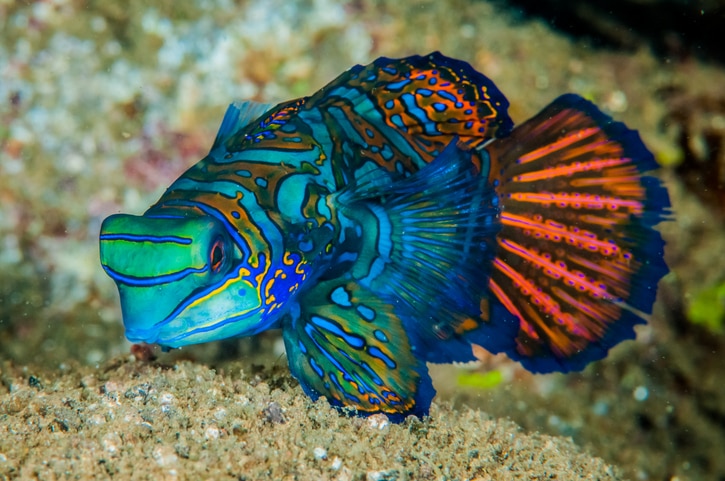
Credit: www.chewy.com
Troubleshooting Common Issues
Caring for saltwater aquarium species can be tricky. Problems may arise even with good care.
Knowing how to fix common problems helps keep your aquarium healthy and your fish happy.
Algae Control
Algae grows fast in saltwater tanks. Too much algae can hurt your fish and plants.
Keep algae under control by checking light and nutrients regularly. Clean the tank often.
- Reduce lighting time to 6-8 hours daily
- Use algae-eating fish or snails
- Remove visible algae by hand
- Keep nutrient levels balanced
Equipment Failures
Equipment like filters and heaters can stop working. This affects water quality and temperature.
Check equipment often. Replace or fix broken parts quickly to protect your aquarium.
- Test heaters and thermometer daily
- Clean and inspect filters weekly
- Listen for strange noises from pumps
- Have backup equipment ready
Stress Indicators In Species
Fish and other species show stress in many ways. Stress weakens their immune system.
Watch for changes in behavior or appearance. Act fast to reduce stress causes.
- Fish hiding more than usual
- Loss of appetite or refusal to eat
- Color fading or dark spots
- Fast breathing or gasping at surface
- Unusual swimming patterns
Frequently Asked Questions
How Often Should I Clean A Saltwater Aquarium?
Clean your saltwater aquarium weekly by removing algae and debris. Perform partial water changes every two weeks. Regular cleaning maintains water quality and fish health.
What Is The Ideal Water Temperature For Saltwater Fish?
Keep saltwater aquarium temperature between 75°F and 82°F. Stable temperature prevents stress and disease in marine species. Use a reliable heater and thermometer to monitor.
How Do I Maintain Proper Salinity Levels?
Use a hydrometer or refractometer to check salinity. Maintain levels between 1. 020 and 1. 025 specific gravity. Adjust with salt mix or fresh water as needed.
What Types Of Food Are Best For Saltwater Species?
Feed saltwater fish a varied diet of pellets, flakes, and frozen foods. Include algae and protein-rich options to mimic natural feeding habits. Avoid overfeeding to prevent water pollution.
Conclusion
Caring for saltwater aquarium species takes time and patience. Keep water clean and stable. Feed fish and corals the right food. Watch for signs of stress or illness. Regular checks help keep your tank healthy. Enjoy the beauty of your underwater world.
Small efforts bring big rewards. Stay curious and learn as you go. Your aquarium can thrive with good care.