
Taking care of fish in a tank might seem simple, but it requires the right knowledge to keep your underwater friends healthy and happy. If you want to avoid common mistakes that can harm your fish, this guide is for you.
You’ll learn easy steps to create the perfect environment, choose the right food, and maintain your tank without stress. By the end, you’ll feel confident that your fish are thriving, making your aquarium a beautiful and lively space. Ready to become the best fish caretaker?
Let’s dive in!
Choosing The Right Fish
Choosing the right fish is important for a healthy tank. Different fish need different care and environments.
Think about tank size, water type, and fish behavior before picking fish for your aquarium.
Popular Freshwater Species
Freshwater fish are good for beginners and come in many shapes and colors. They live in lakes and rivers.
Some popular freshwater fish are easy to care for and friendly in community tanks.
- Betta fish: bright colors, need small tanks
- Guppies: active, small, and peaceful
- Neon tetras: small, colorful, and schooling fish
- Angelfish: taller body, need medium tanks
- Corydoras catfish: bottom dwellers, peaceful
Popular Saltwater Species
Saltwater fish live in oceans and need special care. They often need bigger tanks and stable water conditions.
Many saltwater fish are colorful and have unique shapes. They may be more sensitive than freshwater fish.
- Clownfish: small, bright, easy to care for
- Damselfish: hardy, active, and colorful
- Tang fish: large, bright, need space
- Gobies: small, bottom dwellers, peaceful
- Angelfish (marine): need large tanks, beautiful colors
Compatibility And Temperament
Some fish get along well, while others fight. Knowing fish temperament helps create a peaceful tank.
Pick fish with similar sizes and temperaments. Avoid mixing aggressive and shy fish.
- Peaceful fish: guppies, neon tetras, corydoras catfish
- Semi-aggressive fish: angelfish, some tangs
- Aggressive fish: bettas, some damselfish
- Schooling fish prefer groups, like neon tetras
- Bottom dwellers avoid fish that swim in open water
Credit: monsteraquariumon9.com
Setting Up The Tank
Setting up a fish tank properly helps your fish live healthy lives. It creates a safe and comfortable home for them.
This guide covers the main parts of tank setup. You will learn about size, filtration, lighting, and decorations.
Tank Size And Shape
Choose a tank size based on the fish you want to keep. Larger tanks are easier to maintain and more stable.
The shape of the tank affects how much swimming space your fish get. Rectangular tanks offer more room than tall or narrow ones.
Filtration Systems
A good filter keeps the water clean and clear. It removes waste and harmful chemicals from the tank.
- Choose a filter rated for your tank size
- Consider types like sponge, hang-on-back, or canister filters
- Clean the filter regularly to keep it working well
- Use biological media to support helpful bacteria
Lighting Options
Lighting helps fish see and supports plant growth. Use lights that mimic natural daylight.
| Light Type | Best Use | Duration |
| LED | Energy efficient and bright | 8-10 hours daily |
| Fluorescent | Good for plants and fish | 8-10 hours daily |
| Incandescent | Less common, heats water | Use with caution |
Substrate And Decorations
Substrate is the material at the bottom of the tank. It affects water quality and fish comfort.
Choose decorations that provide hiding spots and look natural. Avoid sharp edges that can harm fish.
- Use gravel or sand as substrate
- Add live or artificial plants
- Include rocks, caves, or driftwood
- Keep decorations clean to prevent algae
Water Quality Management
Keeping water clean and balanced is key to healthy fish in your tank. Good water quality helps fish stay active and live longer.
Check water conditions often to avoid problems like sickness or stress in your fish.
Maintaining Proper Ph Levels
Fish need the right pH to thrive. Most fish prefer a pH between 6.5 and 7.5, but some types need different levels.
Use a pH test kit weekly. Adjust the water with safe products if the pH is too high or low.
Controlling Ammonia And Nitrate
Ammonia and nitrate build up from fish waste and leftover food. High levels can harm your fish.
- Test ammonia and nitrate levels twice a week.
- Use a good filter to remove waste.
- Do not overfeed your fish.
- Remove uneaten food and debris quickly.
Regular Water Changes
Changing water keeps the tank clean and removes harmful chemicals. Replace 10-20% of the water each week.
| Water Change Frequency | Amount to Change |
| Weekly | 10-20% |
| Bi-weekly | 20-30% |
| Monthly | 30-50% |
Temperature Regulation
Keep the water temperature stable to avoid stressing fish. Most tropical fish do well at 75-80°F (24-27°C).
Use a reliable heater and thermometer. Check the temperature daily and adjust if needed.
Feeding Your Fish
Feeding your fish correctly is key to keeping them healthy. Proper food and feeding habits help fish grow strong.
Different fish species need different foods. You should learn what suits your fish tank best.
Choosing The Right Food
Choose food based on your fish type. Some fish eat flakes, others need pellets or live food.
Check the label to see if the food has the right nutrients. This keeps your fish healthy and active.
- Flake food suits most tropical fish
- Pellets are good for larger fish
- Live or frozen food helps carnivorous fish
- Vegetable-based food fits herbivores
Feeding Frequency
Feed your fish once or twice a day. Small amounts at a time work best to avoid waste.
Young fish need more frequent feeding than adults. Watch your fish to see when they are hungry.
- Feed baby fish 3-4 times daily
- Adult fish usually need feeding 1-2 times daily
- Keep feeding times consistent every day
Avoiding Overfeeding
Overfeeding can harm your fish and water quality. Only give what fish can eat in a few minutes.
Remove leftover food to prevent pollution. Watch your fish for signs of overeating like bloating.
- Feed small amounts to reduce waste
- Clear uneaten food after 5 minutes
- Observe fish health and adjust food as needed
Health And Disease Prevention
Keeping fish healthy is important for a happy tank. Good care helps stop diseases before they start.
Watch your fish often. Early action keeps them safe and alive.
Recognizing Common Diseases
Fish can get sick from bacteria, parasites, or fungi. Look for unusual spots, colors, or behavior.
Common signs are clamped fins, white patches, and loss of appetite. Fish may also scratch on tank surfaces.
- White spots or fuzzy growths
- Red or inflamed areas on the body
- Rapid breathing or gasping at the surface
- Hiding or swimming oddly
- Loss of color or dull scales
Quarantine Procedures
Use a separate tank to isolate new or sick fish. This stops disease from spreading.
Keep fish in quarantine for at least two weeks. Check daily for signs of illness or stress.
- Use clean equipment only for the quarantine tank
- Keep water temperature stable
- Feed fish with high-quality food
- Change water regularly to keep it clean
- Do not add quarantined fish to the main tank without a clean bill of health
Treatment Options
Treat fish diseases quickly to prevent serious harm. Use medicines made for aquarium fish.
Follow instructions on treatments carefully. Avoid overuse to protect fish and plants.
- Medicated baths for external parasites
- Antibiotics for bacterial infections
- Salt treatments to reduce stress and kill some parasites
- Adjust water quality to support healing
- Remove sick fish if disease spreads
Tank Maintenance Routine
Taking care of your fish means keeping their tank clean and safe. A regular routine helps fish stay healthy and happy.
Maintaining the tank includes cleaning, checking filters, and inspecting equipment. Each part is important for good water quality.
Cleaning The Tank
Clean the tank water by removing dirt and waste. Change 10-20% of the water every week to keep it fresh.
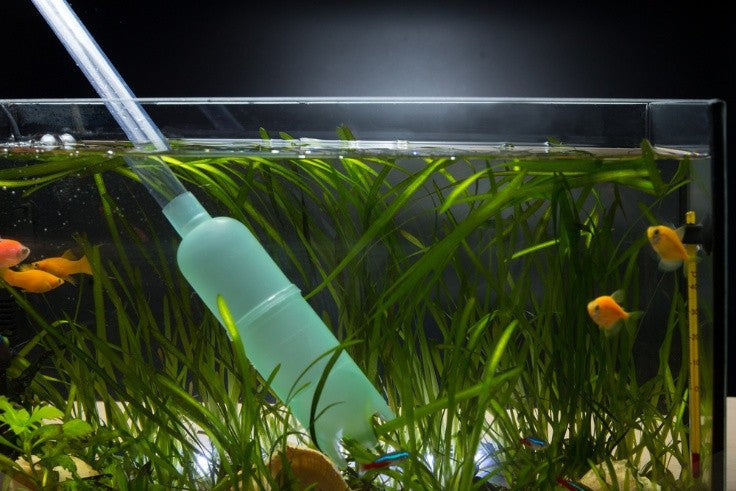
Use a gravel vacuum to clean the bottom without disturbing fish. Avoid using soap or chemicals that harm fish.
- Remove algae from tank walls with a scraper
- Clean decorations and plants gently
- Do partial water changes weekly
Filter Maintenance
Filters keep water clean by removing waste and toxins. Check the filter at least once a month to keep it working well.
Rinse filter parts with tank water to avoid killing helpful bacteria. Replace filter media according to the manufacturer’s instructions.
- Turn off filter before cleaning
- Use tank water to rinse filter pads
- Replace carbon or cartridges monthly
- Check water flow is strong and steady
Checking Equipment
Check heaters, lights, and air pumps regularly. Proper equipment keeps the tank environment stable for fish.
Look for broken parts or unusual noises. Replace or fix equipment quickly to avoid stress or danger to fish.
- Test heater temperature weekly
- Ensure lights are on a timer for day/night cycles
- Listen for air pump sounds
- Inspect cords and plugs for damage
Enhancing Fish Environment
Creating a good environment helps your fish stay healthy and happy. A well-set tank makes fish feel safe.
Use simple ways to improve the tank setup. This helps fish show natural behaviors and reduces stress.
Adding Plants And Hiding Spots
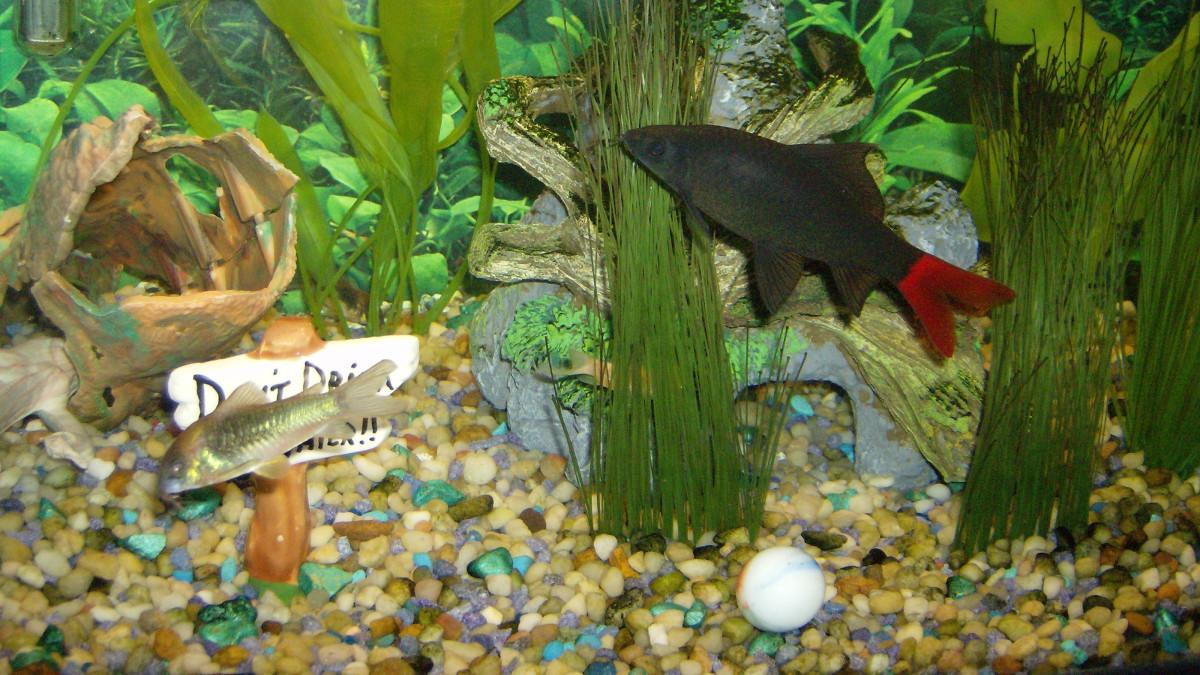
Plants give fish places to hide and explore. They also clean the water by using fish waste as food.
Hiding spots help fish feel safe from bright lights or bigger fish. Use rocks, caves, or decorations.
- Choose live or artificial plants
- Place plants in different tank areas
- Add caves, tunnels, or driftwood
- Keep hiding spots clean and secure
Creating Natural Behaviors
Encourage fish to swim and explore like in the wild. Change tank layout sometimes to keep things new.
Feed fish at different spots and times. This helps them hunt and forage naturally.
- Use varied tank decorations
- Offer live or frozen foods
- Keep water flow moderate and natural
- Observe fish to learn their habits
Avoiding Stress Factors
Stress harms fish health and makes them weak. Avoid sudden changes in temperature or light.
Keep the tank clean and avoid overcrowding. Watch for signs of stress like hiding or fast breathing.
- Test water often for quality
- Keep tank temperature stable
- Limit loud noises near the tank
- Feed fish the right amount

Credit: www.completekoi.com
Credit: pethelpful.com
Frequently Asked Questions
How Often Should I Clean My Fish Tank?
Clean your fish tank every 2-4 weeks to maintain water quality. Remove debris, change 10-20% of the water, and clean the filter regularly. Proper cleaning prevents harmful bacteria buildup and keeps fish healthy and happy.
What Is The Ideal Water Temperature For Fish Tanks?
Most tropical fish thrive in water between 75-80°F (24-27°C). Use a reliable aquarium heater and thermometer to maintain consistent temperature. Avoid sudden changes, as they stress fish and can cause illness.
How Do I Choose Compatible Fish Species?
Select fish with similar size, temperament, and water requirements. Research species’ behavior and habitat needs before adding them to your tank. Proper compatibility reduces aggression and promotes a peaceful aquarium environment.
What Should I Feed My Aquarium Fish?
Feed fish high-quality, species-appropriate food once or twice daily. Avoid overfeeding, as excess food pollutes water and harms fish health. Supplement with occasional live or frozen treats to provide balanced nutrition.
Conclusion
Caring for fish in a tank takes patience and attention. Keep water clean and temperature steady. Feed your fish the right amount, not too much. Watch for signs of illness or stress often. A healthy tank means happy, active fish.
Enjoy the peaceful beauty they bring to your home. Simple care routines can make a big difference. Start small, learn, and grow your fish knowledge. Every fish deserves a safe and loving environment.