
If you’ve ever wanted to add a splash of color and life to your aquarium, breeding rasboras is a rewarding way to do it. These small, vibrant fish are not only beautiful but also surprisingly easy to breed—once you know the right steps.
Imagine watching your own tiny fry grow and thrive under your care. In this guide, you’ll discover simple, clear instructions to help you successfully breed rasboras at home. Ready to turn your aquarium into a lively, growing community? Let’s dive in and make it happen!
Credit: splashyfishstore.com
Choosing The Right Rasbora Species
Breeding rasboras can be fun and rewarding. Picking the right species is important for success.
Different rasboras have different needs and behaviors. Choose a species that fits your tank and skill level.
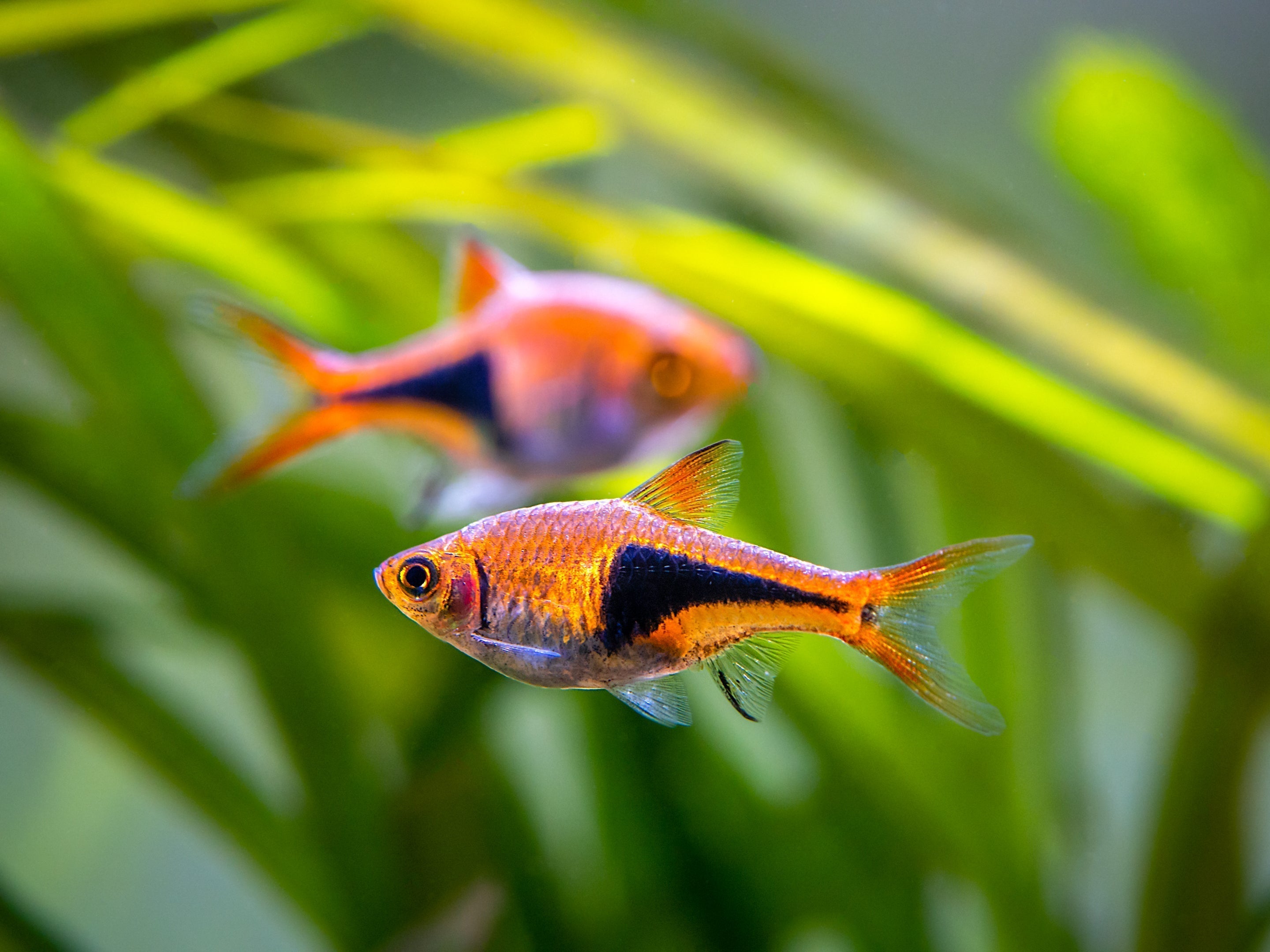
Harlequin Rasbora
Harlequin rasboras are popular for beginners. They are easy to care for and breed.
They prefer slightly acidic water and a planted tank. Males show bright colors when ready to mate.
Galaxy Rasbora (celestial Pearl Danio)
Galaxy rasboras are small and colorful. They need very clean water and stable conditions.
These fish like dense plants and hiding spots. They are shy but breed well in groups.
Glowlight Rasbora
Glowlight rasboras have a bright orange stripe. They adapt to many water types and tanks.
They breed easily in soft water. Males flare their fins to attract females during spawning.
Chili Rasbora
Chili rasboras are tiny and peaceful. They need very soft, acidic water for breeding.
They prefer planted tanks with slow water flow. Breeding requires patience but is very rewarding.
Other Rasbora Species
Other species like the Lambchop Rasbora or Brilliant Rasbora can also be bred.
Check their care needs before choosing. Some need special water or tank setups.
Setting Up The Breeding Tank
Breeding rasboras needs a special tank setup. The right environment helps fish lay eggs and keep fry safe.
This guide covers tank size, water conditions, and decorations for breeding success.
Tank Size And Environment
Use a small tank for breeding rasboras. A 10 to 15-gallon tank works well. It is easier to control water and keep fish safe.
- Choose a tank with a lid to prevent jumping.
- Set up a gentle filter to keep water clean.
- Keep lighting low to reduce stress.
- Place the tank in a quiet area away from strong vibrations.
Water Conditions
Water quality is key for rasbora breeding. Keep these conditions steady for best results.
| Parameter | Ideal Range |
| Temperature | 75°F to 80°F (24°C to 27°C) |
| pH Level | 6.0 to 7.0 |
| Hardness | Soft to moderately hard (2-10 dGH) |
| Ammonia and Nitrites | 0 ppm |
| Nitrates | Below 20 ppm |
Plants And Decorations
Plants and decorations give rasboras places to hide and lay eggs. Use fine-leaved plants and gentle décor.
- Java moss or spawning mops for egg laying
- Floating plants to reduce light and provide cover
- Soft-leaved plants like hornwort or water sprite
- Small branches or roots for hiding spots
- Avoid sharp or rough decorations that can hurt fish
Selecting Healthy Breeding Stock
Choosing the right rasboras for breeding is very important. Healthy fish increase the chance of successful breeding.
Focus on the fish’s appearance, behavior, and age to pick the best breeders.
Identifying Males And Females
Knowing the difference between male and female rasboras helps in pairing them correctly. Males are often slimmer and more colorful.
Females usually have rounder bellies, especially when carrying eggs.
- Males have brighter colors and sharper fins.
- Females have fuller bodies and duller colors.
- Males often swim more actively to attract females.
Age And Health Considerations
Select rasboras that are at least six months old. Younger fish may not breed well.
Check for clear eyes, smooth scales, and normal swimming. Avoid fish with spots, torn fins, or sluggish behavior.
- Choose fish with no signs of disease or stress.
- Pick adults in good condition and active movement.
- Healthy fish have bright colors and clean skin.
Conditioning Rasboras For Spawning
Getting rasboras ready to spawn needs care and attention. Their health and environment must be right. Conditioning them properly helps trigger breeding behavior.
Two main factors help condition rasboras: their diet and simulating seasonal changes. Both must be done carefully for good results.
Diet And Nutrition
Rasboras need a high-quality diet to prepare for spawning. Rich foods increase their energy and health. Feed a mix of live, frozen, and dry foods for variety.
- Feed live foods like brine shrimp and daphnia
- Offer frozen bloodworms and mosquito larvae
- Include high-quality flake or pellet foods
- Feed small amounts 2 to 3 times daily
- Keep food fresh and remove leftovers
Simulating Seasonal Changes
Rasboras respond well to changes in water and light. These changes mimic their natural breeding season. Adjust temperature, lighting, and water changes to help trigger spawning.
| Factor | Before Conditioning | During Conditioning |
| Water Temperature | 22-24°C (72-75°F) | 26-28°C (79-82°F) |
| Light Duration | 10 hours per day | 12-14 hours per day |
| Water Changes | Weekly 20% | Frequent 30-50% |
Spawning Behavior And Signs
Breeding rasboras can be rewarding with the right knowledge. Understanding their spawning behavior helps you know when they are ready to breed.
Signs of spawning include changes in color and behavior. Watching these clues ensures better care during breeding.
Courtship Rituals
Male rasboras show bright colors to attract females. They often swim close and chase the female gently.
The female responds by swimming near plants or hiding spots. This signals she is ready to spawn.
- Males display vivid colors
- Males chase females slowly
- Females seek plants or cover
- Pair swims together in small areas
Egg Laying Patterns
Rasboras lay eggs on plant leaves or fine surfaces. They scatter eggs rather than place them in one spot.
After laying, adults usually do not protect the eggs. The eggs stick to surfaces and hatch in a few days.
- Eggs are laid on plants or smooth surfaces
- Eggs are spread out, not in clusters
- Adults leave eggs after spawning
- Eggs hatch in about 24 to 36 hours

Credit: www.reddit.com
Caring For Eggs And Fry
Breeding rasboras can be rewarding. It needs attention to detail and proper care. This guide helps you protect eggs and ensure fry thrive.
From egg protection to feeding, each step is crucial for healthy rasbora fry. Learn the essential steps in this process.
Egg Protection And Incubation
Once rasboras lay eggs, immediate protection is key. Separate the eggs from adult fish to prevent them from being eaten.
- Use a separate breeding tank for egg incubation.
- Maintain water temperature around 78°F for optimal development.
- Keep the tank dimly lit to mimic natural conditions.
- Check regularly for fungus on the eggs and remove affected ones.
Feeding And Growth
Once the fry hatch, feeding them properly is vital. Begin with infusoria or liquid fry food for the first few days.
| Age (Days) | Food Type |
| 1-3 | Infusoria |
| 4-7 | Micro worms |
| 8+ | Baby brine shrimp |
As the fry grow, gradually introduce larger foods. This supports their development and ensures they grow strong.
Common Breeding Challenges
Breeding Rasboras can be a fun experience. However, it comes with its own set of challenges. Understanding these challenges can help you prepare better for the breeding process.
Here, we will discuss how to handle some common issues. These include egg predation and poor fertilization. By addressing these, you can increase the chances of successful breeding.
Preventing Egg Predation
Egg predation is a common issue in Rasboras breeding. Adult fish may eat the eggs, reducing the number of hatchlings. Protecting the eggs is crucial for successful breeding.
Using a separate breeding tank can help. This keeps the eggs away from adult fish. Providing plenty of hiding spots also helps keep eggs safe.
- Use a breeding tank to separate eggs
- Add plants or breeding mops for cover
- Remove adult fish after spawning
Dealing With Poor Fertilization
Poor fertilization can lead to fewer fry. Ensuring the right conditions can improve fertilization rates. Temperature and water quality play a big role.
Check the water temperature regularly. Maintain it between 75-80°F for optimal breeding. Ensure the water is clean and free from pollutants.
| Factor | Optimal Condition |
| Water Temperature | 75-80°F |
| Water Quality | Clean and pollutant-free |

Credit: www.aquariumsource.com
Frequently Asked Questions
How Do You Prepare A Tank For Breeding Rasboras?
Prepare a separate breeding tank with soft, slightly acidic water. Add plants and maintain a temperature of 78-80°F. Ensure gentle filtration and dim lighting for optimal breeding conditions.
What Is The Ideal Diet To Stimulate Rasbora Breeding?
Feed Rasboras high-quality live or frozen foods like daphnia and brine shrimp. Provide a varied diet to enhance health and encourage spawning behavior.
How Long Does It Take For Rasbora Eggs To Hatch?
Rasbora eggs typically hatch within 24 to 36 hours. Keep the water clean and stable to ensure healthy fry development.
Can Rasboras Breed In Community Tanks?
Breeding in community tanks is challenging due to egg predation. Use a separate breeding tank to protect eggs and increase fry survival rates.
Conclusion
Breeding rasboras takes patience and care. Create a calm, clean tank with proper plants. Feed them healthy food to keep them strong. Watch their behavior closely for signs of spawning. Separate eggs from adults to protect them. Keep water conditions stable for baby fish to grow.
Enjoy the process and learn each step. Small efforts lead to healthy rasbora fry. Breeding rasboras can be a rewarding hobby. Try these tips and see your fish thrive.