
Are you ready to see your goldfish family grow right inside your aquarium? Breeding goldfish can be a rewarding experience, but it takes the right steps to make it successful.
In this guide, you’ll discover simple and effective tips to help your goldfish breed healthily and thrive. Whether you’re a beginner or have some experience, understanding the right conditions and care will make all the difference. Keep reading to learn how you can create the perfect environment for your goldfish to multiply and flourish!
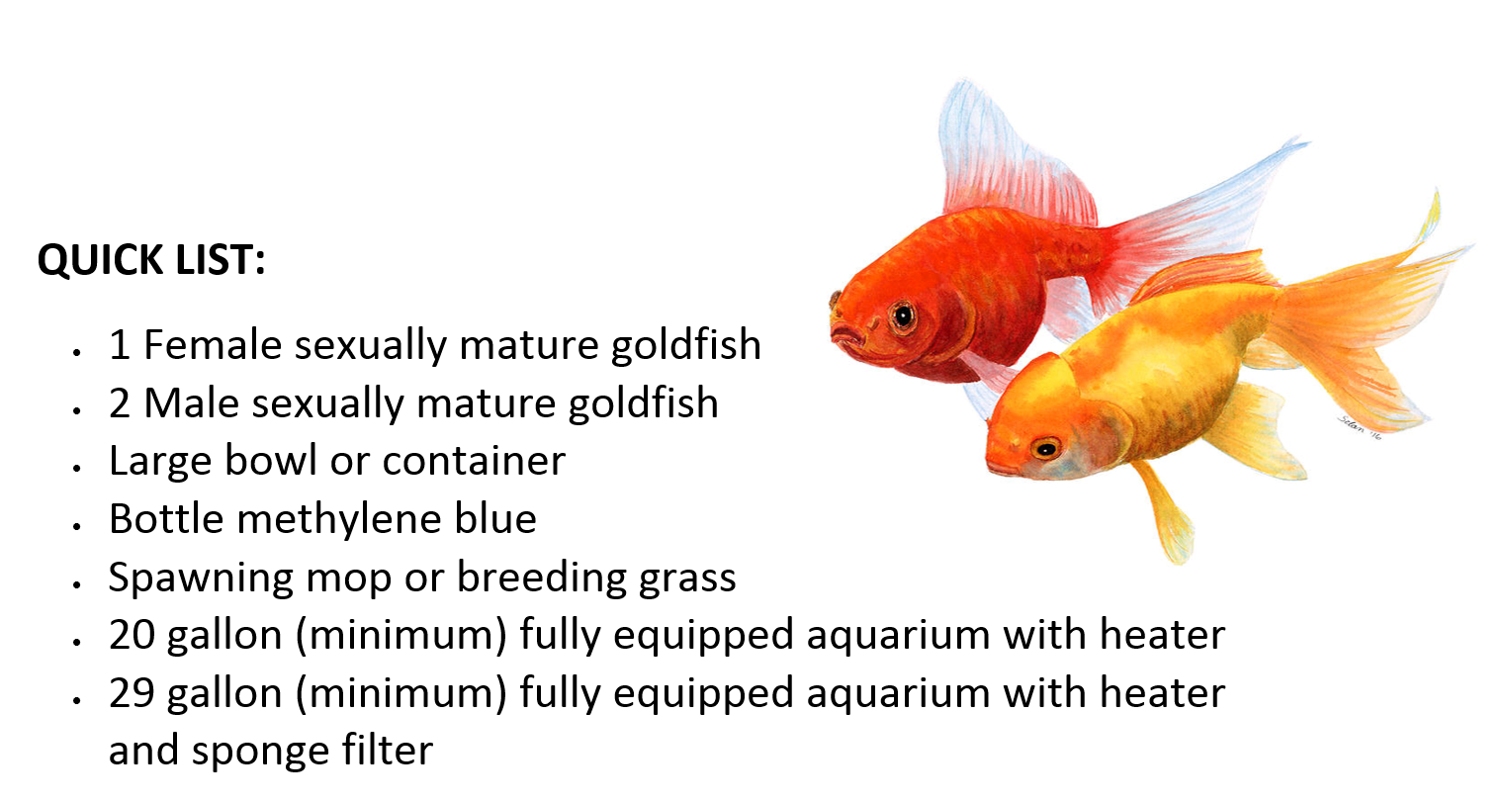
Credit: justissgoode.medium.com
Choosing Goldfish For Breeding
Breeding goldfish starts with choosing the right fish. Healthy breeders lead to strong offspring.
Selecting good goldfish for breeding requires care and attention to detail. This guide helps you pick the best fish.
Selecting Healthy Breeders
Healthy goldfish are active and have clear eyes. Their fins should be whole and free of tears or spots.
- Look for bright scales without discoloration
- Choose fish that swim steadily and do not float or sink too much
- Avoid fish with visible signs of disease or parasites
- Check for good appetite and normal breathing
Identifying Male And Female Goldfish
Knowing the sex of goldfish is important for breeding. Males and females have subtle differences.
- Males develop small white spots called breeding tubercles on their gill covers and fins
- Females usually have a rounder belly, especially when full of eggs
- Males tend to be slimmer and more active during breeding season
- Gentle pressure on the abdomen of a female can release eggs
Best Goldfish Varieties For Breeding
Some goldfish types are easier to breed and produce healthy young. Choose varieties that match your goals.
| Goldfish Variety | Notes |
| Common Goldfish | Hardy and easy to breed |
| Comet Goldfish | Fast growers, good for beginners |
| Fantail Goldfish | Popular for appearance and breeding |
| Shubunkin | Colorful and active breeders |
| Oranda | Needs careful water care during breeding |
Preparing The Breeding Tank
Breeding goldfish in an aquarium needs careful tank preparation. A proper setup helps increase the chances of successful spawning.
This guide explains the key steps to prepare the tank for goldfish breeding.
Tank Size And Setup
A breeding tank should have enough space for adult goldfish and their eggs. Usually, a 20-gallon tank is a good start.
- Use a clean, well-cycled tank
- Provide gentle water flow to avoid disturbing eggs
- Keep the tank free from other aggressive fish
- Place a fine mesh or spawning mop to protect eggs
Water Conditions And Temperature
Goldfish need stable water conditions for spawning. The right temperature and water quality are very important.
| Parameter | Recommended Range |
| Temperature | 68°F to 74°F (20°C to 23°C) |
| pH Level | 6.5 to 7.5 |
| Ammonia and Nitrite | 0 ppm |
| Nitrate | Below 20 ppm |
Adding Plants And Spawning Materials
Plants and spawning materials offer safe places for eggs. They also help create a natural environment.
- Add fine-leaved plants like Java moss or Hornwort
- Use spawning mops or brushes to catch eggs
- Place materials evenly across the tank
- Remove adults after spawning to protect eggs
Conditioning Goldfish For Spawning
Getting goldfish ready to spawn needs care and attention. Proper conditioning helps them breed well in an aquarium.
Conditioning means preparing goldfish by improving their health and environment. This increases the chances of successful breeding.
Feeding High-quality Diet
A healthy diet is key to preparing goldfish for spawning. Good food boosts their energy and fertility.
Feed goldfish nutritious foods rich in protein and vitamins. Avoid low-quality or stale food to keep them healthy.
- Offer live or frozen foods like bloodworms and brine shrimp
- Include high-quality pellets or flakes made for goldfish
- Feed small amounts several times a day
- Remove uneaten food to keep water clean
Increasing Daylight Hours
Lengthening daylight hours helps goldfish feel like it is spring. This triggers their breeding instincts.
Use an aquarium light timer to increase light to 12–14 hours daily. Keep the schedule consistent for best results.
- Start with 10 hours of light per day
- Add 30 minutes every few days until reaching 14 hours
- Keep the rest of the time dark to mimic night
Simulating Natural Breeding Triggers
Goldfish breed naturally when water temperature and conditions change. You can copy these changes in your tank.
Slowly raise the water temperature to around 68–74°F (20–23°C). This simulates spring warming and encourages spawning.
- Increase temperature by 1–2°F per day until reaching target
- Keep water clean with regular changes
- Add plants or spawning mops for egg laying
Credit: justissgoode.medium.com
Spawning Process
Breeding goldfish in an aquarium involves a careful spawning process. Understanding this process helps you raise healthy fry.
The spawning process includes mating behavior, timing, egg laying, and fertilization. Each step is important for success.
Recognizing Mating Behavior
Goldfish show clear signs when they are ready to mate. Males chase females around the tank. They nudge the females’ sides and fins.
Females often become plumper as their eggs develop. You may see males rubbing their bodies against the females to encourage spawning.
Timing And Duration Of Spawning
Spawning usually happens in spring or early summer. Warmer water temperatures around 68-74°F (20-23°C) trigger this behavior.
The spawning process can last several hours. Males and females repeat their chasing and nudging during this time.
- Spawning starts early in the morning
- Can last from 1 to 6 hours
- Occurs over several days if conditions are right
Egg Laying And Fertilization
Females lay eggs on plants, decorations, or spawning mops in the tank. Eggs are sticky and attach to these surfaces.
Male goldfish fertilize the eggs by releasing milt over them. This fertilization happens quickly after egg laying.
- Eggs are small and clear to yellow
- Fertilized eggs turn cloudy or white
- Remove adult fish after spawning to protect eggs
Caring For Eggs And Fry
Breeding goldfish in an aquarium is exciting. Caring for eggs and fry ensures healthy growth.
Proper care helps eggs hatch safely and fry survive their first days.
Egg Incubation Period
Goldfish eggs usually hatch within four to seven days. Temperature affects how fast they hatch.
Keep the water temperature between 68°F and 74°F for best results. Warmer water speeds up hatching.
Preventing Fungus And Predation
Eggs are vulnerable to fungus and other fish that may eat them. Protecting eggs is important.
Use a gentle water flow and keep the tank clean. Remove any fungus with safe antifungal treatments.
- Separate eggs from adult fish if needed
- Use a breeder box or separate tank
- Check eggs daily for fungus or damage
Feeding Newly Hatched Fry
Newly hatched fry need small, frequent feedings. They eat tiny foods that are easy to digest.
Feed them infusoria, baby brine shrimp, or crushed flakes. Feed four to six times a day in small amounts.
- Start feeding after yolk sac is absorbed (2-3 days)
- Keep food size very small
- Remove uneaten food to keep water clean
Raising Young Goldfish
Raising young goldfish in an aquarium can be a rewarding experience. Proper care is crucial to ensure their healthy development.
Young goldfish, also known as fry, require special attention to thrive. This includes maintaining the right environment and diet.
Tank Maintenance For Fry
Keeping the tank clean is essential for the health of fry. Regular water changes help remove harmful substances.
- Change 10-15% of the water weekly
- Use a gentle filter to avoid harming fry
- Maintain a stable water temperature
Growth Stages And Feeding
Goldfish fry go through several growth stages. Each stage requires different care and feeding practices.
Start with infusoria or liquid fry food. As they grow, introduce brine shrimp and crushed flakes.
| Stage | Diet |
| Newly Hatched | Infusoria |
| 2 Weeks Old | Brine Shrimp |
| 4 Weeks Old | Crushed Flakes |
Common Health Issues
Young goldfish are prone to certain health issues. Early detection and treatment are key to keeping them healthy.
Watch for signs of illness like clamped fins or unusual swimming patterns. Consult a vet if problems persist.
- Ich or white spot disease
- Fin rot
- Swim bladder disorder
Troubleshooting Breeding Problems
Breeding goldfish in an aquarium can be rewarding. Sometimes, problems arise that affect breeding success. Understanding and addressing these issues helps improve outcomes.
This guide covers common challenges like low fertilization rates, aggression, stress, and water quality. Each section provides practical tips for addressing these issues.
Low Fertilization Rates
Low fertilization rates can hinder breeding success. Ensuring good conditions for breeding increases the chance of fertile eggs.
To improve fertilization, provide proper nutrition and a comfortable environment. Use high-quality food and maintain optimal water temperature.
- Check water temperature regularly
- Feed a balanced diet
- Ensure adequate lighting
Aggression And Stress
Aggression among goldfish can cause stress and affect breeding. Reducing stress helps create a peaceful breeding environment.
Separate aggressive fish and provide hiding spots. Monitor interactions closely to ensure a calm setting.
- Use dividers to separate aggressive fish
- Add plants for hiding spaces
- Observe fish behavior daily
Water Quality Challenges
Maintaining water quality is essential for successful breeding. Poor water conditions can harm goldfish health.
Regular water changes and testing help keep the environment healthy. Use a reliable water test kit to monitor levels.
| Water Parameter | Optimal Level |
| pH | 6.5 – 7.5 |
| Ammonia | 0 ppm |
| Nitrite | 0 ppm |
| Nitrate | < 40 ppm |

Credit: www.youtube.com
Frequently Asked Questions
How Do Goldfish Reproduce In An Aquarium?
Goldfish reproduce by external fertilization. The female lays eggs on plants or gravel. The male then fertilizes them by releasing sperm over the eggs.
When Is The Best Time To Breed Goldfish?
The best time to breed goldfish is during spring. Water temperature should be around 68-74°F (20-23°C). This stimulates spawning behavior naturally.
How To Prepare An Aquarium For Goldfish Breeding?
Use a separate breeding tank with clean, warm water. Add plants or spawning mops. Maintain gentle filtration and stable water conditions.
What Do Goldfish Eggs Look Like?
Goldfish eggs are small, round, and sticky. They are usually pale yellow or white. Eggs adhere to surfaces like plants or tank décor.
Conclusion
Breeding goldfish in an aquarium takes patience and care. Keep water clean and maintain the right temperature. Provide good food to help fish stay healthy. Watch for signs that fish are ready to breed. Separate eggs to protect them from other fish.
With time, tiny fry will start to grow. Enjoy the process and learn from each step. Breeding goldfish can bring joy and new life to your tank. Try it and see your aquarium flourish.