
Breeding fish in a species-specific tank can be one of the most rewarding experiences for any aquarium enthusiast. If you want to see your fish thrive and multiply in a safe, controlled environment, understanding the right conditions is key.
This guide will show you exactly how to create the perfect space for your fish to breed successfully. Whether you’re a beginner or have some experience, you’ll discover simple steps that make a big difference. Ready to turn your tank into a thriving fish nursery?
Keep reading, because your fish’s next generation depends on what you do today.

Credit: tanninaquatics.com
Choosing The Right Species
Choosing the right fish species is important for breeding success. Each species has unique needs and behaviors.
Knowing the right species helps create the best environment for breeding. It also reduces stress and fighting.
Selecting Compatible Fish
Pick fish species that can live well together. Some fish are aggressive and may harm others.
Choose species that share similar sizes and temperaments. This lowers chances of fights and stress.
- Avoid mixing large and very small fish
- Check if the species has peaceful behavior
- Pick fish with similar water needs
Researching Breeding Habits
Learn how your chosen fish breed. Some lay eggs while others give live birth.
Know the breeding season and courtship behaviors. This helps you prepare the tank at the right time.
- Find out if fish need special places to lay eggs
- Learn how parents treat their young
- Check if fish need a partner or group to breed
Understanding Environmental Needs
Each species needs specific water temperature, pH, and hardness for breeding. Keep these conditions steady.
Provide hiding spots and plants if fish need them. These help fish feel safe and encourage breeding.
- Maintain the right water temperature for the species
- Keep pH and hardness in the recommended range
- Add plants or caves for egg laying or shelter
Setting Up The Tank
Creating the right environment for breeding fish is crucial. A species-specific tank can help ensure the best conditions for breeding. Pay attention to tank size, water quality, and habitat.
Learn how to set up a tank that meets the needs of your fish. This guide will cover important aspects to consider for successful breeding.
Tank Size And Equipment
The right tank size is important for breeding fish. Different fish species need different amounts of space. A larger tank can help reduce stress and improve breeding success.
Proper equipment is also essential. You will need a heater, filter, and lighting. These help maintain stable conditions in the tank.
- A heater keeps the water at the right temperature.
- A filter ensures the water stays clean.
- Lighting mimics natural daylight cycles.
Water Quality And Parameters
Good water quality is vital for fish health. Regularly test the water to check pH, ammonia, and nitrate levels. Each species has its own preferred water parameters.
Water changes help maintain quality. Replace a portion of the tank’s water weekly. This keeps the environment fresh and clean.
- Test the water weekly for pH and chemicals.
- Change 10-15% of the water each week.
- Use a water conditioner to remove harmful substances.
Creating Natural Habitat
Fish feel safer and breed better in a natural habitat. Add plants and decorations that mimic their natural environment. These offer hiding spots and reduce stress.
Research the natural habitat of your fish species. Use rocks, driftwood, and plants to recreate it. This helps in creating a comfortable space for breeding.
- Use live plants for a natural feel.
- Provide hiding places with rocks and caves.
- Arrange decorations to allow free swimming space.
Preparing Fish For Breeding
Preparing fish for breeding needs careful attention to their health and environment. Proper care helps improve the chances of successful spawning.
This guide covers diet, conditioning, and signs that fish are ready to breed in a species-specific tank.
Diet And Nutrition
Good nutrition is key to preparing fish for breeding. A balanced diet boosts their energy and health.
- Feed high-quality live or frozen foods like brine shrimp and bloodworms.
- Include vegetable matter for herbivorous species.
- Offer varied foods to cover all nutrient needs.
- Feed small amounts multiple times per day.
- Remove uneaten food to keep water clean.
Conditioning Techniques
Conditioning fish means creating ideal tank conditions and routines to stimulate breeding behavior.
| Technique | Description |
| Temperature Adjustment | Raise or lower water temperature slightly to mimic natural breeding seasons. |
| Water Changes | Regular fresh water changes improve quality and trigger spawning. |
| Lighting | Increase daylight hours to simulate spring or summer. |
| Tank Decoration | Add plants or caves for hiding and egg laying. |
| Reduced Stress | Keep tank quiet and stable to avoid scaring fish. |
Recognizing Breeding Readiness
Knowing when fish are ready to breed helps you prepare the tank and monitor their behavior closely.
- Look for brighter colors and more active swimming.
- Observe mating dances or chasing between males and females.
- Check for swollen bellies in females, indicating eggs.
- Notice males building nests or cleaning surfaces.
- Listen for clicking or other breeding sounds in some species.
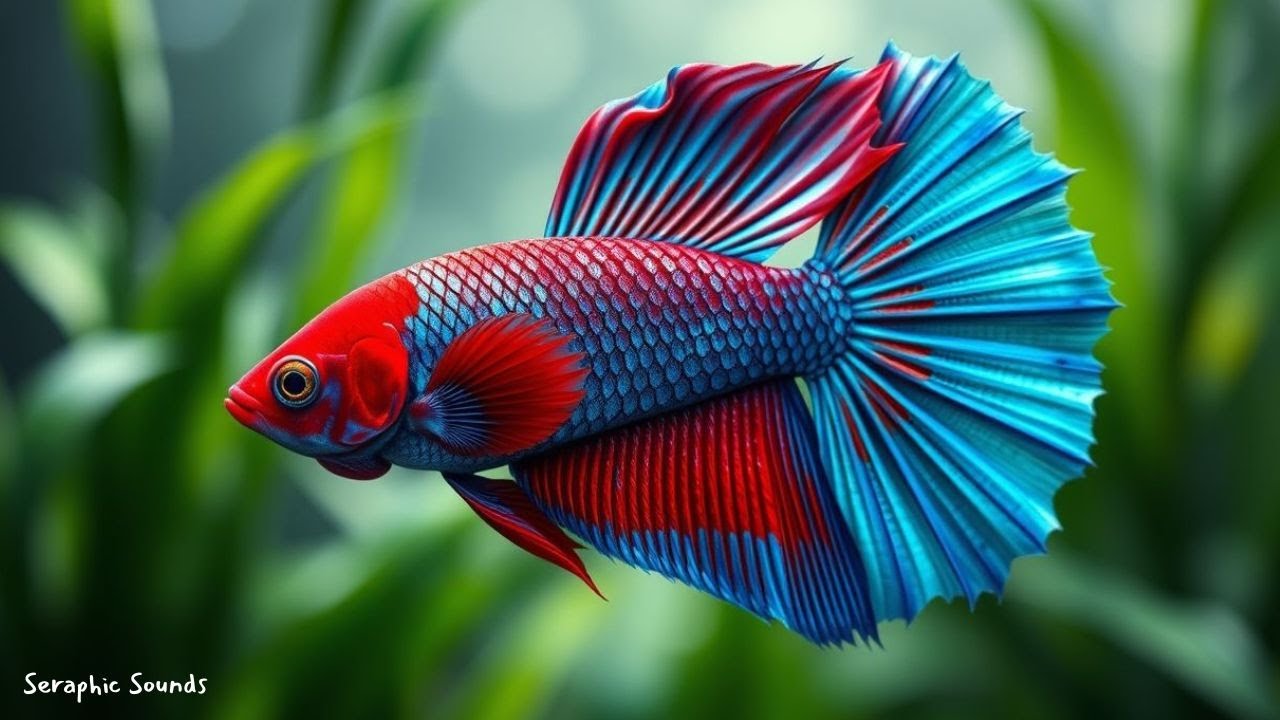
Credit: ai.mobirise.com
Breeding Process
Breeding fish in a species-specific tank needs careful attention. Each species has unique needs for successful breeding.
Understanding the breeding process helps improve chances of healthy fry and a thriving tank environment.
Spawning Triggers
Fish often need certain triggers to start spawning. These triggers mimic natural conditions in their habitat.
- Temperature changes to simulate seasonal shifts
- Light cycle adjustments to match daylight hours
- Water chemistry changes like pH or hardness
- Adding fresh water to imitate rain or floods
Mating Behaviors To Watch
Watching for mating behaviors helps identify when fish are ready to breed. Each species shows unique signs.
| Behavior | Description |
| Color Changes | Males or females become brighter or change color |
| Chasing | Males chase females around the tank |
| Flaring Fins | Males display fins to attract females |
| Nesting | Fish prepare a spot for eggs |
| Cleaning Surfaces | Fish clear a place to lay eggs |
Egg Care And Protection
Protecting eggs is key to raising healthy fish. Different species use various methods to care for eggs.
Common egg care methods include:
- One or both parents guard the eggs
- Fanning eggs with fins to provide oxygen
- Removing fungus or dead eggs manually
- Keeping eggs away from other tank mates
- Using a separate breeding tank for eggs and fry
Caring For Fry
Raising fish fry in a species-specific tank needs careful attention. Fry are young fish that require special care to grow healthy.
This guide covers feeding, water quality, and protection to help your fry thrive in their new environment.
Feeding The Young
Fry need small, frequent meals. Their food should be easy to digest and rich in nutrients. Feed tiny live or frozen foods like baby brine shrimp or crushed flakes.
- Feed 3 to 5 times daily in small amounts
- Use fine mesh nets to avoid losing food
- Remove uneaten food to keep water clean
- Gradually introduce dry foods as fry grow
Maintaining Water Quality
Clean water is key to fry health. Perform regular water changes and monitor tank conditions. Keep temperature and pH stable for best results.
| Parameter | Ideal Range |
| Temperature | 24-28°C (75-82°F) |
| pH | 6.5-7.5 |
| Ammonia | 0 ppm |
| Nitrite | 0 ppm |
| Nitrate | < 20 ppm |
Preventing Predation
Adult fish may eat fry. Use barriers or separate tanks to keep fry safe. Avoid overcrowding to reduce stress and attacks.
- Use breeding boxes or nets inside the tank
- Keep only fry or gentle species together
- Remove aggressive adults promptly
Troubleshooting Common Issues
Breeding fish in a species-specific tank can bring challenges. Problems can affect fish health and breeding success.
Knowing how to fix common issues helps keep your fish safe and happy. This guide covers key problems you may face.
Dealing With Aggression
Aggression can stop fish from breeding. It causes stress and injury among fish in the tank.
Watch your fish closely to see signs of fighting or chasing. Separate aggressive fish if needed.
- Provide hiding places with plants or decorations
- Keep enough space between fish
- Choose fish with calm temperaments
- Remove overly aggressive fish quickly
Handling Poor Water Conditions
Bad water harms fish health and stops breeding. Check water quality often to keep it safe.
Test for ammonia, nitrites, and nitrates regularly. Keep temperature and pH stable for your species.
- Do weekly partial water changes
- Use a good filter to clean the water
- Avoid overfeeding to reduce waste
- Keep the tank clean from algae and debris
Addressing Health Problems
Sick fish will not breed well. Watch for signs like spots, strange swimming, or loss of appetite.
Quarantine new or sick fish to stop disease spread. Use proper treatments for common illnesses.
- Remove sick fish from the breeding tank
- Use salt baths or medication as advised
- Keep water clean and stress low
- Consult a vet if illness continues
Tips For Success
Breeding fish in a species-specific tank requires care and knowledge. Success depends on many small details and patience.
Following some key tips can help you create the best environment and increase your chances of healthy fish offspring.
Patience And Observation
Patience is important when breeding fish. Fish may take days or weeks to show signs of readiness. Watch their behavior closely for cues.
- Look for changes in color or activity level.
- Notice when fish build nests or clean surfaces.
- Observe interactions between males and females.
Keeping Detailed Records
Keeping notes helps track progress and spot patterns. Record water conditions, feeding schedules, and breeding behavior.
| Date | Water Temp (°C) | Feeding Type | Behavior Notes |
| April 10 | 26 | Flakes | Male shows brighter colors |
| April 12 | 26 | Live food | Female cleans tank corners |
| April 15 | 27 | Live food | Pair swimming together often |
Continuous Learning
Fish breeding varies by species. Keep learning about your fish’s needs and best practices to improve your results.
Useful ways to learn include:
- Joining online forums or groups
- Reading books or articles on specific species
- Talking to experienced breeders

Credit: www.completekoi.com
Frequently Asked Questions
What Is A Species-specific Tank For Breeding Fish?
A species-specific tank houses only one fish species. It provides ideal conditions for breeding. This reduces stress and aggression, improving fry survival rates.
How To Prepare A Species-specific Tank For Breeding?
Clean and cycle the tank properly. Set temperature and pH to match the species’ natural habitat. Add hiding spots and breeding materials like plants or caves.
Which Fish Species Are Easiest To Breed In Species-specific Tanks?
Livebearers like guppies and mollies, cichlids, and bettas are beginner-friendly. They adapt well to controlled environments, making breeding simpler and more successful.
How To Care For Fish Fry In A Species-specific Tank?
Feed fry small, frequent meals of specialized food. Maintain excellent water quality with regular changes. Keep fry separate from adult fish to prevent predation.
Conclusion
Breeding fish in a species-specific tank takes patience and care. Keep water clean and stable. Choose healthy fish and create a safe space for them. Watch their behavior closely and feed them well. Small steps bring big results. Enjoy the process and learn from each attempt.
Your fish will thank you with healthy babies. Keep trying, and success will come.