
Breeding betta fish can be an exciting and rewarding experience, but it requires the right knowledge and careful steps to succeed. If you want to see vibrant baby bettas swimming in your tank, you need to understand their behavior, create the perfect environment, and know exactly when and how to introduce your fish.
This guide will walk you through everything you need to do to breed betta fish successfully. Keep reading, and you’ll gain the confidence and tips to make your betta breeding efforts a real success.
Choosing Healthy Bettas
Choosing healthy bettas is key to successful breeding. Healthy fish grow strong babies.
Look closely at bettas before you buy or breed. This saves time and effort later.
Selecting Breeding Pairs
Pick one male and one female betta for breeding. Both should be at least 4 months old.
Choose bettas with good color and strong fins. Avoid fish with torn fins or dull colors.
- Male bettas are more colorful and have bigger fins
- Female bettas have rounder bodies and smaller fins
- Both should be active and swim well
- Choose fish with no signs of illness or injury
Identifying Signs Of Good Health
Healthy bettas have bright eyes and clear scales. Their bodies should be smooth without lumps.
Watch for normal swimming and regular breathing. Avoid fish that hide too much or float oddly.
- Bright, clear eyes without cloudiness
- Fins fully open and without tears
- Scales shiny and flat, not raised
- Active swimming and normal breathing
- No white spots or fuzzy growths
Preparing The Breeding Tank
Setting up the breeding tank correctly is important for betta fish. A good environment helps them breed safely and successfully.
This guide covers tank size, water conditions, and adding plants and hiding spots.
Tank Size And Setup
Use a tank of at least 5 gallons for breeding betta fish. The tank must be clean and free of strong currents.
- Choose a tank with a lid to prevent jumping
- Keep the water level low, about 5 to 6 inches
- Use a gentle sponge filter to keep water clean
- Place the tank where it gets soft, indirect light
Water Conditions And Temperature
| Condition | Ideal Range |
| Temperature | 78°F to 80°F (25.5°C to 26.5°C) |
| pH Level | 6.5 to 7.0 |
| Hardness | Soft to moderate (3-5 dGH) |
| Ammonia and Nitrites | 0 ppm (parts per million) |
| Nitrates | Below 20 ppm |
Keep the water warm and clean. Use a heater with a thermostat to hold the temperature steady. Test the water weekly.
Adding Plants And Hiding Spots
Plants and hiding spots help reduce stress for bettas during breeding. They create a safe space and mimic natural habitat.
- Use live plants like java fern or floating plants
- Add small caves or breeding mops for hiding
- Arrange decorations to allow free swimming space
- Place leaves or soft moss near the surface for bubble nests
Conditioning The Breeders
Preparing betta fish for breeding needs care and patience. Conditioning helps improve their health and chances of successful breeding.
Good conditioning means feeding the right foods and watching their behavior closely. This stage lasts about two weeks before pairing the fish.
Diet And Nutrition
Feed bettas a varied diet rich in protein to build strength. High-quality live or frozen foods work best for conditioning.
- Bloodworms
- Brine shrimp
- Daphnia
- High-protein pellets
- Freeze-dried tubifex worms
Feeding Schedule
Feed your bettas small amounts several times a day. This helps them digest food well and stay active.
| Time | Amount | Type of Food |
| Morning | 2-3 pellets | High-protein pellets |
| Afternoon | Small portion | Live or frozen food |
| Evening | 2-3 pellets | High-protein pellets |
Recognizing Readiness To Breed
Look for signs that your bettas are ready to breed. Healthy, active fish show clear changes before spawning.
- Males build bubble nests at the water surface.
- Females develop vertical stripes on their body.
- Both fish become more vibrant in color.
- They show interest in each other but avoid fighting.
- Males flare fins and gills to attract females.
Breeding Process
Breeding betta fish can be a rewarding experience. It needs patience and care to do it right.
Understanding the steps in the breeding process helps you prepare and succeed.
Introducing The Pair
Choose a healthy male and female betta fish for breeding. Both should be mature and active.
Start by placing the female in a clear container inside the male’s tank. This helps them see each other safely.
- Watch their behavior for signs of readiness
- Keep the water clean and warm (around 78-80°F)
- Separate them if there is too much aggression
Bubble Nest Building
The male betta builds a bubble nest on the water surface. This nest holds the eggs after spawning.
You will see bubbles grouped together, sometimes with bits of plant material. It shows the male is ready to breed.
- Provide calm water without strong currents
- Keep the tank covered to protect the nest
- Maintain warm water temperature
Spawning Behavior
The male wraps his body around the female during spawning. This helps release and fertilize the eggs.
After the eggs fall, the male collects them and places them in the bubble nest. The female should be removed to avoid harm.
- Watch for the male’s protective behavior over the nest
- Remove the female after spawning is complete
- Keep the tank quiet and dimly lit during this time
Caring For Eggs And Fry
Breeding betta fish needs careful attention to eggs and baby fish. Proper care ensures healthy growth. You must protect eggs and feed fry well.
Knowing how to handle parents and provide food helps fry survive. This guide explains key steps to care for eggs and fry successfully.
Egg Protection And Incubation
After spawning, the male usually guards the eggs in a bubble nest. Keep the tank calm and clean. Avoid strong water flow that may harm eggs.
Maintain water temperature between 78°F and 80°F. Check water quality daily to prevent fungus. Remove dead eggs gently to avoid spreading infection.
Removing The Male Or Female
Once eggs are laid, you may need to remove one parent. Usually, remove the female to prevent her from eating eggs. The male protects eggs until they hatch.
- Remove the female carefully after spawning.
- Keep the male with eggs to care for them.
- Remove the male after fry start swimming freely.
Feeding Newly Hatched Fry
Fry need frequent feeding with tiny food. Start feeding after 3 days when yolk sacs disappear. Use small, live, or prepared foods for best growth.
| Food Type | Feeding Frequency | Notes |
|---|---|---|
| Infusoria | Every 2 hours | Best for first days after hatching |
| Baby brine shrimp | 3 times daily | Good protein source for growing fry |
| Microworms | 2 times daily | Easy to culture at home |
| Crushed flakes | Once fry grow larger | Use very fine crumbs |
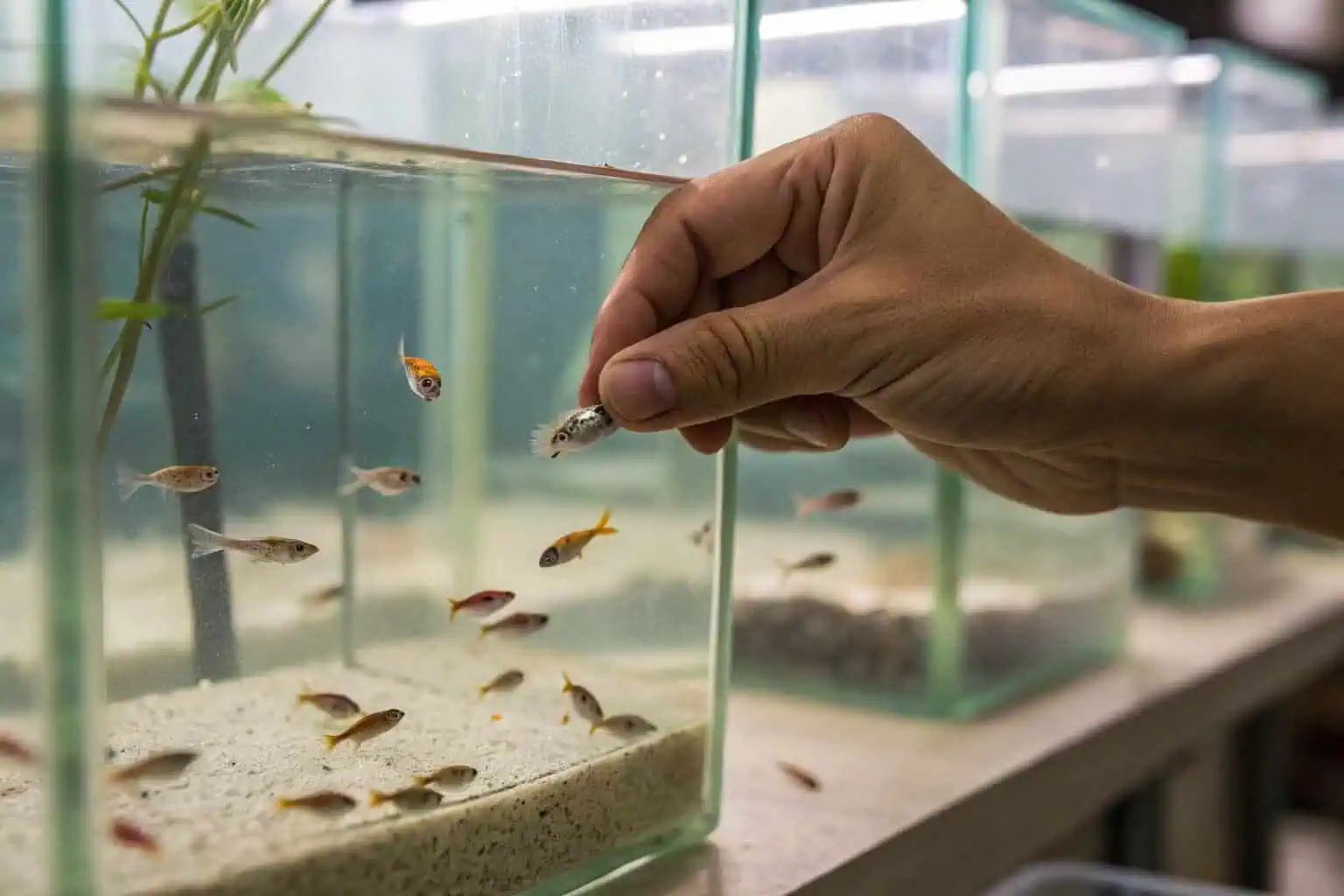
Credit: www.bancysolutions.com
Common Challenges
Breeding Betta fish can be rewarding but comes with challenges. Knowing these challenges helps you prepare better.
Successful breeding requires understanding Betta behavior and health. This guide covers common hurdles and solutions.
Dealing With Aggression
Bettas are known for their aggression. This can be stressful during breeding.
- Keep males and females separate until ready to breed
- Provide hiding spots using plants or decorations
- Monitor interactions closely to prevent harm
Preventing Fungal Infections
Fungal infections can affect eggs and fish. Clean water and proper care are essential.
Use a gentle filtration system and regularly change water. Avoid overcrowding the tank.
Handling Unfertilized Eggs
Unfertilized eggs can decay and spoil the water. Prompt removal is crucial.
| Step | Action |
| 1 | Observe the breeding tank for unfertilized eggs |
| 2 | Use a small net to gently remove them |
| 3 | Dispose of the eggs safely |
Raising Healthy Fry
Raising betta fish fry can be a rewarding experience. It requires careful attention and commitment. Let’s explore how to ensure your fry grow up healthy and strong.
Focusing on water quality, proper feeding, and suitable tank setups is key. Each aspect plays a vital role in the development of your fry.
Water Quality Maintenance
Clean water is crucial for the health of your betta fry. Regular water changes help prevent harmful bacteria and toxins from building up.
Use a gentle filter to keep the water clean without disturbing the fry. Test the water regularly to ensure the pH and temperature are stable.
- Change 20% of the water weekly
- Keep temperature between 78-80°F
- Maintain pH level around 6.5-7.5
Feeding Growth Foods
Feeding your fry the right foods helps them grow strong. Start with infusoria or liquid fry food for the first few days.
As they grow, introduce baby brine shrimp or microworms. Ensure you do not overfeed them, as excess food can pollute the water.
- Feed small amounts 3-4 times a day
- Remove uneaten food after 5 minutes
- Gradually introduce crushed pellets as they grow
Tank Upgrades For Fry
Your fry will need more space as they grow. Start with a small tank and move to a larger one as they develop.
Add gentle aeration to improve oxygen levels. Include hiding places like plants to reduce stress and provide security.
- Begin with a 5-gallon tank for the first few weeks
- Upgrade to a 10-gallon tank as they grow
- Use live plants for natural filtration

Credit: www.youtube.com

Credit: www.youtube.com
Frequently Asked Questions
How Do You Prepare A Tank For Betta Fish Breeding?
Clean a separate breeding tank with 5-10 gallons capacity. Maintain water temperature around 78-80°F. Add a gentle filter and hiding spots. Use a floating breeding mop or plants for bubble nest building.
When Is The Best Time To Breed Betta Fish?
Breed Betta fish when they are healthy and 4-12 months old. The female should display vertical stripes and the male should build a bubble nest. Spring and early summer provide optimal conditions.
How To Introduce Male And Female Betta Fish Safely?
Place the female in a clear container inside the male’s tank first. Allow the male to see her without direct contact. Once the male builds a bubble nest, gently release the female for breeding.
What Is The Process After Betta Fish Lay Eggs?
Remove the female after eggs are laid to prevent aggression. The male guards and tends the eggs. Keep the tank dim and maintain water quality. Eggs hatch in 24-36 hours.
Conclusion
Breeding betta fish takes patience and careful care. Keep the water clean and warm for best results. Watch your fish closely for signs of readiness. Separate the male and female after spawning to avoid harm. Feed the fry small, nutritious food often.
Stay calm and enjoy the process step by step. With time, you will see healthy baby bettas grow. Breeding bettas can be a rewarding hobby. Try these tips and watch your fish thrive.