
Are you tired of dealing with clogged filters that slow everything down? Whether it’s your air conditioner, water purifier, or car engine, a blocked filter can cause big problems.
But what if you could stop this hassle before it starts? You’ll discover simple, effective ways to keep your filters clean and working smoothly. By following these easy tips, you’ll save time, money, and avoid unnecessary repairs. Keep reading to find out how to protect your filters and keep everything running perfectly.

Credit: www.poposoapsolar.com
Causes Of Filter Clogging
Filters help keep water, air, or oil clean by trapping dirt and particles. Over time, these trapped materials build up. This buildup blocks the filter and stops it from working well.
Knowing what causes filter clogging helps you avoid problems. Many things can cause filters to clog quickly or slowly.
Common Contaminants
Contaminants are the dirt and particles that get trapped in filters. These can come from many sources and sizes. Some common contaminants include dust, hair, and small debris.
- Dust and dirt from the air or environment
- Hair and fibers from clothes or pets
- Rust particles from pipes or machines
- Sand and soil in outdoor settings
- Oil or grease in mechanical filters
Environmental Factors
Where the filter is used affects how fast it clogs. Dusty or dirty places cause more particles to enter the filter. Weather can also play a role.
- High dust areas increase dirt buildup
- Wet or humid places cause mold or rust
- Wind can carry more particles into filters
- Polluted air or water adds chemicals and debris
- Temperature changes may affect filter material
Improper Maintenance
Not cleaning or changing filters regularly causes clogging. Using the wrong cleaning method can damage filters. Ignoring filter care shortens their life and performance.
- Skipping scheduled filter cleaning or replacement
- Using harsh chemicals that damage filter fibers
- Not checking filters for damage or wear
- Ignoring small clog signs until the filter stops working
- Installing filters incorrectly, causing poor flow

Credit: www.foodengineeringmag.com
Choosing The Right Filter
Filters help keep systems clean by trapping dirt and debris. Choosing the right filter stops clogging and keeps things working well.
Pick a filter that fits your needs. The right filter type and material make a big difference in how well it works.
Filter Types And Materials
Filters come in many types and materials. Each type works best for certain tasks and dirt types.
Common filter types include mesh, paper, foam, and cartridge filters. Materials vary from synthetic fibers to metal screens.
- Mesh filters catch large particles and are easy to clean.
- Paper filters trap fine dust but can clog quickly.
- Foam filters hold dirt well and can be washed.
- Cartridge filters offer deep filtration with replaceable elements.
Matching Filters To Applications
Choose filters based on where you use them and what you need to clean. Matching filters to the job avoids clogging and damage.
Consider the type of dirt, flow rate, and environment. This helps pick a filter that lasts longer and works better.
- Use mesh filters for water with large debris.
- Pick paper filters for clean air or liquids with small particles.
- Foam filters work well in dusty areas needing regular cleaning.
- Cartridge filters fit machines needing precise filtration.
Maintenance Best Practices
Keeping filters clean helps machines run well and last longer. Proper maintenance stops clogs and saves time.
Use simple steps to keep filters free from dirt. Regular care improves air flow and prevents damage.
Regular Cleaning Techniques
Clean filters often to stop dust and debris from building up. This keeps the filter working well every day.
Use gentle tools to clean filters without breaking them. Avoid harsh chemicals that can damage filter material.
- Remove the filter carefully before cleaning
- Use a soft brush or vacuum to remove dust
- Rinse with water if the filter type allows
- Let the filter dry completely before putting it back
- Check for tears or holes during cleaning
Scheduled Replacements
Replace filters on a set schedule to keep machines safe. Old filters block air and reduce performance.
Follow the manufacturer’s guide for how often to change filters. This helps avoid filter damage and clogging.
- Mark replacement dates on a calendar
- Buy filters that match your machine model
- Do not wait until the filter is very dirty
- Dispose of old filters properly
Preventive Measures
Filter clogging can cause serious problems in many systems. Taking steps early helps keep filters clean longer.
Using the right methods stops dirt and particles from building up inside filters.
Pre-filtration Options
Pre-filtration removes large particles before they reach the main filter. This reduces the load on the filter.
Common pre-filters catch debris, sand, and other big contaminants early.
- Use mesh screens to block large particles
- Install sediment traps to capture sand and dirt
- Add cartridge pre-filters for fine particles
- Regularly clean or replace pre-filters to keep them effective
Optimizing System Conditions
Proper system settings help prevent filter clogging. Adjusting flow rate and pressure is key.
Maintain clean pipes and check equipment often to avoid extra strain on filters.
- Keep flow speed steady to avoid pushing too much dirt
- Check and fix leaks that bring unwanted particles
- Monitor pressure to detect early signs of clogging
- Clean surrounding equipment to reduce contamination
Signs Of Filter Clogging
Filters help keep machines and systems clean. When filters clog, performance drops. Knowing the signs helps you act fast.
Clogged filters can cause damage if not noticed. Watch for clear signs to avoid problems.
Performance Indicators
One sign of filter clogging is poor performance. Machines may run slower or less efficiently.
Here are common performance issues that show filter problems:
- Reduced flow or pressure in pipes or systems
- Increased energy use or fuel consumption
- Unusual noises from the machine
- Longer cycle times or slower operation
- Overheating or frequent shutdowns
Visual Inspections
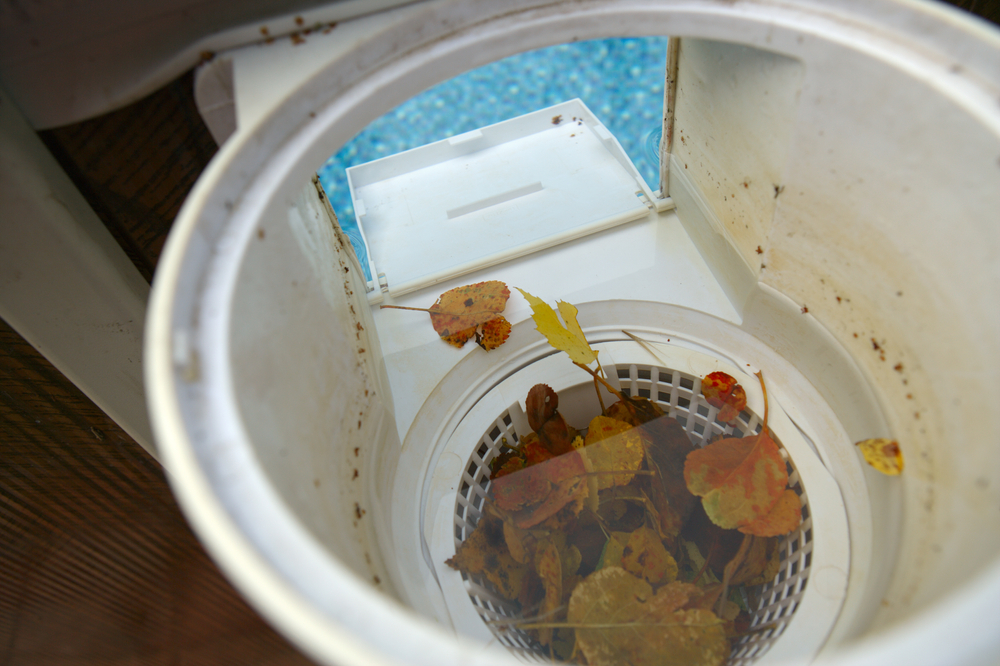
Look at the filter directly to find signs of clogging. Dirt and debris build up on the filter surface.
Regular visual checks help catch problems early. Here are what to look for:
- Dark or discolored filter material
- Visible dust, dirt, or particles on the filter
- Wet or oily spots on the filter
- Physical damage like tears or holes
- Filter feels hard or brittle instead of soft
Credit: patriotpoolservice.com
Troubleshooting Tips
Filter clogging can disrupt your daily routine. Knowing how to troubleshoot is key.
Let’s explore ways to identify and solve common filter issues.
Identifying Root Causes
Identifying the root cause of filter clogging is the first step. This helps target the right solution.
- Check for dirt or debris in the filter.
- Inspect for signs of wear and tear.
- Ensure proper installation of the filter.
Effective Solutions
Once the cause is identified, apply effective solutions. This ensures your filter works efficiently.
| Issue | Solution |
| Dirt Buildup | Clean or replace the filter |
| Improper Installation | Reinstall correctly following guidelines |
| Wear and Tear | Replace with a new filter |
Frequently Asked Questions
What Causes Filter Clogging In Machines?
Filter clogging is caused by dirt, dust, and debris accumulation. Poor maintenance and heavy usage increase clog risks. Regular cleaning prevents buildup and ensures smooth operation.
How Often Should I Clean My Filter?
Clean filters every 1 to 3 months depending on usage. High dust environments require more frequent cleaning. Regular checks help maintain optimal filter performance.
Can Using The Wrong Filter Cause Clogging?
Yes, using incorrect filters reduces efficiency and clogs faster. Always use manufacturer-recommended filters for best results. Proper fit and type matter for longevity.
What Are Simple Ways To Prevent Filter Clogging?
Regular cleaning, timely replacement, and correct filter choice prevent clogging. Avoid exposure to excessive dust and moisture. Proper machine maintenance also extends filter life.
Conclusion
Keeping filters clean helps machines work well and last longer. Check filters often and clean or replace them as needed. Avoid letting dirt and debris build up inside. Use the right type of filter for your machine. Simple steps save time and money on repairs.
Clean filters also improve air and water quality. Taking care of filters is easy and smart. Start these habits today to prevent filter clogging problems. Your equipment will thank you with better performance.