
Adding new species to your aquarium is exciting, but it can also be tricky. If you don’t acclimate them properly, your new aquatic friends may struggle to adjust or even get sick.
You want them to thrive and bring vibrant life to your tank, right? This guide will show you simple, effective steps to help your new fish or invertebrates settle in smoothly. Keep reading, and you’ll learn how to create a healthy environment that keeps your entire aquarium happy and balanced.
Choosing Compatible Species
Adding new species to your aquarium can bring beauty and life. Choosing species that get along is key to a healthy tank.
Understanding each species’ needs helps avoid problems. This guide covers how to research and pick peaceful combinations.
Researching Species Requirements
Learn about each species before adding it. Check water temperature, pH, and tank size needs. Make sure these match your aquarium.
- Find out ideal water temperature range
- Check if the fish prefers freshwater or saltwater
- Note the required tank size and space
- Understand diet and feeding habits
- Look for special care needs or sensitivities
Avoiding Aggressive Combinations
Some fish are aggressive and can harm others. Avoid mixing species that fight or stress each other out.
| Species Type | Behavior | Compatible With |
| Betta | Aggressive | Non-fin-nipping small fish |
| Goldfish | Peaceful | Other goldfish, some snails |
| Cichlids | Territorial | Similar sized cichlids, large tanks |
| Guppies | Peaceful | Small community fish |
Credit: pethelpful.com
Preparing The Aquarium Environment
Adding new species to your aquarium needs careful preparation. The environment must support their health and comfort.
Setting up the aquarium properly helps new fish settle in quickly and reduces stress.
Matching Water Parameters
Water quality is crucial for new species. Match temperature, pH, and hardness to their natural habitat.
Check water parameters before introducing the fish. Adjust slowly if needed to avoid shock.
- Measure temperature with a reliable thermometer
- Use test kits to check pH and hardness
- Keep parameters stable for at least 24 hours
- Use water conditioners if necessary
Setting Up Hiding Spots
New species feel safer with hiding places. These reduce stress and aggression from other fish.
Provide caves, plants, or decorations that suit the species’ needs and behavior.
- Use natural or artificial plants for cover
- Add rocks or caves for shelter
- Ensure hiding spots are easy to access
- Place hiding spots evenly throughout the tank
Acclimation Methods
Adding new species to your aquarium needs careful adjustment. Acclimation helps fish and plants get used to new water conditions.
Using the right acclimation methods keeps your aquatic life safe and healthy during the transition.
Float And Drip Techniques
The float technique lets the new fish adjust to the tank temperature. Float the sealed bag on the water surface for 15 to 30 minutes.
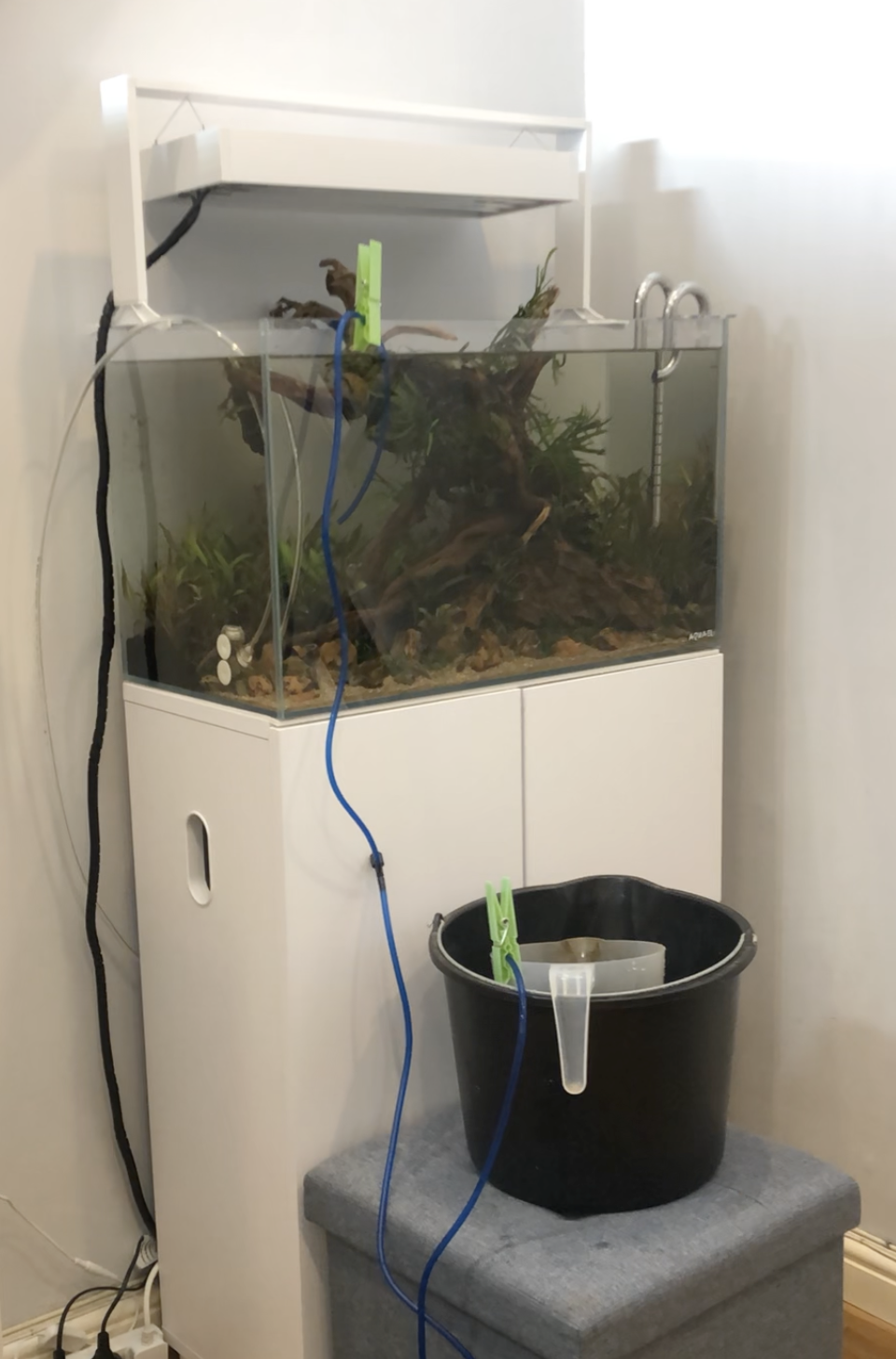
The drip technique slowly mixes tank water with the water in the transport container. This reduces shock from sudden changes in water quality.
- Float bag on tank water for 15-30 minutes
- Open bag and add small amounts of tank water gradually
- Use airline tubing to drip tank water slowly into container
- Drip for 1-2 hours before moving fish to the tank
Using Temperature And Ph Adjustments
Matching temperature and pH between old and new water helps reduce stress. Measure both before adding new species.
Adjust temperature with a heater or cooler and change pH slowly with safe products if needed.
- Check temperature and pH of both waters
- Use aquarium heater to match temperatures
- Adjust pH carefully using aquarium-safe solutions
- Avoid sudden changes to prevent shock
Monitoring New Arrivals
Adding new species to your aquarium needs careful watching. Monitoring helps keep them safe and healthy.
Check new fish often to see how they adjust to the tank’s environment. Early care prevents problems.
Observing Behavior And Health
Watch new species closely to learn how they act in the tank. Normal behavior means they are settling well.
Look for signs like swimming patterns, eating habits, and interaction with other fish. Healthy fish swim actively and eat regularly.
- Check if fish swim smoothly without hiding too much
- See if they eat food within a few minutes
- Notice if they stay close or avoid other fish
- Look for clear eyes and bright colors
Detecting Early Signs Of Stress
Stress can harm new fish quickly. Spotting stress early helps you fix the problem fast.
Signs of stress include slow movement, loss of appetite, and unusual hiding. Check water quality too.
- Fish gasping at the surface or breathing fast
- Clamped fins or pale colors
- Scratching against objects or flashing
- Water testing shows wrong temperature or pH
Feeding And Nutrition Tips
Adding new species to your aquarium needs careful feeding and nutrition. Proper diet helps fish stay healthy and active.
Learning how to feed your new fish correctly supports their growth and reduces stress in your tank.
Introducing Appropriate Diets
Each fish species needs specific food types. Research what your new fish eat in the wild.
Offer a variety of foods like flakes, pellets, frozen, or live foods to match their diet.
- Herbivores need plant-based foods like algae wafers or vegetables.
- Carnivores prefer protein from live or frozen foods like brine shrimp.
- Omnivores eat a mix of both plant and animal foods.
Avoiding Overfeeding
Overfeeding causes water pollution and health problems for fish. Feed small amounts that fish eat in 2-3 minutes.
Feed new fish slowly and observe their eating habits. Remove extra food to keep water clean.
- Feed 1-2 times daily to avoid waste build-up.
- Use feeding schedules to keep consistency.
- Watch for leftover food and reduce portions if needed.
Maintaining Water Quality
Keeping water quality in check is vital for your aquarium. New species need a stable environment to thrive.
Regular testing and proper waste management ensure a healthy aquarium. Follow these steps for success.
Regular Testing And Adjustments
Test your aquarium water weekly. This helps you spot problems early and keep your fish healthy.
- Test pH levels to ensure balance.
- Measure ammonia, nitrite, and nitrate levels.
- Adjust water hardness as needed.
Managing Waste And Filtration
Effective waste management prevents pollution in your aquarium. A good filter is crucial for clean water.
Consider these types of filtration systems:
- Mechanical filtration for debris removal
- Biological filtration for breaking down waste
- Chemical filtration to remove toxins
Handling Quarantine Practices
Introducing new species to your aquarium requires careful planning. Quarantine helps protect your aquatic ecosystem. It prevents diseases from spreading.
Understanding quarantine practices is crucial. This process ensures the health of your aquarium. Follow these steps to keep your fish safe.
Setting Up A Quarantine Tank
A quarantine tank is a separate tank. It is used to observe new fish. It helps in detecting any health issues early.
Setting up a quarantine tank is simple. It requires basic equipment. Ensure proper conditions for fish health.
- Choose a tank size suitable for your new fish.
- Install a filter to maintain water quality.
- Use a heater to keep water temperature stable.
- Add hiding spots for fish comfort.
- Regularly test water parameters.
Treating Diseases Early
Treating diseases early saves your fish. It prevents illness from spreading. Observe new fish closely during quarantine.
Look for signs of stress or illness. This includes unusual behavior or color changes. Early treatment is key to recovery.
| Common Signs | Possible Treatments |
|---|---|
| White spots on body | Anti-parasitic medication |
| Faded colors | Improve water quality |
| Rapid breathing | Check oxygen levels |
Credit: www.practicalfishkeeping.co.uk

Credit: bettabotanicals.com
Frequently Asked Questions
What Is The Best Method To Acclimate New Fish?
The drip acclimation method is best. It slowly adjusts fish to new water conditions, reducing stress and shock. Use a drip line to mix tank water with the transport water over 1-2 hours for optimal results.
How Long Should I Acclimate New Aquarium Species?
Acclimate new species for at least 1 to 2 hours. This slow process helps fish adjust to temperature, pH, and water chemistry differences. Rushing acclimation can cause stress or shock, risking the health of your new aquatic pets.
Why Is Temperature Acclimation Important For New Fish?
Temperature acclimation prevents thermal shock. Sudden temperature changes can stress or kill fish. Gradually matching water temperature ensures fish stay healthy and adapt smoothly to their new environment, promoting their long-term survival in your aquarium.
Can I Acclimate Multiple Species Together?
It’s best to acclimate species separately. Different species have unique needs and stress levels. Acclimating them individually ensures each gets the proper care and reduces risks of disease or aggression during this sensitive period.
Conclusion
Adding new fish to your aquarium takes time and care. Slowly adjusting fish to new water helps them stay healthy. Watch their behavior and water conditions closely. Keep the tank clean and stable for best results. Patience makes the process easier for both you and your fish.
A calm start leads to a happy, thriving aquarium. Enjoy seeing your new fish settle in well.