
How often you change your filter media can make a huge difference in the quality of your air, water, or aquarium environment. If you wait too long, your filter might stop working properly, leading to problems you don’t want to face.
But change it too often, and you could be wasting money and time. So, how do you know the right balance? You’ll discover simple signs and expert tips to help you decide exactly when it’s time to replace your filter media.
Keep reading to keep your system running smoothly and your space healthy.

Credit: www.reddit.com
Importance Of Filter Media
Filter media is a key part of many systems. It helps keep air, water, or other fluids clean.
Changing filter media regularly keeps systems running well and avoids damage.
Role In System Efficiency
Filter media stops dirt and particles from entering machines. Clean filters let systems work smoothly.
- Reduces energy needed to run the system
- Prevents clogs that slow down processes
- Maintains steady flow of air or liquid
- Extends the life of equipment
Impact On Performance
Dirty or old filter media lowers system output. It can cause poor quality and frequent breakdowns.
| Condition of Filter Media | Effect on System |
| New and clean | High efficiency and output |
| Partially clogged | Reduced flow and higher energy use |
| Fully clogged | System failure or damage |
Credit: www.angi.com
Types Of Filter Media
Filter media help keep water clean in tanks and ponds. Different types remove different wastes. Knowing the types helps in choosing and changing them properly.
Each filter media type works in a unique way. Changing them depends on how they function and get dirty over time.
Mechanical Filters
Mechanical filters trap solid particles like dirt and debris. They help clear the water by physically blocking waste.
- Foam pads
- Filter floss
- Sponges
- Filter socks
Change mechanical filter media when clogged or dirty. This keeps water flowing and prevents damage to the filter system.
Biological Filters
Biological filters use beneficial bacteria to break down harmful waste. These bacteria convert ammonia to less harmful substances.
| Filter Media Type | Function | Change Frequency |
| Ceramic Rings | Provide surface for bacteria | Rarely, only if damaged |
| Bio Balls | Support bacterial colonies | Clean gently, do not replace often |
| Plastic Media | Holds bacteria and waste | Replace only if broken or clogged |
Do not change biological media often. Removing too much bacteria harms water quality.
Chemical Filters
Chemical filters remove toxins and impurities using special materials. They improve water clarity and safety.
Common chemical filter media include:
- Activated carbon
- Zeolite
- Phosphate removers
Change chemical media regularly, about every 3 to 4 weeks. This keeps them effective at removing chemicals.
Factors Influencing Replacement Frequency
Knowing how often to change filter media depends on many factors. These factors affect how well the filter works and how long it lasts.
Understanding these factors helps you keep your system clean and running smoothly.
Usage Intensity
Filters that work harder need more frequent changes. The more water or air that passes through, the faster the media clogs.
- High flow rates cause faster wear
- Continuous use shortens media life
- Heavy debris loads require quicker replacement
Environmental Conditions
The environment around the filter affects its lifespan. Dust, dirt, and humidity can impact filter media differently.
| Condition | Effect on Filter Media |
| High Dust | Clogs faster, needs frequent change |
| High Humidity | May cause mold or damage |
| Clean Environment | Longer media life |
Filter Media Quality
Higher quality filter media can last longer and perform better. Cheaper media may need more frequent replacement.
- Material durability
- Filtration efficiency
- Resistance to clogging
Signs It’s Time To Change Filter Media
Filter media cleans water by trapping dirt and particles. Over time, it gets clogged and stops working well. Knowing when to change the filter media keeps water clean and safe.
Look for clear signs that show the filter media needs replacing. These signs help prevent problems and keep your system running smoothly.
Reduced Flow Rate
A slow flow rate means the filter media is clogged. Water moves through the filter slower than usual. This lowers the system’s efficiency and can damage equipment.
Check the flow rate often. If you notice water pressure dropping or water flowing weakly, it is time to change the filter media.
Visible Dirt Accumulation
When filter media looks dirty or has layers of trapped particles, it needs changing. Dirt buildup reduces how well the filter works. It also can cause bad water quality.
Inspect the filter media regularly. If you see visible dirt or clogging, replace the media right away to keep water clean.
- Dark or muddy patches on the media
- Thick layers of trapped debris
- Unusual clumps or sediment buildup
Unusual Odors Or Colors
Bad smells or strange colors in water can mean the filter media is old or dirty. These changes show the media is no longer filtering properly.
Fresh filter media keeps water clear and odor-free. If you notice strong odors or colored water, change the filter media soon to avoid health risks.
Recommended Replacement Intervals
Changing filter media regularly keeps systems clean and working well. Each type of system needs different intervals to replace filters.
Knowing when to change filters helps avoid damage and keeps air or water pure. This guide shows common replacement times for home, aquarium, and industrial filters.
Home Appliances
Filters in home appliances like air purifiers and vacuum cleaners trap dust and allergens. Replace filters often to keep air fresh and machines efficient.
- Air purifier filters: every 3 to 6 months
- Vacuum cleaner bags or filters: every 2 to 3 months
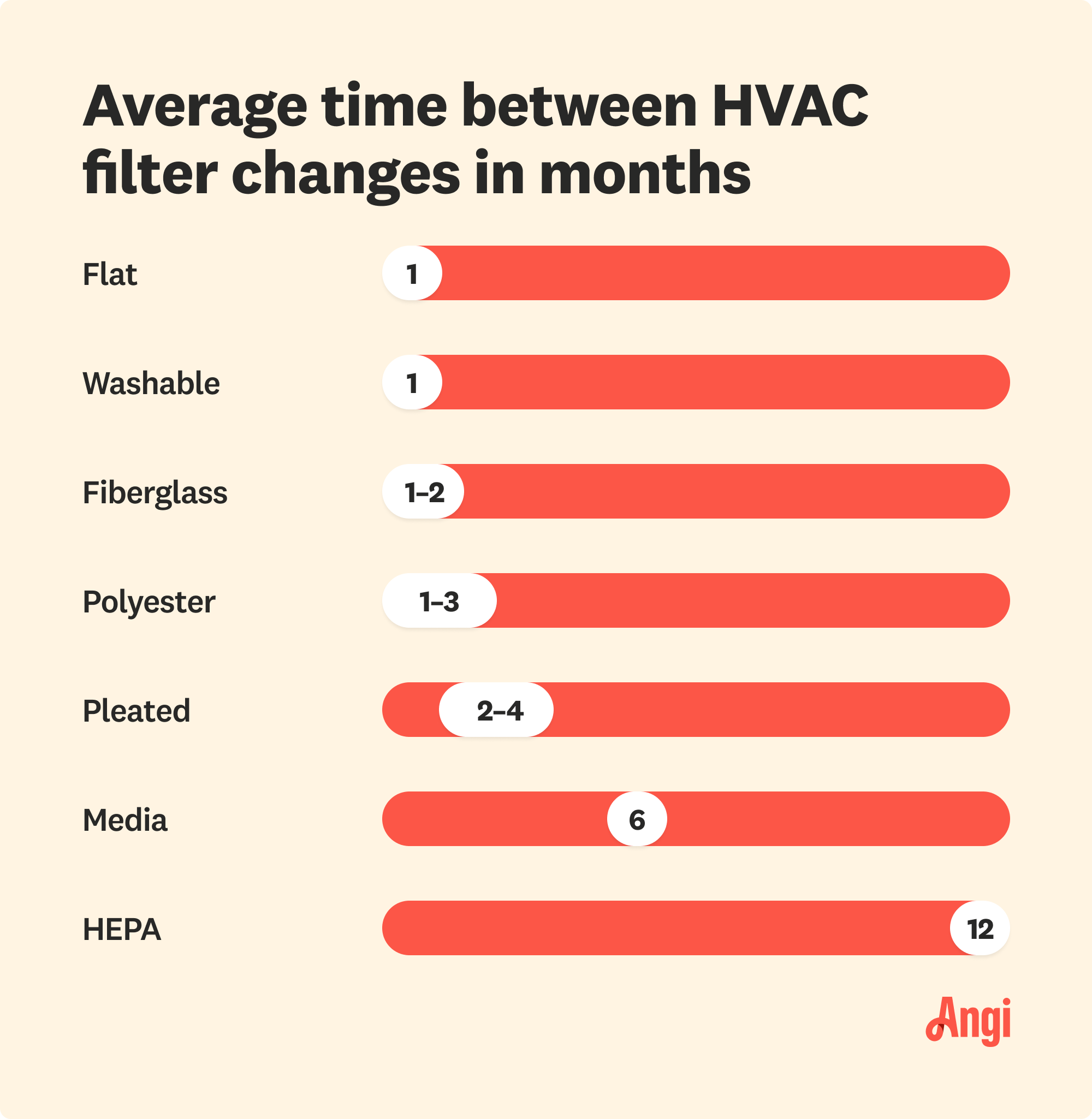
- HVAC system filters: every 1 to 3 months
Aquariums
Aquarium filter media keeps water clean and safe for fish. Different media types need changing at different times to keep water healthy.
| Filter Media Type | Recommended Replacement |
| Mechanical (sponges, pads) | Every 2 to 4 weeks |
| Chemical (activated carbon) | Every 3 to 4 weeks |
| Biological (bio balls, ceramic rings) | Replace only if damaged |
Industrial Systems
Industrial filters handle large volumes and harsh conditions. Replacement depends on usage and pollutant levels. Proper timing avoids costly downtime.
- Air filters in factories: every 1 to 6 months
- Water treatment filters: every 6 to 12 months
- Oil and hydraulic filters: every 3 to 6 months
Best Practices For Filter Media Maintenance
Filter media is essential for keeping your environment clean and safe. Regular maintenance ensures filters work effectively and last longer.
Following best practices can help avoid damage and ensure optimal performance. Let’s explore the steps involved in maintaining filter media.
Regular Inspections
Checking your filter media often helps catch problems early. Look for signs of wear or damage.
Inspect filters monthly to ensure they are clean and not clogged. This helps maintain air quality and equipment efficiency.
- Check for tears or holes
- Look for dust buildup
- Ensure proper fit in its housing
Proper Cleaning Techniques
Cleaning filters extends their life and keeps them efficient. Use gentle methods to avoid damage.
Rinse washable filters with water. Let them dry completely before reinstalling to prevent mold growth.
- Use a soft brush for dust removal
- Rinse under low pressure water
- Do not use harsh chemicals
Safe Replacement Procedures
Replacing filters safely prevents damage to the system. Follow proper steps for removal and installation.
Turn off the system before removing old filters. Ensure new filters fit snugly without gaps.
- Turn off power to the unit
- Remove old filter gently
- Install new filter with correct orientation
Consequences Of Neglecting Filter Changes
Changing filter media is crucial for maintaining system efficiency. Ignoring this can lead to several problems.
Below, we explore the main consequences of neglecting filter changes in your system.
Decreased Efficiency
When filters are not changed, efficiency drops. Systems work harder and use more energy.
- Clogged filters block airflow.
- Energy consumption increases.
- Performance of the system declines.
System Damage
Ignoring filter changes can lead to system damage. Components may wear out faster.
| Component | Potential Damage |
| Motor | Overheating |
| Fans | Reduced lifespan |
| Compressor | Failure risk |
Health Risks
Old filters can become a health risk. They may harbor dust and allergens.
Credit: www.lakeair.com
Choosing The Right Filter Media
Choosing the right filter media is key to keeping your system clean and working well. Different media types suit different needs and environments.
Knowing the strengths and limits of each filter media helps you pick one that fits your setup and budget.
Compatibility Considerations
Not all filter media work with every system. You must check the media’s size, shape, and material. It should fit well without blocking flow or damaging parts.
- Match media size to filter housing
- Avoid materials that react with water or chemicals
- Check if media supports your filter’s flow rate
- Use media approved for your water type (fresh, salt, or waste)
Longevity And Durability
Filter media should last long enough to avoid frequent replacements. Durable media saves time and effort over months.
| Filter Media Type | Average Lifespan | Durability Notes |
| Foam | 3-6 months | Can tear or degrade with heavy use |
| Carbon | 4-8 weeks | Needs quick replacement after saturation |
| Ceramic | 6-12 months | Very durable, needs cleaning |
| Bio Balls | 1+ year | Long-lasting, supports beneficial bacteria |
Cost Vs. Performance
Cost is important but think about how well the media cleans and lasts. The cheapest option may cost more over time.
- Cheap media may clog faster and need more changes
- High-quality media often offers better filtration and durability
- Balance initial cost with how often you replace media
- Consider your filter’s needs and water quality
Frequently Asked Questions
How Often Should I Change Aquarium Filter Media?
Change aquarium filter media every 3 to 4 weeks for optimal performance. Some mechanical media may need more frequent replacement. Biological media usually lasts longer but monitor for clogging. Regular changes maintain water quality and fish health.
What Factors Affect Filter Media Replacement Frequency?
Filter media replacement depends on tank size, fish load, and filter type. Heavily stocked tanks require more frequent changes. Mechanical media clogs faster than biological media. Always check manufacturer guidelines and observe water clarity to decide replacement timing.
Can I Reuse Filter Media After Cleaning?
Yes, you can reuse biological filter media after gentle rinsing. Avoid harsh chemicals or hot water to preserve beneficial bacteria. Mechanical media may need replacement if clogged or damaged. Proper cleaning extends media life and maintains filtration efficiency.
What Happens If I Don’t Change Filter Media Regularly?
Neglecting filter media changes can cause poor water quality and fish stress. Clogged media reduces filtration efficiency, leading to ammonia and nitrite buildup. This can cause algae growth and unhealthy tank conditions. Regular maintenance prevents these issues.
Conclusion
Changing filter media regularly keeps your system clean and efficient. Check the manufacturer’s guide for the best schedule. Signs like reduced flow or dirty water show it’s time to replace. Clean media helps maintain good water quality and extends equipment life.
A simple routine saves time and money later. Keep an eye on your filter and act promptly. Proper care makes your system work better and last longer. Small steps matter for a healthy environment. Stay consistent, and your filter will perform well every day.