
If you have a large aquarium, you know how important it is to have a stand that can safely support its weight. A heavy-duty aquarium stand isn’t just furniture—it’s the foundation that protects your investment and keeps your aquatic world secure.
You want stability, durability, and style all wrapped into one. You’ll discover what makes a stand truly heavy-duty, how to choose the right one for your tank, and tips to ensure it lasts for years. Keep reading to find out how to give your aquarium the strong support it deserves.
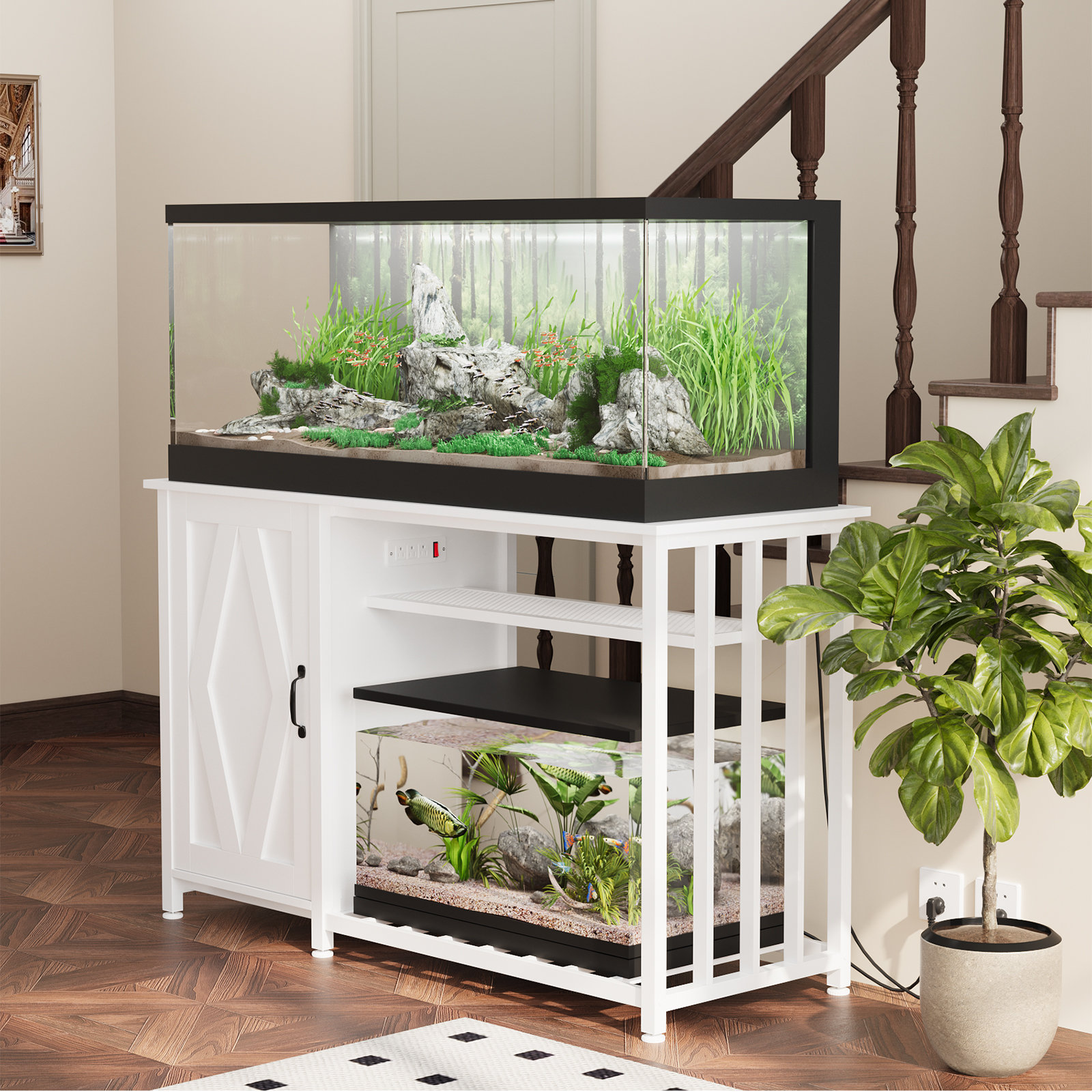
Credit: www.wayfair.ca
Why Heavy-duty Stands Matter
Large aquariums hold a lot of water and decorations. This makes them very heavy. A strong stand is needed to keep the aquarium safe and stable.
Choosing the right stand helps protect your aquarium and ensures it lasts a long time. This guide explains why heavy-duty stands are important.
Weight Challenges Of Large Aquariums
Large aquariums can weigh hundreds of pounds. This weight comes from water, gravel, rocks, and fish. The stand must support all this weight without bending or breaking.
- Water alone weighs about 8.34 pounds per gallon.
- Decorations add extra weight that the stand must hold.
- Uneven weight can cause stress on parts of the stand.
- A weak stand can lead to cracks or collapse.
Safety Considerations
A heavy-duty stand keeps your aquarium stable and secure. This prevents accidents that can harm pets and people. Safety is the top priority with large tanks.
| Risk | Cause | How a Heavy-Duty Stand Helps |
| Tank Collapse | Weak structure | Supports full weight evenly |
| Water Spills | Stand tipping | Prevents tipping with strong base |
| Injury | Falling glass or water | Reduces chance of accidents |
Longevity And Durability
Heavy-duty stands last longer. They resist warping and damage from moisture. This protects your investment over many years.
- Made with strong, water-resistant materials
- Designed to handle heavy loads safely
- Easy to maintain and clean
- Built to resist rust and rot
Materials That Deliver Strength
Choosing the right material is key for a strong aquarium stand. The stand must support heavy tanks safely.
Different materials offer unique benefits. Here, we look at steel, solid wood, and reinforced composites.
Steel Frames
Steel frames provide excellent strength and durability. They resist bending and can hold very heavy loads.
- Steel is strong and long-lasting.
- It resists warping under weight.
- Steel frames often have a sleek, modern look.
- They require protective coatings to avoid rust.
Solid Wood Options
Solid wood is a classic choice. It offers natural beauty and good strength for aquarium stands.
| Type of Wood | Strength | Durability |
| Oak | High | Very Durable |
| Maple | Medium-High | Durable |
| Pine | Medium | Less Durable |
Reinforced Composites
Reinforced composites mix materials like plastic and fibers. They offer strength and resistance to moisture.
Advantages of reinforced composites:
- Lightweight but strong
- Resistant to water damage
- Often customizable in shape and size
- Low maintenance over time
Design Features For Stability
Heavy-duty aquarium stands must be very stable to hold large tanks safely. Stability helps prevent accidents and protects the aquarium.
Good design includes ways to spread weight, add support, and keep the stand level on uneven floors. These features work together for strong stability.
Load Distribution Techniques
Load distribution spreads the tank’s weight across the stand evenly. This prevents stress on any one part of the stand.
Using wide surfaces and thick materials helps carry heavy loads. Solid shelves and strong frames support the tank well.
- Wide top boards spread the tank weight
- Strong, thick wood or metal frames hold more weight
- Even contact points reduce pressure spots
Cross-bracing And Supports
Cross-bracing adds extra strength to the stand. It stops the frame from twisting or wobbling under heavy weight.
Diagonal braces and support beams create a solid frame. These parts keep the stand steady and safe for large aquariums.
- Diagonal braces connect legs for better stability
- Horizontal supports hold shelves firmly
- Braces prevent side-to-side movement
Adjustable Feet And Leveling
Adjustable feet help the stand stay level on uneven floors. This prevents the tank from tipping or putting stress on one side.
Leveling the stand keeps water balanced inside the aquarium. It also protects the stand from damage over time.
- Screw-in feet adjust to floor height
- Rubber pads stop slipping and protect floors
- Easy to adjust for perfect leveling
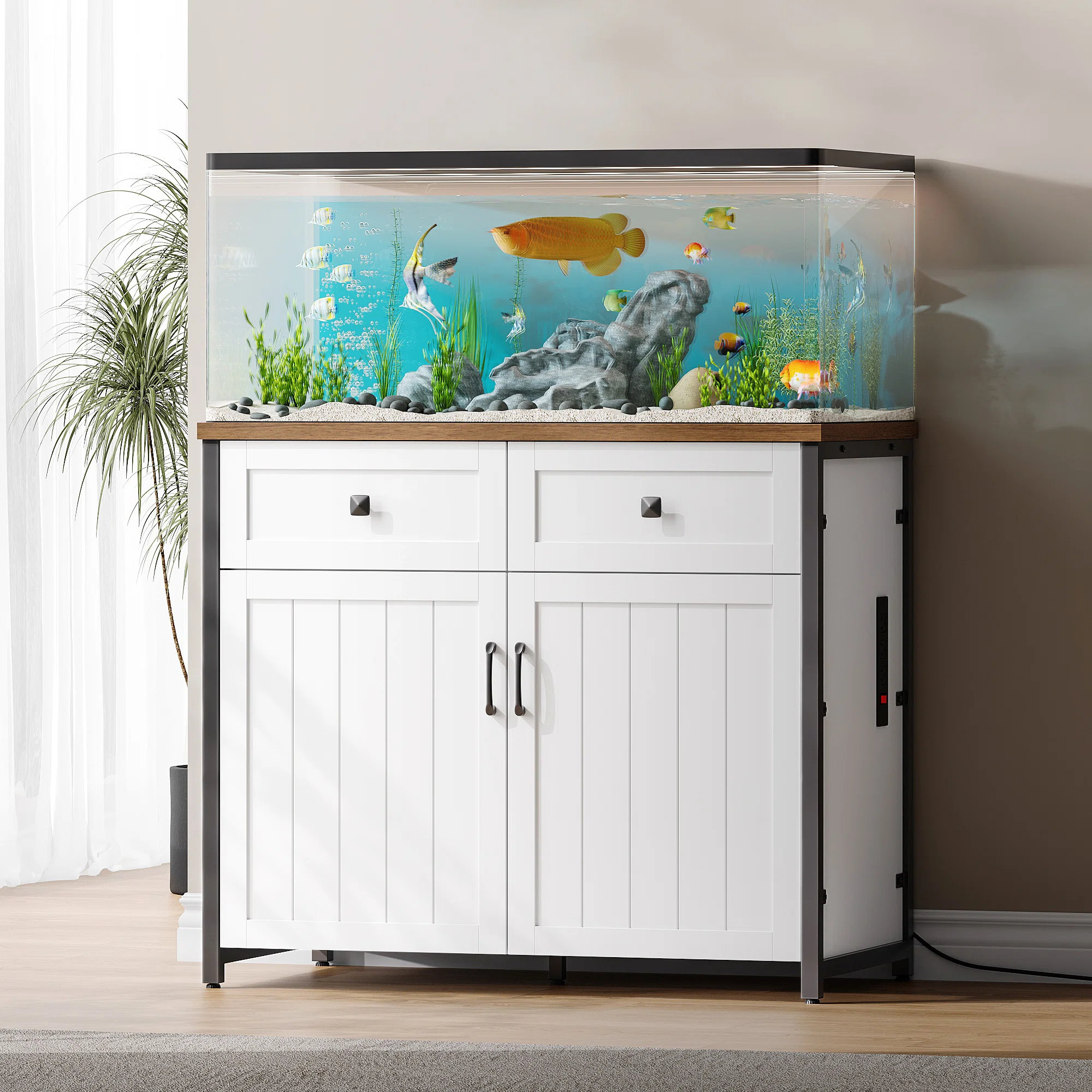
Credit: www.wayfair.ca
Custom Vs. Pre-made Stands
Heavy-duty aquarium stands hold large tanks safely. Choosing the right stand is important for stability.
There are two main options: custom-built stands and pre-made stands. Each has its own advantages.
Benefits Of Custom Builds
Custom stands fit your exact tank size and room space. You can choose the materials and design style.
They offer strong support tailored to heavy tanks. You can add shelves or storage to keep supplies.
- Perfect fit for any tank size
- Materials chosen for strength and look
- Extra storage and features possible
- Designed to match your room decor
Popular Pre-made Models
Pre-made stands come in standard sizes and styles. They are ready to buy and set up quickly.
Many models use metal or wood frames. Some include built-in cabinets or shelves for convenience.
- Metal stands with powder coat finish
- Wooden stands with cabinet doors
- Steel frames for heavy tanks
- Modular designs for easy assembly
Cost Comparison
Custom stands usually cost more due to design and materials. Labor also adds to the price.
Pre-made stands have lower upfront costs. They are mass-produced and easy to find.
| Type | Cost Range | Notes |
| Custom Stand | $300 – $1500+ | Depends on size, materials, and features |
| Pre-Made Stand | $100 – $500 | Standard sizes, less customization |
Installation And Maintenance Tips
Heavy-duty aquarium stands need careful installation to support the tank safely. Proper maintenance keeps them strong and looking good.
Use the tips below to help your stand last longer and keep your aquarium secure.
Proper Assembly Practices
Follow the instructions carefully when building your aquarium stand. Use all the parts provided and tighten screws firmly.
- Clear a flat area to assemble the stand.
- Lay out all pieces and hardware.
- Attach the frame parts securely.
- Double-check that all bolts and screws are tight.
- Place the stand on a level surface to avoid rocking.
Regular Inspection Routines
Check your aquarium stand often for signs of wear or damage. Look closely at joints and corners for cracks or loosened bolts.
| Inspection Item | What to Look For | Action Needed |
| Bolts and Screws | Loose or missing | Tighten or replace |
| Wood or Metal Frame | Cracks, warping, rust | Repair or treat affected areas |
| Level of Stand | Uneven or tilted | Adjust placement or surface |
| Surface Finish | Peeling or damage | Refinish or protect |
Protecting Against Moisture Damage
Moisture can weaken your aquarium stand over time. Use these tips to keep water away from the material.
- Place waterproof mats under the aquarium to catch spills.
- Wipe up water immediately after any leaks or splashes.
- Apply a water-resistant sealant to wooden stands yearly.
- Keep the stand away from damp walls or floors.
- Ensure good room ventilation to reduce humidity.
Choosing The Right Stand For Your Tank
Heavy-duty aquarium stands are essential for supporting your tank. Choosing the right stand ensures your tank is safe and stable.
Consider factors like size, room layout, budget, and quality when selecting a stand. These aspects help you find the perfect match for your aquarium.
Matching Stand To Aquarium Size
The stand should match the size of your aquarium. A mismatched stand can cause imbalance and risk damage to your tank.
- Measure your aquarium’s length and width
- Ensure the stand can support the tank’s weight
- Choose a stand designed for your tank’s dimensions
Considering Room Layout
Think about where you will place the aquarium in your room. The layout affects the stand’s appearance and functionality.
Consider space for maintenance and room decor. A well-placed aquarium enhances the room’s look.
- Avoid placing the aquarium in direct sunlight
- Ensure easy access for cleaning and feeding
- Match the stand’s style with your room’s decor
Budget And Quality Balance
Balance your budget with the quality of the stand. A strong, durable stand is worth the investment to protect your aquarium.
Compare prices and materials of different stands. Look for options that offer both affordability and sturdiness.
- Wood and metal stands offer good durability
- Check for stands with water-resistant coatings
- Read reviews for reliability and user satisfaction

Credit: www.amazon.ca
Frequently Asked Questions
What Materials Are Best For Heavy-duty Aquarium Stands?
Steel and hardwood are ideal for heavy-duty aquarium stands. They provide strong support and resist moisture damage, ensuring durability and safety for large tanks.
How Much Weight Can Heavy-duty Aquarium Stands Support?
Heavy-duty aquarium stands can support between 200 to 1000 pounds or more. Weight capacity depends on materials used and construction quality.
Are Heavy-duty Aquarium Stands Customizable?
Yes, many heavy-duty aquarium stands are customizable. You can adjust size, finish, and storage options to fit your aquarium and room decor.
How Do Heavy-duty Stands Prevent Tank Damage?
They distribute weight evenly and provide stable support. This prevents warping, cracking, or leaks in the aquarium over time.
Conclusion
Heavy-duty aquarium stands provide strong support for large tanks. They keep your aquarium safe and stable. Choosing the right stand helps avoid accidents and damage. Stands made with quality materials last longer and hold more weight. A sturdy stand also makes your aquarium look neat and organized.
Invest time in finding a stand that fits your space well. This choice protects your fish and enhances your room’s style. Trust a heavy-duty stand for peace of mind and a beautiful display. Solid support matters for every aquarium owner.