
Is your heater not working like it used to? You rely on it to keep your home warm and comfortable, especially when the cold sets in.
When it breaks down or acts up, it can be frustrating and stressful. But don’t worry—understanding simple heater troubleshooting and maintenance can save you time, money, and discomfort. You’ll discover easy steps to diagnose common heater problems and practical tips to keep your system running smoothly all season long.
Keep reading—you’ll be glad you did when the chill starts creeping in.
Common Heater Issues
Heaters are important for comfort during cold days. They can stop working well sometimes. Knowing common problems helps with quick fixes.
This guide covers frequent heater issues. You will learn about no heat, uneven warmth, strange sounds, cycling problems, and pilot light troubles.
No Heat Production
Your heater may turn on but not produce heat. This can happen if the thermostat is set too low or if the power supply is off.
Other causes include:
- Dirty or clogged filters
- Faulty heating elements
- Tripped circuit breakers
- Gas supply issues in gas heaters
Uneven Heating
Some rooms may feel colder than others. This happens if vents are blocked or if the heater is too small for your space.
Check these points to fix uneven heat:
| Cause | Solution |
|---|---|
| Blocked air vents | Clear any obstructions |
| Improper heater size | Consult a professional for upgrade |
| Poor insulation | Seal windows and doors |
Strange Noises
Heaters can make popping, banging, or rattling sounds. Dust buildup or loose parts cause this noise.
Try these tips:
- Clean or replace filters
- Tighten any loose screws or bolts
- Check for air bubbles in pipes (for hydronic heaters)
Frequent Cycling
Heaters that turn on and off often have short cycling problems. This wastes energy and wears out parts.
Common reasons include:
- Thermostat issues
- Dirty filters
- Oversized heater
- Blocked airflow
Pilot Light Problems
The pilot light may go out or burn weakly. This stops gas heaters from producing heat.
Check the following:
- Dirty or clogged pilot light tube
- Faulty thermocouple
- Gas supply interruptions
- Drafts near the heater

Credit: allbetterapp.com
Basic Troubleshooting Steps
Heaters sometimes stop working properly. You can fix many common problems yourself. This guide helps you find and solve basic heater issues.
Follow these simple steps to keep your heater running well and stay warm during cold days.
Checking Power Supply
Make sure your heater is plugged in securely. Check the power switch and circuit breaker. If the heater has batteries, test or replace them.
Inspecting Thermostat Settings
Check if the thermostat is set to a temperature higher than the room’s current temperature. Make sure it is in heating mode and the batteries are fresh if it uses any.
Resetting The Heater
Resetting can clear simple errors. Turn off the heater and unplug it. Wait a few minutes, then plug it back in and turn it on. This often helps restore normal function.
Examining Air Filters
Dirty air filters reduce heater efficiency and air flow. Check the filter and clean or replace it if it looks clogged or dusty.
- Turn off the heater before removing the filter.
- Remove the filter carefully.
- Clean washable filters with water and dry completely.
- Replace disposable filters with a new one.
- Reinstall the filter securely.
Verifying Fuel Supply
| Fuel Type | What to Check | Action |
| Gas | Gas valve open, gas line connected | Open valve, call technician if leak suspected |
| Oil | Oil level, oil filter condition | Refill tank, replace filter if clogged |
| Propane | Tank level, valve position | Replace tank or refill, open valve |
Heater Maintenance Tips
Keeping your heater in good shape saves energy and money. Regular maintenance helps your heater work well all winter.
Follow simple steps to keep your heater clean and efficient. These tips help prevent breakdowns and improve air quality.
Regular Cleaning
Clean your heater’s surface and parts regularly. Dust and dirt can block airflow and reduce heat output.
- Turn off the heater before cleaning
- Use a soft cloth to wipe outside surfaces
- Vacuum vents and grills to remove dust
- Clean around the heater to keep the area clear
Replacing Filters
Filters trap dust and dirt from the air. Change them often to keep the heater working well and air clean.
- Check the filter every month during use
- Replace disposable filters as recommended
- Clean reusable filters with water and dry fully
- Keep spare filters on hand for quick changes
Lubricating Moving Parts
Lubricate parts that move to avoid noise and wear. This keeps the heater running smoothly and lasts longer.
Apply a few drops of oil to fan motors and bearings. Avoid over-lubricating or using the wrong oil.
Checking Vents And Ducts
Blocked vents and ducts lower heater efficiency and cause poor air flow. Check them often for obstructions.
| Check | What to Look For | Action |
| Vents | Dust, dirt, or furniture blocking | Clean or move items away |
| Ducts | Leaks, holes, or blockages | Seal leaks or call a pro |
| Registers | Closed or damaged parts | Open or replace if needed |
Scheduling Professional Inspections
Get a professional to inspect your heater yearly. Experts find issues you might miss and keep your heater safe.
- Book inspection before heating season
- Ask for a safety and efficiency check
- Follow any repair advice given
- Keep records of all inspections

Credit: www.legacyheating.ca
Safety Precautions
Heaters can keep your home warm, but they need careful use. Safety is important to avoid accidents and health risks.
Follow simple rules to keep yourself and your family safe while using heaters.
Avoiding Carbon Monoxide Risks
Carbon monoxide is a dangerous gas from heaters that burn fuel. It has no smell or color, so you cannot see or smell it.
- Install carbon monoxide detectors near sleeping areas.
- Never use fuel-burning heaters in closed rooms without ventilation.
- Have your heater checked by a professional each year.
- Do not use a gas stove or oven to heat your home.
Proper Ventilation
Good airflow helps remove harmful gases and keeps fresh air inside. Always keep vents and windows open slightly when a heater runs.
Make sure your heater is connected to a vent pipe that leads outside if it uses gas or fuel.
Handling Gas Leaks
Gas leaks are dangerous and can cause fires or explosions. Learn to recognize signs of a leak and act fast.
| Signs of Gas Leak | What to Do |
| Smell of rotten eggs | Open windows and doors. Do not use electrical switches. |
| Hissing sound near heater | Turn off gas supply and leave the area immediately. |
| Dizziness or headache | Get fresh air and call emergency services. |
Using Heaters Safely Indoors
Heaters need careful use inside homes. Keep flammable items away and never leave heaters unattended.
- Place heaters on flat, stable surfaces.
- Keep heaters at least three feet from curtains, furniture, and bedding.
- Turn off heaters before sleeping or leaving the room.
- Use heaters with automatic shut-off features if possible.
When To Call A Professional
Heaters are essential for comfort during cold months. But they can sometimes stop working properly. Knowing when to call a professional can save you time and stress.
Some issues need expert help to ensure safety and efficiency. Below are common heater problems that may require professional service.
Persistent Malfunctions
If your heater keeps having the same issue, it might need expert care. Repeated problems can signal underlying issues that need professional tools and skills.
Experts can diagnose complex problems and fix them quickly. This prevents further damage to your heater.
Electrical Issues
Electrical problems can be dangerous. If your heater trips the circuit breaker or has wiring issues, call an expert. Handling electricity without proper knowledge can lead to accidents.
Experts have the right tools to safely resolve electrical issues. They can ensure your heater works safely and efficiently.
Gas Heater Concerns
Gas heaters can pose safety risks if not handled correctly. If you smell gas or suspect a leak, call a professional immediately. Gas leaks can be very dangerous.
Professionals are trained to deal with gas-related issues safely. They can fix leaks and check for other potential problems.
Installation And Replacement
Installing or replacing a heater requires specific skills. A professional can ensure the job is done right. This prevents future problems and ensures your heater works efficiently.
Experts can recommend the best heater for your space. They can also ensure proper installation, which is crucial for safety and performance.
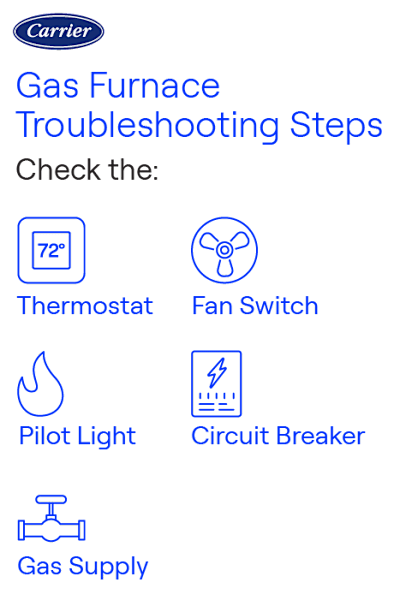
Credit: www.carrier.com
Energy Saving Tips
Saving energy with your heater helps cut costs and protect the environment.
Small changes in how you use and maintain your heater can make a big difference.
Optimizing Thermostat Use
Set your thermostat to the lowest comfortable temperature in winter. Avoid big changes that force the heater to work hard.
- Lower the thermostat at night or when away
- Use a thermostat with a temperature lock to prevent changes
- Keep doors and windows closed to keep heat in
Insulating Your Home
Proper insulation keeps warm air inside and cold air out. This reduces heater workload and energy use.
| Area | Insulation Tip | Energy Saving Impact |
| Walls | Use thick insulation materials | High |
| Attic | Seal gaps and add insulation | Very High |
| Windows | Install double-glazed glass | Medium |
| Doors | Add weather stripping | Medium |
Using Programmable Timers
Timers turn your heater on and off at set times. This saves energy by heating only when needed.
- Set timers to warm the house before you wake up
- Turn off heating during work hours
- Use weekly programming for regular schedules
Maintaining Heater Efficiency
Regular heater maintenance keeps it running well and uses less energy. Clean parts and fix issues fast.
| Maintenance Task | Frequency | Benefit |
|---|---|---|
| Clean or replace filters | Monthly or as needed | Better airflow, less energy |
| Check vents and ducts | Yearly | Improved heat distribution |
| Inspect heater parts | Yearly | Prevents breakdowns |
| Remove dust and debris | Monthly | More efficient heating |
Frequently Asked Questions
How Do I Fix A Heater That Won’t Turn On?
Check the power supply and thermostat settings first. Ensure the circuit breaker isn’t tripped. Replace batteries in the thermostat if needed. If the heater still won’t start, inspect the pilot light or ignition system. Call a professional if problems persist.
Why Is My Heater Making Strange Noises?
Noises may indicate loose parts, debris in the system, or a failing motor. Regular maintenance can prevent this. Tighten screws and clean the heater’s interior. If noises continue, contact a technician to avoid further damage.
How Often Should I Maintain My Heater?
Heaters should be serviced at least once a year, preferably before winter. Regular maintenance improves efficiency and extends lifespan. Clean or replace filters monthly during heavy use. Professional inspections prevent costly repairs and ensure safe operation.
What Causes Uneven Heating In Rooms?
Uneven heating often results from blocked vents, dirty filters, or improper thermostat placement. Check and clear air vents. Replace filters regularly. Ensure the thermostat is away from drafts or heat sources. Balancing the airflow improves overall comfort.
Conclusion
Regular heater care saves money and keeps your home warm. Check parts often and clean dust to avoid problems. Small issues fix fast and stop bigger damage. Stay safe by following basic maintenance steps. Trust your heater to work well all winter long.
Simple actions bring comfort and peace of mind. Keep your heater ready, so cold days stay cozy.