
Imagine waking up on a cold morning only to find your heater won’t turn on. Or worse, sparks flying from your heater causing a dangerous short circuit.
You rely on your heater to keep you warm and safe, so preventing short circuits is crucial. You’ll discover simple yet effective ways to protect your heater and your home from electrical hazards. Keep reading to learn how you can avoid costly repairs and keep your heating system running smoothly all winter long.
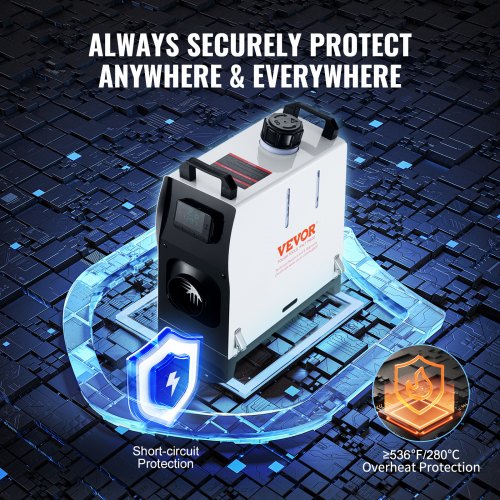
Credit: www.vevor.ca
Common Causes Of Heater Short Circuits
Heater short circuits can cause serious problems in homes. They can stop your heater from working. They can also create fire risks.
Understanding what causes these short circuits helps prevent damage. This guide covers common reasons for heater short circuits.
Electrical Overloads
Electrical overloads happen when too much power runs through the heater. This extra power can cause wires to heat up and short circuit.
Overloads often happen if many devices use the same circuit. The heater’s safety parts may fail under heavy load.
Damaged Wiring
Wiring that is broken or worn out can cause short circuits. Damage may come from pests, heat, or age.
Exposed wires can touch each other or metal parts. This creates a path for electricity that leads to a short.
Moisture Exposure
Moisture can enter heater parts from leaks or humidity. Water creates a bridge for electricity to flow incorrectly.
When moisture mixes with electrical parts, it can cause a short circuit and damage the heater.
Faulty Components
Parts inside the heater can wear out or break. Faulty components may cause sparks or short circuits.
Common faulty parts include switches, thermostats, and heating elements. These need regular checks and replacements.
Signs Of Potential Short Circuits
Short circuits in heaters can cause serious damage and safety risks. Detecting warning signs early helps prevent accidents.
Watch closely for unusual changes in your heater’s performance and surroundings. These signs often indicate electrical problems.
Unusual Smells
A burning or metallic smell near your heater often signals electrical trouble. These odors come from overheating wires or components.
Do not ignore these smells. They can mean insulation is melting or wires are sparking inside the heater.
Sparking Or Flickering
Sparks or flickering lights around the heater show that electricity is not flowing safely. This issue can cause fires if left unchecked.
- Look for small sparks at plug points or switches.
- Notice if lights flicker when the heater runs.
- Check for visible damage on wires or plugs.
Frequent Breaker Trips
If your circuit breaker trips often when using the heater, it may mean a short circuit is happening inside the device or wiring.
| Cause | Effect | Action |
|---|---|---|
| Damaged wiring | Breaker trips frequently | Inspect and replace wiring |
| Overloaded circuit | Heater causes power shut off | Reduce load or upgrade circuit |
| Faulty heater component | Electrical faults and trips | Repair or replace heater |
Overheating Surfaces
Heater parts that feel very hot can mean internal short circuits. Overheating damages parts and risks fire.
Check these heater spots for heat:
- Heater casing and vents
- Power cord near the plug
- Switches and control knobs
Preventive Measures For Safety
Heater short circuits can cause serious safety hazards. Taking preventive steps reduces risks and protects your home.
Focus on regular checks, correct setup, quality parts, and circuit limits to keep heaters safe and reliable.
Regular Inspection And Maintenance
Check heaters often for signs of wear or damage. Look for frayed wires, scorch marks, and loose connections.
- Inspect wiring and plugs every month
- Clean dust and debris from heater vents
- Test safety switches regularly
- Replace worn or damaged parts immediately
Proper Installation Techniques
Install heaters following the manufacturer’s instructions. Use the right tools and materials for secure connections.
Make sure the heater is grounded and mounted away from flammable materials.
Use Of Quality Components
Choose parts that meet safety standards. Cheap or poor-quality components can fail and cause short circuits.
| Component | Quality Standard | Reason |
| Wires | UL Listed | Safe current capacity |
| Switches | CE Certified | Reliable operation |
| Fuses | IEC Approved | Proper circuit protection |
Avoiding Overloading Circuits
Do not connect too many devices to the same circuit. Overloading causes overheating and short circuits.
Follow these tips to avoid overload:
- Check the circuit’s maximum load
- Use dedicated circuits for heaters
- Unplug devices not in use
- Distribute electrical load evenly

Credit: www.callacs.com
Safety Devices And Technologies
Heaters can cause short circuits if not protected properly. Safety devices help stop electrical problems early. This keeps homes and people safe.
Many technologies work to prevent heater short circuits. These devices detect faults and cut the power fast. They protect wires and prevent fires.
Circuit Breakers
Circuit breakers stop electricity if a short circuit happens. They switch off power automatically. This stops damage and fire risks.
They reset easily after fixing the problem. Circuit breakers protect heaters and home wiring from overloads and faults.
Ground Fault Circuit Interrupters (gfcis)
GFCIs sense small leaks of electricity to the ground. They shut off power quickly to stop shocks or fires. This is important near water.
Heaters used in bathrooms or kitchens should have GFCIs. These devices add extra safety by detecting ground faults fast.
Surge Protectors
Surge protectors guard heaters from power spikes. They block sudden high voltage that can cause short circuits. This protects the heater’s parts.
Using surge protectors helps heaters last longer and stay safe during storms or power issues.
Energy Efficiency Tips
Heaters use a lot of electricity. Saving energy helps lower bills and protect the environment.
Simple steps can stop heater short circuits and improve energy use. These tips help you stay safe and save money.
Optimizing Heater Settings
Set your heater to a comfortable temperature. Avoid setting it too high or too low.
Use timers or turn off heaters when not needed. This reduces energy waste and the risk of short circuits.
Insulation And Sealing
Good insulation keeps heat inside your home. This means the heater works less and uses less energy.
Seal gaps around doors and windows. This stops cold air from entering and warm air from escaping.
- Use weather stripping on windows and doors
- Fill cracks with caulk
- Install door sweeps to block drafts
Smart Thermostats
Smart thermostats adjust heating based on your schedule. They save energy by heating only when needed.
These devices can detect temperature changes and prevent overheating, reducing the risk of short circuits.
- Set heating to turn off when you leave
- Lower temperature while sleeping
- Use app controls for easy adjustments
Routine Cleaning
Dust and dirt can block heater vents and cause overheating. Clean your heater regularly to keep it safe.
Check wires and plugs for damage. Fixing small issues can prevent short circuits and improve energy use.
- Vacuum heater vents monthly
- Wipe surfaces with a dry cloth
- Inspect power cords for wear

Credit: www.youtube.com
When To Call A Professional
Heater short-circuits can be dangerous. Knowing when to call an expert can prevent hazards. It’s important to address these issues promptly for safety.
Professionals have the tools and knowledge to fix complex problems. They ensure everything is safe and works properly.
Complex Electrical Issues
Some electrical problems are hard to diagnose. Wiring and circuit issues are often hidden. A professional can find and fix these issues safely.
They have special equipment to test and repair complex electrical faults. This prevents further damage and ensures safety.
- Hidden wiring problems
- Tripped circuit breakers
- Frequent power outages
Persistent Short Circuit Signs
Short circuit signs that keep occurring need expert help. Burnt smells, sparks, or flickering lights are warning signs. Call a professional if these happen often.
Ignoring these signs can lead to bigger issues. Professionals can find the root cause and fix it permanently.
- Frequent tripping of breakers
- Scorch marks near outlets
- Repeated short-circuits
Upgrading Old Systems
Older systems might not handle modern appliances. Upgrading these systems can prevent short-circuits. Professionals know how to update wiring safely.
They can assess your current setup and suggest necessary upgrades. This ensures your home is safe and up to code.
- Outdated wiring
- Incompatible circuit breakers
- Insufficient power capacity
Frequently Asked Questions
What Causes Heater Short Circuits Most Often?
Heater short circuits are mainly caused by damaged wiring, moisture, or faulty components. Regular inspections help identify risks early and prevent electrical faults, ensuring safety and efficiency.
How Can I Prevent Heater Short Circuits At Home?
Ensure proper wiring, avoid moisture exposure, and schedule regular maintenance. Use circuit breakers and fuses to protect heaters from electrical overloads and short circuits effectively.
Are There Specific Heaters Prone To Short Circuits?
Older or poorly maintained heaters are more prone to short circuits. Modern heaters with safety features reduce this risk significantly, making them a safer choice for your home.
What Safety Devices Help Avoid Heater Short Circuits?
Circuit breakers, fuses, and ground fault circuit interrupters (GFCIs) protect heaters. These devices detect faults and cut power, preventing damage and electrical hazards.
Conclusion
Preventing heater short circuits keeps your home safe and warm. Regular checks help spot problems early. Use quality parts and avoid overloading circuits. Simple habits protect your heater and reduce fire risks. Stay alert to unusual smells or sounds from your heater.
Taking care now saves you money and stress later. Stay safe, stay comfortable, and enjoy peace of mind.