
Are you curious about why some plants and animals thrive in scorching heat while others flourish in freezing cold? Understanding the difference between heat-tolerant and cold-tolerant species can change the way you care for your garden or appreciate wildlife around you.
This knowledge isn’t just interesting—it can help you make smarter choices for your environment, whether you’re growing plants or observing nature. Keep reading to discover how these species survive extreme temperatures and what that means for you.

Credit: www.nurserymag.com
Heat-tolerant Species
Heat-tolerant species live in hot climates. They survive high temperatures that many others cannot. These species have special traits and behaviors that help them stay cool and safe.
Understanding these species helps us learn how life adapts to extreme heat. It also shows how plants and animals manage water and energy in harsh environments.
Adaptations To High Temperatures
Heat-tolerant species have many ways to handle heat. Some change their body shape or color. Others adjust their activity times to avoid the hottest parts of the day.
- Light-colored fur or skin reflects sunlight
- Large ears or body parts help release heat
- Thick skin or scales protect from sunburn
- Ability to store water in bodies or leaves
- Behavioral changes like burrowing or resting during the day
Examples Of Heat-tolerant Animals
Many animals live well in deserts and hot areas. They have unique features to stay cool and save water. Some are active only at night to avoid heat.
- Dromedary camels store fat in humps and tolerate heat
- Fennec foxes have big ears to release heat
- Desert tortoises burrow underground to stay cool
- Sidewinder snakes move sideways to reduce heat contact
Heat-resistant Plants And Their Traits
| Plant | Trait | Function |
| Cactus | Thick waxy skin | Reduces water loss |
| Creosote bush | Small leaves | Limits evaporation |
| Mesquite tree | Deep roots | Accesses deep water |
| Agave | Stores water in leaves | Survives long dry periods |
Survival Strategies In Hot Environments
Heat-tolerant species use several survival strategies:
- Seeking shade during peak heat hours
- Being active at night or early morning
- Using burrows or dens to escape sun
- Reducing water loss by sweating less or sealing skin
- Eating foods with high water content
Cold-tolerant Species
Cold-tolerant species live in places with very low temperatures. They have special features to survive the cold. These animals and plants can handle freezing weather that many others cannot.
Understanding how cold-tolerant species adapt helps us learn about life in harsh environments. Their survival skills are key to thriving in icy conditions.
Adaptations To Low Temperatures
Cold-tolerant species develop many changes to live in cold climates. These adaptations protect them from freezing and keep their bodies working well.
- Thick fur or feathers to trap heat
- Fat layers under the skin for insulation
- Ability to slow down metabolism to save energy
- Special proteins that prevent ice crystals in cells
- Behavioral changes like huddling or burrowing
Examples Of Cold-tolerant Animals
Many animals live well in cold places. They have traits that help them stay warm and find food in winter.
| Animal | Adaptation | Habitat |
| Arctic Fox | Thick fur, white coat for camouflage | Arctic tundra |
| Emperor Penguin | Dense feathers, huddling behavior | Antarctica |
| Snowshoe Hare | Large feet for walking on snow | North American forests |
| Caribou | Hooves that dig through snow | Subarctic regions |
Plants Thriving In Freezing Conditions
Cold-tolerant plants survive frost and snow. They grow slowly and have ways to avoid freezing damage.
- Mosses and lichens that can survive ice and thaw cycles
- Evergreen trees with needle leaves to reduce water loss
- Plants that produce antifreeze chemicals in their cells
- Low-growing shrubs that stay under snow cover
Survival Strategies In Cold Climates
Cold-tolerant species use many strategies to stay alive. These help them get food, stay warm, and reproduce.
- Hibernation to save energy during the coldest months
- Migrating to warmer areas when possible
- Growing thick coverings to keep heat inside
- Changing color for camouflage in snow
- Building shelters like burrows or nests
Physiological Differences
Heat-tolerant and cold-tolerant species show many body differences. These differences help them live in hot or cold places. Their bodies work in special ways to stay healthy.
Understanding these differences helps us learn how animals adapt. This knowledge is important for studying nature and protecting species.
Metabolic Rates And Temperature
Heat-tolerant species often have lower metabolic rates. This slows down body processes and reduces heat production. Cold-tolerant species have higher metabolic rates. This helps produce more body heat to stay warm.
- Heat-tolerant species reduce activity to save energy.
- Cold-tolerant species increase food intake for energy.
- Metabolic rate changes help balance body temperature.
Insulation And Body Structures
Body coverings and shapes differ a lot between these species. Cold-tolerant animals have thick fur or fat layers. These help keep heat inside. Heat-tolerant animals have thin fur or no fur to release heat easily.
| Feature | Heat-Tolerant Species | Cold-Tolerant Species |
| Fur Thickness | Thin or sparse | Thick and dense |
| Fat Layer | Small or none | Thick and insulating |
| Body Shape | Long limbs to release heat | Compact shape to keep heat |
Water Conservation Mechanisms
Heat-tolerant species need ways to save water. They have special kidneys that keep water in the body. Cold-tolerant species do not need to conserve water as much. They get water from food and melting ice.
- Heat-tolerant species produce very concentrated urine.
- They reduce sweat to avoid water loss.
- Cold-tolerant species have normal urine concentration.
- They rely on water from their environment.
Behavioral Adaptations
Animals have special ways to live in hot or cold places. These are called behavioral adaptations.
They help animals survive by changing how they act in their environment.
Migration And Hibernation
Some animals move to find better weather. This is called migration.
- Birds fly south in winter.
- Whales swim to warmer waters.
- Monarch butterflies travel long distances.
Others sleep through bad weather. This is called hibernation.
Shelter Seeking And Activity Patterns
Animals find places to stay safe from extreme temperatures.
Desert animals hide under rocks or burrow underground to stay cool during the day.
| Animal | Shelter |
| Fennec Fox | Burrows in the sand |
| Polar Bear | Snow dens |
| Kangaroo Rat | Underground tunnels |
Activity patterns change too. Nocturnal animals are active at night to avoid heat.
Environmental Challenges
Heat-tolerant and cold-tolerant species face different challenges in their environments. These challenges affect their survival and growth. Understanding these helps us protect plants and animals better.
Both heat and cold stress affect species in many ways. They change how species use energy and water. These stresses also influence where species can live.
Heat Stress And Dehydration Risks
Heat-tolerant species handle high temperatures better. They have ways to reduce heat damage. Still, very hot weather can cause heat stress.
Heat stress makes it hard for species to keep enough water. They may lose water faster than they can drink or absorb it. This leads to dehydration and can harm their health.
- Heat stress can cause leaf wilting in plants
- Animals may seek shade to avoid overheating
- Water loss increases during hot, dry days
- Species may reduce activity to save water
Frost Damage And Energy Demands
Cold-tolerant species survive freezing temperatures better. Frost can damage cells in plants and animals. They need to protect their tissues from ice formation.
Cold weather raises energy needs. Species use more energy to stay warm. This can be hard if food is scarce in winter.
- Frost can cause leaf and root damage in plants
- Animals grow thicker fur to keep warm
- More energy is used to maintain body heat
- Species may enter dormancy to save energy
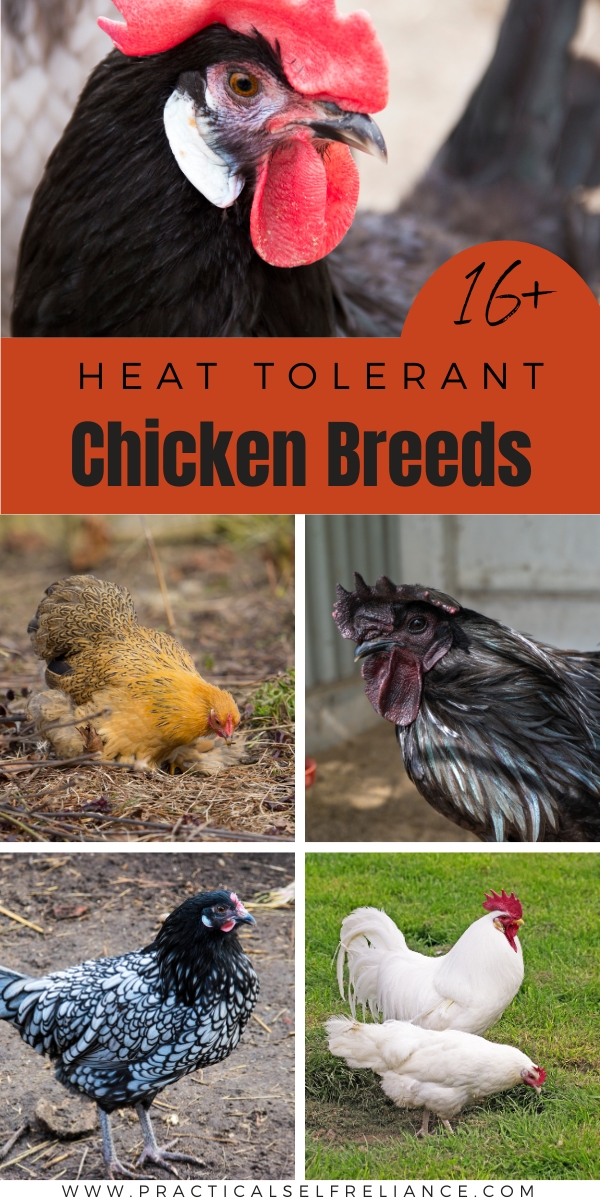
Credit: practicalselfreliance.com
Impact Of Climate Change
Climate change changes the temperature and weather patterns. This affects plants and animals differently.
Heat-tolerant species can survive in warmer places. Cold-tolerant species need cooler areas to live well.
Shifts In Habitat Ranges
As temperatures rise, heat-tolerant species move into new areas. These areas were once too cold for them.
Cold-tolerant species often lose parts of their homes. They move to higher or cooler places to survive.
- Heat-tolerant species expand north or to higher altitudes
- Cold-tolerant species retreat to mountains or poles
- Some species lose habitat if they cannot move
Survival Threats And Opportunities
Heat-tolerant species may find new food and space. This helps them grow in numbers.
Cold-tolerant species face risks like less food and smaller homes. Some may struggle to survive.
- Heat-tolerant species can increase in some regions
- Cold-tolerant species risk extinction if habitats shrink
- New competition arises as species move
- Some species adapt by changing behavior or diet
Comparing Survival Success
Heat-tolerant and cold-tolerant species live in very different environments. Each type faces unique challenges that affect survival. Understanding how they survive helps us learn about nature.
Survival success depends on traits like reproduction, lifespan, and how they handle threats. These traits help species adapt to heat or cold conditions.
Reproductive Strategies
Heat-tolerant species often reproduce quickly to take advantage of short favorable periods. They may have many offspring with less care.
Cold-tolerant species usually reproduce slower. They invest more energy in fewer offspring to improve survival in harsh climates.
- Heat-tolerant: fast reproduction, many offspring
- Cold-tolerant: slow reproduction, few offspring
- Both aim to pass genes under tough conditions
Longevity And Resilience
Cold-tolerant species often live longer. They grow slowly and resist cold stress over years. Their bodies protect them from freezing.
Heat-tolerant species may have shorter lives. They focus on quick growth and reproduction before heat extremes arrive.
- Cold-tolerant: longer life, slow growth
- Heat-tolerant: shorter life, fast growth
- Resilience helps survival in extreme climates
Competition And Predation
Heat-tolerant species face strong competition for water and food. They often develop ways to avoid predators quickly.
Cold-tolerant species deal with fewer predators but harsher conditions. They use camouflage and energy saving to survive.
- Heat-tolerant: high competition, fast escape
- Cold-tolerant: fewer predators, energy saving
- Both adapt to survive threats in their habitats

Credit: www.mdpi.com
Frequently Asked Questions
What Defines Heat-tolerant Species?
Heat-tolerant species thrive in high temperatures. They have adaptations like heat-resistant proteins and water retention. These traits help them survive extreme heat conditions.
How Do Cold-tolerant Species Survive Freezing Temperatures?
Cold-tolerant species use antifreeze proteins and slow metabolism. They can avoid ice formation in cells. These adaptations prevent damage and ensure survival in cold climates.
Are Heat-tolerant And Cold-tolerant Species Mutually Exclusive?
No, some species show tolerance to both heat and cold. However, most specialize in one extreme. Adaptations usually focus on either heat or cold survival mechanisms.
Why Is Understanding Species’ Temperature Tolerance Important?
It helps predict climate change impact on biodiversity. Knowing tolerance aids conservation and habitat management. It guides species protection under shifting temperature conditions.
Conclusion
Heat-tolerant and cold-tolerant species adapt to their environments differently. Each has unique features that help survival in extreme temperatures. Understanding these traits helps in protecting biodiversity. It also guides farmers and gardeners in choosing the right plants or animals. Nature’s variety shows how life can thrive in many ways.
Studying these species teaches us about climate and adaptation. Choose species wisely to match your local weather conditions. This knowledge supports sustainable living and healthy ecosystems. Keep exploring nature’s diversity—it always offers something new.