
If you keep a reef tank, you know how magical coral can be. But did you realize some coral species are extremely sensitive to heat?
Your tank’s temperature can make or break their health. Understanding heat-sensitive coral species is key to keeping your underwater world vibrant and thriving. You’ll discover which corals need extra care, how to spot signs of heat stress, and simple tips to protect your precious reef.
Ready to become the best caretaker your corals have ever had? Let’s dive in.
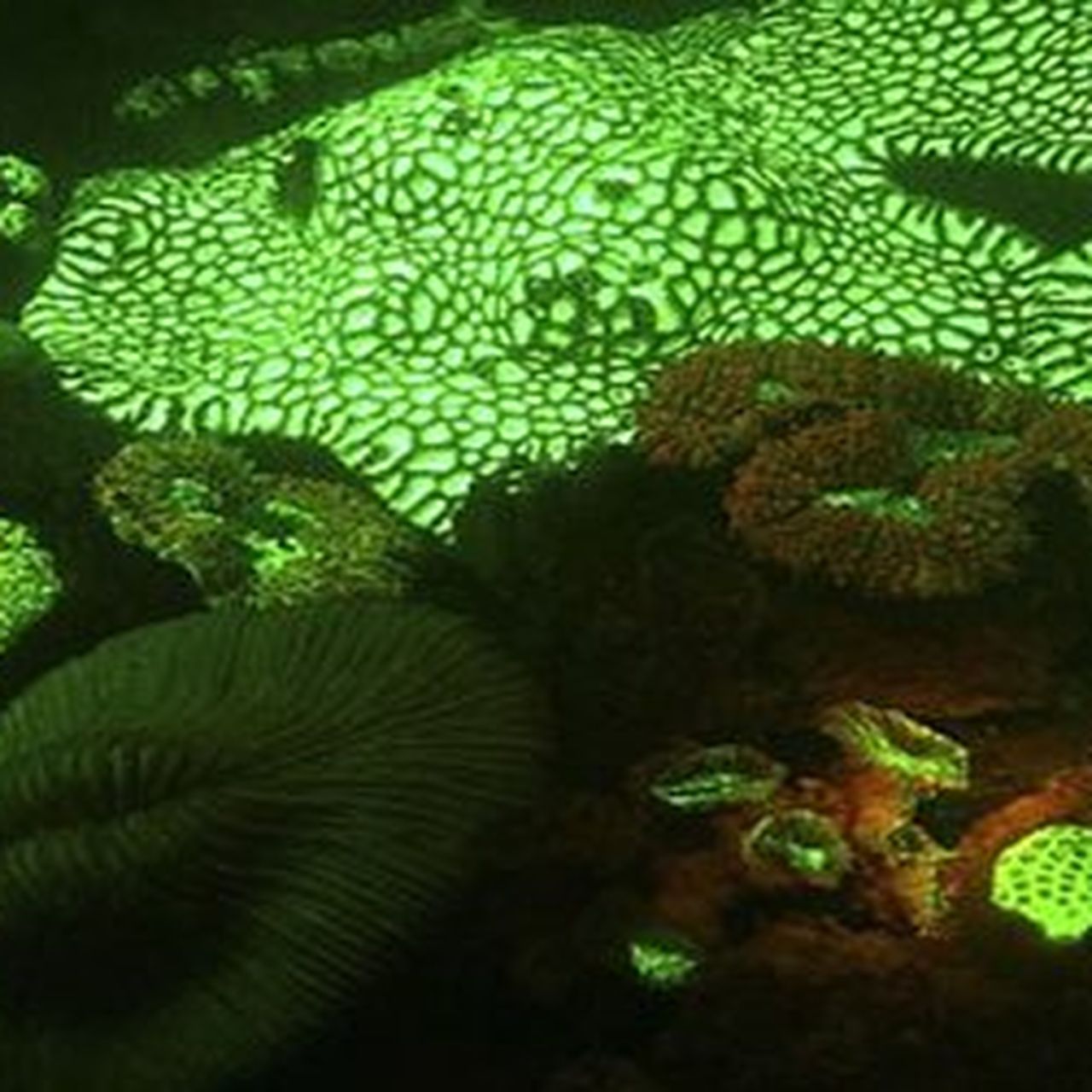
Credit: www.smithsonianmag.com
Heat-sensitive Corals In Reef Tanks
Keeping corals in reef tanks requires careful temperature control. Some coral species are very sensitive to heat changes. Too much heat can harm or kill these corals.
Understanding which corals are heat-sensitive helps you protect your reef tank. You can create a better environment for them to thrive.
Common Heat-sensitive Species
Many coral species struggle with high temperatures. These corals need cooler water to stay healthy. Some common heat-sensitive corals include:
- Acropora species – They are popular but very sensitive.
- Pocillopora corals – These corals bleach easily in heat.
- Montipora corals – They prefer stable, cooler temperatures.
- Stylophora corals – Heat stress can cause tissue loss.
- Seriatopora corals – Known to bleach quickly under heat stress.
Signs Of Heat Stress
Heat stress can cause clear changes in coral health. Watching for signs helps you act fast. Common signs include:
- Coral bleaching – Loss of color due to stress.
- Tissue recession – Coral tissue starts to peel or disappear.
- Reduced polyp extension – Polyps stay closed or retract.
- Slower growth – Corals stop growing or grow very slowly.
- Increased algae growth – Algae covers coral due to weakness.
Spotting these signs early lets you lower the tank temperature. This can save your heat-sensitive corals from damage.
Ideal Temperature Ranges
Heat-sensitive coral species need stable water temperatures to stay healthy. Keeping the right temperature helps them grow and avoid stress.
In reef tanks, small changes in temperature can affect coral colors and overall health. Monitoring temperature is very important.
Optimal Water Temperatures
The best water temperature for heat-sensitive corals is between 75°F and 79°F (24°C to 26°C). Temperatures outside this range can cause harm.
- Keep temperature steady within this range.
- Use heaters and chillers if needed.
- Check temperature daily with a reliable thermometer.
- Avoid placing the tank near windows or vents.
Temperature Fluctuation Effects
Rapid or wide temperature changes stress corals. Stress leads to bleaching and slower growth.
| Temperature Change | Effect on Corals |
| Less than 1°F (0.5°C) | Safe, minimal stress |
| 1°F to 3°F (0.5°C to 1.5°C) | Moderate stress, watch closely |
| More than 3°F (1.5°C) | High stress, risk of bleaching |
Tank Setup For Heat-sensitive Corals
Heat-sensitive corals need special care in reef tanks. They can get stressed if the water is too warm.
Setting up the tank right helps keep these corals healthy and happy.
Choosing The Right Location
Place your reef tank where temperature changes are low. Avoid spots near windows or heaters.
Keep the tank away from direct sunlight and drafts. Stable temperature helps corals thrive.
- Choose a cool, shaded room
- Avoid spots with direct sunlight
- Keep away from heating vents or air conditioners
- Check for stable room temperature daily
Lighting And Flow Considerations
Heat-sensitive corals need moderate light. Too much light can raise the water temperature.
Water flow should be gentle. Strong currents can stress these delicate corals.
- Use LED lights with adjustable brightness
- Set lights on a timer to mimic natural day cycles
- Provide low to medium water flow
- Use powerheads or wavemakers on low settings
Temperature Control Methods
Heat-sensitive coral species need careful temperature control in reef tanks. Keeping water temperature stable helps corals stay healthy.
There are different ways to manage the tank temperature. Using chillers and fans or natural cooling techniques are common methods.
Using Chillers And Fans
Chillers cool the water by removing heat. They keep the tank temperature within a safe range for corals.
Fans help by increasing air flow over the water surface. This increases evaporation and lowers water temperature.
- Install a reliable chiller with adjustable settings.
- Place fans to blow air across the water surface.
- Monitor temperature daily to avoid sudden drops.
- Use both chillers and fans together for better control.
Natural Cooling Techniques
Natural cooling uses simple methods to keep the tank cool without machines. It can save energy and reduce noise.
| Technique | How It Works | Benefits |
| Shading | Blocks direct sunlight | Reduces heat from lights |
| Room Ventilation | Improves air flow around tank | Lowers ambient temperature |
| Water Changes | Replaces warm water with cooler water | Quick temperature drop |
| Night Cooling | Turns off lights at night | Allows natural temperature decrease |
Water Quality Management
Heat-sensitive coral species need careful water quality control. Proper water conditions help corals stay healthy and grow well.
Maintaining stable water parameters and controlling nutrients are key to success in reef tanks.
Maintaining Stable Parameters
Keep water temperature steady between 75°F and 79°F to avoid stress. Test pH daily and keep it between 8.1 and 8.4. Salinity should stay around 1.025 specific gravity.
- Monitor temperature with a reliable heater and thermometer.
- Test pH using aquarium test kits.
- Check salinity with a refractometer or hydrometer.
- Maintain calcium levels between 400-450 ppm for coral growth.
- Keep alkalinity stable at 8-12 dKH.
Nutrient Control
Too many nutrients cause algae growth that harms corals. Control nitrate and phosphate levels to keep the tank clean.
| Nutrient | Ideal Level |
| Nitrate (NO3) | Less than 5 ppm |
| Phosphate (PO4) | Less than 0.03 ppm |
Use these methods to control nutrients:
- Perform regular water changes to dilute nutrients.
- Use protein skimmers to remove organic waste.
- Limit feeding to prevent excess food decay.
- Add live plants or algae to absorb nutrients.
- Consider using phosphate removers if levels rise.
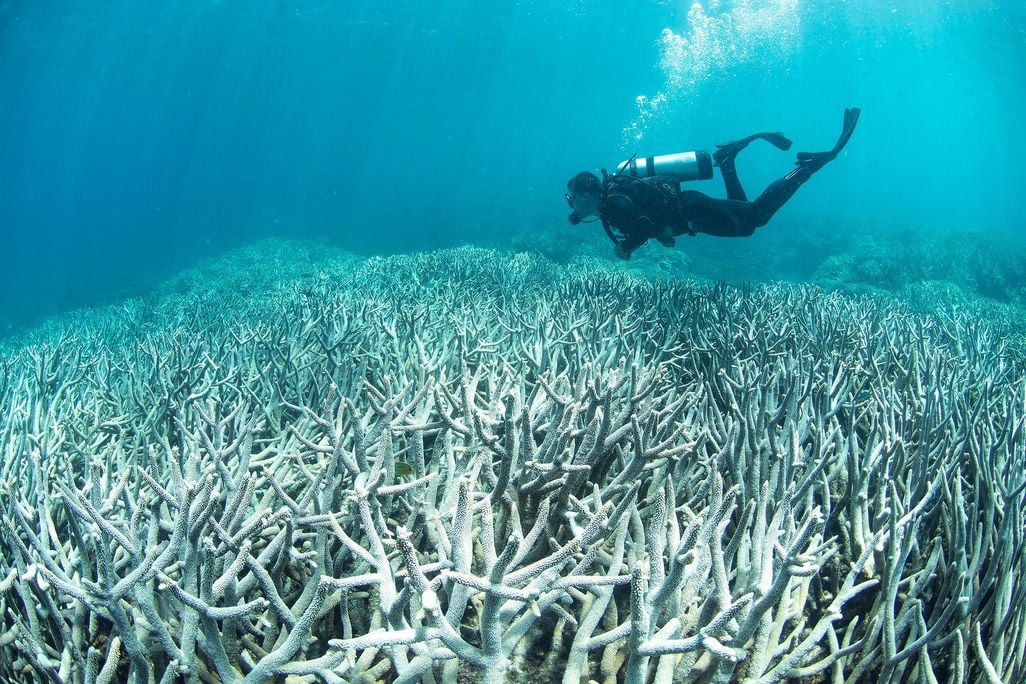
Credit: www.smithsonianmag.com
Feeding And Nutrient Needs
Heat-sensitive coral species need special care in reef tanks. They require the right balance of nutrients to thrive. Proper feeding ensures they get what they need to grow.
Corals feed on both light and nutrients. They have tiny cells that capture food from the water. It is important to provide them with the right nutrients.
Supplemental Feeding Tips
Supplemental feeding is crucial for heat-sensitive corals. Natural food sources might not be enough. You can add extra nutrition to their diet.
- Offer a variety of foods, like phytoplankton and zooplankton.
- Feed small amounts to avoid water pollution.
- Use a turkey baster for targeted feeding.
Balancing Nutrition
Balancing nutrition helps corals grow strong. Too much or too little can harm them. Monitor their health regularly.
Adjust the feeding based on coral response. Healthy corals show vibrant colors and strong growth.
| Nutrient | Benefit |
| Calcium | Builds strong skeletons |
| Magnesium | Supports coral growth |
| Strontium | Enhances color |
Preventing And Responding To Heat Stress
Heat-sensitive coral species need extra care in reef tanks. High water temperature can harm corals fast.
Preventing heat stress helps keep corals healthy. Quick action can save corals showing signs of stress.
Early Intervention Strategies
Watch water temperature daily. Keep it within safe limits for your coral species.
Increase water flow to cool corals. Use fans or chillers to lower tank temperature.
- Reduce lighting intensity during heat spikes
- Remove stressed corals to a cooler quarantine tank
- Test water for pollutants that can worsen stress
- Feed corals with stress-reducing supplements
Recovery Practices
Lower tank temperature slowly to avoid shock. Keep it stable for several days.
Perform regular water changes to improve water quality. Use clean, temperature-matched water.
- Maintain good water flow around corals
- Provide balanced lighting for healing
- Check corals daily for signs of improvement
- Avoid adding new fish or corals during recovery
Monitoring Tools And Techniques
Heat-sensitive coral species need special care in reef tanks. Monitoring tools help keep them healthy.
Using the right techniques ensures your coral thrives. Let’s explore some key methods.
Temperature Sensors
Temperature sensors track water temperature constantly. This helps keep the habitat stable for corals.
| Sensor Type | Accuracy | Cost |
| Digital | High | Moderate |
| Analog | Moderate | Low |
| Smart | Very High | High |
Regular Health Checks
Regular health checks are vital for coral well-being. They help identify issues early.
- Observe coral color changes
- Check for algae growth
- Monitor water pH levels
- Look for signs of coral bleaching
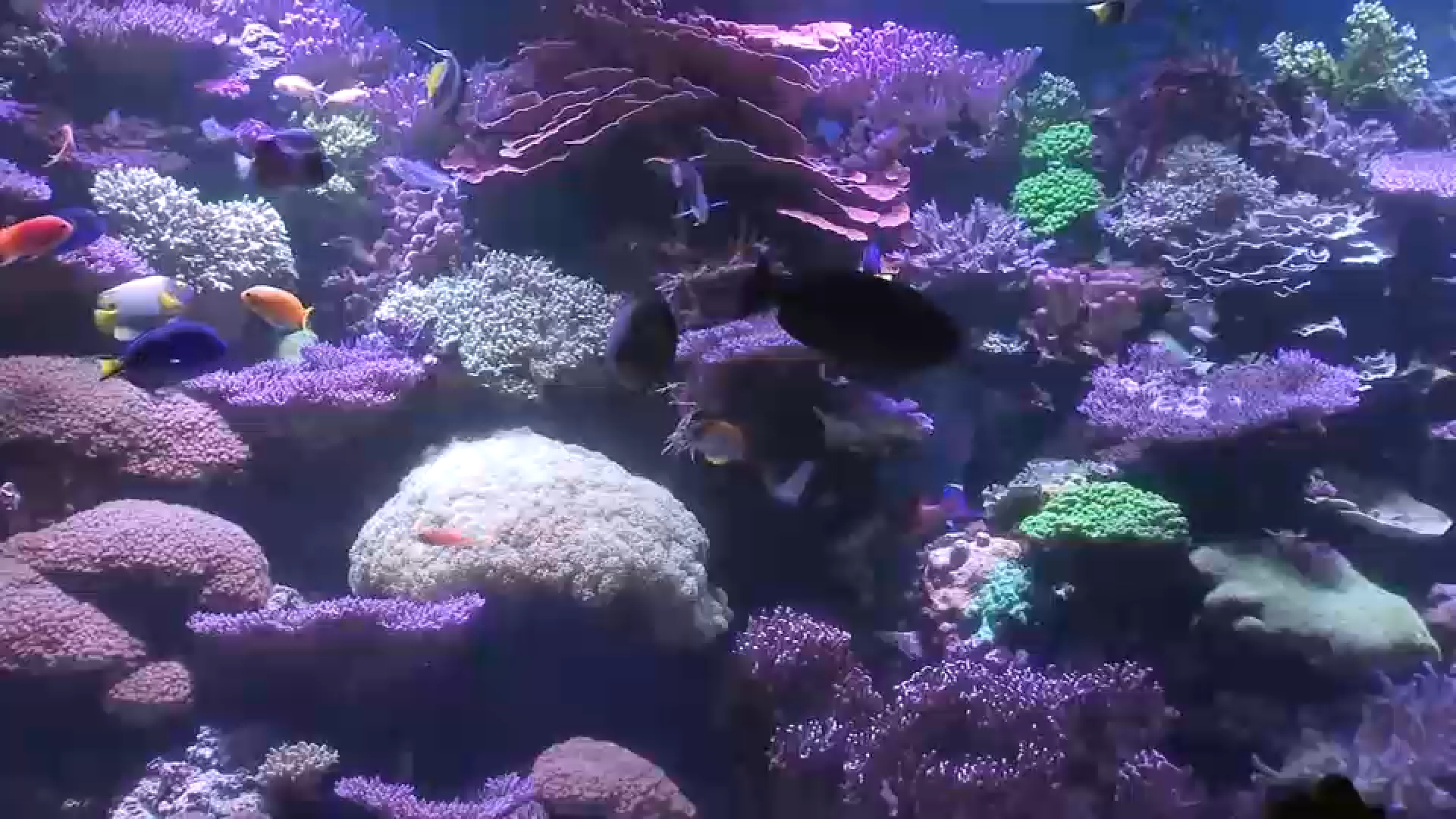
Credit: abc7ny.com
Frequently Asked Questions
What Are The Most Heat-sensitive Coral Species In Reef Tanks?
Heat-sensitive corals include Acropora, Montipora, and certain Pocillopora species. These corals are highly sensitive to temperature fluctuations and require stable, cooler water conditions to thrive in reef tanks.
How Does Heat Affect Coral Health In Reef Tanks?
Excessive heat causes coral bleaching by expelling symbiotic algae. This weakens corals, making them vulnerable to disease and death. Maintaining optimal temperature is crucial for coral survival and vibrant colors.
What Temperature Range Is Safe For Heat-sensitive Corals?
Heat-sensitive corals thrive best between 75°F and 78°F (24°C to 26°C). Temperatures above 80°F (27°C) can stress these corals, leading to bleaching and poor health in reef tanks.
How Can I Prevent Heat Stress In My Reef Tank Corals?
Use reliable chillers, maintain proper water flow, and monitor temperature daily. Avoid placing tanks in direct sunlight or near heat sources to keep corals safe from heat stress.
Conclusion
Heat-sensitive coral species need careful attention in reef tanks. Keep water temperature steady and avoid sudden changes. These corals show stress quickly if conditions are wrong. Watch for signs like color fading or closing up. Healthy corals add beauty and life to your tank.
Choose species that match your tank’s environment. Small efforts protect these delicate creatures well. Enjoy the vibrant colors and peaceful glow they bring. Caring for heat-sensitive corals helps your reef thrive every day.