
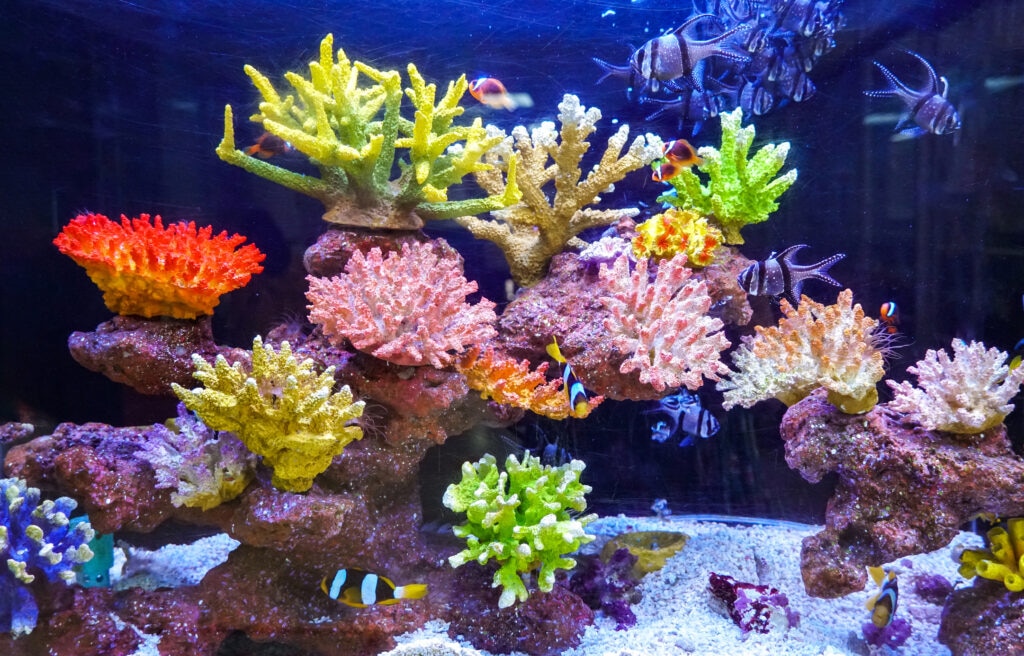
Keeping your reef tank at the right temperature is one of the most important steps to protect your coral and fish. If the water gets too warm, it can cause stress, bleaching, or even kill your precious marine life.
You might not realize how quickly heat builds up, especially during hot days or when your equipment runs nonstop. But don’t worry—managing heat doesn’t have to be complicated. You’ll discover simple, effective ways to keep your reef tank cool and safe.
Stick with me, and you’ll learn how to create the perfect environment your underwater world needs to thrive.
Credit: www.chewy.com
Causes Of Heat Build-up
Heat build-up is a common issue in reef tanks. It can stress corals and fish, making tank care harder.
Understanding what causes heat helps you manage tank temperature better. This keeps your reef healthy.
Lighting And Equipment Heat
Many lights used in reef tanks give off a lot of heat. This heat raises the water temperature.
Other equipment like pumps and heaters also add heat. They run for long hours, increasing tank warmth.
- LED lights produce less heat but still add some warmth
- Metal halide lights generate more heat
- Protein skimmers and pumps generate heat through motors
- Heaters can raise tank temperature if not controlled
Room Temperature Effects
The room where the reef tank sits affects heat build-up. A warm room makes the tank warmer.
Air conditioning and fans help control room temperature. Without them, the tank water heats up faster.
- Sunlight through windows can warm the room
- Warm air raises tank water temperature
- Poor ventilation traps heat inside the room
- Cold rooms can help keep tank temperature low
Tank Size And Water Volume
Smaller tanks heat up faster than larger tanks. They hold less water to absorb heat.
Larger water volume means more heat is needed to raise temperature. This helps keep the tank cooler.
- Small tanks change temperature quickly
- Large tanks are more stable in temperature
- More water means better heat absorption
- Tank shape also affects heat loss and gain
Risks Of Overheating
Heat is a common challenge in reef tanks. Too much heat causes serious problems for tank life.
Overheating can damage corals, stress fish, and increase algae growth. Managing heat keeps the tank healthy.
Impact On Coral Health
Corals need stable temperatures to survive. Heat spikes can cause coral bleaching and death.
High temperatures make corals lose their color and stop growing. This weakens the reef structure.
- Bleaching happens when corals expel algae inside them
- Bleached corals are more open to disease
- Prolonged heat can kill corals permanently
Fish Stress And Behavior
Fish feel stressed when the water is too warm. Stress lowers their immune systems.
Overheated tanks cause fish to act strangely. They may hide more or stop eating.
- Fish may swim near the surface for cooler water
- Stress can lead to illness and death
- Breeding and growth slow down in heat
Algae Growth Increase
Warm water speeds up algae growth. Algae compete with corals for light and nutrients.
Too much algae makes the tank look dirty. It can also harm other tank life.
- Algae cover coral surfaces, blocking light
- Excess algae lowers water quality
- Algae blooms need extra cleaning and care
Cooling Techniques
Keeping the water temperature stable is very important for reef tanks. High temperatures can harm the corals and fish. Cooling techniques help keep the tank safe and healthy.
There are several ways to cool a reef tank. Some use machines, while others use natural methods. This guide explains three common cooling techniques.
Using Aquarium Chillers
Aquarium chillers are machines made to cool the water. They work like small refrigerators. The chiller pulls warm water, cools it, and sends it back to the tank.
Chillers keep the temperature steady, even in hot weather. They are good for large tanks or very sensitive corals. Chillers need electricity and some space near the tank.
Fans And Evaporative Cooling
Fans help cool reef tanks by blowing air over the water surface. This increases evaporation, which lowers the water temperature. This method uses less energy than chillers.
Evaporative cooling works best in dry environments. You must top off the tank often because water evaporates faster. Fans are easy to install and work well with small to medium tanks.
- Place fans to blow air across the water surface
- Use multiple fans for bigger tanks
- Check water level regularly to add fresh water
Adjusting Lighting Schedules
Lights can make the tank warm, especially strong LED or metal halide lights. Adjusting the lighting schedule can reduce heat. Turn lights on for shorter times during the hottest parts of the day.
Using cooler light settings or dimmers also helps. This keeps corals healthy while lowering heat. Changing lighting times is a simple way to manage temperature without extra tools.
- Set lights to turn off during midday heat
- Use timers to control light hours
- Try cooler light colors or lower brightness
Monitoring Water Temperature
Keeping water temperature stable is key for reef tanks. Fish and corals need the right temperature to stay healthy.
Too much heat or cold can stress your tank’s life. Careful monitoring helps prevent problems early.
Choosing Reliable Thermometers
Pick thermometers that show exact temperatures. A good thermometer is easy to read and lasts long.
Look for devices made for aquarium use. They handle water well and avoid false readings.
- Digital thermometers give quick, clear readings
- Glass thermometers are simple but fragile
- Stick-on sensors show temperature without touching water
Automated Alerts And Controls
Use alert systems to warn you if temperature changes. These alerts help fix problems fast.
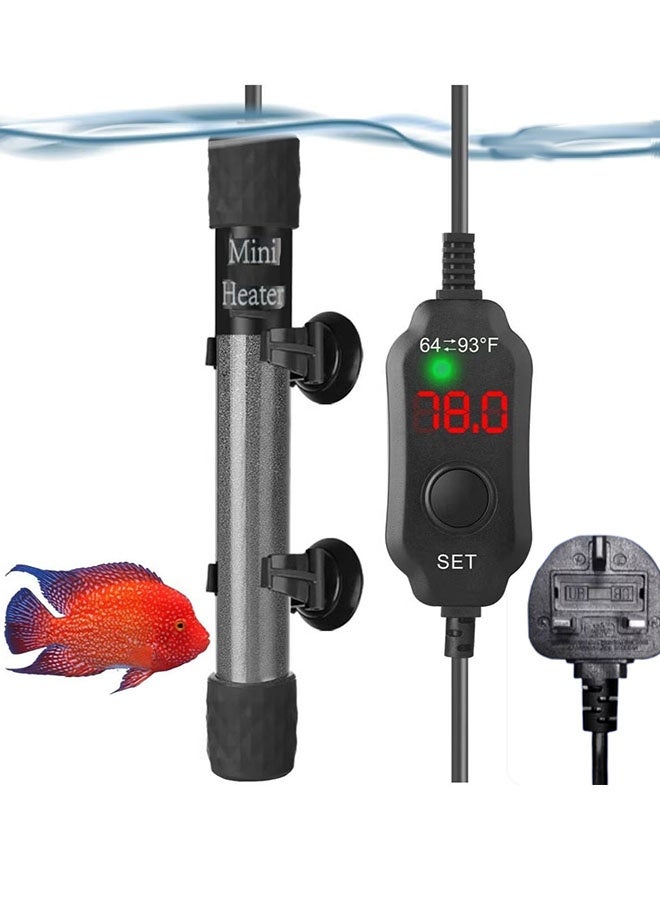
Some systems control heaters or coolers automatically. This keeps the tank stable without manual checks.
- Set temperature limits for alerts
- Connect alerts to your phone or email
- Use controllers to adjust heaters or chillers
Regular Temperature Checks
Check your tank temperature daily. Regular checks catch changes that machines might miss.
Write down readings to notice trends. This helps you act before problems start.
- Check at the same time every day
- Note any sudden temperature changes
- Inspect thermometer accuracy often
Maintaining Stable Conditions
Maintaining stable conditions in reef tanks is essential for healthy aquatic life. This involves regulating heat and ensuring a balanced environment.
Consistent temperature and proper flow are vital for coral and fish health. Let’s explore how to achieve this in your reef tank.
Proper Tank Placement
The placement of your tank can impact temperature stability. Avoid placing the tank near windows or heat sources. These areas can cause temperature fluctuations.
Choose a location with consistent room temperature. This helps maintain a stable environment for your reef tank.
Water Circulation And Flow
Proper water circulation ensures even heat distribution in your tank. It helps prevent hot spots and keeps the water oxygenated.
Use water pumps to create a gentle flow. This mimics natural currents and supports coral and fish health.
- Position pumps to cover all areas of the tank
- Avoid strong currents that stress marine life
- Regularly check and clean pump filters
Routine Maintenance Practices
Routine maintenance is key to a healthy reef tank. Check equipment regularly to ensure they are working properly.
Perform water changes to maintain water quality and temperature. Clean algae and debris to keep the tank environment stable.
| Task | Frequency |
| Check equipment | Weekly |
| Water changes | Bi-weekly |
| Clean tank surfaces | Monthly |

Credit: www.amazon.com
Energy Efficiency Tips
Managing heat in reef tanks uses a lot of energy. Small changes can save power and keep your tank stable.
This guide covers equipment choices, cooling system setups, and balancing cost with performance.
Selecting Energy-saving Equipment
Choose equipment designed for low power use. Look for devices with high efficiency ratings.
- Use LED lights instead of older bulbs.
- Pick pumps with variable speed controls.
- Consider chillers with energy-saving modes.
- Use timers to run equipment only when needed.
Optimizing Cooling Systems
Cooling keeps the water safe for corals. Proper setup reduces energy use and keeps temperatures steady.
| Cooling Method | Energy Use | Notes |
| Fan Cooling | Low | Good for mild heat |
| Chiller Unit | High | Needed for hot climates |
| Evaporative Cooling | Medium | Needs water refills |
Balancing Cost And Performance
Find the right mix of price and power savings. Some devices cost more but save energy over time.
- Check initial price and running costs.
- Look for warranties and reliability.
- Compare energy consumption data.
- Think about long-term savings.
Credit: www.noon.com
Frequently Asked Questions
How Can I Prevent Overheating In My Reef Tank?
To prevent overheating, use a reliable aquarium chiller or cooling fan. Keep your tank away from direct sunlight. Monitor water temperature daily and maintain proper water flow for heat dissipation.
What Is The Ideal Temperature For Reef Tanks?
The ideal temperature for most reef tanks is between 75°F and 80°F (24°C to 27°C). This range supports coral health and fish activity without causing stress or algae blooms.
How Does Heat Affect Coral And Fish Health?
Excessive heat stresses corals, causing bleaching and vulnerability to disease. Fish metabolism increases, leading to oxygen depletion. Stable temperatures ensure reef inhabitants thrive and maintain vibrant coloration.
Are Aquarium Chillers Necessary For All Reef Tanks?
Aquarium chillers are essential in warm climates or large tanks prone to heat buildup. Smaller tanks may manage heat with fans or improved ventilation. Assess your tank’s needs before investing in a chiller.
Conclusion
Keeping your reef tank’s temperature steady protects your coral and fish. Use fans, chillers, or shading to control heat. Check the water temperature often to catch changes early. Small steps can stop big problems. Healthy reefs grow best in stable conditions.
Take care of heat, and your tank will thrive. Your efforts bring a vibrant, lively reef right to your home.