
Setting up a guppy tank can be a fun and rewarding experience, but it’s easy to feel overwhelmed if you’re not sure where to start. You want your guppies to thrive, look colorful, and stay healthy, right?
This guide will walk you through everything you need to create the perfect home for your guppies. From choosing the right tank size to picking the best decorations and maintaining water quality, you’ll get simple, clear steps that anyone can follow.
Keep reading, and you’ll have your guppy tank ready in no time—making your fish happy and your space vibrant.

Credit: www.canadaguppies.com
Choosing The Right Tank
Setting up a guppy tank starts with choosing the right tank. The tank size, material, and location affect your fish’s health.
Good choices make the tank safe and comfortable for guppies. This guide helps you pick the best tank for your fish.
Ideal Tank Size
Guppies need enough space to swim freely. A small tank can cause stress and poor water quality.
Choose a tank that holds at least 10 gallons. This size fits a small group of guppies comfortably.
- 10 gallons for 5-6 guppies
- Add 2 gallons for each extra guppy
- Larger tanks are easier to maintain
Material Options
Tanks come in glass or acrylic. Both keep water clear and safe for fish.
Glass is heavier and more scratch-resistant. Acrylic is lighter and easier to move.
- Glass: durable, clear, heavier
- Acrylic: lightweight, flexible, scratches easier
Location Tips
Place your guppy tank away from direct sunlight. Sunlight can cause algae growth and temperature changes.
Keep the tank on a stable surface. Avoid spots near heaters or air conditioners to keep temperature steady.
- Choose a quiet spot to reduce stress
- Keep away from windows with direct sun
- Use a sturdy stand or table
Essential Equipment
Setting up a guppy tank needs the right tools. Good equipment keeps fish safe and healthy.
This guide covers the main gear you need for a guppy tank. Focus on filtration, heating, and lighting.
Filtration Systems
Filtration keeps the water clean and clear. It removes waste and harmful chemicals from the tank.
Choose a filter made for small tanks. Sponge filters work well for guppies. They are gentle and safe.
- Removes fish waste and leftover food
- Helps keep water oxygen-rich
- Prevents harmful bacteria growth
- Easy to clean and maintain
Heating Requirements
Guppies need warm water to stay healthy. The ideal temperature is between 72°F and 82°F.
Use an adjustable aquarium heater. This keeps the water at the right temperature all day and night.
- Choose a heater for the tank size
- Set temperature between 72°F and 82°F
- Use a thermostat to avoid overheating
- Check temperature daily with a thermometer
Lighting Choices
Proper lighting helps guppies stay active and shows their colors well. It also supports plant growth.
Use LED lights made for aquariums. They use less energy and last a long time. Avoid bright lights that stress fish.
- Use LED lights with a timer
- Provide 8-10 hours of light daily
- Choose light colors that show guppy colors
- Turn off lights at night for rest
Water Conditions
Setting the right water conditions is key for a healthy guppy tank. Guppies need stable water to live and grow well.
We will cover important water factors like temperature, pH levels, and hardness. These keep your guppies active and happy.
Temperature Range
Guppies thrive best in warm water. Keep the tank temperature between 72°F and 82°F (22°C to 28°C). Sudden changes can stress the fish.
Use a reliable aquarium heater and thermometer to keep temperature steady. Avoid placing the tank near windows or vents.
Ph Levels
The ideal pH for guppy tanks is slightly alkaline. Aim for a pH between 7.0 and 8.0. This range helps guppies stay healthy and reproduce.
- pH below 7.0 can cause stress and illness.
- pH above 8.0 may affect guppy growth.
- Test water weekly to track pH changes.
- Use pH buffers if levels shift too much.
Water Hardness
Water hardness refers to minerals like calcium and magnesium in the water. Guppies prefer moderately hard water.
| Hardness Level | General Range (dGH) | Effect on Guppies |
|---|---|---|
| Soft | 0-6 | Can cause poor health and color fading |
| Moderate | 7-12 | Best for guppy health and breeding |
| Hard | 13-20+ | May stress guppies and reduce lifespan |
Decor And Plants
Setting up a guppy tank needs careful choice of decor and plants. These elements create a natural, safe space for your fish.
Good decor and plants help guppies feel secure and keep the tank healthy. This guide covers key points to consider.
Safe Substrates
Choose a substrate that won’t harm guppies or affect water quality. Avoid sharp or rough materials that can injure fish.
- Fine sand is gentle on guppy fins and easy to clean.
- Small, smooth gravel works well and supports plant roots.
- Avoid crushed coral or sharp stones to prevent cuts.
- Use substrates that do not change water pH drastically.
Live Plants Benefits
Live plants improve water quality by absorbing waste. They also add oxygen and reduce algae growth.
| Benefit | Details |
|---|---|
| Oxygen Supply | Plants release oxygen during the day. |
| Waste Removal | They absorb nitrates and ammonia. |
| Natural Shelter | Plants offer hiding spots and reduce stress. |
| Algae Control | Compete with algae for nutrients, limiting growth. |
Hiding Spots
Guppies need places to hide and rest. Hiding spots reduce stress and protect fry from adult fish.
- Use live plants like Java fern or Anubias for cover.
- Add small caves or smooth decorations as shelters.
- Arrange driftwood to create shaded areas.
- Place moss balls to give hiding places for young guppies.
Selecting Guppies
Choosing the right guppies is important for a healthy tank. You must consider their gender and health. Also, think about what other fish will live with them.
This guide will help you pick the best guppies for your aquarium. It covers male and female ratios, healthy fish traits, and tankmate choices.
Male Vs Female Ratios
Guppies breed fast, so keep more females than males. Males show bright colors and fins. Females are larger and less colorful.
- Keep one male for every two to three females.
- Too many males cause stress and fighting.
- More females help control breeding rates.
Healthy Fish Traits
Look closely for signs of good health in your guppies. Healthy fish are active and have clear eyes. Their fins should be intact and colorful.
| Trait | What to Look For |
| Eyes | Clear and bright |
| Body | No spots or lesions |
| Fins | Complete and colorful |
| Behavior | Active, not lethargic |
Compatible Tankmates
Choose tankmates that live peacefully with guppies. Avoid large or aggressive fish. Small, calm fish make good companions.
Good tankmates include:
- Neon tetras
- Corydoras catfish
- Harlequin rasboras
- Platies

Credit: www.youtube.com
Feeding Guidelines
Feeding guppies properly helps them grow healthy and vibrant. They need the right diet and feeding schedule.
Let’s explore how to feed guppies a balanced diet, how often to feed them, and how to avoid overfeeding.
Balanced Diet
Guppies need a varied diet for optimal health. This includes proteins, vitamins, and minerals.
| Food Type | Benefits |
| Flake Food | Rich in vitamins |
| Live Food | High protein content |
| Vegetable Matter | Fiber for digestion |
Feeding Frequency
Guppies should be fed multiple times a day. This helps them get enough nutrients without overeating.
- Feed guppies 2-3 times daily.
- Give small amounts each time.
- Ensure they consume all food in 2 minutes.
Avoiding Overfeeding
Overfeeding can harm guppies and pollute the tank. It is important to feed the right amount.
Maintenance Routine
Maintaining a guppy tank is crucial for healthy fish. Regular tasks ensure the tank stays clean and the fish thrive.
This guide covers essential maintenance steps to keep your guppy tank in top condition. Follow these practices for a healthy aquatic environment.
Regular Water Changes
Changing the water in your guppy tank is important. It removes waste and toxins, keeping the environment healthy for your fish.
- Replace 10-15% of the tank water every week.
- Use a siphon to remove debris from the substrate.
- Ensure new water is dechlorinated and at the same temperature.
Filter Cleaning
A clean filter is vital for maintaining water quality. It helps remove particles and keeps the tank clear.
To clean the filter:
- Turn off and unplug the filter before removing it.
- Rinse filter media in tank water to preserve beneficial bacteria.
- Reassemble and restart the filter once clean.
Monitoring Fish Health
Regularly check your guppies for signs of stress or illness. Healthy fish are active and have bright colors.
| Sign | Action |
| Faded colors | Check water parameters |
| Labored breathing | Ensure adequate oxygenation |
| Loss of appetite | Inspect for disease |
Breeding Tips
Guppies are easy to breed and make great pets. Setting up the tank properly helps them reproduce well.
This guide shares simple tips to create the best environment for guppy breeding.
Breeding Conditions
Guppies breed best in warm, clean water. Keep the tank temperature between 75-82°F (24-28°C).
Use a filter to keep water clear. Change 20% of water weekly to avoid harmful chemicals.
- Maintain pH around 7.0 to 7.2
- Keep water hardness moderate
- Provide live plants for hiding spots
- Use soft lighting to reduce stress
Fry Care
Baby guppies are called fry. They need gentle care to grow strong.
Feed fry small amounts of crushed flakes or baby brine shrimp several times a day.
- Keep water clean and warm
- Use a sponge filter to protect fry
- Remove uneaten food to avoid pollution
- Provide hiding places with plants or breeding grass
Separating Adults
Adult guppies may eat the fry. Separate adults to keep babies safe.
Use a breeding box or a separate tank for pregnant females and newborn fry.
- Move pregnant females before they give birth
- Keep fry away from large or aggressive adults
- Check tanks daily for stress or health issues
Common Problems
Setting up a guppy tank can be fun, but some problems may arise. These issues can affect the health of your fish.
Understanding common problems helps you keep your guppies safe and happy in their tank.
Disease Prevention
Diseases can spread quickly in guppy tanks. Clean water and good care reduce risks.
Watch for signs like white spots or unusual swimming. Early action helps your fish recover.
- Change 25% of the water weekly
- Keep tank temperature steady between 74-82°F (23-28°C)
- Quarantine new fish before adding them
- Use a good filter to keep water clean
- Avoid overcrowding the tank
Stress Reduction
Stress weakens guppies and makes them sick. Create a calm environment for them.
Keep noise low and avoid sudden changes in the tank. Provide hiding spots with plants or decorations.
- Keep the tank in a quiet area
- Use gentle lighting, not too bright
- Keep water parameters stable
- Feed small amounts twice a day
- Provide plants or caves for hiding
Dealing With Algae
Algae can grow fast and harm your tank. It makes water dirty and reduces oxygen.
Control algae by keeping the tank clean and limiting light. Use algae eaters if needed.
- Do regular water changes
- Limit tank light to 8-10 hours daily
- Remove algae from glass and decorations
- Add algae-eating fish or snails
- Do not overfeed your guppies
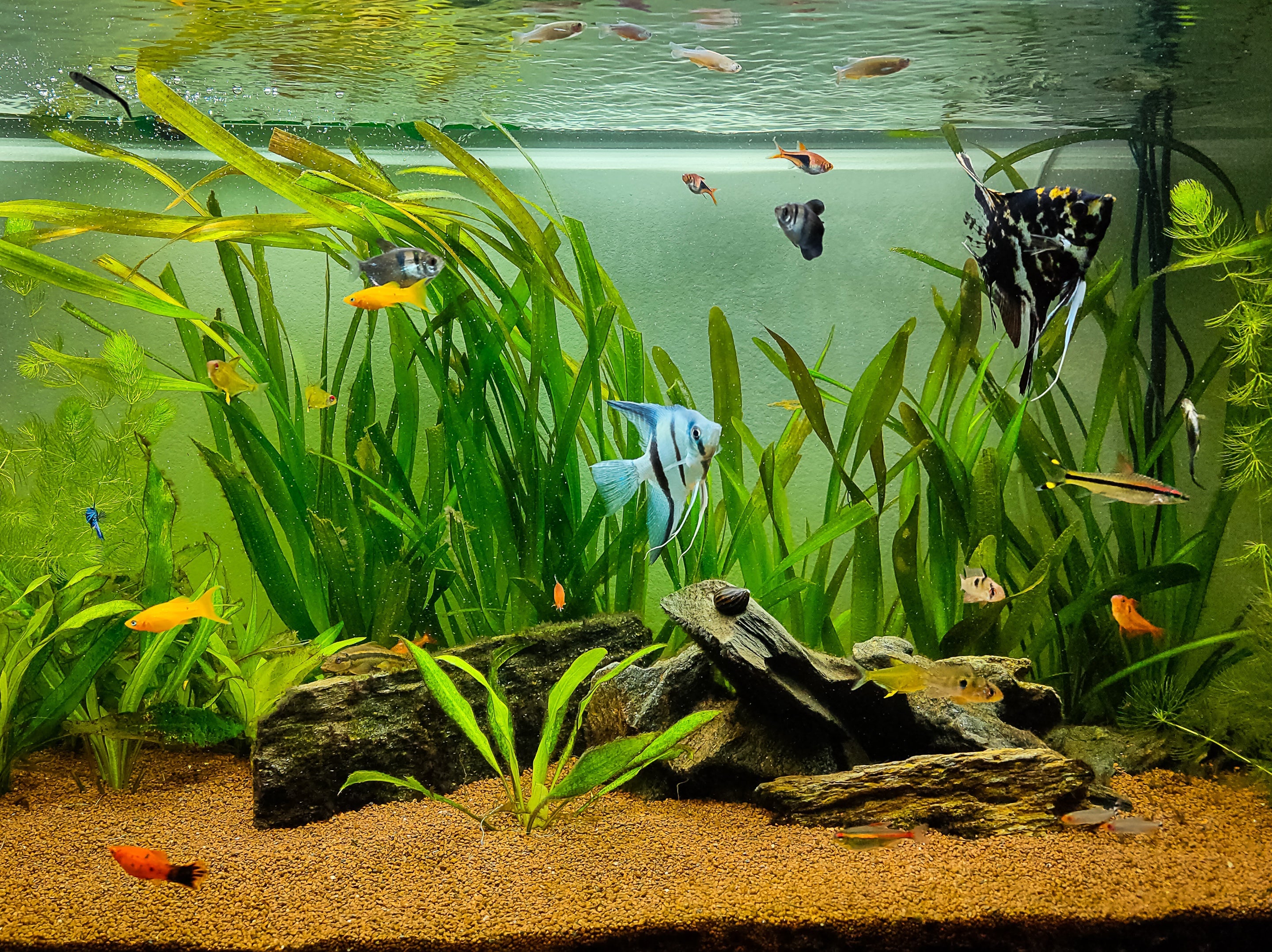
Credit: splashyfishstore.com
Frequently Asked Questions
What Size Tank Is Ideal For Guppies?
A 10-gallon tank is perfect for a small guppy group. It provides enough swimming space and stable water conditions.
How Often Should I Clean A Guppy Tank?
Clean your guppy tank weekly by changing 25-30% of the water. This keeps the environment healthy and reduces toxins.
What Plants Are Best For Guppy Tanks?
Live plants like Java moss, Anubias, and Hornwort offer hiding spots and improve water quality for guppies.
What Water Temperature Do Guppies Need?
Maintain water temperature between 74°F and 82°F. This range keeps guppies active and healthy.
Conclusion
Setting up a guppy tank is simple and fun. Keep water clean and temperature steady. Add plants and hiding spots for comfort. Feed small amounts regularly to avoid waste. Watch your guppies daily for signs of health. A well-prepared tank helps guppies thrive happily.
Start small, learn step by step, and enjoy. Your colorful guppy tank will bring joy to your home.