
Setting up your first guppy tank might feel a bit overwhelming, but it doesn’t have to be. Imagine watching your colorful guppies swim happily in a sparkling clean tank right in your home.
You want to create the perfect environment where your fish thrive and bring you joy every day. In this guide, you’ll discover simple, step-by-step tips to set up your guppy tank without stress or confusion. Whether you have a small space or limited time, this article will help you make smart choices that keep your guppies healthy and vibrant.
Ready to dive in and see your tank come to life? Keep reading to learn exactly what you need to do.
Choosing The Right Tank
Setting up a guppy tank starts with picking the right aquarium. The tank size and material affect your guppies’ health and happiness. Proper placement of the tank also plays a big role in their care.
This guide covers tank size recommendations, materials, and placement tips for beginner guppy keepers.
Tank Size Recommendations
Guppies are small but active fish. They need enough space to swim freely. A larger tank keeps water stable and reduces stress.
- A 5-gallon tank is the smallest size for a few guppies.
- 10 gallons suits a small group of 5 to 7 guppies.
- 20 gallons or more works well for larger groups or breeding.
- Larger tanks need less frequent water changes.
Material Options
Aquariums come mainly in glass or acrylic. Each type has pros and cons to consider.
| Material | Pros | Cons |
| Glass | Scratch resistant, clear view | Heavier, can break |
| Acrylic | Lighter, more impact resistant | Scratches easily, may yellow |
Placement Tips
Where you place your guppy tank affects water quality and fish health. Choose a stable spot away from direct sunlight.
- Keep the tank on a sturdy, level surface.
- Avoid placing near windows to stop algae growth.
- Keep away from vents or heaters to prevent temperature swings.
- Place near power outlets for filters and heaters.
Essential Equipment
Setting up a guppy tank needs some basic gear. The right tools keep fish healthy and happy.
This guide covers the essential equipment for beginners. It helps you choose what to buy and use.
Filters And Aeration
Filters clean the water by removing waste and debris. Clean water is key to guppy health.
Aeration adds oxygen to the water. Guppies need oxygen to breathe well and stay active.
- Use a gentle filter to avoid strong currents.
- Choose sponge or hang-on-back filters for easy maintenance.
- Add an air pump with an air stone for good oxygen flow.
- Check that bubbles move steadily but not too fast.
Lighting Choices
Lighting helps guppies see and supports plant growth. It also shows their colors well.
Use LED lights made for aquariums. They save energy and last a long time.
- Choose daylight bulbs with 6500K color temperature.
- Keep lights on for 8 to 10 hours each day.
- Use a timer to keep light cycles regular.
- Avoid direct sunlight to stop algae growth.
Heaters And Thermometers
Guppies need warm water between 72°F and 82°F. A heater keeps the tank temperature steady.
A thermometer helps you monitor the water temperature. Check it daily to avoid problems.
- Choose an adjustable heater with the right wattage for your tank size.
- Place the heater near water flow for even heat.
- Use a reliable thermometer, either stick-on or floating type.
- Keep temperature stable to reduce fish stress.
Water Preparation
Setting up a guppy tank starts with preparing the water properly. Clean and balanced water helps guppies stay healthy and active.
Learn how to condition tap water, keep pH and hardness steady, and cycle the tank before adding your fish.
Conditioning Tap Water
Tap water contains chlorine and other chemicals that harm guppies. Use a water conditioner to remove these. Let the water sit for 24 hours to allow gases to escape.
- Use a water conditioner to remove chlorine and chloramine.
- Let water sit for 24 hours before adding fish.
- Check for heavy metals and remove them if needed.
- Use a filter to keep water clean.
Maintaining Ph And Hardness
Guppies prefer water with a pH between 7.0 and 8.0. Water hardness should be moderate to hard. Keep these levels stable for healthy fish.
| Parameter | Ideal Range | Effect on Guppies |
| pH | 7.0 – 8.0 | Prevents stress and illness |
| General Hardness (GH) | 8 – 12 dGH | Supports growth and color |
| Carbonate Hardness (KH) | 3 – 8 dKH | Keeps pH stable |
Cycling The Tank
Before adding guppies, cycle the tank to build good bacteria. These bacteria break down fish waste and keep water safe.
- Add ammonia to start bacteria growth.
- Test water daily for ammonia, nitrite, and nitrate.
- Wait until ammonia and nitrite are zero.
- Do partial water changes to keep water clean.
- Only add fish after the cycle is complete.

Credit: www.reddit.com
Selecting Guppies
Choosing the right guppies is important for a healthy tank. You want fish that will live well and grow happily.
This guide helps beginners pick guppies by focusing on health, gender ratios, and tank mates.
Choosing Healthy Fish
Look for guppies that swim actively and have bright colors. Avoid fish with torn fins or white spots.
Check their eyes and gills. They should be clear and free from mucus or redness.
Male Vs Female Ratios
Keep more females than males to reduce stress. Males can chase females a lot.
- One male for every two to three females
- Too many males cause fighting
- More females help balance the tank
Compatible Tank Mates
| Fish Type | Compatibility | Notes |
|---|---|---|
| Neon Tetras | High | Peaceful and small |
| Corydoras Catfish | High | Bottom dwellers |
| Betta Fish | Low | Can be aggressive |
| Angelfish | Medium | May nip fins |
Setting Up Decorations
Decorations make your guppy tank look nice and help your fish feel safe. A good setup helps your guppies stay happy and healthy.
Choosing the right decorations is easy once you know what guppies need. Let’s look at plants, substrate, and hiding spots.
Live Vs Artificial Plants
Live plants add natural beauty and help clean the water. They give your guppies oxygen and places to hide.
Artificial plants are easy to care for and stay bright. They do not grow or need special light but can still offer hiding spots.
- Live plants improve water quality
- Artificial plants need less care
- Live plants need light and nutrients
- Artificial plants come in many colors
- Both types provide hiding places
Substrate Choices
Substrate is the material at the bottom of the tank. It affects how plants grow and how your tank looks.
Gravel and sand are popular choices. Gravel is good for plants with big roots. Sand is soft and looks natural.
- Gravel allows water flow to plant roots
- Sand is gentle on fish and easy to clean
- Dark substrates show fish colors well
- Light substrates brighten the tank
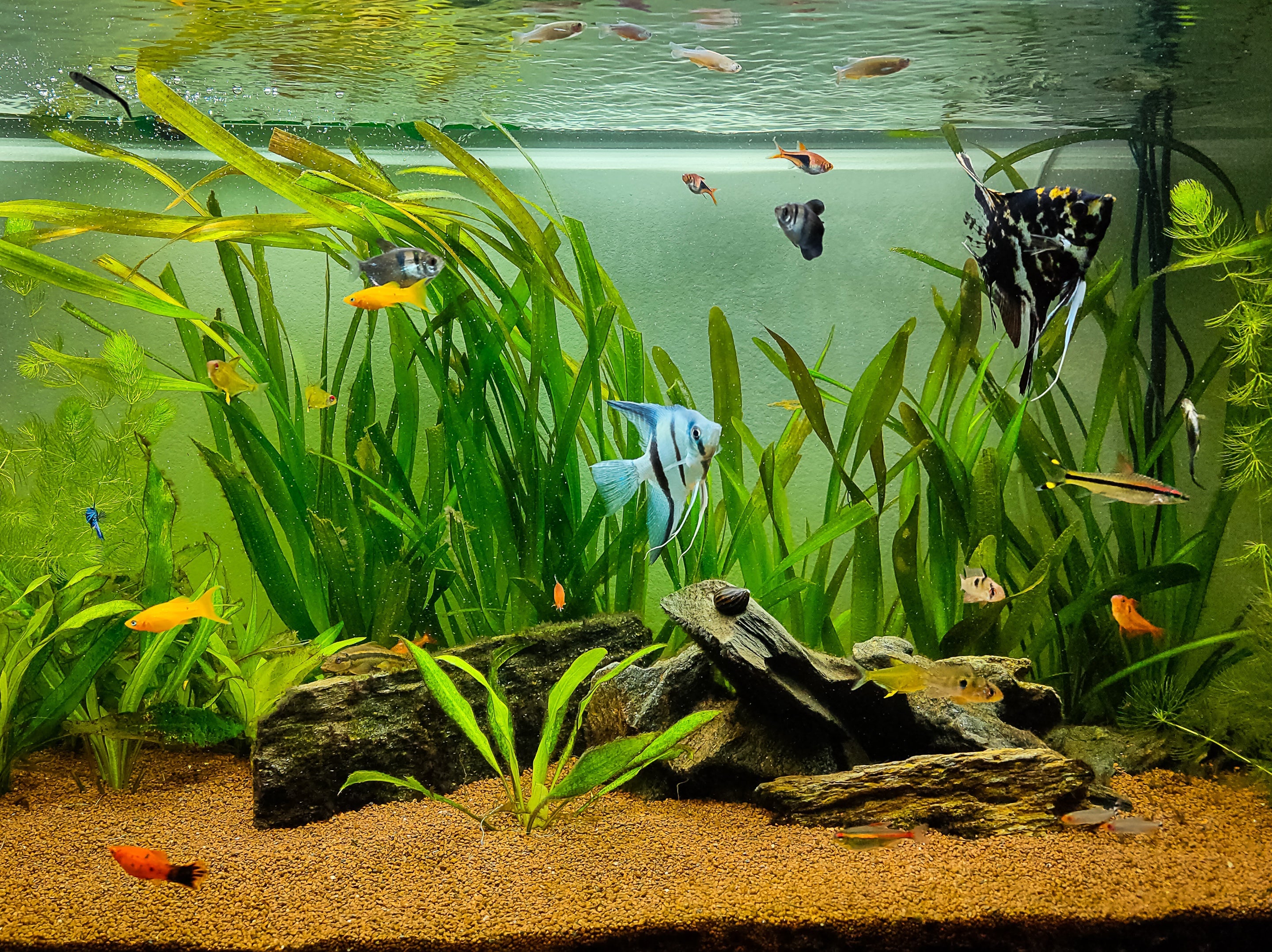
Hiding Spots And Structures
Guppies need places to hide and rest. Decorations like caves, rocks, and plants help reduce their stress.
Add small caves or tunnels made for aquariums. You can also use driftwood or smooth rocks to create shelters.
- Hiding spots protect guppies from stress
- Use aquarium-safe caves and tunnels
- Driftwood adds natural look and shelter
- Smooth rocks avoid injuring fish
- Plants also offer hiding places
Credit: splashyfishstore.com
Feeding Your Guppies
Guppies are easy to care for in your aquarium. Feeding them right is important for their health.
Understanding the right food and feeding schedule keeps your guppies happy and healthy.
Types Of Food
Guppies enjoy a varied diet. This includes flakes, pellets, and live food.
Providing different foods helps them get all the nutrients they need.
- Flake food: Easy to find and use
- Pellet food: Sinks slowly, good for bottom feeders
- Live food: Brine shrimp and daphnia are favorites
Feeding Frequency
Guppies should eat small amounts several times a day. This mimics their natural feeding habits.
Offering food two to three times daily is ideal for young and adult guppies.
Avoiding Overfeeding
Overfeeding can harm your guppies. It leads to water quality problems and health issues.
Feed only what they can eat in two minutes. Remove uneaten food to keep the tank clean.
- Watch their eating habits
- Adjust portions as needed
- Use a feeding schedule
Tank Maintenance Tips
Maintaining your guppy tank is important for healthy fish. Regular care keeps the water clean and fish happy.
Here are some simple tips for beginners to keep the tank in top shape. Follow these to ensure a safe environment for your guppies.
Regular Water Changes
Changing water regularly helps remove waste and toxins. It keeps the tank clean and fresh.
For best results, change about 20% of the water each week. Use dechlorinated water at the same temperature as the tank.
- Remove old water with a siphon
- Add fresh, dechlorinated water
- Check water temperature
Cleaning Filters
Filters help keep the water clean by removing particles. Clean them regularly to ensure they work well.
Rinse the filter media in tank water every month. Avoid using tap water as it can kill beneficial bacteria.
- Turn off the filter before cleaning
- Rinse media gently in old tank water
- Reassemble and restart the filter
Monitoring Water Parameters
Check water parameters like pH, ammonia, and nitrate levels. This helps ensure a healthy environment for your guppies.
Use test kits to check these levels weekly. Keep the pH level between 6.8 and 7.8 for best results.
- Test ammonia, nitrite, and nitrate levels
- Check the pH level regularly
- Adjust levels as needed
Breeding Basics
Guppies are popular fish for beginners. They breed easily in home tanks.
Understanding breeding helps you care for the fish and fry well.
Signs Of Pregnancy
Female guppies show signs when they are pregnant. Watch for changes in their body shape.
The belly becomes round and large. A dark spot near the rear also appears.
- Round, swollen belly
- Dark gravid spot near the anal fin
- Less active behavior
- Hiding more often
Setting Up A Breeding Tank
Use a separate tank for breeding to protect the fry. Keep the water clean and warm.
Add plants and hiding spots. These give shelter to fry and reduce stress.
- Tank size: at least 10 gallons
- Water temperature: 75-80°F (24-27°C)
- Use a sponge filter for gentle filtration
- Provide live plants or breeding grass
Caring For Fry
Fry need special care after birth. Feed them small, frequent meals.
Keep water clean and check temperature daily. Avoid strong currents that can harm fry.
- Feed baby brine shrimp or crushed flakes
- Feed 3-4 times a day in small amounts
- Change 20% of water weekly
- Keep temperature steady around 78°F (26°C)

Credit: www.coastgemusa.com
Frequently Asked Questions
What Size Tank Is Best For Guppy Beginners?
A 10-gallon tank is ideal for guppy beginners. It provides enough space for swimming and stable water conditions. Larger tanks are easier to maintain and reduce stress for fish. Avoid tanks smaller than 5 gallons as they can cause water quality issues.
How Often Should I Clean A Guppy Tank?
Clean your guppy tank every 2 weeks by changing 25-30% of the water. Regular cleaning prevents harmful waste buildup. Avoid cleaning all water at once to preserve beneficial bacteria. Use a gravel vacuum to remove debris without disturbing fish.
What Water Temperature Do Guppies Need?
Guppies thrive in water temperatures between 72°F and 78°F (22°C-26°C). Maintain stable temperature using an aquarium heater. Sudden changes can stress or harm guppies. Monitor temperature daily for optimal fish health and activity.
Can Guppies Live With Other Fish Species?
Yes, guppies are peaceful and can live with other small, non-aggressive fish. Suitable tank mates include tetras, mollies, and platies. Avoid larger or aggressive species that may harm guppies. Always research compatibility before adding new fish.
Conclusion
Setting up a guppy tank is simple and fun. Choose a proper tank size and clean water. Add plants and hiding spots for comfort. Feed your guppies small amounts of food daily. Watch their colors and behavior to keep them healthy.
Regular water changes keep the tank fresh. Patience and care help your guppies thrive. Enjoy the peaceful beauty these fish bring. Start small, learn, and grow your aquarium skills. A happy guppy tank brings joy to any home.