
Have you ever watched a group of guppies swimming together and wondered what their behavior really means? Understanding guppy social behavior can change the way you care for these colorful fish and make your aquarium come alive.
You’ll discover fascinating insights about how guppies interact, communicate, and thrive in their social groups. By the time you finish reading, you’ll know exactly what your guppies are telling you and how to create the perfect environment for their happiness.
Ready to unlock the secrets of guppy social life? Let’s dive in!
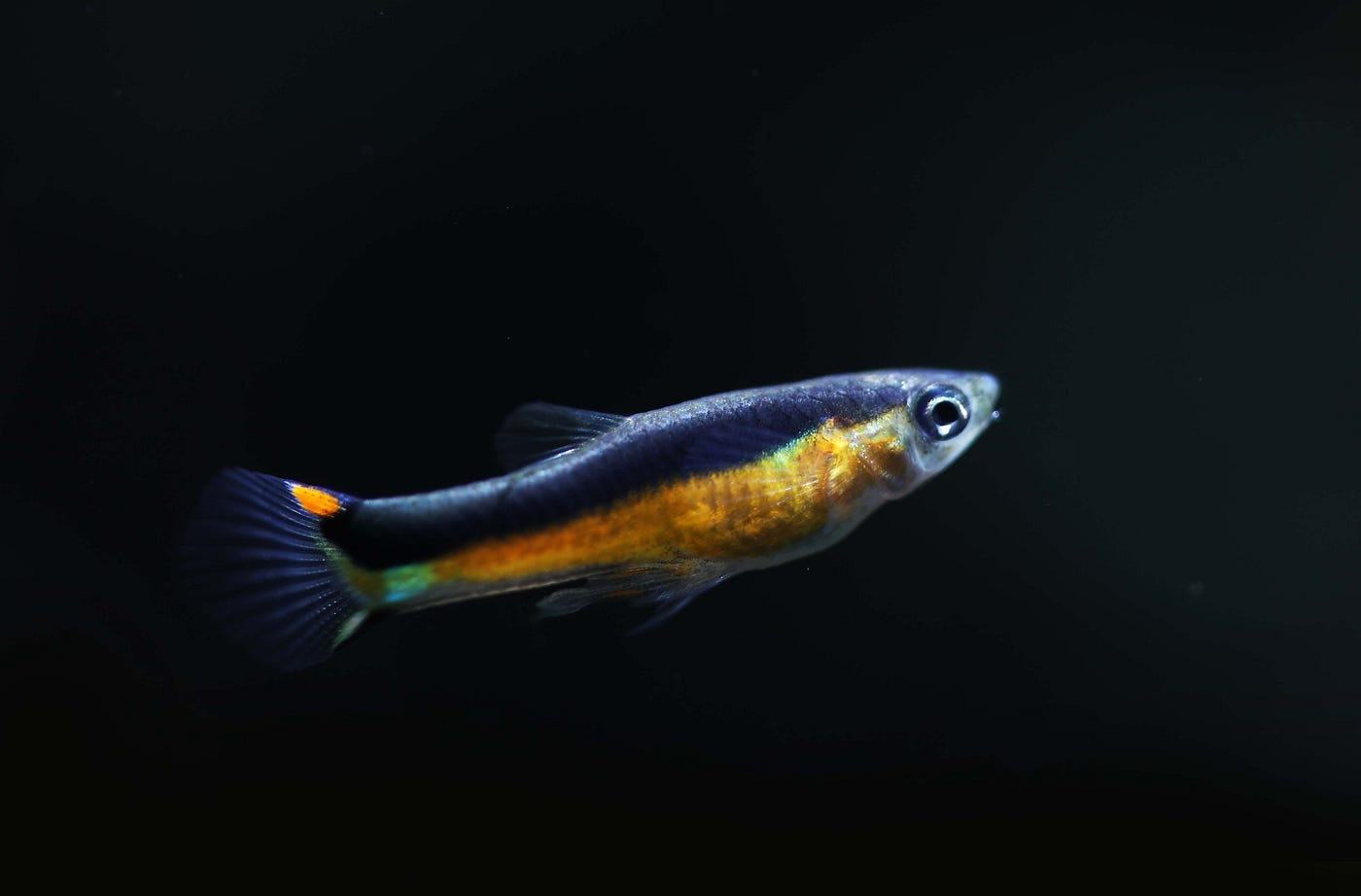
Credit: thermoaesthetics.medium.com
Guppy Social Groups
Guppies are small fish that live in groups. These groups help them survive and find food.
Understanding guppy social groups shows how they interact and stay safe in the wild.
Schooling Patterns
Guppies swim together in schools to protect themselves. Schooling helps confuse predators.
They keep close to each other and move as one. This makes it hard for predators to catch one fish.
- Swim in groups of 5 to 20 fish
- Stay close to avoid danger
- Change direction quickly as a group
Hierarchy And Dominance
Guppies have a social order. Some fish are more dominant than others.
Dominant guppies get the best spots and food. Less dominant fish avoid fights by keeping distance.
- Dominant males show brighter colors
- Submissive fish stay at the edges
- Hierarchy helps reduce fights in the group

Credit: jungleaquatics.com
Communication Methods
Guppies are small, colorful fish with interesting social behaviors. They use various methods to communicate with each other in their aquatic environment.
Understanding how guppies communicate helps us learn more about their social interactions and survival strategies.
Visual Signals
Guppies use their bright colors and patterns to send messages. These visual signals can indicate mood, strength, or readiness to mate.
Color changes might also help guppies warn others of danger. Their vibrant colors play a big role in their social life.
- Brighter colors often attract mates
- Darkening colors can signal aggression
- Color patterns can show rank or status
Chemical Cues
Guppies release chemicals into the water to communicate. These chemical cues can convey information about their health and stress levels.
By sensing these chemicals, other guppies can react appropriately. This helps them avoid danger and find mates.
- Chemicals can signal danger or predators
- Stress chemicals alert others to threats
- Pheromones can attract potential mates
Mating Rituals
Guppies have fascinating mating rituals that help them find the right partner. Their behaviors are bright and active.
Understanding these rituals gives insight into how guppies communicate and choose mates in their environment.
Courtship Displays
Male guppies show off bright colors and swim in special patterns to attract females. These displays show strength and health.
- Flashing colorful spots on their bodies
- Swimming in loops and quick darts
- Shaking their fins to catch attention
- Following females closely without scaring them
Mate Selection
Female guppies choose mates based on several factors. They prefer males with bright colors and strong courtship skills.
| Factor | Reason |
| Bright Colors | Indicates good health |
| Active Displays | Shows strong fitness |
| Size | Larger males often win fights |
| Behavior | Gentle males reduce stress |
Territorial Behavior
Guppies show territorial behavior to protect their space. This helps them find food and mates safely.
Male guppies often guard a small area. They use this space to attract females and keep rivals away.
Establishing Boundaries
Guppies mark their territory by swimming in patterns. They also use body language to warn others.
Bright colors and fin displays help signal ownership. These signs reduce fights by showing strength early.
- Swimming in loops around the area
- Showing bright colors to stand out
- Spreading fins to look bigger
- Chasing away intruders gently
Conflict Resolution
When guppies fight, they try to avoid serious harm. Most conflicts end with one fish backing down.
They use quick displays and chasing to settle disputes. If needed, they swim away to keep peace.
- Flashing fins to show power
- Short chasing to test strength
- Stopping fights before they get violent
- Retreating to avoid injury
Parental Care
Guppies show interesting behaviors when caring for their young. Their actions help offspring survive in nature.
Parental care includes steps before and after birth. Each part plays a key role in protecting babies.
Gestation And Birth
Female guppies carry babies inside their bodies for about 21 to 30 days. This time is called gestation.
- Fertilization happens inside the female.
- Babies develop in the mother’s body.
- She gives birth to live young, not eggs.
- Birth happens in safe, calm places.
Offspring Protection
After birth, guppy parents take steps to protect their young from threats like predators.
| Protection Method | Description |
| Hiding | Young hide in plants to avoid predators. |
| Quick swimming | Babies swim fast to escape danger. |
| Group safety | They stay close to other guppies for defense. |
Environmental Influence
The behavior of guppies changes with their environment. Their social actions depend on where they live and how crowded it is.
Understanding these factors helps us know why guppies act the way they do in nature.
Impact Of Habitat
Guppies live in many water habitats like streams, rivers, and ponds. Each place affects their behavior differently.
- Clear water makes guppies more active and social.
- Murky water causes them to stay hidden and cautious.
- Plants and rocks provide shelter and influence group size.
- Flowing water can make guppies swim more and change how they interact.
Effect Of Population Density
The number of guppies in one place changes their social actions. More guppies lead to different behaviors than fewer ones.
| Population Density | Behavior Observed |
| Low Density | Less competition, more exploration |
| Medium Density | Balanced social interactions and space use |
| High Density | More aggression and tight group formations |
Benefits Of Social Interaction
Guppies live in groups and often interact with each other. Their social behavior helps them stay safe and healthy. Being around others gives guppies many benefits.
Social interaction allows guppies to share information and work together. This teamwork improves their chances of survival in the wild.
Survival Advantages
Guppies stay in groups to watch out for predators. When one guppy sees danger, it alerts the others. This early warning helps the group escape quickly.
Groups also confuse predators, making it harder to catch one fish. Guppies in a group have better chances of avoiding attacks.
- More eyes to spot predators
- Early alerts improve escape time
- Groups confuse and distract enemies
- Stronger defense through numbers
Stress Reduction
Guppies feel safer when they are with others. This lowers their stress levels and keeps them calm. Less stress helps guppies stay healthy and live longer.
Social contact also reduces nervous behavior. Guppies that are alone may hide more and eat less. Groups help them feel secure and active.
- Feeling of safety lowers stress
- Calmer guppies eat and swim better
- Active social life improves health
- Less hiding means more feeding

Credit: jungleaquatics.com
Observing Guppy Behavior
Guppies are lively fish that display many interesting behaviors. Observing them can teach us a lot about their social interactions.
As an aquarist, understanding guppy behavior is key to maintaining a healthy tank environment. Let’s dive into some common patterns.
Tips For Aquarists
Keeping guppies requires attention to several behavioral cues. These tips help in understanding and managing their social behavior.
- Observe their swimming patterns daily
- Keep the tank clean to reduce stress
- Provide hiding spaces for shy guppies
- Ensure a balanced diet to maintain health
Common Behavior Patterns
Guppies exhibit specific behaviors that indicate their well-being. Understanding these patterns can help in identifying any issues early.
| Behavior | Possible Meaning |
| Schooling | Safety and social interaction |
| Tail Chasing | Courtship display |
| Hiding | Stress or illness |
| Surface Gulping | Oxygen deficiency |
Frequently Asked Questions
What Is Typical Guppy Social Behavior Like?
Guppies are social fish that enjoy living in groups. They exhibit schooling behavior to feel safe and reduce stress. Interaction within groups helps them find food and avoid predators effectively.
How Do Guppies Communicate With Each Other?
Guppies communicate using body movements, color changes, and fin displays. Males use bright colors to attract females. They also perform specific swimming patterns during courtship to express interest.
Why Do Guppies Form Schools In Aquariums?
Guppies form schools for protection and social interaction. Group living reduces individual risk from predators. In aquariums, schooling also helps maintain a peaceful and active environment.
How Does Guppy Social Hierarchy Work?
Guppy social hierarchy is based on dominance and territory. Dominant males display brighter colors and chase rivals. Females prefer dominant males for mating, ensuring strong genetic traits.
Conclusion
Guppies show many interesting social behaviors. They often swim together in groups called shoals. This helps them stay safe from predators. Male guppies display bright colors to attract females. They also compete gently with other males. Female guppies choose mates based on these displays.
Understanding their social habits helps in caring for them. It also makes watching them more fun. These small fish have complex lives beneath the water surface. Watching guppy behavior can teach us about nature’s balance. Their actions tell stories without words.
Simple, yet fascinating.