
Are you fascinated by guppies and want to spot those truly rare colors that make your aquarium stand out? Identifying guppy rare colors can be tricky, but once you know what to look for, your fish collection will shine like never before.
In this guide, you’ll discover simple tips to recognize these unique hues, helping you choose and care for guppies that are as special as you want them to be. Keep reading, and unlock the secrets behind the most eye-catching guppy colors!
Guppy Color Basics
Guppies are small fish known for their bright colors. Their colors come in many shades and patterns.
Understanding guppy colors helps in identifying rare types. Colors also show the fish’s health and breed.
Common Guppy Colors
Many guppies show colors like red, blue, green, and yellow. These colors mix in different ways.
Patterns include spots, stripes, and patches. Each pattern makes the guppy unique and easy to spot.
- Red: Bright and eye-catching
- Blue: Soft to deep shades
- Green: Light green to emerald
- Yellow: Often found on fins
- Black: Spots or full body
Genetics Behind Colors
Guppy colors come from genes passed by parents. These genes control which colors show on the fish.
Some genes are dominant and appear often. Others are recessive and rare, making colors special.
- Dominant genes: Show up more in guppies
- Recessive genes: Need both parents to pass them
- Multiple genes: Can mix to create new colors
- Mutations: Sometimes cause rare colors
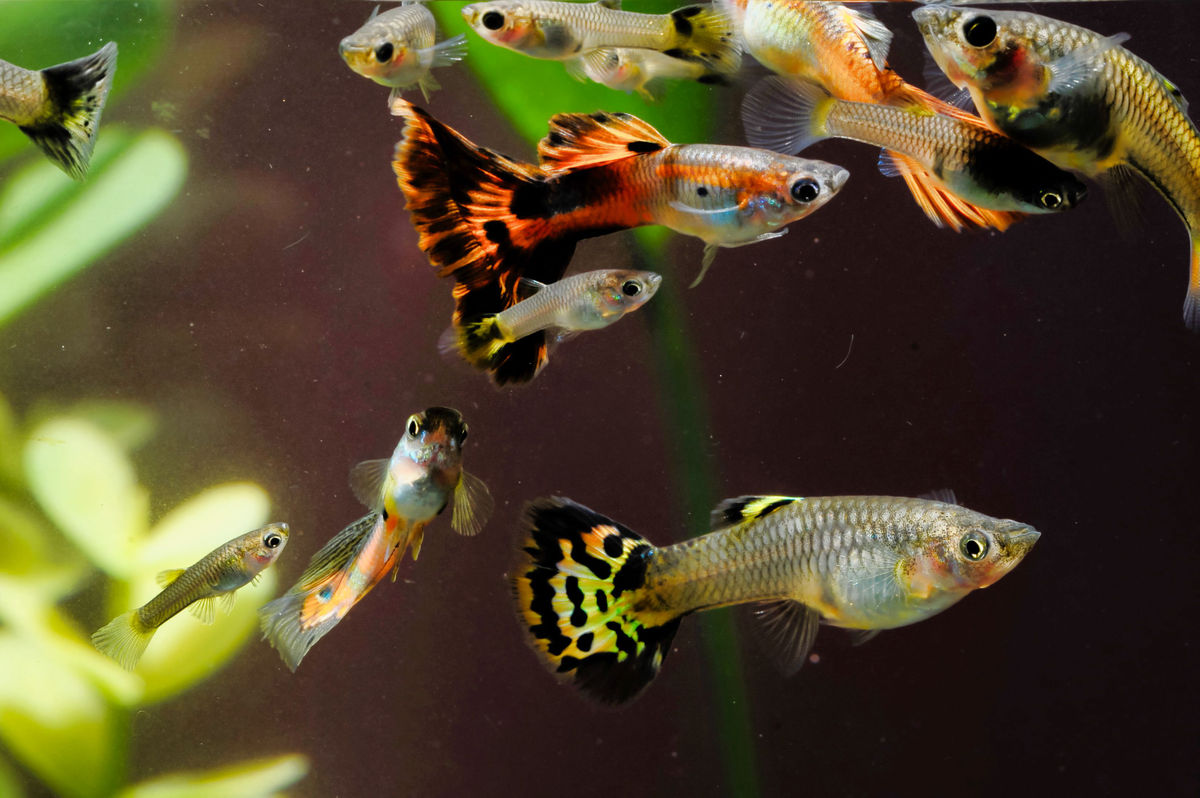
Credit: gigazine.net
Rare Guppy Colors
Guppies come in many colors. Some colors are rare and special. These rare colors make guppies unique and interesting.
Knowing rare guppy colors helps fish lovers identify and appreciate these beautiful fish. Let’s explore some rare guppy color types.
Metallic Shades
Metallic shades give guppies a shiny look. These colors reflect light like metal. They make guppies sparkle in the water.
Common metallic colors include silver, gold, and bronze. These shades are hard to find and very prized.
- Silver Metallic: Bright and shiny silver scales
- Gold Metallic: Warm gold tones on the body
- Bronze Metallic: Dark, rich bronze color
Albino Variants
Albino guppies lack dark pigments. They have pale skin and red or pink eyes. This makes them look very different from normal guppies.
Albino guppies are rare because of their unique color and eye features. They need special care to avoid sun damage.
- Pure Albino: White body with red eyes
- Albino Tuxedo: White body with dark tail edges
- Albino Moscow: Light body with faint red markings
Unique Patterns
Some guppies have rare patterns on their bodies. These patterns make each fish look special. They can be spots, stripes, or mixed shapes.
Unique patterns are less common and prized by collectors. They add beauty and variety to guppy tanks.
- Snake Skin: Thin, wavy stripes on the body
- Mosaic: Patchy, colorful spots and shapes
- Snakeskin Tuxedo: Combination of stripes and dark edges
Spotting Rare Traits
Guppies come in many colors and patterns. Some rare colors make them special and valuable.
Knowing how to spot rare traits helps you find unique guppies for your tank or collection.
Color Intensity
Rare guppies have strong, bright colors. Their colors look deeper than common ones.
Look for guppies with rich reds, blues, and greens. These colors should not be pale or dull.
- Bright and clear colors show rarity
- Faded or washed-out colors are common
- Intense color can cover the whole body or parts
Pattern Symmetry
Rare guppies often have balanced patterns on both sides. Symmetry means the pattern matches well.
Check if spots and stripes are even. Uneven patterns are normal but less rare.
- Symmetrical spots add to guppy value
- Patterns can be spots, stripes, or patches
- Look for clear edges and shapes in patterns
Fin Shape And Color
Rare guppies have unusual fin shapes or colors. Fins may be larger or have unique designs.
Colors on fins should be bright and may differ from the body color. This contrast is special.
- Look for round, flowing, or fan-shaped fins
- Colorful fins with patterns show rarity
- Uncommon fin edges like spots or stripes are rare
Breeding For Rare Colors
Guppies show many colors, but rare colors need special care. Breeding for these colors takes time and patience.
Understanding genetics and careful selection help keep these colors strong in your fish.
Selective Breeding Tips
Choose parent guppies with the rare colors you want to keep. Select healthy fish to improve results.
- Pick males with clear, bright colors.
- Use females that carry the desired color genes.
- Keep detailed records of each breeding pair.
- Breed multiple pairs to compare offspring colors.
- Remove fish that do not show the rare colors.
Genetic Challenges
Rare colors often come from complex gene combinations. Some colors are linked to recessive genes.
| Genetic Factor | Effect on Color |
| Dominant Genes | Show color in most offspring |
| Recessive Genes | Need both parents to pass gene |
| Polygenic Traits | Multiple genes affect color shade |
| Mutation | Rare but can create new colors |
Maintaining Color Purity
Keep your rare colors pure by avoiding crossbreeding with common guppies. Check offspring for color consistency.
Here are tips to maintain color purity:
- Separate rare color lines from others.
- Use only parents with strong color traits.
- Test breed periodically to confirm color stability.
- Replace any fish that dilute the color quality.
Care For Rare Guppies
Rare guppies have unique colors that need special care. Keeping them healthy helps keep their colors bright.
Good care means the right tank, food, and health checks. Each part helps your rare guppies stay strong.
Tank Conditions
Rare guppies need clean water and the right space to swim. Keep the water temperature steady between 74°F and 78°F.
Use a filter to keep the water fresh. Change 25% of the water every week to remove waste and keep the tank safe.
- Temperature: 74°F – 78°F (23°C – 26°C)
- pH level: 6.8 to 7.8
- Tank size: At least 10 gallons for a small group
- Weekly water change: 25%
- Use gentle filtration
Diet For Vibrant Colors
Feed rare guppies a balanced diet to keep their colors bright. Use high-quality flakes or pellets made for tropical fish.
Add live or frozen foods like brine shrimp or bloodworms. These foods add nutrients and help color shine.
- High-quality tropical fish flakes or pellets
- Live or frozen brine shrimp
- Bloodworms and daphnia
- Vegetables like blanched spinach or peas
- Feed small amounts 2-3 times daily
Health Monitoring
Check your rare guppies daily for signs of illness. Look for changes in color, behavior, or swimming patterns.
Keep the tank clean and remove sick fish to stop diseases. Treat any sickness quickly using proper fish medicine.
- Watch for faded colors or spots
- Notice if fish hide or swim abnormally
- Keep water tests regular for ammonia and nitrites
- Remove sick fish immediately
- Use medicines as directed for infections

Credit: jungleaquatics.com
Valuing Rare Guppies
Rare guppies come in many colors and patterns. They are popular among fish enthusiasts. Knowing their value helps in choosing the best ones.
Understanding market demand, pricing factors, and collecting tips are key. These guide you in valuing these unique fish.
Market Demand
Market demand affects guppy prices. Rare colors are often more sought after. This increases their market value.
- Bright and unusual colors are in high demand.
- Patterns like snakeskin or mosaic attract buyers.
- Limited supply of certain strains boosts interest.
Pricing Factors
Several factors influence the pricing of rare guppies. Knowing these helps in understanding their value.
| Factor | Impact on Price |
| Color Rarity | Higher rarity increases price |
| Pattern Uniqueness | More unique patterns cost more |
| Breeder Reputation | Well-known breeders may charge more |
| Health and Size | Healthy, larger guppies are pricier |
Collecting Tips
Collecting rare guppies can be a rewarding hobby. Knowing how to find them is important for any collector.
Attend Events:Fish shows and auctions are good places to find rare guppies.
Network:Join guppy clubs to meet other collectors and share tips.

Credit: www.canadaguppies.com
Frequently Asked Questions
What Defines A Rare Guppy Color?
Rare guppy colors are unique hues not commonly seen in the species. These colors result from specific genetic traits. They often include unusual shades or patterns. Breeders value them for their distinct appearance and rarity in the aquarium trade.
How To Identify Rare Guppy Colors Accurately?
Identify rare guppy colors by examining their body and fin hues closely. Look for uncommon patterns and shades. Use reliable color charts and guides for comparison. Genetic lineage and breeder information also help confirm rarity.
Why Are Some Guppy Colors Considered Rare?
Some guppy colors are rare due to limited genetic occurrence. Breeding challenges and mutation rarity contribute to their scarcity. Demand from aquarists also makes them valuable. These colors often require careful selective breeding.
Can Lighting Affect Guppy Color Identification?
Yes, lighting influences how guppy colors appear. Natural or white LED light best reveals true colors. Poor or colored lighting may distort hues. Always assess guppy colors under consistent, neutral lighting for accuracy.
Conclusion
Rare guppy colors make your aquarium stand out. Spotting these colors takes practice and patience. Each rare color tells a unique story of fish genetics. Keep observing your guppies to recognize special patterns. Enjoy the process of identifying and learning about them.
Your effort helps protect and appreciate these beautiful fish. Stay curious and watch your collection grow with rare finds.