
Feeding fish in a species-specific tank might seem simple, but there’s more to it than just dropping flakes in the water. Getting it right means your fish stay healthy, vibrant, and active.
If you want to avoid common mistakes that can harm your fish or cloud your tank, this guide is exactly what you need. You’ll learn how to choose the perfect food, feed the right amount, and create a routine that fits your fish’s unique needs.
Keep reading to discover the secrets that make feeding your fish easy and effective every time.
Choosing The Right Food
Feeding fish in a species-specific tank needs care. Each species has unique food needs. Picking the right food helps fish stay healthy and active.
Learn about different diet types, food forms, and special nutrition. This guide helps you make good feeding choices for your fish.
Diet Types For Different Species
Fish eat different types of diets depending on their species. Some are herbivores, eating mostly plants. Others are carnivores and need meat. Omnivores eat both plants and animals.
Knowing your fish’s diet type helps you pick food that matches what they eat in nature. This keeps them strong and healthy.
- Herbivores:Eat algae, vegetables, and plant matter.
- Carnivores:Need protein-rich foods like insects and small fish.
- Omnivores:Eat a mix of plants and animal foods.
Live Vs. Frozen Vs. Pellets
Fish food comes in many forms. Live food is fresh and natural. Frozen food lasts longer but keeps nutrients. Pellets are easy to store and use.
Each form has pros and cons. Choose based on your fish’s needs and your care routine.
- Live food:Good for carnivores, adds natural movement.
- Frozen food:Convenient and less risky for disease.
- Pellets:Balanced nutrition, easy to feed and store.
Special Nutritional Needs
Some fish have special nutrition needs. For example, some need extra protein to grow. Others need more fiber for digestion.
Watch for signs of poor nutrition like dull color or slow swimming. Adjust food types to meet your fish’s needs.
- Growing fish:Need high protein for strong muscles.
- Pregnant fish:Require extra vitamins and minerals.
- Herbivores:Benefit from added fiber and plant matter.
- Older fish:Need easy-to-digest food and supplements.
Feeding Schedules
Feeding fish in a species-specific tank requires careful planning. Different species have different needs. A proper schedule ensures fish stay healthy and active.
Knowing how often and how much to feed is crucial. A good schedule helps avoid overfeeding and keeps the tank clean.
Frequency By Species
Different fish species have different feeding frequencies. Some need food several times a day, while others eat less often.
Research your fish species to set the right schedule. Overfeeding can harm fish and dirty the water.
- Goldfish: Feed 2-3 times daily
- Betta: Feed once a day
- Tropical fish: Feed 1-2 times daily
Portion Control Tips
Portion control is important to maintain a healthy tank. Fish should eat all the food within a few minutes.
Only feed what they can consume quickly. Uneaten food can spoil and pollute the water.
- Observe fish eating habits
- Adjust portions as needed
- Remove uneaten food after 5 minutes
Adjusting For Growth And Activity
As fish grow, their food needs change. Active fish may require more food than less active ones.
Monitor fish size and behavior to adjust feeding. Ensure they get enough nutrients for healthy growth.
- Increase food as fish grow
- Watch for signs of hunger
- Reduce food if fish become sluggish
Feeding Techniques
Feeding fish in a species-specific tank needs special care. Each fish species has unique diets and habits.
Using the right feeding techniques helps keep fish healthy and happy. It also reduces waste in the tank.
Hand Feeding Methods
Hand feeding lets you give food directly to your fish. This method helps build trust between you and the fish.
It works well for fish that recognize their owners and eat from hands. Always use clean hands and gentle movements.
- Use small amounts of food at a time
- Feed slowly to avoid overfeeding
- Watch fish behavior to adjust feeding
- Keep hands wet to protect fish skin
Using Feeding Tools
Feeding tools help deliver food safely and accurately. Tools include feeding tongs, pipettes, and feeding rings.
These tools reduce stress by placing food where fish can easily reach it. They also prevent food from spreading everywhere.
- Feeding tongs place food near shy fish
- Pipettes deliver liquid or small food pieces
- Feeding rings keep floating food in one spot
- Tools help control portion size and timing
Encouraging Natural Foraging
Natural foraging lets fish find food on their own. This keeps fish active and reduces boredom.
You can hide food in plants, caves, or substrate to mimic natural hunting. This method suits species that like to search for food.
- Scatter food in different tank areas
- Use live or frozen food to encourage hunting
- Place food inside decorations or plants
- Feed at different times to keep fish alert

Credit: blog.petloverscentre.com
Common Feeding Mistakes
Feeding fish in a species-specific tank needs care. Mistakes can harm fish health and water quality.
Learning common feeding errors helps keep your fish safe and happy in their environment.
Overfeeding Risks
Giving fish too much food is a common problem. It causes leftover food to rot and pollute the water.
Overfeeding can lead to obesity and health issues for your fish. It also stresses the tank system.
- Water becomes cloudy and smelly
- Fish may get swim bladder problems
- Algae grow faster due to extra nutrients
- Filter systems get clogged quickly
Underfeeding Signs
Not feeding enough can make fish weak and less active. They may lose color and show slow growth.
Watch for fish that ignore food or compete too much. These are signs they are hungry or stressed.
- Thin or skinny fish bodies
- Fish hiding or avoiding light
- Reduced swimming or playful behavior
- Increased aggression over food
Avoiding Food Contamination
Dirty or old food can introduce germs to your tank. This harms fish and water quality.
Always store food properly and remove uneaten portions. Keep feeding tools clean to avoid contamination.
- Use sealed containers for food storage
- Do not feed spoiled or moldy food
- Remove leftover food after feeding
- Clean feeding tools regularly
Maintaining Tank Health
Keeping a fish tank healthy is key for your fish to thrive. Proper feeding helps maintain clean water and strong fish.
Understanding how to manage uneaten food, water quality, and cleaning after feeding supports a balanced tank.
Managing Uneaten Food
Uneaten food can pollute the water and harm fish health. Remove leftover food quickly to avoid decay.
- Feed small portions to reduce waste
- Use feeding rings to keep food contained
- Pick out uneaten food after 5 minutes
- Adjust feeding amount if leftovers remain
Water Quality And Feeding
Good water quality depends on careful feeding habits. Overfeeding causes water pollution and algae growth.
| Feeding Issue | Effect on Water | Solution |
| Overfeeding | Excess nutrients, cloudy water | Feed less, remove leftovers |
| Uneaten food | Ammonia spikes, toxins | Clean uneaten food quickly |
| Uneven feeding | Fish stress, aggression | Feed fish evenly and consistently |
Cleaning After Feeding
Cleaning after feeding helps prevent buildup of waste and keeps water safe for fish.
- Remove leftover food with a net or siphon
- Check filter function and clean if needed
- Test water parameters weekly
- Perform partial water changes regularly
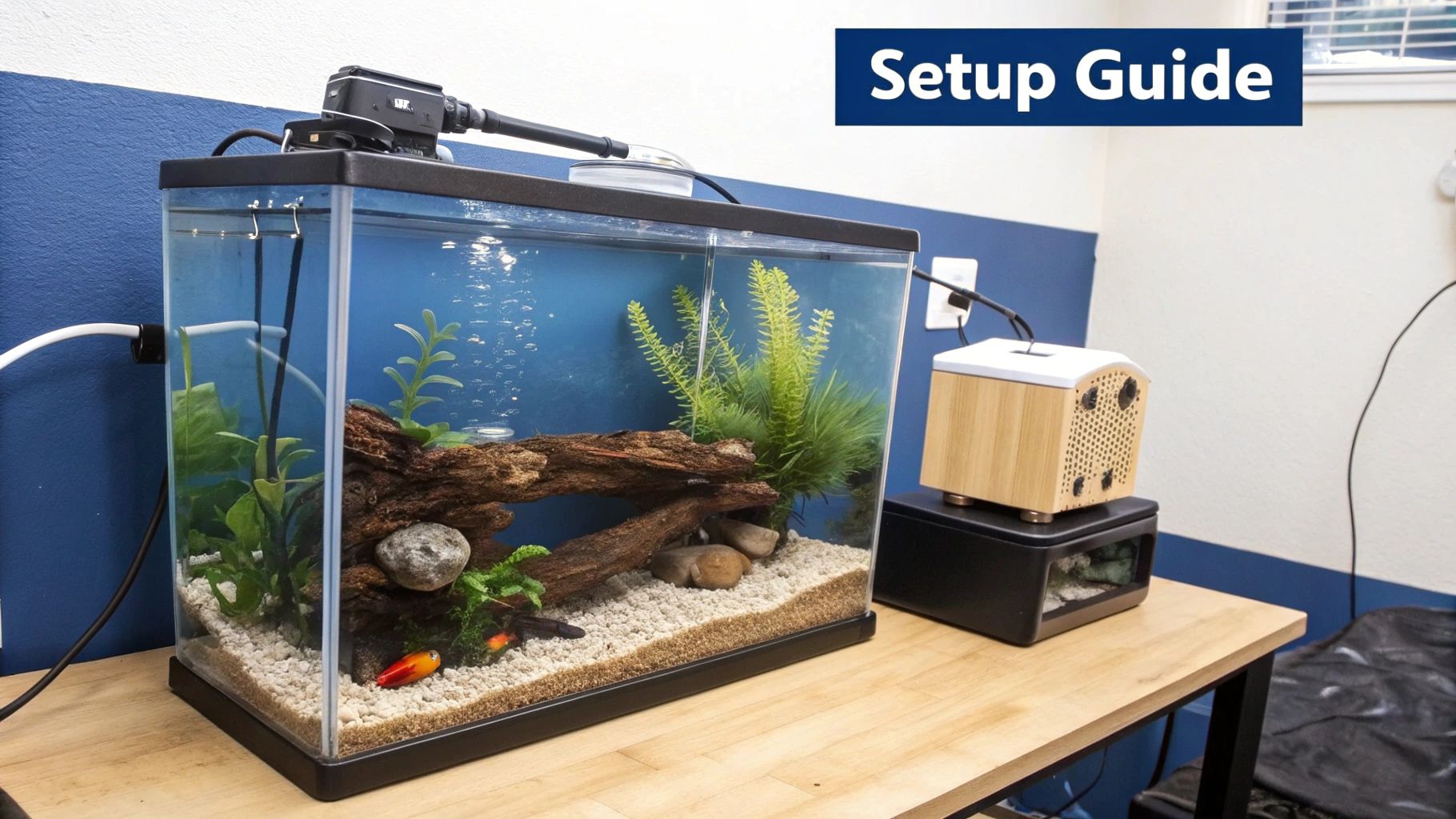
Credit: clixfueling.com
Monitoring Fish Health
Feeding fish in a species-specific tank needs careful health monitoring. Healthy fish show good behavior and look well.
Watch your fish often. Early signs of health problems help you act fast and keep fish safe.
Behavioral Changes
Fish behavior shows how they feel. Look for changes like less movement or hiding more than usual.
Fish that stop eating or swim strangely might be sick or stressed. This can mean you need to check their diet or tank.
- Swimming near the surface or bottom more than usual
- Less active or hiding a lot
- Loss of appetite or refusal to eat
- Erratic or jerky swimming
Physical Indicators
Look closely at your fish’s body. Signs like faded colors or torn fins show health problems.
Check for spots, swelling, or unusual marks. These can mean infections or poor water quality.
- Faded or dull colors
- Torn or clamped fins
- White spots or patches
- Swollen belly or body
- Rapid gill movement
When To Adjust Diet
Change your fish’s diet if they show health or behavior problems. A balanced diet supports recovery.
If fish lose weight, stop eating, or get sick often, try new food types or feeding amounts.
- Fish refuse food for two or more days
- Fish lose weight or look thin
- Many fish show sickness signs
- Water quality changes after feeding
- Growth slows down in young fish
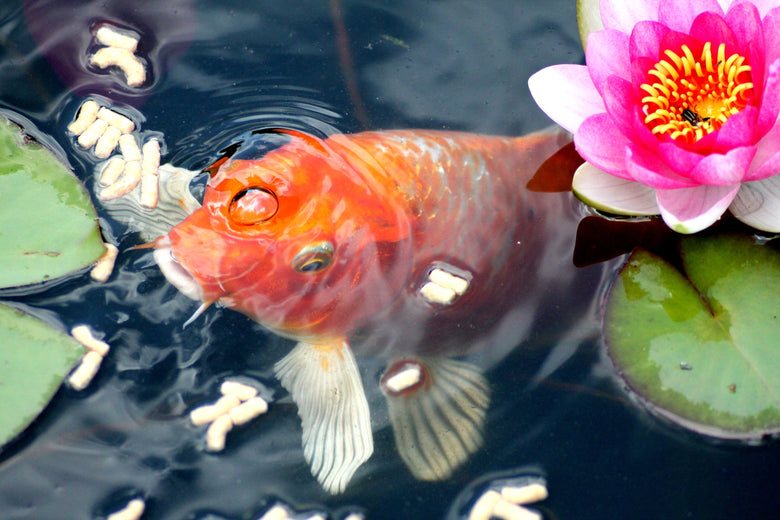
Credit: www.completekoi.com
Frequently Asked Questions
What Is A Species-specific Fish Tank?
A species-specific tank houses only one fish species. This setup reduces aggression and stress. It also allows tailored care for that species.
How Often Should I Feed Fish In A Species-specific Tank?
Feed fish once or twice daily. Provide only what they can eat within minutes. Avoid overfeeding to maintain water quality.
What Type Of Food Suits Species-specific Tanks?
Choose food based on the fish species’ diet. Use flakes, pellets, or live food accordingly. Proper nutrition ensures healthy growth and behavior.
Can Feeding Schedules Vary In Species-specific Tanks?
Yes, feeding frequency depends on species metabolism and age. Juveniles may need more frequent meals. Research species-specific needs for best results.
Conclusion
Feeding fish in a species-specific tank needs care and attention. Each fish has unique food needs to stay healthy and happy. Use the right type and amount of food for your fish. Watch their behavior to avoid overfeeding or underfeeding.
Keep the tank clean to prevent health problems. Small changes make a big difference in your fish’s life. A well-fed tank shows lively, colorful fish. Enjoy the process and learn more about your fish every day.