
Choosing the right species for your aquarium can make all the difference between a beautiful, thriving tank and a stressful, messy one. You want your aquarium to be a peaceful, colorful haven that brings you joy every day.
But with so many options out there, how do you pick the best fish and plants that fit your space, lifestyle, and experience? This guide will help you understand what to look for, avoid common mistakes, and create an aquarium that feels just right for you.
Keep reading to discover the secrets to building the perfect underwater world.

Credit: blog.petloverscentre.com
Factors To Consider Before Choosing Species
Choosing the right species for your aquarium is important for a healthy tank. You should think about several factors before making your choice.
These factors help ensure your fish or other animals live well together and stay healthy in their environment.
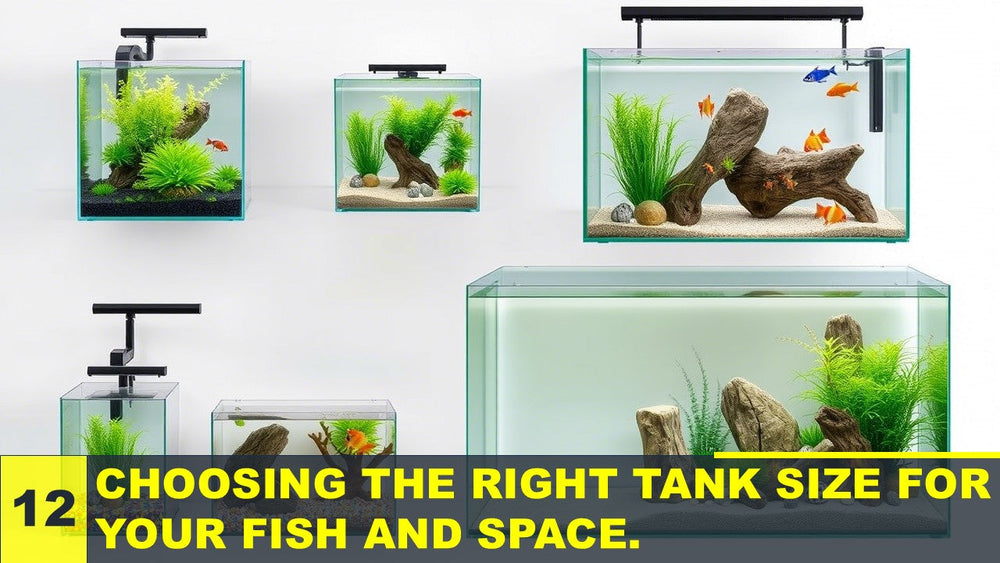
Tank Size And Space
Tank size limits how many and what kind of species you can keep. Some species need more space to swim or grow.
Overcrowding can cause stress and illness in your aquarium inhabitants.
- Small fish need less space but still need room to swim
- Large fish need bigger tanks to stay healthy
- Some species like plants or caves to hide in
- Consider adult size, not just baby size
Water Parameters
Different species need different water conditions to live well. These include temperature, pH level, and hardness.
Make sure your tank’s water matches the species’ needs to keep them healthy and active.
- Check preferred temperature range for the species
- Know the ideal pH level for each fish or animal
- Understand water hardness requirements
- Some species tolerate a wide range; others do not
Compatibility With Other Species
Some species get along well, while others may fight or stress each other. Choose species that can live together peacefully.
Think about behavior, size differences, and feeding habits when mixing species.
- Aggressive species may harm peaceful ones
- Large fish may eat smaller fish
- Bottom dwellers and top swimmers often coexist well
- Group species that share similar needs and temperaments
Maintenance Level
Some species need more care and attention than others. Consider how much time you can spend on tank upkeep.
Easy-care species are best for beginners. Some require special diets or water changes more often.
- Low-maintenance species need less cleaning and feeding
- High-maintenance species may need special food or water
- Consider your experience before picking demanding species
- Regular tank checks help keep all species healthy
Popular Freshwater Species
Choosing the right fish for your aquarium can be exciting. Freshwater species are diverse and colorful.
Some fish are great for community tanks, while others prefer solitude. Let’s explore the options.
Community Fish
Community fish are friendly and live well with others. They are ideal for shared spaces.
- Guppies: Small and vibrant, they breed easily.
- Neon Tetras: Known for their striking blue and red colors.
- Corydoras Catfish: Peaceful bottom dwellers, good for cleaning.
Solo Species
Some species thrive best alone. They need space and can be territorial.
| Species | Characteristics |
| Betta Fish | Colorful fins, aggressive to other males |
| Oscar Fish | Large and intelligent, needs a big tank |
Plant-friendly Fish
These fish coexist with live plants. They help maintain a balanced ecosystem.
Livebearers like mollies and platies do well in planted tanks. They appreciate the cover and food sources that plants provide.
Top Saltwater Species
Choosing the right saltwater fish makes your aquarium healthy and beautiful. Some fish are easier to care for than others.
This guide covers reef-safe fish, beginner-friendly species, and colorful unique options for your tank.
Reef-safe Fish
Reef-safe fish do not harm corals or other reef creatures. They live well with invertebrates and plants.
These fish keep the reef environment balanced and safe for all tank members.
- Clownfish – Popular and peaceful, good with corals
- Gobies – Small bottom dwellers, help clean the tank
- Blennies – Active and reef safe, good algae eaters
- Cardinalfish – Calm swimmers, do well in groups
- Firefish – Bright colors, gentle and reef friendly
Beginner-friendly Species
Some saltwater fish are easier to care for. They adapt well to new tanks and conditions.
These species are good choices for people new to saltwater aquariums.
- Clownfish – Hardy and easy to feed
- Damselfish – Tough and active swimmers
- Firefish – Small, peaceful, and simple to care for
- Green Chromis – Schooling fish that stay calm
- Royal Gramma – Vibrant and easy to keep healthy
Colorful And Unique Options
Some fish bring bright colors and unique shapes to your aquarium. They add interest and beauty.
These species may need more care but are worth the effort for their stunning looks.
- Mandarinfish – Striking patterns and colors
- Royal Gramma – Purple and yellow body
- Flame Angelfish – Bright orange with black stripes
- Orchid Dottyback – Deep purple color, very bold
- Yellow Tang – Bright yellow and active swimmer
Specialized Species For Unique Aquariums
Choosing the right species can make your aquarium truly special. Some fish need unique conditions to thrive. These species add character and interest to your tank.
This guide covers brackish water fish, coldwater species, and rare exotic fish. Each group has distinct needs and beauty.
Brackish Water Fish
Brackish water fish live in water that is a mix of fresh and salt. They need stable salinity levels. These fish often come from estuaries and mangroves.
- Figure Eight Puffer: Small and colorful, needs brackish water.
- Green Spotted Puffer: Active and curious, requires brackish habitat.
- Mono Fish: Known for their jumping ability and unique look.
- Scat Fish: Hardy and peaceful, enjoys plants and hiding spots.
Coldwater Species
Coldwater fish do best in cooler tanks without heaters. They prefer temperatures below 70°F (21°C). These species often come from lakes and streams.
| Species | Temperature Range | Care Level |
| Goldfish | 60-75°F (15-24°C) | Easy |
| White Cloud Mountain Minnow | 64-72°F (18-22°C) | Easy |
| Weather Loach | 60-75°F (15-24°C) | Moderate |
Rare And Exotic Fish
Rare and exotic fish attract attention for their unique shapes and colors. They often need special care and tank setups. Research is key for success.
- Discus – Bright colors, needs soft water and warm temperatures.
- Arowana – Large and powerful, needs a big tank and secure lid.
- Clown Killifish – Small, peaceful, and prefers planted tanks.
- Freshwater Pufferfish – Requires varied diet and careful water quality.
Tips For Introducing New Species
Adding new species to your aquarium can be exciting but requires care. Proper steps help keep your fish healthy and safe.
Follow these tips to introduce new species smoothly and avoid stress or disease in your tank.
Quarantine Procedures
Always quarantine new fish before adding them to your main tank. This prevents the spread of illness to your current fish.
- Set up a separate quarantine tank with clean water.
- Observe new species for at least two weeks.
- Check for signs of disease or unusual behavior.
- Treat any illnesses before introducing fish to your main aquarium.
Acclimation Techniques
Acclimate new species slowly to your aquarium’s water conditions. Sudden changes can harm or stress fish.
| Method | Description |
| Floating Bag | Float the sealed bag in aquarium water for 15-20 minutes to match temperature. |
| Drip Acclimation | Slowly drip tank water into the quarantine container over 30-60 minutes. |
| Gradual Mixing | Add small amounts of tank water to the container every 10 minutes until volume doubles. |
Monitoring And Adjustment
After introducing new species, watch their behavior and environment carefully. Early action helps avoid problems.
- Check fish for signs of stress or illness daily.
- Test water quality regularly for ammonia, nitrites, and nitrates.
- Adjust feeding amounts to prevent waste buildup.
- Keep the tank clean and maintain stable water conditions.

Credit: www.pond-planet.co.uk
Common Mistakes To Avoid
Choosing the right species for your aquarium is important. Many beginners make mistakes that hurt their fish and plants.
This guide covers common errors to avoid. Fixing these will help your aquarium thrive.
Overcrowding
Adding too many fish can cause stress and disease. Fish need enough space to swim freely.
- Do not fill the tank beyond its capacity.
- Research how much space each species needs.
- Leave room for plants and decorations.
- Remember filtration works best with fewer fish.
Ignoring Compatibility
Fish species must get along. Some fish are aggressive or have different water needs.
| Species | Temperament | Water pH | Notes |
| Neon Tetra | Peaceful | 6.0 – 7.0 | Good for community tanks |
| Oscar Fish | Aggressive | 6.0 – 7.5 | Not suitable with small fish |
| Guppy | Peaceful | 7.0 – 8.0 | Likes warmer water |
Neglecting Water Quality
Clean water keeps fish healthy. Poor water harms fish and plants.
- Test water weekly for pH, ammonia, and nitrites.
- Change 20% of water every two weeks.
- Use a good filter and clean it regularly.
- Remove uneaten food and waste daily.
Credit: bubble-magus.net
Frequently Asked Questions
What Factors To Consider When Choosing Aquarium Species?
Consider tank size, water type, temperature, and compatibility. Research species’ behavior, diet, and lifespan to ensure a healthy environment. Matching species needs with your aquarium setup prevents stress and promotes long-term survival.
How To Select Fish Suitable For Beginners?
Choose hardy, low-maintenance species like guppies, tetras, or bettas. These fish tolerate varying conditions and are easy to feed. Avoid aggressive or sensitive species to reduce care complexity for beginners.
Can Freshwater And Saltwater Species Coexist?
No, freshwater and saltwater species require different water conditions. Mixing them harms fish health and disrupts tank balance. Maintain separate aquariums for each to ensure optimal living environments.
How To Ensure Species Compatibility In A Community Tank?
Research species’ temperament, size, and habitat needs. Avoid aggressive or territorial fish with peaceful species. Provide ample space and hiding spots to reduce conflicts and stress.
Conclusion
Choosing the right fish species makes your aquarium healthy and beautiful. Think about tank size, water type, and fish behavior first. Mixing peaceful species creates a calm environment for all fish. Remember, some fish need special care or space to grow.
Take time to research each species before buying. A happy aquarium brings joy and relaxes your mind. Start simple and enjoy learning about your new underwater friends. Your perfect aquarium is possible with careful planning and care.