
Choosing the right fish for your aquarium can feel overwhelming. You want a tank full of lively, colorful fish that thrive and bring you joy.
But how do you pick the perfect fish that fit your tank size, water conditions, and lifestyle? This guide will help you make smart choices, avoid common mistakes, and create a beautiful underwater world you’ll love. Keep reading to discover simple tips that will turn your aquarium into a stunning, healthy home for your fish.
Credit: bubble-magus.net
Types Of Aquarium Fish
Choosing the right fish for your aquarium is important. Different fish need different water conditions. Knowing the types of fish helps you create a healthy tank.
This guide covers three main types of aquarium fish. Each type lives in a specific water environment. Learn about freshwater, saltwater, and brackish water fish.
Freshwater Fish Varieties
Freshwater fish are popular for home aquariums. They live in lakes, rivers, and ponds. Freshwater tanks are easier to maintain and less expensive than saltwater tanks.
- Betta fish: Bright colors, easy to care for.
- Guppies: Small, active, and breed quickly.
- Angelfish: Elegant with long fins.
- Neon tetras: Small with bright neon stripes.
- Corydoras catfish: Bottom-dwellers that clean the tank.
Saltwater Fish Options
Saltwater fish come from oceans and seas. They need saltwater tanks with special equipment. These fish often have vivid colors and unique shapes.
| Fish | Color | Care Level |
|---|---|---|
| Clownfish | Orange and white | Easy |
| Blue Tang | Bright blue | Moderate |
| Mandarinfish | Blue, orange, and green | Hard |
| Royal Gramma | Purple and yellow | Easy |
Brackish Water Fish Choices
Brackish water fish live in water that is a mix of fresh and saltwater. These fish need special care and a tank with controlled salinity.
Common brackish water fish include:
- Figure Eight Puffer
- Green Spotted Puffer
- Archerfish
- Scat Fish
- Mono Fish

Credit: www.amazon.com
Tank Size And Fish Compatibility
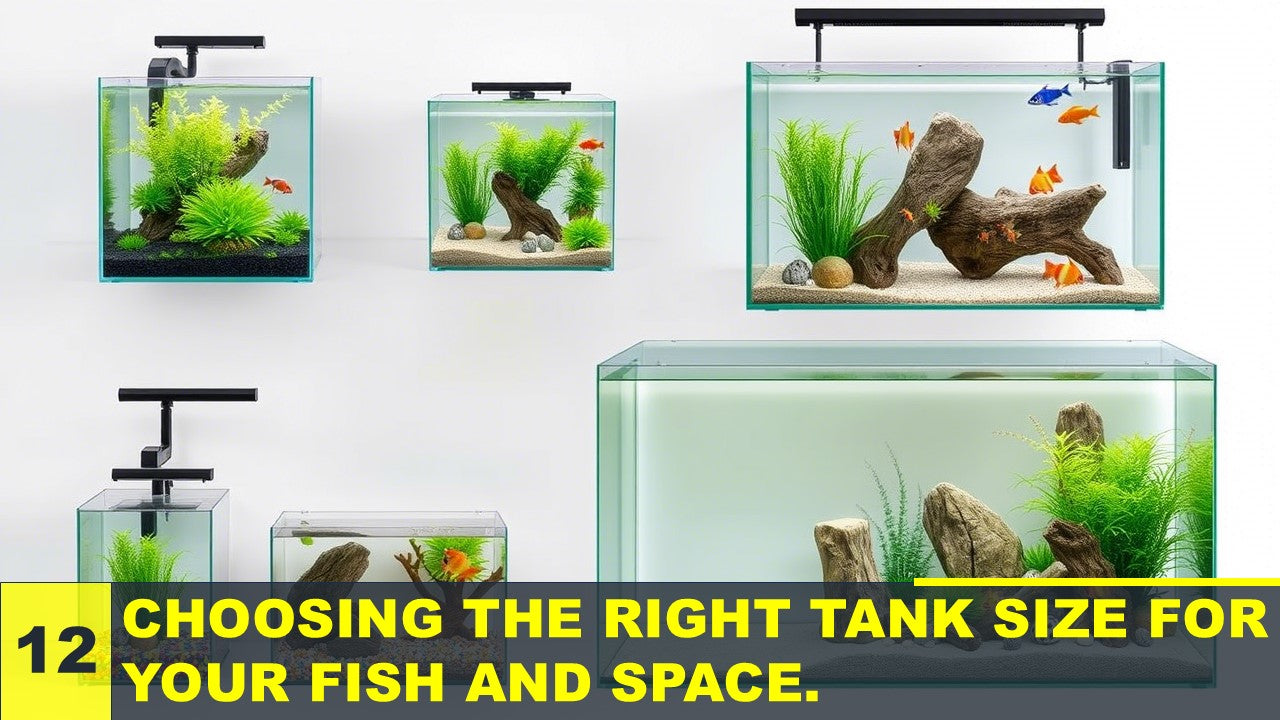
Choosing the right fish for your aquarium depends on tank size and how fish live together. Small tanks need smaller or fewer fish.
Fish compatibility means picking fish that get along well. This keeps your aquarium peaceful and healthy.
Matching Fish To Tank Size
Each fish needs enough space to swim and grow. A small tank cannot hold large or many fish.
Overcrowding causes stress and poor water quality. Choose fish that fit your tank’s size.
- Small tanks (under 10 gallons): small fish like bettas or tetras
- Medium tanks (10-30 gallons): small groups of community fish
- Large tanks (30+ gallons): bigger or more active fish
Social Behavior And Compatibility
Fish have different social needs. Some like to live in groups. Others prefer to be alone.
Pick fish with similar behavior to avoid fights and stress. Watch how they act before mixing species.
- Schooling fish: need groups (e.g., tetras, danios)
- Solitary fish: prefer to be alone (e.g., bettas, some cichlids)
- Bottom dwellers: peaceful and keep to themselves (e.g., catfish, loaches)
Aggressive Vs Peaceful Species
Some fish are naturally aggressive. They may attack others if crowded or stressed.
Peaceful fish live calmly with others. Mixing aggressive and peaceful fish can cause harm.
- Aggressive species: cichlids, bettas, some gouramis
- Peaceful species: neon tetras, guppies, mollies
- Separate aggressive fish from peaceful ones in different tanks
Water Conditions And Fish Needs
Choosing the right fish for your aquarium means understanding their water needs. Each species thrives in specific water conditions.
Matching fish with proper water parameters helps keep them healthy and active.
Temperature Requirements
Fish need water temperatures that suit their natural habitat. Tropical fish like warm water, usually between 75°F and 80°F. Coldwater fish prefer cooler temperatures, around 60°F to 70°F.
Keeping the correct temperature prevents stress and illness in fish. Use an aquarium heater or chiller if needed to maintain steady warmth.
Ph Levels And Hardness
pH measures how acidic or basic the water is. Fish from rivers usually prefer neutral to slightly acidic water. Lake fish often like slightly alkaline water.
- Soft water has low mineral content and low hardness.
- Hard water has high minerals like calcium and magnesium.
- pH typically ranges from 6.0 (acidic) to 8.0 (alkaline) for most fish.
Testing your aquarium water regularly helps you keep pH and hardness in the right range.
Filtration And Oxygen Needs
| Fish Type | Filtration Needs | Oxygen Requirement |
| Goldfish | Strong filtration to handle waste | Moderate oxygen levels |
| Betta | Gentle filtration or none | Low oxygen, surface breathing |
| Cichlids | Good filtration for clean water | High oxygen levels |
| Guppies | Moderate filtration | Moderate oxygen levels |
Good filtration removes waste and keeps water clear. Fish need enough oxygen to breathe. Some fish breathe air from the surface if oxygen is low.

Credit: www.completekoi.com
Feeding And Care Tips
Choosing the right fish for your aquarium means understanding their feeding and care needs. Proper feeding keeps fish healthy and active.
Good care includes watching their diet and behavior. This guide helps you provide the best environment for your fish.
Dietary Preferences
Different fish eat different foods. Some like flakes, others prefer live food or plants. Know your fish’s diet before buying.
Feed fish foods that match their natural diet. This helps them stay healthy and grow well.
- Herbivores eat algae and plants
- Carnivores need live or frozen insects and small fish
- Omnivores eat both plants and meat-based foods
Feeding Frequency
Feed your fish the right amount at the right times. Overfeeding can pollute the water and harm fish.
Most fish do well with small meals two times each day. Some species need less or more.
- Feed young fish more often than adults
- Remove leftover food to keep water clean
- Observe fish to adjust feeding amount
Health Monitoring
Watch your fish daily for signs of illness or stress. Healthy fish swim actively and eat well.
Check for changes in color, spots, or unusual behavior. Early detection helps prevent disease spread.
- Look for cloudy eyes or torn fins
- Note if fish hide or stop eating
- Keep water clean and check temperature regularly
Setting Up Your Aquarium
Setting up your aquarium correctly is important for your fish to live happily. You need to plan the tank carefully.
Choosing the right materials and equipment helps create a safe environment for your fish and plants.
Choosing The Right Substrate
The substrate is the material at the bottom of your aquarium. It affects water quality and fish health.
Gravel, sand, and soil are common types. Pick one based on the fish and plants you want.
- Gravel is good for many fish and easy to clean
- Sand is soft for bottom fish and looks natural
- Soil is best for live plants and helps them grow
Aquarium Plants And Decorations
Plants add oxygen and hideouts for fish. Decorations make the tank look nice and fun.
Choose plants that suit your fish type. Avoid sharp decorations that can hurt them.
- Live plants improve water quality and fish health
- Plastic plants are easy but less natural
- Rocks and driftwood create hiding spots
- Avoid sharp or toxic decorations
Lighting And Equipment
Good lighting helps plants grow and shows off your fish’s colors. Not all fish need the same light.
Other equipment like filters and heaters keep water clean and at the right temperature.
- Use LED lights for energy savings and good light
- Choose a filter that fits your tank size
- Heaters keep tropical fish warm
- Check equipment regularly to keep it working well
Common Mistakes To Avoid
Setting up an aquarium is exciting, but mistakes can harm fish. Knowing common errors helps create a healthy environment.
Choosing the right fish and caring for them is crucial. Avoid these mistakes for a thriving aquarium.
Overcrowding The Tank
Too many fish can make the tank unhealthy. Fish need space to swim and breathe. Overcrowding leads to stress and disease.
Consider the size of your tank when adding fish. A balanced number ensures all fish have enough room.
- Small tanks need fewer fish
- Large tanks can hold more fish but not too many
- Research the space each species needs
Mixing Incompatible Species
Some fish do not get along. Mixing wrong species can cause fights. Research fish habits before combining them.
Choose fish with similar temperaments. Peaceful fish should be with other peaceful fish to keep harmony in the tank.
- Aggressive fish might harm others
- Different water needs can stress fish
- Know which species are compatible
Neglecting Water Quality
Water quality affects fish health. Dirty water can make fish sick. Regular maintenance is key to a clean environment.
Check water parameters often. This includes temperature, pH, and ammonia levels. Proper filtration helps keep water safe.
- Change water regularly
- Test water for harmful substances
- Use a reliable filter system
Sourcing Your Fish
Choosing the right fish for your aquarium is important. The source of your fish can affect their health and longevity.
There are several ways to source fish, each with its benefits. Let’s explore them below.
Reputable Fish Stores
Visiting a reputable fish store ensures you get healthy fish. These stores often provide expert advice and a variety of species.
- Check the store’s cleanliness and fish health
- Ask about the fish’s origin and care requirements
- Observe the staff’s knowledge and willingness to help
Online Fish Sellers
Online fish sellers offer convenience and a wide selection. You can find rare species not available locally.
- Read reviews and ratings of the seller
- Check shipping policies and live arrival guarantees
- Contact sellers for detailed care instructions
Breeding Your Own Fish
Breeding your own fish can be rewarding. It gives you control over the fish’s environment and health from birth.
| Benefits | Considerations |
| Learn about fish behavior | Requires time and effort |
| Control fish genetics | Need special equipment |
| Potentially lower costs | Must manage population growth |
Frequently Asked Questions
What Fish Are Best For Beginner Aquariums?
Beginner-friendly fish include guppies, tetras, and bettas. They are hardy, low-maintenance, and adapt well to aquarium life. These species require minimal care and tolerate a range of water conditions, making them ideal for new hobbyists.
How Do I Choose Fish Compatible With My Aquarium Size?
Select fish based on your tank’s gallon capacity and swimming space. Avoid overcrowding by researching adult fish size and behavior. Compatibility ensures a healthy environment and reduces stress among aquarium inhabitants.
Which Fish Species Are Peaceful And Community-friendly?
Peaceful fish like neon tetras, corydoras, and mollies coexist well in community tanks. They avoid aggression and thrive in groups. Choosing calm species promotes harmony and a balanced aquarium ecosystem.
What Water Conditions Suit Different Aquarium Fish?
Fish species thrive in specific pH, temperature, and hardness ranges. Research each species’ water preferences before purchase. Maintaining proper water conditions supports fish health and longevity.
Conclusion
Choosing the right fish makes your aquarium healthy and beautiful. Think about the size of your tank and fish needs. Match fish that live well together and share similar care. Keep water clean and check temperature often to keep fish safe.
Enjoy watching your colorful fish swim happily every day. A careful choice leads to a joyful fish-keeping experience. Keep learning and adjusting as you grow in your hobby. Happy fish, happy tank!