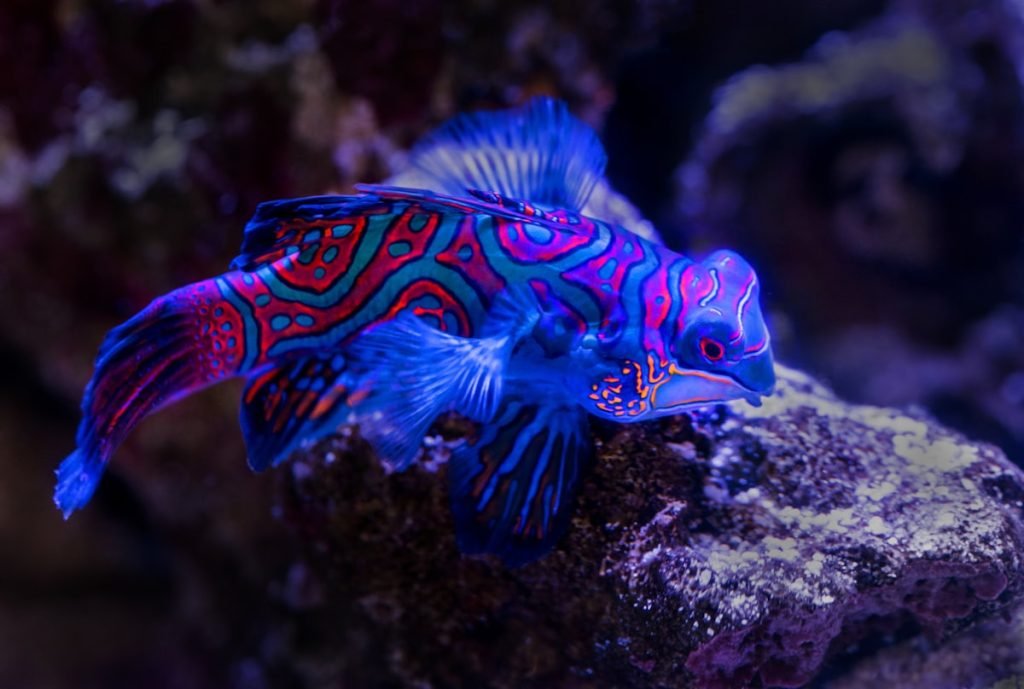
Are you ready to take your fish-keeping hobby to the next level? Breeding fish in a species-specific tank can be one of the most rewarding experiences you’ll have as an aquarium enthusiast.
But it’s not always easy—each fish species has unique needs that must be met for successful breeding. In this guide, you’ll discover simple, practical steps to create the perfect environment for your fish to thrive and multiply. Whether you’re a beginner or have tried before without success, this article will give you the confidence and knowledge to see your fish fry grow strong.
Keep reading, and unlock the secrets to breeding fish like a pro!

Credit: www.completekoi.com
Choosing The Right Species
Picking the right fish species is important for successful breeding. Different fish have unique needs and behaviors.
This guide helps you select species suitable for a species-specific breeding tank. Learn about popular fish, compatibility, and behavior.
Popular Species For Breeding
Some fish species are easier to breed and care for in a species-only tank. These species often have clear breeding habits and manageable care.
- Guppies: Small, colorful, and breed quickly in home tanks.
- Betta Fish: Known for their vivid colors and bubble nest building.
- Angelfish: Require calm water and good tank space for breeding.
- Neon Tetras: Small schooling fish that prefer planted tanks.
- Corydoras Catfish: Bottom dwellers that breed best in groups.
Compatibility Factors
Choosing compatible species is key to avoid stress and aggression. Consider tank size, water type, and diet.
| Factor | Explanation |
| Water Parameters | Match pH and temperature needs of species. |
| Tank Size | Provide enough space for adults and fry. |
| Diet | Ensure species eat similar foods. |
| Breeding Style | Some fish need plants or caves for spawning. |
Temperament And Behavior
Temperament affects breeding success. Choose peaceful fish to reduce fights. Some species are aggressive during breeding.
- Peaceful species do well in groups and share space.
- Aggressive species may need separate tanks for breeding.
- Some fish build nests and guard their eggs.
- Observe behavior before pairing fish for breeding.
Setting Up The Tank
Setting up the tank is the first step for breeding fish in a species-specific tank. The right setup helps fish feel safe and breed well.
Each fish species has different needs for tank size, water, and decorations. Knowing these needs will improve your success.
Tank Size And Shape
Choose a tank size that fits the fish species and their breeding habits. Some fish need more space to swim and hide.
The tank shape also matters. Long tanks give more swimming room. Tall tanks work for fish that like vertical space.
- Small fish usually need at least 10 gallons
- Larger species may require 20 gallons or more
- Flat tanks help with surface breeders
- Tall tanks suit species that use plants or rocks vertically
Water Quality And Parameters
Good water quality is very important for breeding. Keep the water clean and stable to reduce stress on fish.
Each species has specific needs for temperature, pH, and hardness. Match these to encourage breeding.
- Test water regularly for ammonia, nitrites, and nitrates
- Keep temperature steady according to species needs
- Adjust pH level to the ideal range for the fish
- Use a good filter but avoid strong currents
Substrate And Decorations
The substrate and decorations create a safe space for fish to breed. Use materials that suit the species’ habits.
Some fish lay eggs on plants or rocks. Others need caves or soft substrate for digging nests.
- Use fine sand or gravel for bottom dwellers
- Add live plants for hiding spots and egg laying
- Include caves or clay pots for shy breeders
- Keep decorations easy to clean to avoid dirt buildup
Preparing Fish For Breeding
Preparing fish for breeding needs care and attention. This helps ensure healthy offspring and successful spawning.
Good preparation starts with choosing the right breeders, feeding them properly, and knowing when they are ready to breed.
Selecting Healthy Breeders
Choose fish that show strong health and good size. Healthy breeders are active and have clear eyes and bright colors.
- Look for no signs of disease or injury
- Pick fish that have lived in your tank for some time
- Select fish with good body shape and fins
- Avoid fish that are too young or very old
Conditioning With Diet
Feed breeders a special diet to improve their health and breeding chances. Quality food helps build energy and vitality.
| Food Type | Benefits |
| Live Foods (e.g., brine shrimp) | High protein, boosts energy |
| Frozen Foods | Good alternative to live foods |
| Vegetable Matter | Supports digestion and health |
| High-quality Pellets | Balanced nutrition and vitamins |
Recognizing Breeding Readiness
Watch your fish for signs they are ready to breed. Behavior and physical changes are clear signals.
- Male fish show brighter colors and chase females
- Females have a fuller belly and may hide more
- Both fish may clean the tank or chosen breeding area
- Spawning behavior includes shaking or nudging
Credit: conocer.cide.edu
Breeding Techniques
Breeding fish in a species-specific tank requires careful planning. You need to understand the unique needs of each fish species.
Following the right techniques can ensure a healthy breeding process. This guide will explore different methods and care tips.
Spawning Methods
Spawning methods vary based on fish species. Some fish prefer laying eggs on surfaces, while others scatter them in the water.
- Surface Spawners: Use broad leaves or flat stones.
- Egg Scatterers: Ensure plenty of plants for eggs to hide.
- Bubble Nesters: Provide floating plants for nest building.
Egg Care And Protection
Once eggs are laid, they need protection from other fish. Keeping them safe ensures they hatch successfully.
| Method | Protection |
| Separate Tank | Move eggs to a safe tank |
| Mesh Divider | Place a mesh to separate eggs |
| Natural Cover | Use plants to hide eggs |
Handling Fry
Fry are delicate and need special care. Proper feeding and tank conditions help them grow strong.
- Feed small, frequent meals to the fry.
- Keep water clean to prevent diseases.
- Provide hiding spots for fry safety.
Maintaining The Breeding Environment
Keeping the breeding tank stable is key to fish health and successful breeding.
This guide covers important care steps to keep your fish safe and comfortable.
Water Changes And Filtration
Regular water changes help remove waste and keep water clean for breeding fish.
- Change 10-20% of the water weekly to maintain quality.
- Use a gentle filter to avoid stressing fish or disturbing eggs.
- Keep water free of chlorine and harmful chemicals.
- Test water parameters often to ensure safe levels of pH and ammonia.
Lighting And Temperature Control
Light and temperature affect fish behavior and breeding cycles.
| Factor | Recommended Setting |
| Lighting | 8-12 hours of soft, natural light daily |
| Temperature | Species-specific range, usually 75-80°F (24-27°C) |
| Consistency | Keep stable to avoid stressing fish |
Preventing Stress And Disease
Stress weakens fish and increases the risk of disease in the breeding tank.
- Limit loud noises and sudden movements near the tank.
- Do not overcrowd; keep fish numbers low for comfort.
- Quarantine new fish before adding them to the breeding tank.
- Keep tank clean and remove uneaten food promptly.
- Watch for signs of illness and act quickly if needed.
Common Challenges And Solutions
Breeding fish in a species-specific tank can be rewarding. Yet, it comes with its own set of challenges. Understanding these can help you manage your aquarium better.
Let’s explore some common issues and how to address them effectively.
Aggression And Territorial Issues
Fish can become aggressive and territorial. This often happens during breeding times. They may fight over space or mates.
Providing plenty of hiding spots can reduce aggression. Use rocks, plants, or decorations. This helps fish establish their own territory.
- Introduce fewer fish to minimize competition
- Rearrange tank decor to reset territories
- Ensure tank size accommodates all fish comfortably
Failed Spawning Attempts
Sometimes fish fail to spawn. This can be due to stress, poor water conditions, or incompatible pairs.
Maintaining clean water is crucial. Test water regularly and keep it within species-specific parameters. Pair fish carefully to ensure compatibility.
- Check water temperature and quality often
- Provide a balanced diet to encourage spawning
- Observe fish behavior to identify potential issues
Fry Survival Rates
Raising fry can be challenging. They are sensitive and need proper care to survive.
Separate fry from adult fish to prevent them from being eaten. Provide them with a safe and nutrient-rich environment.
- Feed fry with appropriate food like baby brine shrimp
- Use a sponge filter to avoid harming fry
- Maintain a stable tank environment
Expanding Your Breeding Success
Breeding fish in a species-specific tank can be very rewarding. To improve your success, you need good habits and careful planning.
This guide covers important tips on record keeping, selective breeding, and sharing your fry with others.
Record Keeping
Keeping detailed records helps track your fish and their breeding history. It makes managing your tank easier and improves your results.
| Date | Fish Species | Pair Details | Number of Fry | Notes |
| 2024-04-10 | Guppy | Male A & Female B | 30 | Good health, strong fry |
| 2024-04-15 | Betta | Male X & Female Y | 20 | Some fry lost, monitor water |
| 2024-04-20 | Platies | Male M & Female N | 25 | All fry active and feeding |
Selective Breeding Tips
Selective breeding helps you improve traits like color, size, and health. Choose the best fish to breed for stronger offspring.
- Pick healthy fish with desired traits
- Avoid breeding fish with defects or illness
- Keep track of family lines to prevent inbreeding
- Test different pairings to find strong combinations
- Give fry proper care to ensure survival
Selling And Sharing Fry
Sharing or selling your fry can help you connect with other fish keepers. It also supports your breeding hobby and tank maintenance.
Consider these points before selling or sharing fry:
- Only offer healthy, strong fry
- Provide care instructions to buyers or friends
- Label fry by species and breeding details
- Use safe packaging for shipping
- Follow local rules about fish sales

Credit: www.youtube.com
Frequently Asked Questions
What Is A Species-specific Tank For Breeding Fish?
A species-specific tank houses only one fish species for better breeding control. It reduces stress and aggression. This environment mimics natural habitats, improving spawning success and fry survival rates.
How Do I Set Up A Breeding Tank Properly?
Choose the right tank size and clean water. Add suitable substrate and hiding spots. Maintain optimal temperature and pH levels. Use gentle filtration to protect eggs and fry.
Which Fish Species Breed Best In Species-specific Tanks?
Livebearers like guppies and mollies, egg layers like cichlids, and bettas breed well. These species benefit from controlled environments that increase breeding success and reduce conflicts.
How Can I Care For Fry In A Species-specific Tank?
Feed fry with finely crushed flakes or specialized fry food. Maintain clean water and stable conditions. Remove aggressive adults to prevent harm. Provide hiding places to improve survival rates.
Conclusion
Breeding fish in a species-specific tank takes patience and care. Keep the water clean and stable for healthy fish. Choose the right tank size and plants to suit your species. Watch your fish closely for signs of breeding readiness. Feeding them a good diet helps too.
Remember, each species has unique needs and behaviors. Small steps lead to successful breeding and happy fish. Enjoy the process and learn as you go. Your tank can become a thriving home for new fish life.