
Choosing the right substrate is one of the most important steps in creating a stunning aquascape. If you want your underwater garden to thrive and look amazing, gravel substrate might be exactly what you need.
It’s not just about aesthetics—gravel plays a key role in plant health, water quality, and the overall balance of your aquarium. You’ll discover how gravel substrate can transform your aquascaping experience, the benefits it offers, and practical tips to choose and maintain the perfect gravel for your setup.
Ready to take your aquascaping to the next level? Let’s dive in!

Credit: www.amazon.com
Choosing The Right Gravel
Gravel plays a key role in aquascaping. It supports plant roots and shapes the aquarium’s look.
Picking the correct gravel helps create a healthy environment for fish and plants.
Types Of Gravel
There are many gravel types. Each has different features for aquascaping.
- River Gravel: Rounded and smooth, good for natural looks.
- Crushed Gravel: Sharp edges, helps plant roots anchor.
- Lava Rock Gravel: Porous and lightweight, aids beneficial bacteria.
- Quartz Gravel: Clear or white, adds brightness to the tank.
Gravel Size And Texture
Gravel size affects water flow and plant growth. Texture impacts fish comfort.
| Size | Best Use | Notes |
| 1-3 mm | Small tanks, planted tanks | Good for roots, may trap debris |
| 4-6 mm | Most aquariums | Balances water flow and planting |
| 7-10 mm | Large tanks, fish that dig | Less debris buildup, harder for plants |
Color Options
Gravel colors change the tank’s mood and highlight plants or fish.
Popular Gravel Colors:
- Natural Browns and Grays: Create a soft, natural feel.
- Black Gravel: Makes colors of fish and plants pop.
- White Gravel: Brightens the tank but needs cleaning often.
- Colored Gravel: Adds fun, but may not look natural.
Credit: www.etsy.com
Benefits Of Gravel Substrate
Gravel substrate is popular in aquascaping. It supports plant growth and looks great.
It also provides a safe environment for aquatic life. Let’s explore these benefits.
Plant Growth Support
Gravel substrate helps plants grow well. Roots can anchor easily in the gravel.
- Provides stable base for roots
- Holds nutrients close to plants
- Prevents plants from floating away
Aesthetic Appeal
Gravel substrate adds natural beauty to aquariums. It comes in different colors and sizes.
Gravel can mimic riverbeds or ocean floors. It enhances the visual appeal of aquatic landscapes.
Aquatic Life Compatibility
Gravel substrate is safe for fish and other aquatic creatures. It does not harm them.
| Aquatic Life | Compatibility |
| Fish | High |
| Snails | High |
| Shrimp | Medium |
Setting Up Gravel Substrate
Gravel substrate is a popular choice for aquascaping. It supports plant roots and provides a natural look. Proper setup helps create a healthy environment for plants and fish.
Learn how to clean, layer, and add nutrients to gravel for the best results. Each step is important for a thriving aquascape.
Cleaning And Preparing Gravel
Clean gravel removes dust and debris. It prevents cloudy water and protects fish health. Rinse gravel in cold water until it runs clear. Avoid using soap or chemicals.
- Place gravel in a bucket
- Rinse under running water
- Stir gravel to wash all pieces
- Repeat until water is clear
- Drain and let dry before use
Layering Techniques
Proper layering helps plants root well and keeps substrate stable. Use different gravel sizes for good water flow. A thicker layer supports larger plants.
| Layer | Description | Purpose |
|---|---|---|
| Bottom Layer | Coarse gravel or sand | Improves drainage and prevents compaction |
| Middle Layer | Nutrient layer or soil | Feeds plant roots |
| Top Layer | Fine gravel | Supports plants and looks natural |
Adding Nutrient Layers
Nutrient layers feed aquatic plants. Use special aquarium soil or fertilizers made for substrate. Spread evenly under gravel.
Follow these tips for adding nutrients:
- Use a thin layer (1-2 cm) of nutrient-rich substrate
- Cover completely with gravel to avoid water clouding
- Choose fertilizers safe for fish and plants
- Replace nutrients periodically for healthy growth

Credit: aquarium-boutique.com
Maintaining Gravel Substrate
Gravel substrate is a popular choice for aquascaping. It helps anchor plants and provides a natural look. Keeping it clean and healthy is important for your aquarium.
Regular care maintains water quality and prevents problems like algae growth. Learn simple ways to clean and refresh your gravel substrate.
Cleaning Tips
Cleaning gravel removes debris and waste that build up over time. Use a gravel vacuum during water changes to avoid disturbing plants.
- Turn off filters before cleaning to prevent sucking gravel
- Use a siphon to clean small sections at a time
- Avoid cleaning all gravel at once to keep beneficial bacteria
- Stir gravel gently to release trapped dirt
- Remove large debris by hand if possible
Preventing Algae Build-up
Algae can grow quickly on gravel if there is too much light or nutrients. Control algae by keeping good water flow and avoiding overfeeding fish.
| Cause | Prevention |
| Excess Light | Limit aquarium light to 8-10 hours daily |
| Overfeeding | Feed small portions and remove leftovers |
| High Nutrients | Perform regular water changes |
| Poor Water Flow | Check and clean filters often |
Replacing And Refreshing Gravel
Over time, gravel can lose its benefits. Replace or refresh gravel to keep your aquarium healthy.
- Remove fish and plants to a temporary tank
- Take out old gravel carefully
- Rinse new gravel with water before adding
- Add new gravel slowly to avoid cloudiness
- Return plants and fish to the aquarium
Common Mistakes To Avoid
Using gravel substrate in aquascaping adds beauty and support for plants. Many beginners make simple errors that harm their aquascape.
Knowing what to avoid helps keep your aquascape healthy and attractive. Below are common mistakes to watch out for.
Overusing Gravel
Putting too much gravel can block water flow and trap waste under the substrate. This hurts plant roots and fish health.
Use just enough gravel to cover the bottom evenly. A thick layer is not always better.
Ignoring Gravel Size
Gravel size affects water movement and plant growth. Too large gravel lets debris fall between pieces. Too fine gravel clogs quickly.
- Small gravel (1-3 mm) suits fine-rooted plants.
- Medium gravel (3-5 mm) balances water flow and root support.
- Large gravel (5-8 mm) works best for fish that like to dig.
Poor Maintenance Practices
Neglecting gravel care leads to bad water quality and unhealthy plants. Regular cleaning removes waste and stops harmful bacteria.
| Maintenance Task | Frequency | Purpose |
|---|---|---|
| Gravel vacuuming | Every 2 weeks | Remove debris and prevent buildup |
| Check gravel depth | Monthly | Ensure no compacting or layering issues |
| Inspect plant roots | Monthly | Look for signs of rot or poor growth |
Enhancing Your Aquascape
Gravel substrate is a popular choice for aquascaping. It helps create natural-looking underwater landscapes. Gravel adds texture and color to your aquarium base.
Using gravel smartly can improve plant growth and fish health. It also gives structure to your aquascape design.
Combining Gravel With Other Substrates
Mixing gravel with other substrates creates varied textures. It helps plants root better and adds visual interest. You can use fine sand or nutrient-rich soil with gravel.
This combination supports both plant and fish needs. Gravel keeps the substrate stable. Soil provides nutrients for plants. Sand offers a smooth surface for bottom dwellers.
- Layer soil below gravel for plant nutrients
- Add sand around gravel for smooth areas
- Use gravel on slopes for stability
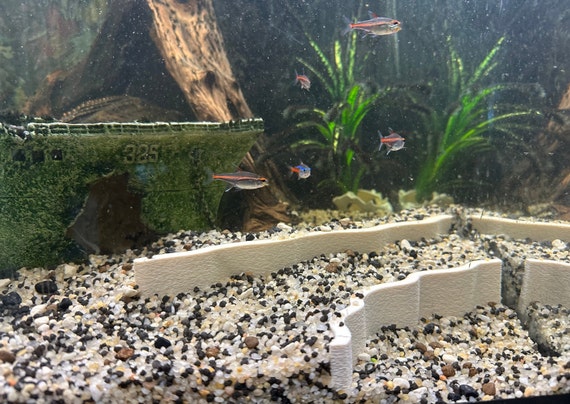
Using Gravel For Terracing
Gravel works well for creating terraces in aquascapes. Terracing means building steps or levels in the substrate. This adds depth and dimension to your aquarium.
Gravel holds well on slopes and prevents soil from washing away. You can arrange gravel in layers to form natural-looking terraces. This helps separate different plant zones.
- Use gravel to build stable terrace edges
- Combine with soil to plant on different levels
- Create small ledges for fish hiding spots
Incorporating Decorative Elements
Gravel pairs nicely with decorative items in aquascapes. Rocks, driftwood, and shells look natural on a gravel base. These elements add interest and texture.
Place decorative pieces carefully on gravel to avoid shifting. Gravel supports these items and keeps them in place. This setup creates a balanced and attractive underwater scene.
- Use gravel as a stable base for rocks and wood
- Mix gravel colors to complement decorations
- Arrange decorations to create focal points
Frequently Asked Questions
What Is Gravel Substrate In Aquascaping?
Gravel substrate is small, coarse rock used as the base layer in aquascapes. It supports plant roots and improves water circulation. Gravel also enhances tank aesthetics and provides a natural environment for fish and beneficial bacteria.
How Does Gravel Substrate Benefit Aquatic Plants?
Gravel substrate offers stability for plant roots, enabling better growth. It allows water and nutrients to flow through easily. This promotes healthy root systems and helps maintain water quality by preventing debris buildup.
Can Gravel Substrate Affect Water Chemistry?
Yes, gravel substrate can influence water chemistry depending on its composition. Some gravels may release minerals that alter pH or hardness. Choosing inert gravel is ideal to maintain stable water parameters for aquatic life.
How To Choose The Right Gravel Size For Aquascaping?
Select gravel size based on plant types and aquarium inhabitants. Fine gravel suits small plants and fish, while coarser gravel supports larger species. Proper size ensures good water flow and prevents trapped debris.
Conclusion
Gravel substrate adds beauty and function to your aquascape. It supports plant roots and helps water flow well. Choosing the right gravel size and color can change your tank’s look. Gravel also makes cleaning easier and keeps fish healthy. Simple to use and natural in feel, it fits many aquarium styles.
Try gravel for a strong base that looks great. Your aquascape will feel more alive and balanced with gravel. A small change that makes a big difference.