
Are you looking to boost your website’s visibility or get quick answers to common questions? Understanding general keywords, FAQs, and useful tips can make a big difference for you.
Whether you’re trying to improve your content, find the right search terms, or simply want clear answers, this guide is made just for you. Keep reading to discover simple strategies that will help you get better results and save time.
Your success starts here.

Credit: blog.hubspot.com
Choosing The Right Keywords
Choosing the right keywords helps your website reach the right audience. Keywords connect your content with what people search online.
Good keyword choices improve your site’s visibility and attract more visitors interested in your topic.
Types Of Keywords
Keywords come in different types. Some target broad topics, and others focus on specific ideas. Understanding these types helps you plan your content better.
- Short-tail keywords:These are one or two words. They have high search volume but more competition.
- Long-tail keywords:These include three or more words. They have lower search volume but attract more specific visitors.
- Local keywords:These keywords target a specific location, like a city or region.
- Branded keywords:These include brand names or products.
Long-tail Vs Short-tail
Short-tail keywords are broad and get many searches. They can be hard to rank for because many sites use them.
Long-tail keywords are longer and more detailed. They attract visitors who look for something specific. These keywords often convert better because the searcher knows what they want.
| Keyword Type | Length | Search Volume | Competition |
| Short-tail | 1-2 words | High | High |
| Long-tail | 3+ words | Low | Low |
Tools For Keyword Research
Use keyword research tools to find good keywords for your website. These tools show search volume, competition, and related keywords.
- Google Keyword Planner
- Ubersuggest
- Ahrefs Keywords Explorer
- SEMrush
- Answer The Public
Try these tips when using keyword tools:
- Focus on keywords with medium to low competition
- Look for keywords with clear user intent
- Check trends to see if keywords are growing in popularity
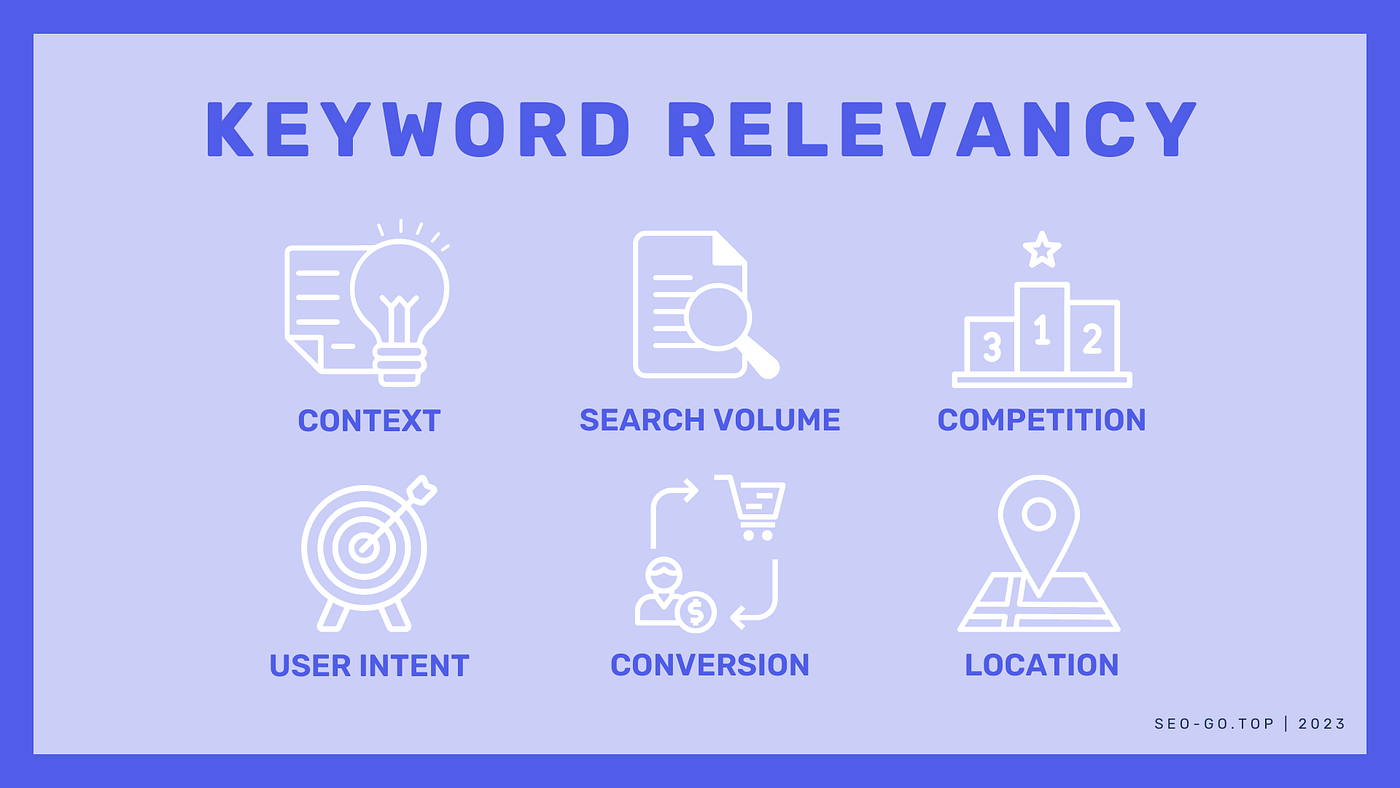
Credit: medium.com
Common Seo Questions
SEO can be confusing for many website owners. Understanding how keywords work helps improve your site’s ranking.
Here are answers to common questions about keywords and SEO best practices.
How Keywords Affect Ranking
Keywords tell search engines what your page is about. Using the right keywords helps your site show up in searches.
Choosing popular keywords with good relevance increases your chance to rank higher on Google.
Keyword Placement Best Practices
Place keywords where search engines expect them. This includes titles, headings, and the first paragraph.
- Use keywords in the page title
- Add keywords to headings (H1, H2, H3)
- Include keywords in the URL slug
- Place keywords naturally in the content
- Use keywords in image alt text
Avoiding Keyword Stuffing
Keyword stuffing harms your SEO. It makes your content hard to read and lowers your site ranking.
| Keyword Stuffing Signs | Why Avoid |
|---|---|
| Too many keywords in one sentence | Looks spammy to search engines |
| Repeating the same keyword often | Reduces content quality |
| Using keywords unrelated to the topic | Confuses readers and search engines |
Practical Seo Tips
SEO helps your website appear higher in search results. Using the right methods boosts your site’s visibility and traffic.
This guide shares simple and useful tips to improve your SEO. Focus on keywords, meta tags, and site structure to get better results.
Optimizing Content For Keywords
Choose keywords that match what people search for. Use them naturally in your text to help search engines understand your content.
- Place keywords in titles and headings
- Use keywords in the first 100 words of content
- Include synonyms and related terms
- Avoid keyword stuffing to keep content readable
- Update keywords regularly based on trends
Using Keywords In Meta Tags
Meta tags help search engines and users know what your page is about. Include main keywords in meta titles and descriptions.
| Meta Tag | Best Practice | Example |
| Title Tag | Include main keyword, keep under 60 characters | Affordable SEO Tips for Small Business |
| Meta Description | Summarize content with keywords, max 160 characters | Learn simple SEO tips to improve your small business website ranking. |
| Alt Text | Describe images with keywords | SEO keyword research chart |
Improving Site Structure
A clear site structure helps search engines index your pages better. It also makes navigation easier for visitors.
- Use clear and simple URLs
- Create a logical menu and categories
- Link related pages internally
- Use breadcrumb navigation
- Make sure your site loads fast on all devices

Credit: www.dealfront.com
Tracking And Adjusting Keywords
Tracking keywords helps you see how well your site ranks. Adjusting them keeps your content relevant.
By watching keywords, you can improve your site’s traffic and reach more visitors.
Monitoring Keyword Performance
Track how keywords perform by checking their rank, clicks, and impressions. This data shows what works and what does not.
- Check keyword rankings regularly
- Analyze traffic from each keyword
- Note changes in click-through rates
- Watch bounce rates on keyword landing pages
Adapting To Search Trends
Search trends change often. Update keywords to match what people now search for. This keeps your content fresh.
| Trend Type | How to Adapt |
| Seasonal | Add seasonal keywords during the right months |
| New Topics | Create content on new popular subjects |
| Long-Tail | Use more specific keyword phrases |
Tools For Analytics
Use tools to collect data and analyze keywords. This helps make smart changes and track success.
Popular tools include:
- Google Analytics
- Google Search Console
- Keyword Planner
- SEMrush
- Ahrefs
Frequently Asked Questions
What Are General Keywords In Seo?
General keywords are broad search terms with high search volume. They attract wide audiences but have high competition. Using them helps increase website visibility and drive traffic. They are essential for building a solid SEO foundation in content marketing strategies.
How Can Faqs Improve Website Seo?
FAQs enhance SEO by targeting specific user queries. They increase keyword relevance and improve user engagement. Well-structured FAQs boost search engine rankings and reduce bounce rates. Including them helps answer visitor questions quickly, improving overall site usability and authority.
What Are Effective Tips For Keyword Research?
Effective keyword research involves using tools to find relevant, high-traffic terms. Focus on user intent and long-tail keywords for better targeting. Analyze competitors and update keywords regularly to stay competitive. This approach maximizes SEO results and drives quality traffic.
Why Include Faqs In Blog Posts?
Including FAQs in blog posts addresses common reader questions. It improves user experience by providing quick answers and reduces confusion. FAQs help rank for featured snippets and voice search queries. They increase time spent on page, boosting SEO performance.
Conclusion
General keywords, FAQs, and tips help improve your content’s reach. Use clear and simple words to attract more readers. Answer common questions to build trust and guide your audience. Share practical tips that readers can apply easily. Keep your content focused and easy to read.
This approach makes your blog helpful and engaging. Small changes can lead to better results over time. Stay consistent and watch your content grow naturally.