
If you want your tropical fish to stay healthy and vibrant, choosing the right food is key. Frozen food for tropical fish offers a fresh, nutrient-packed option that can make a big difference in their growth and color.
But how do you pick the best frozen food? And why should it be part of your fish’s diet? Keep reading to discover simple tips and insider secrets that will help you feed your fish like a pro—and watch them thrive like never before.

Credit: petsdomain.com.au
Benefits Of Frozen Food
Frozen food is a great choice for tropical fish. It offers many benefits for their health and well-being.
These foods are easy to store and use, making them a convenient option for fish owners.
Nutritional Advantages
Frozen food retains its nutrients better than dry food. It provides essential vitamins and proteins that fish need.
- High in protein for growth
- Rich in vitamins for health
- Contains natural oils for energy
Convenience And Storage
Frozen food is easy to store in the freezer. It lasts longer than fresh food, making it a practical choice.
| Type | Shelf Life |
| Frozen Shrimp | 6 months |
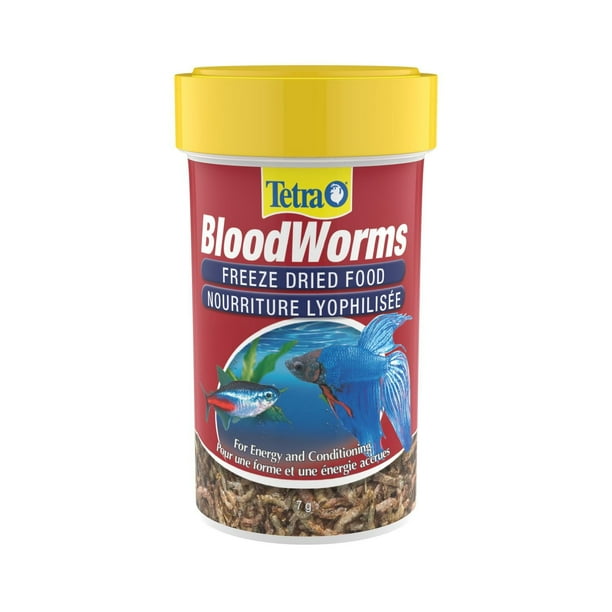
| Frozen Bloodworms | 4 months |
| Frozen Brine Shrimp | 5 months |
Reduced Contamination Risks
Frozen food is less likely to carry parasites or bacteria. This reduces the risk of disease in your fish tank.
Credit: www.walmart.ca
Types Of Frozen Food
Frozen food is a popular choice for feeding tropical fish. It keeps nutrients fresh and is easy to store. Different types of frozen foods suit different fish species and needs.
Below are common types of frozen foods you can use to feed your tropical fish. Each type offers unique benefits and nutrition.
Bloodworms And Brine Shrimp
Bloodworms are rich in protein and attract many fish species. Brine shrimp provide essential vitamins and help improve fish color. Both are easy to digest and popular choices for tropical fish.
Daphnia And Cyclops
Daphnia and cyclops are small crustaceans that serve as natural food. They help clean fish by reducing parasites. These frozen foods are high in fiber and aid digestion.
- Daphnia: Often called water fleas, good for herbivores.
- Cyclops: Tiny copepods, ideal for small carnivores.
- Both support healthy fish immune systems.
Mysis And Krill
Mysis shrimp and krill are great sources of protein and omega-3 fatty acids. They boost fish energy and growth. Many carnivorous fish enjoy these rich frozen foods.
| Food Type | Main Nutrients | Best For |
|---|---|---|
| Mysis Shrimp | Protein, Omega-3 | Carnivores, Medium to Large Fish |
| Krill | Protein, Vitamins | Active Fish, Color Enhancement |
Specialty Fish Foods
Specialty frozen foods include mixes and treats made for certain fish types. These may contain added vitamins or unique ingredients. They help meet specific dietary needs.
Examples of specialty frozen foods:
- Algae cubes for herbivores
- Spirulina blends for color boosting
- Enriched feeds for breeding fish
Selecting Quality Frozen Food
Frozen food is a great choice for feeding tropical fish. It keeps nutrients and is easy to store.
Choosing the right frozen food helps keep your fish healthy and active.
Checking Ingredients
Look at the ingredients list carefully. The best frozen food has natural and nutritious items.
Avoid foods with too many fillers, artificial colors, or preservatives. Fish need proteins and vitamins.
- High protein content from real fish or shrimp
- Added vitamins and minerals
- No artificial additives or fillers
Packaging And Freshness
Good packaging keeps frozen food fresh and safe. Check for airtight seals and sturdy containers.
Look for clear packaging with no frost build-up. Frost can mean the food thawed and refroze.
- Sealed bags or containers
- No damage or holes in packaging
- Check expiration date before buying
Trusted Brands
Choose brands known for quality and safety. Trusted brands test their products carefully.
These brands provide consistent nutrition and handle frozen food properly to keep it fresh.
- Brands with good reviews from fish keepers
- Companies that use high-quality ingredients
- Brands that follow safety and quality standards
Feeding Techniques
Frozen food is a great choice for tropical fish. It keeps nutrients well and stays fresh longer. Feeding frozen food correctly helps keep fish healthy and active.
Use good feeding methods to avoid waste and illness. This guide covers thawing, feeding times, and portion sizes for your fish.
Proper Thawing Methods
Thaw frozen food before feeding it to your fish. This stops ice crystals from hurting their mouths. Thaw food in a small bowl of aquarium water for a few minutes.
- Never thaw food in hot water or microwave
- Use water from the fish tank to keep temperature steady
- Feed thawed food immediately for best nutrition
- Discard any leftover thawed food after feeding
Feeding Frequency
Feed tropical fish small amounts of frozen food multiple times a day. Young fish need more frequent feedings than adults. Watch fish behavior to adjust feeding times.
| Fish Age | Feedings per Day |
| Juvenile | 3 to 4 |
| Adult | 1 to 2 |
| Slow Metabolism Species | 1 |
Portion Control
Give your fish only as much food as they can eat in a few minutes. Overfeeding causes water pollution and health problems. Use small amounts to keep the tank clean.
- Feed bite-sized pieces for your fish
- Remove uneaten food after 5 minutes
- Adjust portion size based on fish activity
- Use feeding tools like tweezers for precision
Health Considerations
Frozen food is a popular choice to feed tropical fish. It offers variety and important nutrients. Feeding frozen food properly helps keep fish healthy.
Careful feeding supports fish growth and prevents health problems. Knowing how to manage frozen food is important for fish care.
Preventing Overfeeding
Overfeeding tropical fish can cause water pollution and health issues. Fish that eat too much food may get sick or become overweight.
Feed small amounts of frozen food once or twice a day. Remove any uneaten food after a few minutes to keep the tank clean.
- Offer only what fish can eat in 2-3 minutes
- Watch fish during feeding to avoid excess
- Use a feeding schedule to control portions
- Clean tank regularly to prevent waste buildup
Avoiding Nutrient Deficiencies
Frozen food may lack some nutrients fish need. Feeding a variety of foods helps provide a balanced diet. Use frozen food with other types like flakes or pellets.
Check the ingredients of frozen food. Look for options rich in vitamins, minerals, and proteins. This helps fish stay healthy and active.
- Mix frozen food with dry and live foods
- Choose products with added vitamins
- Rotate food types to cover all nutrient needs
- Watch for signs of poor health or dull colors
Monitoring Fish Behavior
Fish behavior shows their health and comfort. Active and curious fish usually mean good health. Slow or hiding fish can indicate problems.
Observe fish after feeding frozen food. Look for changes in appetite, swimming, or appearance. Adjust feeding if fish seem stressed or ill.
- Note if fish eagerly eat the food
- Check for leftover food after feeding
- Watch for unusual swimming or hiding
- Look for faded colors or damaged fins
Credit: reefparadise.ca
Combining Frozen Food With Other Diets
Frozen food is a great option for feeding tropical fish. It is nutritious and easy to store. Combining it with other diets can enhance the health of your fish.
Mixing different types of food ensures your fish get a balanced diet. This can include live food, dry food, and even vegetables.
Live Food Integration
Live food like brine shrimp is a great addition to frozen food. It provides natural movement which attracts fish.
Feeding live food once a week can boost your fish’s energy. It also enhances their hunting instincts.
- Brine shrimp are rich in protein
- Bloodworms are a favorite for many fish
- Use live food sparingly
Dry Food Supplements
Dry food is convenient and can be combined with frozen food. It often contains vitamins and minerals.
Mixing dry pellets with frozen food ensures a varied diet. It is also easy to store and measure.
- Flakes are good for surface feeders
- Pellets sink slowly for bottom dwellers
- Choose high-quality dry food
Vegetable Additions
Vegetables can be added to the diet of herbivorous fish. Frozen peas and spinach are popular choices.
Offering vegetables once a week helps with digestion. It provides essential nutrients not found in other foods.
- Blanch vegetables to soften them
- Remove uneaten vegetables to avoid water pollution
- Use vegetables as a treat
Storage And Handling Tips
Frozen food for tropical fish needs proper care. Good storage and handling keep food fresh and safe.
Follow simple tips to avoid spoilage and keep nutrients intact for your fish’s health.
Proper Freezing Techniques
Freeze food quickly to keep it fresh. Use small portions to freeze so it thaws evenly. Avoid refreezing thawed food to stop nutrient loss and bacteria growth.
Avoiding Cross-contamination
Keep frozen fish food separate from other items. Use clean containers and utensils. Wash hands before handling food to stop germs from spreading.
- Store food in sealed, labeled bags or containers
- Use different tools for frozen food and other items
- Clean storage areas regularly to prevent bacteria
- Keep food away from raw meat or vegetables
Shelf Life Management
Track how long food stays frozen. Use older food first to reduce waste. Check for freezer burn or bad smells before use.
| Food Type | Freezer Storage Time |
|---|---|
| Frozen Brine Shrimp | 3 months |
| Frozen Bloodworms | 2 months |
| Frozen Mysis Shrimp | 3 months |
| Mixed Frozen Food | 1 month |
Common Mistakes To Avoid
Feeding tropical fish frozen food is a healthy choice. Many fish keepers make mistakes that harm their fish. Avoiding these errors helps keep fish strong and happy.
Below are common mistakes with frozen food. Learn what to watch for and how to feed fish the right way.
Feeding Unthawed Food
Giving frozen food to fish without thawing it first can cause problems. Frozen food can stick to the fish’s mouth or cause injury.
- Always thaw frozen food in a small amount of tank water.
- Do not feed ice-cold food directly to fish.
- Use a clean container to thaw food safely.
- Feed food immediately after thawing to keep it fresh.
Ignoring Expiry Dates
Frozen food has a shelf life. Using food past its expiry date lowers nutrition and can make fish sick.
| Reason | Effect |
| Expired food | Loss of nutrients |
| Old food | Bad taste and smell |
| Contaminated food | Fish illness |
| Improper storage | Freezer burn or spoilage |
Overreliance On One Food Type
Feeding only one type of frozen food limits fish nutrition. Fish need a varied diet for good health.
Use different frozen food types like:
- Brine shrimp
- Bloodworms
- Daphnia
- Krill
- Mix with flakes or pellets
This variety gives fish the vitamins and minerals they need.
Frequently Asked Questions
What Are The Benefits Of Frozen Food For Tropical Fish?
Frozen food preserves nutrients better than live or flake food. It offers variety, reduces disease risk, and supports healthy growth. Tropical fish enjoy natural flavors, improving appetite and vitality. It is convenient, easy to store, and minimizes waste. Overall, it enhances fish health and tank cleanliness.
How To Safely Thaw Frozen Food For Tropical Fish?
Thaw frozen food in the refrigerator or at room temperature briefly. Avoid using hot water to prevent nutrient loss. Once thawed, feed immediately to maintain freshness and prevent spoilage. Use a clean container to avoid contamination. Proper thawing ensures fish receive optimal nutrition safely.
Which Types Of Frozen Food Are Best For Tropical Fish?
Popular frozen foods include brine shrimp, bloodworms, daphnia, and mysis shrimp. These mimic natural diets and provide essential proteins and fats. Choose food based on fish species’ dietary needs. Offering a mix promotes balanced nutrition. Always source high-quality frozen products from reputable suppliers.
Can Frozen Food Replace Regular Fish Flakes?
Frozen food complements but should not fully replace flakes. Flakes provide essential vitamins and minerals in a balanced form. Using both offers dietary variety and ensures complete nutrition. Rotate feeding types to prevent boredom and nutritional gaps. This approach supports long-term fish health and wellbeing.
Conclusion
Frozen food offers many benefits for tropical fish health and growth. It keeps nutrients fresh and tasty for your fish. Feeding frozen food supports a varied and balanced diet. It also helps reduce waste and keeps the tank cleaner. Choose quality frozen options to meet your fish’s needs.
Regular feeding with frozen food helps your fish stay active and colorful. Remember, a happy fish means a happy aquarium. Try frozen food to see the positive difference yourself.