
Are you tired of spending too much time prepping meals but still want something tasty and quick? Frozen food for frying might just be your new best friend.
Imagine having delicious, crispy snacks or meals ready in minutes, straight from your freezer to your plate. Whether you’re cooking for yourself, your family, or friends, knowing the best frozen options and how to fry them perfectly can save you time and effort.
Keep reading to discover the secrets to making your fried frozen foods taste like they’re fresh from a restaurant every time.

Credit: www.indiamart.com
Choosing The Best Frozen Foods
Frozen foods save time and make cooking easy. Picking the right frozen food is key for tasty frying.
Some frozen foods fry better than others. Knowing what to choose helps you get crispy and delicious results.
Top Picks For Frying
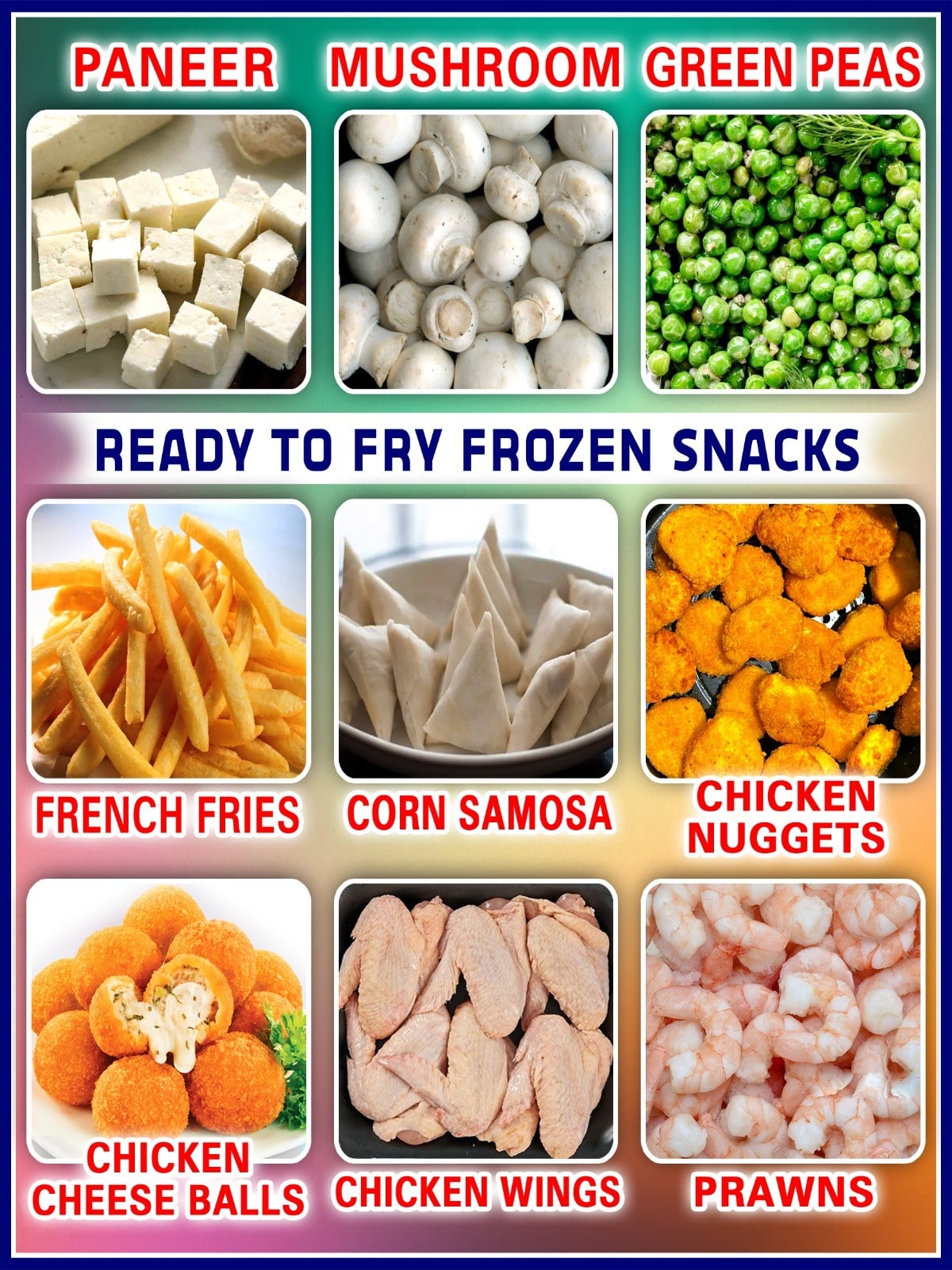
Frozen fries, chicken wings, and fish sticks fry well. They keep their shape and get crispy outside.
Vegetables like onion rings and zucchini slices also work great. They need light batter or coating.
- Frozen French fries
- Chicken wings or nuggets
- Fish sticks or fillets
- Onion rings
- Zucchini slices
Ingredients To Avoid
Some frozen foods have too much water. This makes frying messy and soggy.
Avoid frozen items with heavy sauces or ice crystals. These stop the food from getting crispy.
- Foods with thick sauces or glazes
- Items with large ice crystals
- Vegetables with high water content, like spinach
- Soft baked goods like frozen bread dough
Brands That Deliver Crispiness
Some brands use better coatings and freezing methods. This helps foods fry crisp and tasty.
Look for brands that mention “crispy” or “fry-ready” on the package. They usually do better in frying.
- Brands with thin, even batter coatings
- Brands that freeze quickly to lock in freshness
- Brands tested for frying performance
- Brands with good customer reviews on crispiness
Preparation Tips For Crispy Results
Frozen foods are easy to cook and tasty when done right. Getting a crispy finish can be tricky but is worth the effort.
Simple tips help you fry frozen food so it turns out crunchy and delicious every time.
Thawing Vs. Frying Frozen
Some frozen foods need thawing before frying. Others cook best straight from frozen. Knowing which to do saves time and keeps crispiness.
Thawing can make food cook evenly. Frying frozen food saves time but may cause oil splatters.
- Thaw delicate items like fish or chicken for even cooking
- Fry fries or nuggets straight from frozen for best texture
- Pat thawed food dry to avoid oil splatters
- Use a thermometer to check if thawing is needed
Using Proper Oil Types
Choosing the right oil affects taste and crispiness. Use oils that handle high heat without burning or smoking.
Oils with high smoke points keep food crisp and healthy. Avoid strong flavors that can change the taste.
- Canola oil: neutral flavor, high smoke point
- Peanut oil: great for frying, stays stable at high heat
- Sunflower oil: light and good for crisp frying
- Avoid olive oil for deep frying due to low smoke point
Temperature Settings For Perfection
Frying at the right temperature is key to crispy food. Too low makes food soggy; too high burns it fast.
Keep oil between 350°F and 375°F for best results. Use a thermometer to watch the heat closely.
- Heat oil to 350°F for thicker items like chicken
- Use 375°F for thin foods like fries
- Don’t overcrowd the pan to keep temperature steady
- Let food drain on paper towels after frying
Frying Techniques For Quick Meals
Frozen foods are a great option for fast meals. Frying these foods makes them crispy and tasty in minutes.
There are different ways to fry frozen foods. Each method changes the texture and cooking time.
Deep Frying Basics
Deep frying cooks frozen food by submerging it in hot oil. This makes the outside crunchy and the inside soft.
Use oil heated to about 350°F (175°C). Do not overcrowd the fryer to keep the temperature steady.
- Preheat oil before adding food
- Cook in small batches
- Drain fried food on paper towels
- Use a thermometer to check oil heat
Air Fryer Advantages
An air fryer uses hot air to cook frozen foods. It needs little or no oil but still makes food crispy.
Air frying is faster and cleaner than deep frying. It also uses less fat, making meals lighter.
- Preheat the air fryer before use
- Shake the basket during cooking
- Use a light spray of oil for crispiness
- Check food early to avoid overcooking
Pan Frying Tricks
Pan frying uses a small amount of oil in a skillet. It cooks frozen foods quickly and adds flavor.
Keep the pan hot but not smoking. Turn food often to cook it evenly and avoid burning.
- Use medium heat for steady cooking
- Add oil before heating the pan
- Flip food to brown both sides
- Drain excess oil on paper towels
Enhancing Flavor And Texture
Frozen food for frying can taste great with the right techniques. You can improve both flavor and texture easily.
Simple tips help your fried food become crispier and more delicious. Let’s explore ways to make it better.
Seasoning Before And After Frying
Seasoning frozen food before frying adds flavor inside. Use salt, pepper, or spices lightly. After frying, add more seasoning to enhance taste.
- Sprinkle salt or spice mix before frying for deep flavor
- Add herbs or seasoning salt right after frying
- Use garlic powder or paprika for extra zest
- Do not over-season to keep balance
Dipping Sauces That Complement
Dipping sauces bring new flavors and moisture to fried frozen food. They can be spicy, sweet, or tangy.
| Sauce | Flavor Profile | Best With |
| Ketchup | Sweet and tangy | French fries, chicken nuggets |
| Ranch | Creamy and herby | Onion rings, fried vegetables |
| Sriracha mayo | Spicy and creamy | Fried shrimp, chicken strips |
| Honey mustard | Sweet and sharp | Chicken tenders, fish sticks |
Combining With Fresh Ingredients
Fresh ingredients add contrast to fried food. They bring crispness and freshness that balance the fried texture.
- Add chopped lettuce or cabbage for crunch
- Serve with sliced tomatoes or cucumbers
- Use fresh herbs like cilantro or parsley for aroma
- Pair with lemon or lime wedges for zest
Healthy Alternatives For Frying
Frying food is quick and tasty, but it can add a lot of fat. Choosing healthy ways to fry helps keep meals better for your body.
Frozen foods are easy to cook, but picking the right types and cooking methods makes a big difference in health.
Low-oil Frying Methods
Using less oil cuts extra fat and calories. Try air frying, baking, or using a non-stick pan with a little oil spray.
These methods still give crispy food without soaking it in oil. They help keep meals lighter and healthier.
- Air frying uses hot air to cook food with very little oil
- Baking frozen foods in the oven reduces oil use
- Non-stick pans allow cooking with just a small amount of oil spray
Choosing Low-fat Frozen Options
Select frozen foods labeled low-fat or baked instead of fried. These options have less added fat and fewer calories.
Look for items with simple ingredients and no extra breading or heavy sauces. These choices help keep meals healthy.
- Frozen vegetables and fruits without sauces
- Baked potato products instead of fried fries
- Chicken breast pieces with no breading
- Fish fillets that are baked or grilled, not fried
Balancing Quick Meals With Nutrition
Frozen foods save time, but add fresh ingredients to boost nutrition. Include veggies or salads to round out your meal.
Plan quick meals that have protein, fiber, and vitamins. This balance keeps energy up and supports good health.
- Add fresh or frozen vegetables alongside your fried food
- Use whole-grain sides like brown rice or quinoa
- Include a source of protein like beans, chicken, or fish
- Limit high-sodium sauces or dips
Common Mistakes To Avoid
Cooking frozen food for fry can seem easy, but mistakes happen. Avoid these errors to ensure delicious meals every time.
Here are some common pitfalls when frying frozen food. Learn how to steer clear of them for the best results.
Overcrowding The Fryer
Putting too much food in the fryer at once causes uneven cooking. It lowers the oil temperature, leading to soggy food instead of crispy results.
- Place food in a single layer.
- Leave space between pieces.
- Cook in batches for best results.
Incorrect Oil Temperature
The right oil temperature is crucial. If too low, food absorbs oil and becomes greasy. If too high, it burns outside while staying raw inside.
Ignoring Cooking Times
Not following cooking times is a common mistake. This leads to either undercooked or overcooked food, ruining the meal.
| Food Type | Recommended Time |
| French Fries | 3-5 minutes |
| Chicken Nuggets | 4-6 minutes |
| Fish Sticks | 5-7 minutes |
Storing And Reheating Fried Frozen Foods
Fried frozen foods are a convenient meal option. Proper storage and reheating are key to keeping them tasty.
Learn how to store and reheat your fried frozen foods. This ensures they remain crispy and safe to eat.
Best Practices For Storage
Storing fried frozen foods correctly prevents spoilage. Use airtight containers to keep them fresh.
- Use freezer-safe bags or containers
- Label containers with dates
- Keep freezer temperature at 0°F (-18°C)
Reheating Without Losing Crisp
Reheating fried foods can make them soggy. Use the right methods to maintain crispiness.
Avoid microwaves as they make foods soft. Opt for an oven or air fryer instead.
Freezing Leftovers Safely
Freeze leftovers promptly to avoid bacteria growth. This keeps your food safe for future meals.
| Food Type | Freezing Time |
| French Fries | Up to 2 months |
| Chicken Nuggets | Up to 3 months |
| Onion Rings | Up to 1 month |

Credit: www.indiamart.com
Credit: www.justdial.com
Frequently Asked Questions
What Are The Best Frozen Foods For Frying?
Frozen foods like French fries, chicken nuggets, and mozzarella sticks fry well. They retain crispiness and cook evenly when fried. Choose products labeled as suitable for frying for best results.
How Do I Fry Frozen Food Safely?
Heat oil to the recommended temperature before adding frozen food. Avoid overcrowding the pan to maintain oil temperature. Fry until golden brown and fully cooked. Drain excess oil on paper towels.
Can I Fry Frozen Vegetables Directly?
Yes, you can fry frozen vegetables directly without thawing. Frying frozen veggies retains their texture and flavor. Ensure oil is hot to prevent sogginess. Cook for a shorter time than fresh vegetables.
Does Frying Frozen Food Affect Its Nutrition?
Frying frozen food can reduce some nutrients due to high heat. However, it locks in flavors and maintains texture. Using healthier oils and moderate frying time helps retain more nutrients.
Conclusion
Frozen food for frying offers quick and tasty meal options. It saves time and reduces cooking effort. You can enjoy crispy and delicious results every time. Keep your freezer stocked with your favorites for easy access. Try different frozen foods to find what you like best.
Cooking becomes simple, even on busy days. Choose frozen food for fry to make meals fast and fun.