
Are you struggling to make frozen food a healthy and tasty part of your meals? You’re not alone.
Many people find it tricky to get the best out of frozen foods without losing flavor or nutrition. But what if you could turn those frozen packs into quick, delicious dishes that satisfy your hunger and keep you energized? You’ll discover simple, practical tips that make feeding yourself or your family with frozen food easy and enjoyable.
Keep reading, and you’ll never see frozen food the same way again.
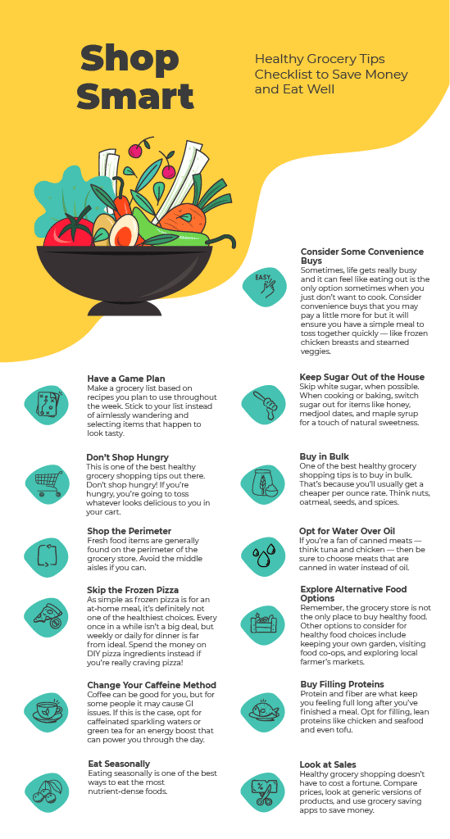
Credit: info.totalwellnesshealth.com
Choosing Nutritious Frozen Foods
Frozen foods can be a healthy choice if you know what to look for. Picking the right products helps keep meals nutritious and tasty.
This guide shows how to select frozen foods that support a balanced diet and good health.
Look For Whole Ingredients
Choose frozen foods with simple, whole ingredients. Avoid items with many artificial additives or preservatives.
- Frozen vegetables and fruits with no added sauces
- Single-ingredient items like frozen chicken breasts or fish fillets
- Meals made from whole grains, legumes, and fresh vegetables
Check For Added Sugars And Sodium
Too much sugar or salt can reduce the health value of frozen foods. Read labels carefully to avoid high amounts.
| Nutrient | Recommended Limit per Serving |
| Added Sugars | Less than 5 grams |
| Sodium | Less than 300 milligrams |
Opt For Organic And Non-gmo Options
Organic and non-GMO frozen foods reduce exposure to pesticides and genetically modified ingredients.
- Look for certified organic labels on packaging
- Choose products marked as non-GMO verified
- These options often have fewer chemicals and additives
Proper Storage And Handling
Frozen food keeps well if stored and handled correctly. Proper care helps keep food safe and tasty.
Storing and handling frozen food the right way stops bacteria and maintains quality.
Freezing Techniques To Retain Nutrients
Freezing food quickly locks in nutrients and flavor. Slow freezing can cause nutrient loss.
Use airtight containers or freezer bags to protect food from air and frost.
- Blanch vegetables before freezing to keep vitamins.
- Freeze food in small portions for fast freezing.
- Remove as much air as possible from packaging.
Safe Thawing Methods
Thaw frozen food safely to stop bacteria growth. Avoid leaving food at room temperature.
Use the fridge, cold water, or microwave to thaw food properly.
- Thaw food in the refrigerator overnight for best safety.
- Use cold water in a sealed bag for faster thawing.
- Cook food immediately after microwave thawing.
Avoiding Cross-contamination
Cross-contamination spreads germs from raw to cooked foods. Keep them separate.
Clean surfaces and hands often to keep food safe.
- Use different cutting boards for raw and cooked foods.
- Store raw meat below cooked foods in the freezer.
- Wash hands before and after handling frozen food.
Healthy Cooking Methods
Frozen foods can be healthy if cooked the right way. Choosing good cooking methods keeps nutrients and taste.
Simple ways like steaming or microwaving help keep food fresh and healthy. Let’s look at some tips.
Steaming And Microwaving Tips
Steaming keeps vitamins and minerals in frozen food. It uses little water and no added fat.
Microwaving is fast and keeps food moist. Use microwave-safe covers to avoid drying out food.
- Do not overcook; check food often.
- Use small amounts of water for steaming.
- Stir microwaved food to heat evenly.
Using Minimal Oil And Salt
Use little oil to keep frozen food healthy. Choose oils like olive or avocado oil for better fats.
Too much salt can harm health. Add herbs and spices instead to improve flavor without salt.
- Use a spray bottle to lightly coat oil.
- Try garlic, pepper, or lemon for taste.
- Limit salt to a small pinch or less.
Incorporating Fresh Ingredients
Add fresh vegetables or herbs to frozen meals. They add color, flavor, and nutrients.
Fresh ingredients balance frozen food and make meals more tasty and healthy.
- Mix fresh spinach or tomatoes after cooking.
- Add fresh herbs like parsley or basil for flavor.
- Use fresh lemon juice to brighten taste.

Credit: www.bbcgoodfood.com
Balancing Frozen Meals
Frozen meals save time and are easy to prepare. Balancing them with fresh foods helps improve nutrition.
Adding fresh ingredients boosts vitamins and fiber. It also makes meals more enjoyable and colorful.
Adding Fresh Vegetables And Fruits
Fresh vegetables and fruits add crunch and flavor to frozen meals. They provide important nutrients that frozen foods might lack.
- Top frozen dishes with chopped bell peppers or carrots
- Add a side salad with leafy greens and tomatoes
- Include fresh fruit slices like apples or oranges for dessert
- Mix frozen meals with steamed broccoli or green beans
Including Protein And Whole Grains
Frozen meals sometimes miss enough protein and whole grains. Adding these helps balance energy and keeps you full longer.
| Protein Sources | Whole Grain Options |
| Grilled chicken | Brown rice |
| Boiled eggs | Quinoa |
| Beans or lentils | Whole wheat bread |
| Tofu | Oats |
Portion Control Strategies
Watch portion sizes to avoid overeating frozen meals. Use simple tricks to control how much you eat.
- Measure servings using cups or a kitchen scale
- Fill half your plate with fresh vegetables or salad
- Serve frozen meals on smaller plates
- Eat slowly and stop when you feel full
- Save leftovers for another meal
Meal Planning With Frozen Foods
Using frozen foods helps you plan meals easily. You can save time and reduce food waste. Frozen items keep well and stay fresh longer.
Planning meals with frozen foods lets you prepare in advance. It is great for busy days and quick dinners.
Batch Cooking And Freezing Portions
Cook large meals and divide them into smaller portions. Freeze each portion for later use. This saves time and effort on busy days.
- Choose recipes that freeze well, like soups or casseroles
- Use airtight containers or freezer bags
- Label each portion with the date and contents
- Defrost in the fridge overnight for best results
Creating Variety To Avoid Meal Fatigue
Eating the same meals can get boring. Use frozen foods to mix different flavors and ingredients. Change your meals often to stay interested.
| Meal Type | Frozen Foods Ideas |
| Breakfast | Frozen berries, pre-cooked sausage, frozen waffles |
| Lunch | Frozen vegetables, cooked rice, frozen chicken strips |
| Dinner | Frozen fish fillets, mixed veggies, frozen mashed potatoes |
| Snacks | Frozen fruit chunks, frozen yogurt, frozen peas |
Time-saving Tips For Busy Schedules
Frozen foods cut down meal prep time. Use these tips to save even more time in the kitchen.
- Keep a well-stocked freezer with basics like vegetables and proteins
- Pre-chop vegetables and freeze them for quick use
- Cook extra portions and freeze for future meals
- Use frozen ready-to-cook meals for busy nights
- Plan your meals ahead to avoid last-minute decisions
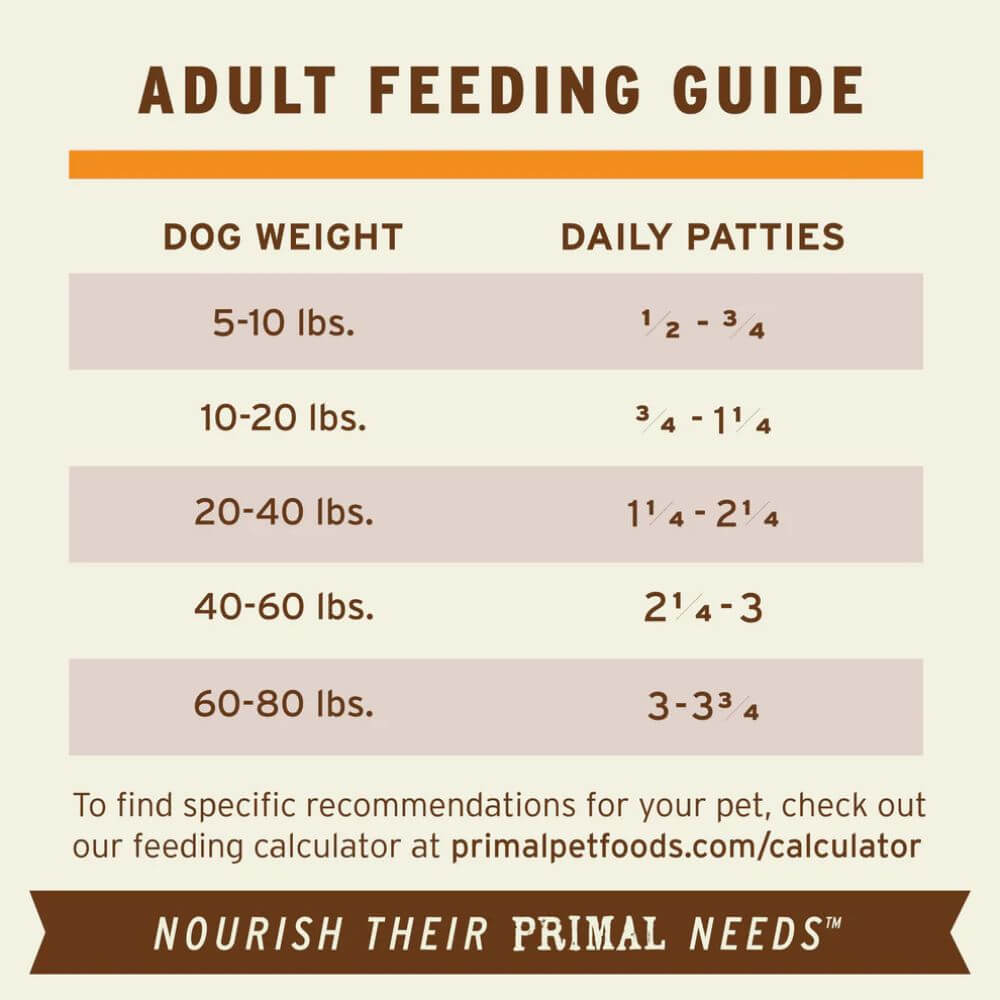
Credit: www.hollywoodfeed.com
Reading Labels Effectively
Understanding frozen food labels is important for health-conscious choices. Knowing what to look for can lead to better nutrition.
Labels provide valuable information about the contents and nutritional value of the food. Learning how to read them can help you make informed decisions.
Understanding Nutrition Facts
Nutrition facts are a guide to the nutrients in your food. They show the amount of energy, fat, protein, and other nutrients.
| Nutrient | Recommended Daily Value |
| Calories | 2000 kcal |
| Fat | 70 grams |
| Protein | 50 grams |
Identifying Unhealthy Additives
Some additives in frozen foods are not healthy. It’s vital to recognize them and choose alternatives.
- High fructose corn syrup
- Artificial flavors and colors
- Trans fats
Spotting Hidden Allergens
Hidden allergens can cause reactions in sensitive individuals. Reading labels helps in identifying these allergens.
Frequently Asked Questions
What Are The Best Tips For Feeding Frozen Food Safely?
Always thaw frozen food properly before feeding. Use the refrigerator or cold water method. Avoid refreezing thawed food to prevent bacteria growth. Cook frozen food thoroughly to the recommended temperature for safety. Store leftovers promptly in airtight containers to maintain freshness.
How Do I Thaw Frozen Food Quickly And Safely?
Thaw frozen food in the refrigerator overnight for safety. For faster thawing, use cold water in a sealed bag. Avoid thawing at room temperature to prevent harmful bacteria. Microwave thawing is acceptable if food is cooked immediately afterward.
Can I Feed Frozen Food Directly Without Thawing?
Some frozen foods can be cooked directly without thawing, like vegetables or pre-cooked meals. However, raw frozen meats usually require thawing for even cooking. Always follow package instructions to ensure food safety and optimal taste when feeding frozen items.
How Should I Store Frozen Food For Feeding Later?
Store frozen food in airtight, moisture-proof containers or bags. Label with date and contents for easy tracking. Keep your freezer at or below 0°F (-18°C) to maintain quality. Avoid overcrowding to allow proper air circulation and consistent freezing.
Conclusion
Frozen food can save time and reduce waste. Choose quality items for best taste and nutrition. Always follow thawing and cooking instructions carefully. Store frozen food properly to keep it fresh longer. Balance frozen meals with fresh fruits and vegetables.
Small steps improve your feeding habits daily. Enjoy the convenience without losing good nutrition. Keep experimenting with different frozen options. Healthy eating does not have to be hard. Frozen food feeding tips help make life easier.