
Are you looking to start an aquarium but worry about the time and effort needed to keep it thriving? You’re not alone.
Many aquarium lovers want beautiful, lively tanks without the hassle of constant maintenance. That’s why choosing the right freshwater species is key. Imagine having vibrant fish and plants that stay healthy with minimal care—letting you enjoy your aquarium stress-free. You’ll discover the best freshwater species that fit perfectly into low-maintenance setups.
Keep reading to find out how you can create a stunning underwater world without the usual fuss.
Credit: www.aquariumsource.com
Top Low-maintenance Freshwater Species
Keeping a freshwater aquarium can be easy with the right species. Some fish and plants need little care to thrive. These low-maintenance species suit beginners and busy hobbyists.
Choosing hardy species helps maintain a healthy tank. It reduces the time spent on daily care and water changes. Here are some top options for small fish, invertebrates, and plants.
Small Fish For Beginners
Small fish are perfect for new aquarium owners. They adapt well to different water conditions and eat simple foods. Many stay healthy without much attention.
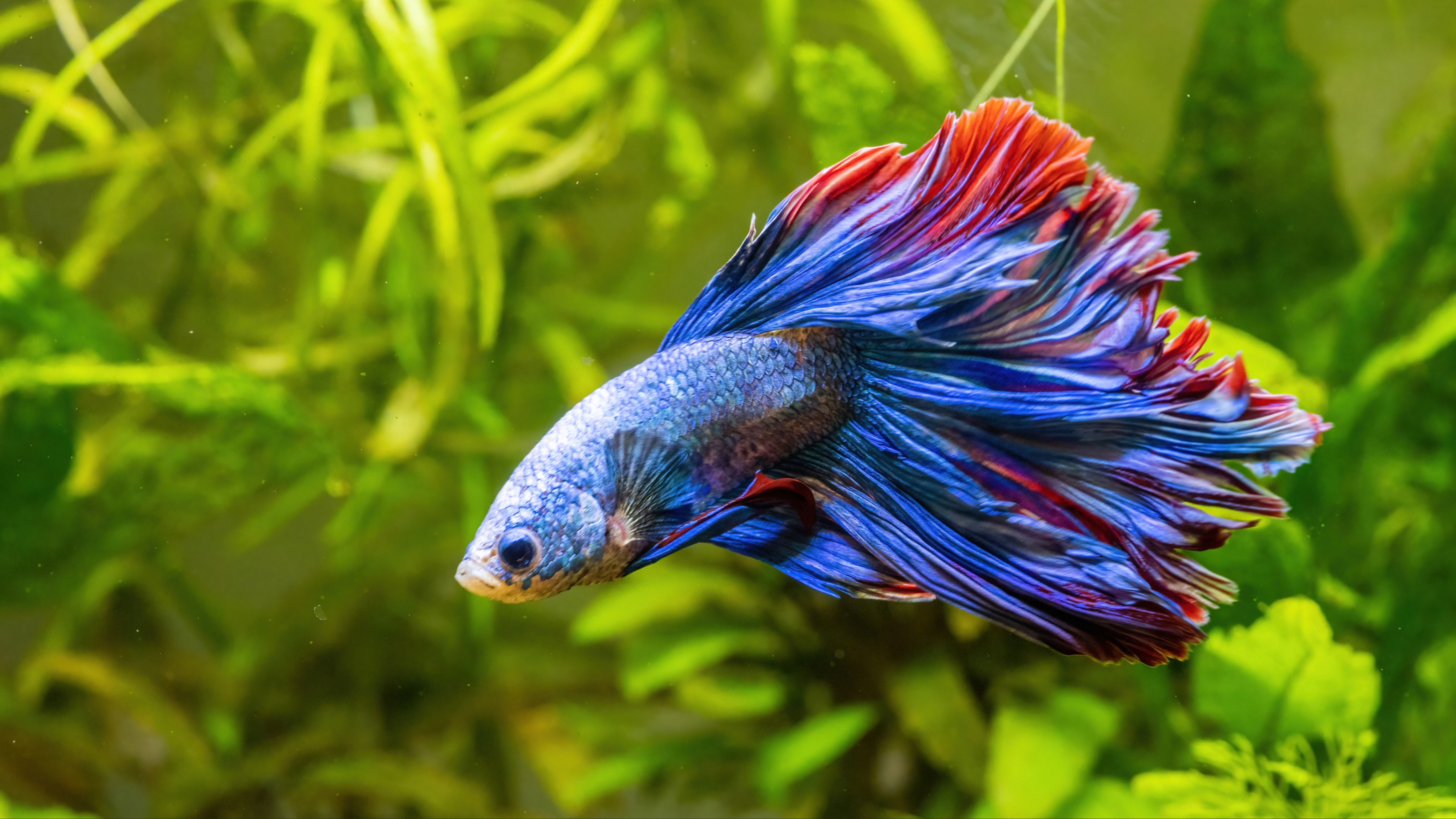
- Betta Fish – colorful and easy to feed
- Neon Tetras – peaceful and small school fish
- Guppies – active with bright colors
- Zebra Danios – very hardy and active swimmers
- Corydoras Catfish – bottom dwellers that clean tanks
Hardy Invertebrates
Invertebrates add life and help keep tanks clean. Many are tough and survive in varied conditions. They require minimal feeding and care.
- Amano Shrimp – excellent algae eaters
- Cherry Shrimp – bright red and easy to breed
- Snails (Mystery or Nerite) – clean algae and detritus
- Ghost Shrimp – clear and peaceful scavengers
Low-care Plants
Plants improve water quality and add beauty. Some plants grow well with little light or fertilizer. They are good for beginners and low-tech tanks.
- Anubias – slow growing and tough
- Java Fern – needs low light and little care
- Amazon Sword – hardy and fast growing
- Hornwort – floats or anchors easily
- Marimo Moss Balls – unique and easy to maintain

Credit: www.aquariumsource.com
Ideal Tank Conditions
Freshwater species that require minimal care can thrive in simple tank setups. Understanding ideal tank conditions is key to maintaining their health.
Proper water conditions, tank size, and filtration ensure a healthy environment for your aquatic pets.
Water Parameters
Maintaining the right water parameters is crucial for freshwater species. Most species prefer specific ranges for temperature, pH, and hardness.
| Parameter | Ideal Range |
| Temperature | 74-78°F (23-26°C) |
| pH Level | 6.5-7.5 |
| Water Hardness | 5-12 dGH |
Tank Size Recommendations
Choosing the right tank size helps provide ample space for your fish to swim. It also affects the water quality and reduces stress on the fish.
- Small species: Minimum 5-gallon tank
- Medium species: Minimum 20-gallon tank
- Large species: Minimum 50-gallon tank
Filtration And Aeration
Filtration keeps the water clean and clear. Aeration provides essential oxygen, ensuring a balanced ecosystem for your fish.
Feeding Tips For Easy Care
Feeding freshwater species in aquariums can be simple. Proper feeding helps fish stay healthy and live longer.
Choose the right food and feed at the right times. Avoid giving too much food to keep the water clean.
Simple Diets
Most easy-care freshwater fish eat basic foods. Flakes, pellets, and frozen foods work well. Avoid complicated diets.
- High-quality flakes provide balanced nutrition.
- Pellets are good for bottom feeders.
- Frozen foods like bloodworms add variety.
- Vegetable matter suits herbivores.
Feeding Frequency
Feed your fish small amounts twice a day. Young fish may need more often. Adults do well with less frequent meals.
| Fish Type | Feeding Times per Day |
| Juvenile Fish | 3 to 4 |
| Adult Fish | 1 to 2 |
| Herbivores | 2 to 3 |
Avoiding Overfeeding
Overfeeding harms fish and pollutes the tank. Uneaten food rots and causes poor water quality.
- Feed only what fish can eat in 2-3 minutes.
- Remove leftover food after feeding.
- Observe fish behavior for signs of hunger or fullness.
- Use a feeding schedule and stick to it.
Credit: www.petsradar.com
Compatibility And Community Setup
Choosing the right freshwater species for your aquarium is key to a peaceful community. Some fish get along well, while others may cause problems.
Understanding how different species behave helps create a balanced tank. It also reduces stress for your fish and keeps the aquarium healthy.
Mixing Species
Mix species that share similar water needs and temperaments. Avoid pairing fish that need very different conditions or have strong territorial behaviors.
- Choose peaceful species like tetras, danios, and corydoras catfish
- Match fish size to prevent bullying or accidental eating
- Avoid mixing aggressive species with shy or slow swimmers
- Keep similar dietary needs together to simplify feeding
Behavioral Considerations
Observe fish behavior before adding them to your tank. Some fish like to swim in schools while others prefer solitude.
| Species | Behavior | Preferred Group Size |
| Neon Tetra | Peaceful, schooling | 6 or more |
| Betta | Territorial, solitary | 1 per tank |
| Corydoras Catfish | Bottom dweller, peaceful | 4 or more |
| Guppy | Active, peaceful | 5 or more |
Avoiding Aggression
Prevent fights by giving fish enough space and hiding spots. Overcrowding can increase stress and aggression.
- Provide plants, rocks, and decorations for hiding
- Keep similar sized fish together
- Do not add too many males of territorial species
- Feed fish regularly to avoid food competition
Common Health Issues
Freshwater species with minimal aquarium care are popular for beginners. They still face health issues if conditions are not right.
Recognizing common health problems helps keep fish safe and healthy in your tank.
Signs Of Stress
Fish show stress through changes in behavior or appearance. Watch for signs early to prevent illness.
Common signs include loss of appetite, hiding, and unusual swimming patterns.
- Faded colors or dull scales
- Rapid breathing or gasping at the surface
- Clamped fins close to the body
- Scratching against objects or tank walls
- Excessive lethargy or restlessness
Preventive Measures
Good tank care reduces health problems. Keep water clean and stable to prevent stress.
Feed fish balanced food and avoid overfeeding to keep them strong.
- Test water regularly for pH, ammonia, and nitrate levels
- Do partial water changes weekly
- Maintain proper temperature for the species
- Use a good filter and clean it often
- Quarantine new fish before adding them
Basic Treatments
Treat fish quickly when signs of illness appear. Early treatment stops disease spread.
Common treatments include water changes, medication, and improving tank conditions.
- Increase water changes to remove toxins
- Use aquarium salt to reduce stress and kill parasites
- Apply anti-fungal or antibacterial medicine as needed
- Isolate sick fish to prevent infection
- Keep tank temperature steady to support healing
Enhancing Aquarium Aesthetics
Freshwater aquariums with minimal care fish can look stunning. Good design choices make your tank a beautiful space. You do not need many complex elements to create a nice view.
This guide explores how decor, lighting, and natural or artificial items improve your aquarium’s look. Simple steps help keep fish safe and the tank clean.
Decor And Substrate Choices
Choosing the right decor and substrate sets the base for your aquarium’s style. Substrate is the material covering the tank bottom. It can affect fish health and tank appearance.
- Use fine gravel or sand for a natural look
- Choose smooth stones to avoid fish injuries
- Add driftwood for texture and hiding spots
- Include live plants for color and oxygen
- Place decor pieces to create open swimming areas
Lighting Effects
Proper lighting brings out colors and highlights features. It can also influence fish behavior and plant growth. Soft, warm lights create a calm mood.
| Light Type | Effect | Best Use |
| LED | Bright, energy-saving | Highlight fish colors |
| Fluorescent | Even, natural look | Plant growth support |
| Incandescent | Warm glow | Simple tanks without plants |
Natural Vs Artificial Elements
Decor can be natural or artificial. Natural items look real but need care. Artificial decor lasts longer and is easy to clean. Both affect the tank’s look differently.
Here is a simple comparison:
| Type | Pros | Cons |
|---|---|---|
| Natural | Authentic, supports fish | Needs cleaning, may decay |
| Artificial | Durable, low maintenance | May look fake, less oxygen |
Frequently Asked Questions
What Are The Easiest Freshwater Species For Beginners?
Easy freshwater species include bettas, guppies, and neon tetras. These fish require minimal care and adapt well to various tank conditions. They thrive in stable water parameters and need simple feeding routines, making them ideal for beginners.
How Often Should I Clean Tanks With Low-maintenance Fish?
For minimal-care freshwater species, clean the tank every two weeks. Partial water changes of 20-30% help maintain water quality. Avoid over-cleaning to preserve beneficial bacteria that support a healthy aquarium environment.
What Food Is Best For Low-maintenance Freshwater Fish?
High-quality flakes or pellets designed for tropical fish are best. Supplement with occasional frozen or live foods for variety. Feed small amounts once or twice daily to prevent overfeeding and maintain water cleanliness.
Can Freshwater Plants Help Reduce Aquarium Maintenance?
Yes, freshwater plants absorb toxins and improve water quality naturally. They provide oxygen and shelter, reducing algae growth. Plants like java moss or anubias are low-maintenance and complement minimal-care fish tanks.
Conclusion
Choosing freshwater species that need little care makes fishkeeping fun and easy. These fish stay healthy with simple feeding and clean water. They fit well in small tanks and busy homes. Beginners and busy people enjoy watching their bright colors and active moves.
Keeping these species brings calm and joy without much work. Start with these easy fish to build your confidence. Enjoy a beautiful aquarium that feels alive every day. Simple care, happy fish, peaceful space.