
Looking to create a vibrant underwater world right in your small tank? Choosing the right freshwater species can make all the difference.
You want fish and plants that thrive in limited space, look stunning, and bring life to your setup without causing stress. But with so many options, how do you pick the perfect ones for your tank? Keep reading, and you’ll discover the best freshwater species that fit small tanks perfectly, making your aquarium a beautiful, easy-to-care-for oasis you’ll love watching every day.
Benefits Of Freshwater Species In Small Tanks
Freshwater species are great choices for small tanks. They fit well and add life to limited spaces.
These species offer many benefits that make caring for small tanks easier and more fun.
Space Efficiency
Freshwater species in small tanks use space wisely. They need less room to swim and live.
Small fish and invertebrates fit well in tight spaces without feeling crowded.
- Small size means more species in less space
- Allows for more plants and decorations
- Helps create a natural, balanced environment
Lower Maintenance
Freshwater species usually need less care in small tanks. They produce less waste and need less cleaning.
Smaller species often eat less food and adapt well to simple water conditions.
- Less water changes needed
- Lower risk of diseases
- Easy feeding and care routines
Variety And Color
Freshwater species come in many colors and shapes. This makes small tanks look bright and lively.
Choosing different species adds interest and beauty to your tank setup.
- Fish with bright colors like neon tetras
- Small shrimp with red or blue hues
- Colorful snails for tank cleaning and look

Credit: theplecofeeder.com
Top Small Tank Fish Choices
Choosing fish for a small tank needs care. Some species do well in limited space. They stay healthy and show bright colors.
This guide covers popular freshwater fish that fit small tanks. Each fish has its own traits and care needs.
Betta Fish
Betta fish are colorful and easy to care for. They can live alone in small tanks. Bettas like warm water and gentle filtration.
Neon Tetras
Neon tetras are small and peaceful fish. They do best in groups of six or more. Their bright blue and red stripes add color to any tank.
- Minimum tank size: 10 gallons
- Water temperature: 70–81°F (21–27°C)
- Ideal pH: 6.0–7.0
- Keep in schools of 6 or more
- Feed small flakes or frozen food
Guppies
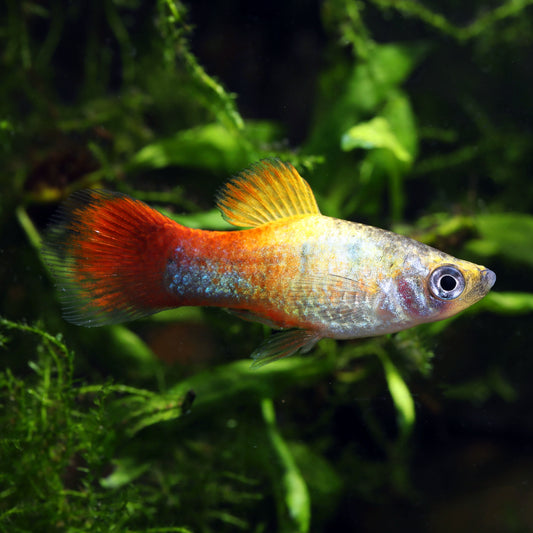
Guppies are lively and come in many colors. They breed easily, so watch their population. Guppies adapt well to different water conditions.
| Care Factor | Details |
| Tank Size | 5 gallons minimum |
| Temperature | 72–82°F (22–28°C) |
| Diet | Flakes, live, or frozen food |
| Behavior | Peaceful and active |
Dwarf Gouramis
Dwarf gouramis are bright and peaceful fish. They prefer planted tanks with hiding spots. Males show stronger colors than females.
- Minimum tank size: 10 gallons
- Water temperature: 72–82°F (22–28°C)
- pH range: 6.0–7.5
- Feed on flakes and live foods
- Peaceful but males can be territorial
Invertebrates For Small Freshwater Tanks
Small freshwater tanks need tiny, gentle creatures to keep the tank healthy. Invertebrates are perfect because they clean and add life without needing much space.
Choosing the right invertebrates helps balance your tank’s ecosystem. They eat algae and leftover food, making water cleaner for fish and plants.
Shrimp Varieties
Shrimp are popular for small tanks because they stay small and are active cleaners. They eat algae and detritus, helping keep the tank tidy.
Some shrimp types are colorful and easy to care for. They do well in peaceful tanks with stable water conditions.
- Cherry Shrimp: Bright red, hardy, and great for beginners
- Amano Shrimp: Larger, excellent algae eaters
- Ghost Shrimp: Transparent and very active
- Crystal Red Shrimp: Colorful but need clean water
Snail Options
Snails help keep tanks clean by eating algae and leftover food. They are easy to care for and add interest to your aquarium.
Some snails stay small and do not harm plants. They are good choices for small freshwater tanks and peaceful setups.
- Nerite Snail: Small, colorful, and good algae eaters
- Ramshorn Snail: Round shell, eats algae and dead plants
- Malaysian Trumpet Snail: Burrows in substrate, helps aerate soil
- Mystery Snail: Larger, peaceful, comes in many colors
Plant Species To Complement Freshwater Tanks
Adding plants to small freshwater tanks helps create a natural environment. Plants improve water quality and offer hiding places for fish.
Choosing the right plants depends on light levels and tank size. Some plants grow well in low light while others float on the surface.
Low-light Plants
Low-light plants need little sunlight to grow. They are perfect for tanks with weak lighting or shaded spots.
These plants are easy to care for and keep your tank green without extra light equipment.
- Anubias – tough plant with broad leaves
- Java Fern – slow-growing and hardy
- Cryptocoryne – various leaf shapes and colors
- Amazon Sword – large leaves, good oxygen producer
Floating Plants
Floating plants rest on the water surface and provide shade below. They help reduce algae by blocking light.
These plants absorb nutrients from the water, keeping it clean and healthy for fish.
- Duckweed – tiny round leaves that spread fast
- Water Lettuce – rosette shape with soft leaves
- Frogbit – small roots hang in water
- Salvinia – floating fern with fuzzy leaves
Aquatic Mosses
Aquatic mosses attach to rocks or driftwood. They grow slowly and create a natural look in tanks.
Mosses provide shelter for small fish and shrimp. They also help with water cleanliness.
- Java Moss – popular and easy to grow
- Christmas Moss – dense and bushy appearance
- Flame Moss – bright green with upright growth
- Weeping Moss – long strands that flow downward
Tank Setup Tips For Small Freshwater Species
Setting up a tank for small freshwater species needs careful planning. A proper setup helps fish stay healthy and active.
This guide covers key areas like filtration, water conditions, and decoration. Each part plays a role in a good environment.
Filtration And Aeration
Clean water is vital for small fish. Use a filter that fits the tank size to remove waste and keep the water clear.
Aeration helps add oxygen to the water. Small air pumps or sponge filters work well in small tanks.
- Choose a filter rated for your tank’s volume.
- Use gentle water flow to avoid stressing small fish.
- Add an air stone for extra oxygen if needed.
- Clean filters regularly but avoid full washing to keep good bacteria.
Water Parameters
Small freshwater fish need stable water conditions. Test water often for key parameters to keep fish safe.
| Parameter | Ideal Range |
| Temperature | 72°F – 78°F (22°C – 26°C) |
| pH Level | 6.5 – 7.5 |
| Ammonia | 0 ppm |
| Nitrite | 0 ppm |
| Nitrate | < 20 ppm |
Regular water changes help keep these levels safe. Avoid sudden changes to avoid stressing fish.
Tank Decoration
Decorations provide shelter and reduce fish stress. Choose items that are safe and fit the tank size.
- Use smooth stones or driftwood without sharp edges.
- Add live or artificial plants for hiding spots.
- Keep open swimming areas for active species.
- Clean decorations regularly to prevent algae buildup.
Feeding Small Freshwater Species
Feeding small freshwater fish is important for their health and growth. Different species need different diets. Learning how to feed them right helps keep your tank clean.
Small species often have tiny mouths and fast metabolisms. You should choose food that fits their size and nutritional needs.
Diet Types
Small freshwater species eat different types of food. Some eat plants, others eat animals, and some eat both.
- Herbivores:Eat algae and plant matter.
- Carnivores:Eat small insects and worms.
- Omnivores:Eat both plants and animals.
Choose flakes, pellets, or live food depending on what your fish prefers and needs.
Feeding Frequency
Small fish need regular feeding because they use energy fast. Feed them small amounts often.
| Fish Size | Feeding Times per Day | Portion Size |
| Very Small (e.g., Tetras) | 3 to 4 | Small pinch |
| Small (e.g., Guppies) | 2 to 3 | Moderate pinch |
| Medium (e.g., Dwarf Gouramis) | 2 | Regular portion |
Feed only what they can eat in 2 to 3 minutes. Remove extra food to keep water clean.
Avoiding Overfeeding
Overfeeding causes poor water quality and sick fish. Watch your fish and adjust feeding if needed.
Tips to avoid overfeeding:
- Feed small amounts at each meal.
- Observe fish eating habits daily.
- Remove uneaten food after feeding.
- Use a feeding ring to keep food in one place.
Common Health Issues And Prevention
Keeping freshwater species healthy in small tanks requires care and attention. Fish often show signs when they feel stress or get sick.
Understanding common health problems helps prevent serious issues. Early detection and good tank habits keep fish strong and active.
Signs Of Stress
Fish under stress show changes in behavior and appearance. Watch for these signs to act quickly and protect your pets.
- Loss of appetite or refusal to eat
- Gasping at the water surface
- Clamped fins or hiding more than usual
- Rapid or irregular swimming
- Discoloration or spots on the body
Disease Prevention
Prevent diseases by keeping water clean and stable. Good nutrition and regular tank maintenance reduce risks.
| Prevention Method | Description |
| Water Changes | Replace 20-30% of water weekly to remove toxins |
| Filtration | Use a proper filter to keep water clear and oxygenated |
| Feeding | Feed balanced food in small amounts to avoid leftovers |
| Temperature Control | Keep water temperature steady for your species |
| Tank Cleaning | Remove debris and clean decorations regularly |
Quarantine Practices
Quarantine new fish before adding them to the main tank. This stops diseases from spreading.
Follow these quarantine steps:
- Set up a separate tank with clean water.
- Keep new fish isolated for 2-4 weeks.
- Watch for signs of illness daily.
- Treat any diseases before introduction.
- Only add fish if they look healthy and active.
Credit: shrimpybusiness.com

Credit: www.youtube.com
Frequently Asked Questions
What Are The Best Freshwater Species For Small Tanks?
Popular freshwater species for small tanks include bettas, neon tetras, guppies, and dwarf shrimp. These species require minimal space and adapt well to limited environments, making them ideal choices for beginners and small aquarium setups.
How Do I Choose Fish For A Small Freshwater Tank?
Select fish based on tank size, temperament, and water parameters. Choose small, peaceful species that thrive in limited space and compatible with each other to ensure a healthy, balanced freshwater tank environment.
Can Freshwater Shrimp Live In Small Tanks?
Yes, freshwater shrimp like cherry shrimp thrive in small tanks. They help control algae and detritus, adding color and activity without overcrowding, making them excellent additions to small freshwater aquarium setups.
How Often Should I Clean A Small Freshwater Tank?
Clean small freshwater tanks weekly by removing debris and changing 20-30% of the water. Regular maintenance helps maintain water quality, ensuring a healthy environment for your aquatic species.
Conclusion
Choosing the right freshwater species makes small tanks enjoyable and healthy. Small fish need clean water and proper care. Simple species like guppies, tetras, or bettas fit well in small spaces. They stay active and bring color to your tank.
Keep their environment stable with regular water changes. Enjoy watching your tiny underwater world thrive every day. A small tank can offer big joy with the right fish inside. Care and attention make all the difference. Start small, think smart, and have fun with your freshwater pets.