
Setting up your freshwater fish tank can be exciting, but it can also feel overwhelming if you don’t know where to start. Imagine having a clear checklist that guides you step-by-step, so you don’t miss anything important.
This way, your fish will thrive, and your tank will become a beautiful, healthy underwater world. You’ll find everything you need to set up your freshwater fish tank the right way. Keep reading, and you’ll be ready to create a perfect home for your fish in no time.
Choosing The Right Tank
Setting up a freshwater fish tank starts with picking the right tank. The tank size and material affect your fish’s health.
Placement of the tank also matters. It helps keep the tank safe and easy to maintain.
Tank Size Options
Choose a tank size based on the number and size of fish you want. Bigger tanks are easier to keep stable.
Small tanks need more care and change water often. Large tanks give fish more space to swim.
- 5 to 10 gallons for small groups or single fish
- 20 to 30 gallons for community fish tanks
- 50 gallons or more for bigger fish or many fish
Material Types
Fish tanks come in glass or acrylic. Glass is clear and scratch-resistant. Acrylic is lighter and stronger.
Acrylic tanks are easier to shape but can scratch easily. Glass tanks are heavier and break if dropped.
- Glass tanks: clear, scratch-resistant, heavier
- Acrylic tanks: lightweight, strong, can scratch
Placement Tips
Place your tank on a strong, flat surface that can hold its weight. Avoid direct sunlight to prevent algae growth.
Keep the tank away from heaters or air conditioners. This helps keep water temperature steady for your fish.
- Use a sturdy stand or table
- Avoid placing near windows or direct sunlight
- Keep away from vents and heaters
Essential Equipment
Setting up a freshwater fish tank needs the right equipment. This helps create a safe and healthy home for your fish.
Good equipment keeps the water clean, the temperature right, and provides proper lighting. These basics help fish thrive.
Filtration Systems
Filtration systems clean the water by removing waste and toxins. They help keep the tank water clear and healthy for fish.
There are three main types of filters: mechanical, biological, and chemical. Many filters use a mix of these.
- Mechanical filters remove debris and particles
- Biological filters use beneficial bacteria to break down waste
- Chemical filters use activated carbon to remove odors and toxins
Heaters And Thermometers
Most freshwater fish need a steady water temperature to stay healthy. Heaters keep the water warm enough.
Thermometers help you monitor the water temperature. You can adjust the heater if the water gets too hot or cold.
- Choose a heater with the right wattage for your tank size
- Use a reliable thermometer to check water temperature daily
- Keep temperature steady between 72°F and 78°F for most fish
Lighting Choices
Lighting helps fish feel natural and supports live plants if you have them. It also makes the tank look nice.
Choose lighting that fits your tank size and the needs of your fish and plants. Avoid lights that get too hot.
- LED lights are energy-efficient and give good light
- Fluorescent lights are bright and good for plant growth
- Use a timer to keep a regular day and night cycle
Selecting Substrate And Decorations
Choosing the right substrate and decorations is key for a healthy freshwater fish tank. These elements create a natural look and comfort for your fish.
Good substrate and decorations help maintain water quality and give fish places to explore and hide.
Types Of Substrate
Substrate is the material at the bottom of the tank. It affects water chemistry and fish behavior. Choose substrate based on the fish and plants you keep.
- Gravel: Small stones, easy to clean, good for most fish.
- Sand: Fine particles, soft for bottom feeders, but harder to clean.
- Soil: Nutrient-rich for live plants, may need special care.
- Crushed coral: Raises pH, good for hard water fish.
- Plant substrates: Designed to support root growth.
Safe Decorations
Decorations add beauty and comfort but must be safe for fish. Avoid sharp edges or toxic materials that harm fish or water quality.
Choose decorations made for aquariums or natural items cleaned properly before use.
- Ceramic or resin ornaments made for fish tanks
- Natural driftwood, soaked and cleaned
- Rocks without sharp edges or harmful minerals
- Live or silk plants for a natural feel
- Avoid painted or metal items that can leach toxins
Creating Hiding Spots
Fish need places to hide to feel safe and reduce stress. Decorations can create good hiding spots in the tank.
Use caves, plants, and rocks to build cozy areas where fish can retreat.
- Place caves or tunnels near the substrate
- Add dense plant clusters for cover
- Stack smooth rocks to form shelters
- Ensure hiding spots are easy to access and safe
:strip_icc()/aquarium-with-cichlids-fish-from-lake-malawi-936332656-0ddcdd7df1444600a9598112db12a470.jpg)
Credit: www.thesprucepets.com
Water Preparation
Preparing water is a key part of setting up a freshwater fish tank. Clean and safe water helps fish stay healthy.
This section explains how to treat tap water, test it, and cycle your tank before adding fish.
Conditioning Tap Water
Tap water contains chlorine and chemicals that harm fish. You must remove these before use.
Use a water conditioner to make tap water safe. It neutralizes chlorine and heavy metals quickly.
- Fill a clean container with tap water.
- Add water conditioner as per instructions.
- Wait a few minutes before adding water to the tank.
Testing Water Parameters
Testing water helps check if it is safe for fish. Key parameters include pH, ammonia, and nitrite levels.
Test water before adding fish and regularly after. Use test kits to measure levels easily at home.
- pH should be stable and suitable for your fish species.
- Ammonia and nitrite should be zero or very low.
- Nitrate should stay below 40 ppm.
Cycling The Tank
Cycling means growing good bacteria in the tank. These bacteria break down harmful fish waste.
Cycle your tank for 4 to 6 weeks before adding fish. This creates a safe environment for them.
- Add ammonia or fish food to start bacteria growth.
- Test water regularly for ammonia, nitrite, and nitrate.
- Wait until ammonia and nitrite reach zero, and nitrate rises.
- Only add fish after cycling is complete.
Picking Beginner-friendly Fish
Starting a freshwater fish tank is exciting. Choosing the right fish is very important for beginners.
Beginner-friendly fish are easy to care for and adapt well to new tanks. They help build confidence for new fish keepers.
Popular Freshwater Species
Some fish are well known for being good for beginners. They are hardy and peaceful.
- Betta Fish – colorful and easy to care for
- Guppies – small, active, and breed easily
- Neon Tetras – bright and school well
- Platies – peaceful and come in many colors
- Corydoras Catfish – bottom dwellers that clean the tank
Compatibility Tips
Choose fish that live well together. Avoid mixing aggressive and peaceful types.
Some fish need similar water conditions. Matching these helps keep all fish healthy.
- Keep fish of similar size to avoid bullying
- Mix peaceful species with other peaceful ones
- Avoid keeping multiple male Betta fish together
- Research each fish’s temperature and pH needs
Stocking Density
Do not add too many fish at once. Overcrowding causes stress and poor water quality.
Use simple rules to decide how many fish your tank can hold safely.
- One inch of fish per gallon of water is a good guide
- Measure fish from nose to tail
- Account for adult fish size, not baby size
- Leave space for swimming and hiding places
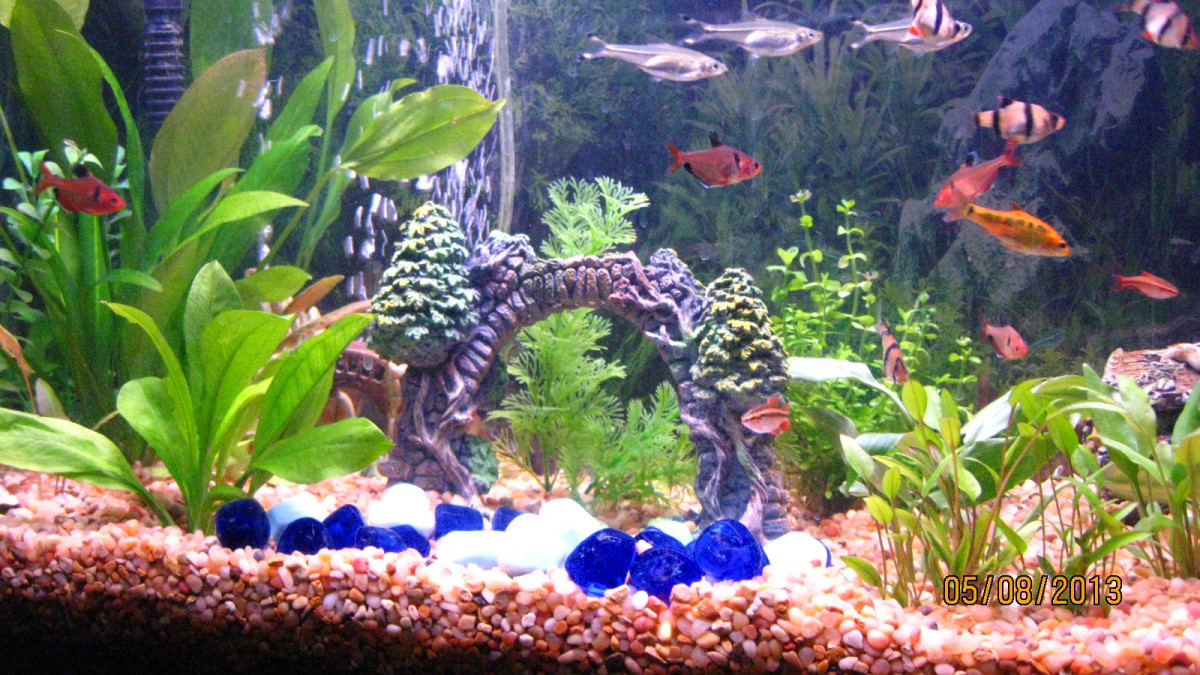
Credit: pethelpful.com
Feeding And Maintenance
Setting up a freshwater fish tank involves feeding and maintenance. Proper care keeps fish healthy and tanks clean.
Feeding and maintenance tasks are simple yet essential. Regular schedules ensure your fish thrive in their environment.
Feeding Schedules
Feeding your fish the right amount is crucial. Overfeeding can harm water quality.
- Feed small amounts twice a day.
- Observe fish eating habits.
- Remove uneaten food after 10 minutes.
Regular Cleaning Tasks
A clean tank prevents diseases. Regular cleaning keeps water clear and healthy.
- Change 10-15% of the water weekly.
- Clean algae from tank walls.
- Check and clean filters monthly.
Monitoring Fish Health
Watch your fish for signs of stress or illness. Healthy fish are active and have bright colors.
- Observe swimming patterns daily.
- Look for changes in appetite.
- Check for unusual spots or behavior.
Troubleshooting Common Issues
Setting up a freshwater fish tank can bring joy but also some challenges. Troubleshooting common issues helps keep your tank healthy.
Knowing how to handle problems like algae, diseases, and equipment issues is important. This guide covers simple tips for these problems.
Algae Control
Algae can grow quickly and make your tank look dirty. Too much light and extra nutrients cause algae to bloom.
Keep your tank clean and control light to reduce algae growth. Regular water changes also help limit algae.
- Reduce tank light to 6-8 hours daily
- Perform weekly water changes of 10-15%
- Remove visible algae with a scraper
- Add algae-eating fish or snails
- Do not overfeed your fish
Dealing With Diseases
Fish can get sick from poor water or stress. Watch for signs like spots, strange swimming, or loss of appetite.
Isolate sick fish to stop disease spread. Keep water clean and use medicines if needed. Early action helps fish recover.
- Check water temperature and pH regularly
- Remove sick fish to a quarantine tank
- Use fish medicine as instructed
- Keep the tank clean and avoid overcrowding
- Feed high-quality food in proper amounts
Equipment Failures
Filters, heaters, and lights can stop working and harm your tank. Regular checks prevent surprises.
Test all equipment often. Replace or fix parts quickly to keep water safe for fish.
- Check filter flow and clean filter media monthly
- Use a thermometer to monitor heater temperature
- Replace burnt-out bulbs or malfunctioning lights
- Keep spare parts handy for quick fixes
- Unplug equipment before cleaning or repairs

Credit: aquariumstoredepot.com
Frequently Asked Questions
What Equipment Is Essential For A Freshwater Fish Tank Setup?
Essential equipment includes a sturdy tank, filter, heater, lighting, and an air pump. These ensure clean water, stable temperature, and oxygen supply for fish health.
How Do I Choose The Right Substrate For My Tank?
Choose substrates based on fish type and plant needs. Gravel suits most tanks; sand benefits bottom dwellers and planted tanks.
How Often Should I Clean A Freshwater Fish Tank?
Clean your tank partially every 1-2 weeks. Remove 10-20% of water, clean algae, and check filter function to maintain water quality.
What Water Parameters Are Ideal For Freshwater Fish?
Ideal parameters include pH 6. 5-7. 5, temperature 72-78°F, and low ammonia and nitrate levels. Stable conditions keep fish healthy and stress-free.
Conclusion
Setting up a freshwater fish tank takes careful planning and patience. Follow the checklist step by step to create a healthy environment. Clean water, proper equipment, and good fish choices matter most. Regular care keeps your tank beautiful and fish happy.
Enjoy watching your underwater world grow and thrive. Simple actions lead to great results. Keep learning and adjusting for the best experience. Your freshwater fish tank can bring peace and joy every day.