
Are you looking for the best way to feed your surface-feeding fish? Floating pellets might be exactly what you need.
These pellets stay on the water’s surface, making it easier for your fish to find and eat their food. Not only do they help keep your aquarium or pond cleaner, but they also promote healthier fish by reducing waste. You’ll discover why floating pellets are a smart choice and how they can improve your feeding routine.
Keep reading to learn how to make feeding time simpler and more effective for your fish.
Benefits Of Floating Pellets
Floating pellets are designed for surface feeders. They stay on the water surface for easy access. This helps fish eat better and grow well.
These pellets have many benefits for fish farmers and aquarium owners. They improve feeding efficiency and reduce waste.
Enhanced Feed Visibility
Floating pellets are easy to see on the water surface. Fish can spot the food quickly. This makes feeding faster and less stressful.
Good visibility helps farmers watch how much the fish eat. It is easier to control feeding times and amounts.
Reduced Feed Waste
Floating pellets float and do not sink quickly. Fish eat the pellets before they disappear. This lowers the amount of wasted food.
Less waste means cleaner water and fewer costs for extra feed. It also helps keep the fish environment healthy.
- Pellets stay on the surface longer
- Fish can eat all the feed provided
- Less leftover feed reduces water pollution
Improved Growth Rates
When fish eat well, they grow faster and stronger. Floating pellets help fish get the right nutrition easily.
Better feeding leads to healthy fish and higher production for farmers. Growth rates improve with regular feeding on the surface.
Key Features Of Floating Pellets
Floating pellets are a popular choice for surface feeders in fish farming and aquariums. They stay on the water surface, making feeding easier and reducing waste.
These pellets have special features that help fish eat well and keep the water clean. Understanding these features helps choose the right feed.
Buoyancy And Texture
Floating pellets must float well to stay on the surface. Good buoyancy helps fish find the food quickly.
The texture is firm but soft enough for fish to bite. This balance prevents pellets from sinking or breaking apart too fast.
- Lightweight materials improve buoyancy
- Firm texture resists breaking in water
- Soft enough for easy chewing by fish
Nutrient Composition
Floating pellets contain balanced nutrients to support fish growth and health. They include proteins, fats, vitamins, and minerals.
The right nutrient mix helps fish develop strong muscles and resist diseases. It also supports good color and energy levels.
- High-quality protein for muscle growth
- Essential fats for energy
- Vitamins and minerals for health
Durability In Water
Pellets must last long in water without breaking down quickly. This reduces waste and keeps water clean.
Good durability means pellets float and keep shape until eaten. This helps feed more fish evenly and saves money.
- Resist dissolving in water
- Maintain shape during feeding
- Reduce water pollution from feed waste
Impact On Surface Feeders
Floating pellets are designed to stay on the water surface. This feature suits fish that feed near the top. The pellets make feeding easier and more natural for these fish.
Surface feeders react quickly to floating pellets. These pellets help improve feeding habits and overall fish health.
Feeding Behavior Adaptation
Surface feeders adjust their feeding habits with floating pellets. They can see and catch the pellets easily. This reduces stress and competition during feeding times.
- Pellets float, allowing fish to feed at the surface
- Fish learn to expect food at the water’s top
- Feeding becomes quicker and more efficient
- Less food sinks, reducing waste
Optimized Feed Intake
Floating pellets help fish eat the right amount of food. Fish can take small bites and eat slowly if needed. This control supports better digestion and nutrient use.
| Benefit | Impact on Surface Feeders |
| Easy visibility | Fish find pellets quickly |
| Controlled feeding | Less overeating and waste |
| Slow consumption | Better digestion and health |
| Reduced feed loss | Less pellet sinking |
Health And Vitality
Floating pellets support fish health by providing easy access to food. Surface feeders get the nutrients they need without stress. This helps keep fish active and strong.
- Reduces feeding stress
- Supports immune system
- Promotes steady growth
- Improves energy levels
Feed Efficiency Strategies
Using floating pellets for surface feeders can improve how fish eat. Good feeding plans help save food and grow fish well.
Here are ways to feed fish better with floating pellets. These ideas help reduce waste and keep fish healthy.
Proper Feeding Schedules
Feed fish at set times each day. This keeps fish hungry enough to eat all the pellets.
Feed smaller amounts more often. This helps fish eat better and lowers leftover food.
- Feed 2 to 4 times daily
- Feed at the same times each day
- Adjust amount based on fish size and weather
Monitoring Feed Consumption
Watch how much food fish eat during feeding. Remove pellets left after 10-15 minutes.
Keep track of how much feed is given and eaten. This helps spot feeding problems early.
- Check feed consumption at each feeding
- Note leftover pellets and adjust feeding
- Record feed data to improve feeding plans
Adjusting Pellet Size
Use pellet sizes that match fish mouth size. Small pellets suit young fish, bigger pellets fit adults.
Changing pellet size helps fish eat better and reduces waste from uneaten food.
- Start with small pellets for fry and juveniles
- Increase pellet size as fish grow
- Match pellet size to fish feeding habits
Choosing The Right Floating Pellets
Floating pellets are key for feeding surface feeders. Picking the right pellets helps fish stay healthy and grow well.
Different fish need different nutrients. Quality and cost also affect your choice. Read on to learn more.
Species-specific Formulations
Each fish species has unique dietary needs. Pellets made for one species may not suit another. Look for pellets made to match your fish’s natural diet.
- Herbivores need pellets rich in plant proteins.
- Carnivores require pellets high in fish meal and fats.
- Omnivores benefit from balanced protein and vegetable content.
- Some pellets include vitamins tailored to species growth needs.
Quality Standards
Quality controls affect pellet performance and fish health. Choose pellets from makers who follow strict safety and nutrition rules.
| Quality Factor | Why It Matters | Check For |
| Ingredient Source | Ensures pellet safety and nutrition | Clear labeling of raw materials |
| Manufacturing Process | Keeps nutrients intact and pellet stable | Use of low heat and proper drying |
| Storage and Packaging | Prevents pellet spoilage | Sealed bags and moisture control |
Cost Vs. Benefit Analysis
Cheaper pellets can save money but may lower fish growth and health. Higher cost pellets often provide better nutrition and less waste.
- Compare price per kilogram with nutrient content.
- Consider fish growth rate and feed conversion ratio.
- Factor in pellet float time and durability.
- Think about long-term fish health and survival.
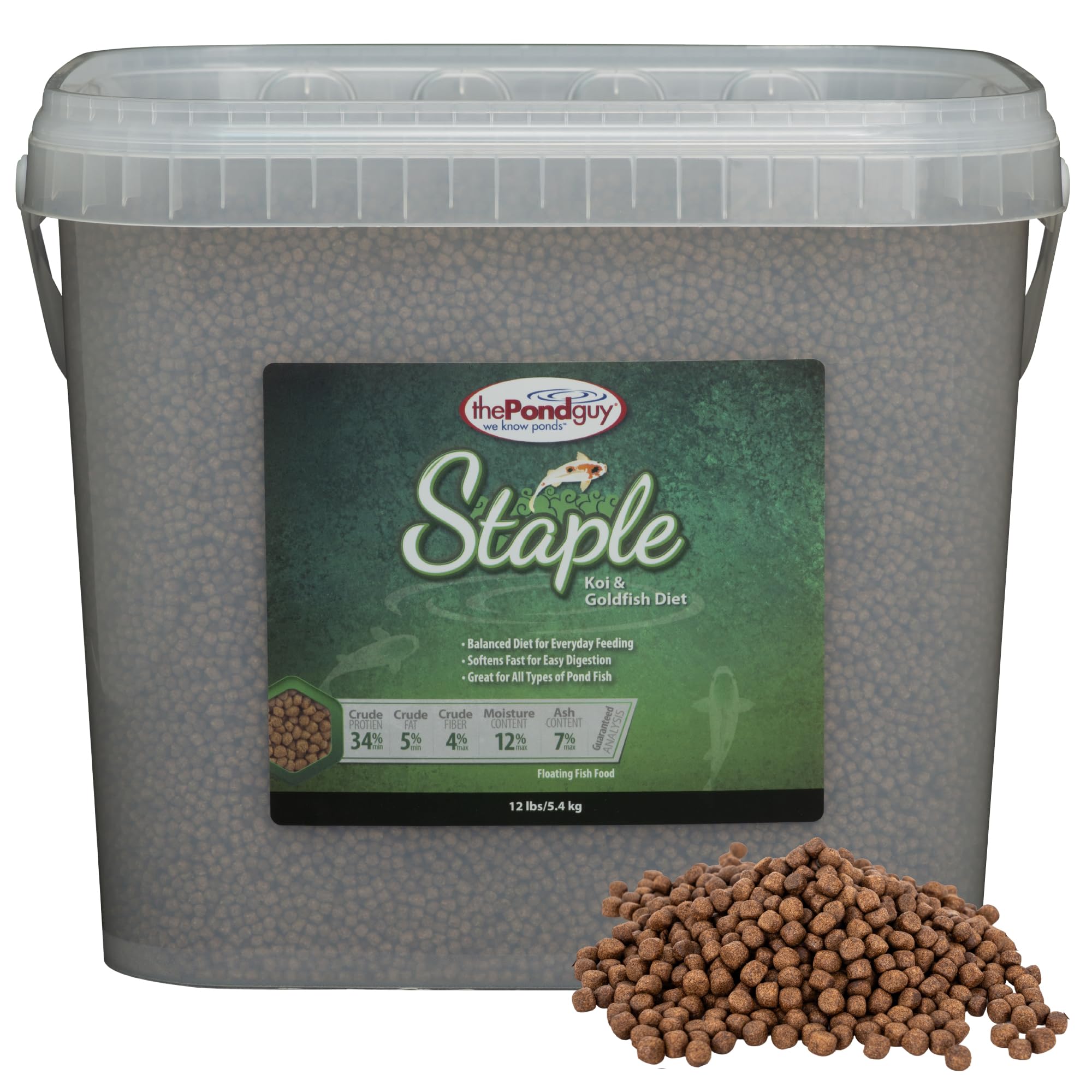
Credit: www.amazon.com
Environmental Considerations
Floating pellets for surface feeders can affect the environment. It’s vital to understand the impact on water and ecosystems.
By choosing the right practices, we can ensure a healthier aquatic environment. Let’s look at some key areas of focus.
Minimizing Water Pollution
Reducing water pollution is crucial when using floating pellets. Poorly managed feeding can lead to excess waste in water.
- Use the right amount of feed to prevent leftovers.
- Monitor water quality regularly.
- Ensure proper waste management systems are in place.
Sustainable Ingredient Sources
Choosing sustainable ingredients for pellets helps the environment. It reduces the impact on natural resources.
| Ingredient | Sustainability Rating |
| Fish Meal | Moderate |
| Algae | High |
| Insect Protein | High |
Impact On Aquaculture Ecosystems
Aquaculture ecosystems can thrive with balanced feeding. Floating pellets must be used wisely to support aquatic life.
Innovations In Floating Pellet Technology
Floating pellets are food for fish that stay on the water’s surface. They are designed to meet the needs of surface feeders. Recent advancements have improved their efficiency and nutritional value.
Innovations in floating pellet technology focus on better coating, nutrient delivery, and smart feeding systems. These improvements help farmers provide the best care for their fish.
Advancements In Pellet Coating
Pellet coating is important for keeping nutrients inside the pellet. New coatings help pellets float longer and stay fresh.
These coatings also protect the pellets from water damage. This makes sure fish get all the nutrients they need from each pellet.
- Longer float time
- Improved freshness
- Water damage protection
Improved Nutrient Delivery
Floating pellets now deliver nutrients more efficiently to fish. This means fish can grow healthier and faster.
Nutrients like proteins and vitamins are carefully balanced in the pellets. This helps fish maintain strong immune systems.
- Efficient nutrient delivery
- Balanced proteins and vitamins
- Strong fish immune systems
Smart Feeding Systems
Smart feeding systems use technology to feed fish at the right time. They monitor fish behavior and adjust feeding schedules.
These systems prevent overfeeding and waste, which helps keep water clean. They also save time and effort for fish farmers.
- Monitors fish behavior
- Prevents overfeeding
- Keeps water clean

Credit: www.amazon.com
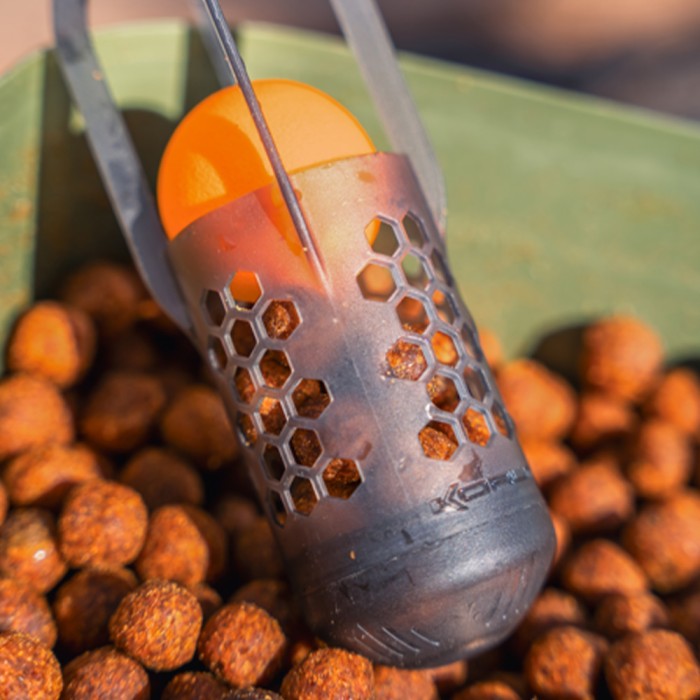
Credit: www.anglingdirect.co.uk
Frequently Asked Questions
What Are Floating Pellets For Surface Feeders?
Floating pellets are specially designed fish feed that stays on water surface. They are ideal for surface feeders like koi and goldfish. These pellets allow easy feeding and reduce waste, promoting cleaner water and healthier fish.
Why Choose Floating Pellets Over Sinking Pellets?
Floating pellets enable fish to feed naturally at the surface. They minimize feed loss and water pollution. This improves fish health and water quality. Floating pellets also allow better observation of fish eating habits.
How To Store Floating Pellets Properly?
Store floating pellets in a cool, dry place away from direct sunlight. Keep them sealed in airtight containers to maintain freshness. Proper storage prevents moisture absorption and pellet degradation, ensuring optimal nutrition for surface feeders.
Can Floating Pellets Improve Fish Growth Rates?
Yes, floating pellets provide balanced nutrition and better oxygen access during feeding. This enhances digestion and growth in surface feeder fish. Consistent feeding with quality pellets supports healthier and faster-growing fish.
Conclusion
Floating pellets offer many benefits for surface feeders. They stay on top, making feeding easy and visible. Fish quickly find the food, reducing waste and keeping water clean. These pellets also help monitor fish health and feeding habits. Choosing the right floating pellet can improve fish growth and tank conditions.
Simple and effective, floating pellets support healthy, active fish in any setup. Try them to see better feeding results and a happier aquatic environment.