
Are you looking to add a fresh, natural touch to your aquarium? Floating aquarium plants might be exactly what your underwater world needs.
These plants not only bring beauty and color but also help keep your tank healthy and balanced. Imagine your fish swimming beneath lush green leaves gently drifting on the water’s surface. Curious how floating plants can transform your aquarium and make caring for it easier?
Keep reading to discover the top benefits, popular types, and simple tips to get started with floating aquarium plants today.
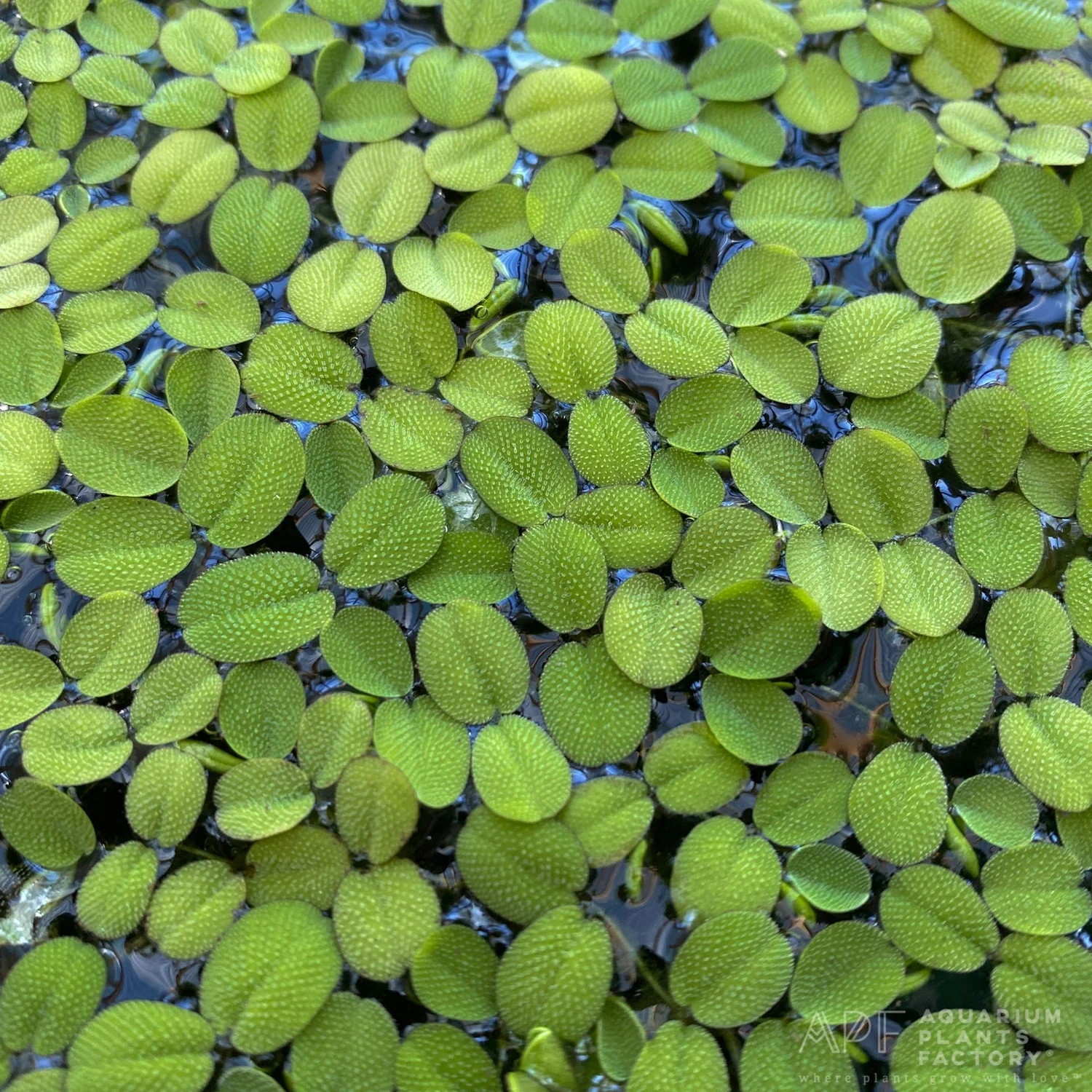
Credit: www.floridaaquascaping.com
Choosing Floating Plants
Floating aquarium plants add beauty and help keep water clean. They float on the surface and provide shade for fish.
Choosing the right plants depends on your experience and the aquarium conditions. Some plants are easier to care for than others.
Best Plants For Beginners
Beginner-friendly floating plants grow fast and need little care. They help improve water quality and offer hiding spots for fish.
- Duckweed: Small leaves that spread quickly.
- Water Lettuce: Looks like a green rose floating on water.
- Frogbit: Has round leaves and short roots hanging down.
- Amazon Frogbit: Easy to grow and spreads well.
Unique Varieties To Try
Try unique floating plants to add a special touch to your aquarium. These plants have unusual shapes or colors.
| Plant Name | Description |
| Red Root Floater | Small green leaves with red roots hanging below. |
| Water Hyacinth | Large purple flowers and thick leaves. |
| Salvinia | Feathery, soft green leaves that form mats. |
| Azolla | Tiny fern-like leaves that float in clusters. |
Plant Care Requirements
Floating plants need light, nutrients, and clean water. Too many plants can block light for other aquarium life.
- Light: Most floating plants need moderate to bright light.
- Nutrients: They absorb nutrients from water but may need extra fertilizer.
- Water Flow: Avoid strong currents that can push plants away.
- Trimming: Remove dead leaves and thin out plants to prevent overcrowding.
Benefits Of Floating Plants
Floating aquarium plants offer many advantages for fish tanks. They help create a healthy environment for aquatic life. These plants float on the water surface and add natural beauty to the tank.
Here are some key benefits of using floating plants in your aquarium.
Improving Water Quality
Floating plants help keep the water clean by absorbing excess nutrients. This reduces algae growth and improves water clarity. They also add oxygen to the water, which supports fish health.
- Absorb nitrates and phosphates
- Reduce harmful algae buildup
- Increase oxygen levels in water
- Help stabilize pH balance
Providing Shade And Shelter
Floating plants create shade on the water surface. This helps protect fish from bright light and reduces stress. The leaves also serve as hiding spots, giving fish a safe place to rest.
| Benefit | Description |
| Shade | Reduces harsh lighting in the tank |
| Shelter | Provides hiding places for shy fish |
| Temperature Control | Helps keep water cooler in warm conditions |
Enhancing Tank Aesthetics
Floating plants add a natural look to aquariums. Their green leaves float on top and create a peaceful scene. They also contrast well with colorful fish and other tank decorations.
- Bright green color brightens the tank
- Soft leaf shapes add texture
- Creates a natural water surface layer
- Easy to rearrange and maintain
Plant Placement Tips
Floating aquarium plants add beauty and function to your tank. Proper placement helps them grow well and keeps the aquarium healthy.
These tips will guide you in placing floating plants to balance light, space, and other plants in your aquarium.
Balancing Light Exposure
Floating plants need light to grow but too much can harm them. Place them where they get moderate light each day.
Too much direct light may cause algae growth and damage plants. Adjust the tank light or move plants to find the best spot.
- Place floating plants away from strong direct light
- Use adjustable aquarium lighting if possible
- Rotate plants for even light exposure
- Watch for signs of light stress, like yellow leaves
Avoiding Overcrowding
Too many floating plants can block light from reaching other plants. Keep enough space for water and fish movement.
Remove excess plants regularly to keep balance. This helps maintain good water flow and healthy oxygen levels.
- Leave open areas for fish to swim freely
- Thin out floating plants every few weeks
- Mix different sizes of floating plants for variety
- Check plant density to avoid dark spots in the tank
Complementing Substrate Plants
Floating plants and substrate plants work well together. Floating plants offer shade, while substrate plants provide color and texture below.
Place floating plants to protect delicate substrate plants from strong light. This creates a balanced and natural environment.
- Use floating plants to reduce light on sensitive substrate plants
- Keep floating plants near the surface without covering the whole tank
- Choose substrate plants that like moderate light under floating plants
- Arrange plants to create layers and depth in the aquarium
Maintenance And Care
Floating aquarium plants add life and color to tanks. Keeping them healthy needs proper care.
Regular maintenance helps plants grow strong and keeps the aquarium balanced.
Trimming And Propagation
Trim floating plants to control their size and shape. This stops overcrowding and allows light to reach all parts.
- Use clean scissors or plant cutters
- Remove yellow or dead leaves
- Cut stems just above a leaf node to encourage new growth
- Place trimmed parts in water to root and grow new plants
Managing Algae Growth
Algae can compete with floating plants for nutrients and light. Keep algae under control to help plants thrive.
| Method | Description |
| Reduce light | Limit aquarium light to 8-10 hours daily |
| Regular water changes | Replace 20-30% of water weekly to lower nutrients |
| Add algae eaters | Include snails or fish that eat algae |
| Clean surfaces | Remove algae from glass and decorations manually |
Nutrient And Water Needs
Floating plants absorb nutrients from water. Keep water clean and balanced for best growth.
- Test water regularly for pH and nutrient levels
- Keep pH between 6.5 and 7.5 for most plants
- Add liquid fertilizers suitable for floating plants
- Change water weekly to prevent buildup of harmful substances
Troubleshooting Common Issues
Floating aquarium plants add beauty and oxygen to your tank. Sometimes, these plants face common problems that affect their health.
Understanding how to fix these issues helps keep your plants healthy and your aquarium balanced.
Dealing With Yellowing Leaves
Yellow leaves on floating plants show they lack nutrients or light. This problem can harm the plant’s growth if left untreated.
Check water quality and make sure your plants get enough light. Remove yellow leaves to help new growth.
- Test water for nitrate and phosphate levels
- Increase light if the tank is too dark
- Trim yellow leaves to prevent decay
- Add liquid fertilizers if needed
Controlling Plant Spread
Floating plants can spread quickly and cover the tank surface. This blocks light for underwater plants and fish.
Limit the number of floating plants or remove excess plants to keep balance. Use a net to scoop out extra plants.
- Remove extra plants regularly
- Use floating plant barriers
- Keep an eye on plant growth speed
- Split the plants into smaller groups
Preventing Plant Decay
Dead or decaying plants pollute the water and harm fish. It is important to remove decayed plants quickly.
Watch for signs of decay like browning or soft leaves. Keep water clean and remove dead plant parts often.
- Remove decayed plants immediately
- Maintain good water circulation
- Clean the tank regularly
- Check water temperature and quality
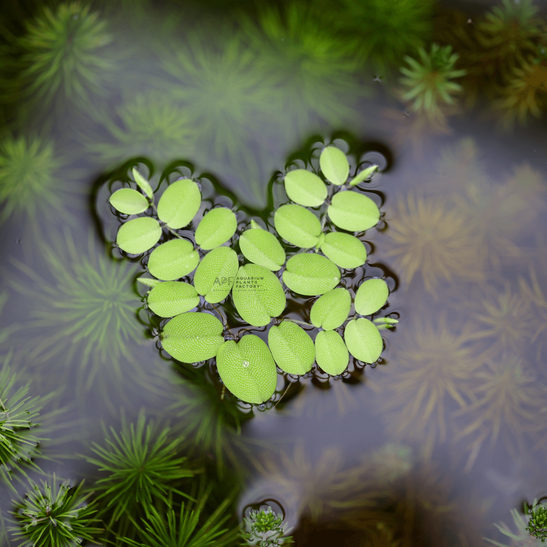
Credit: www.ebay.com
Enhancing Tank Design
Floating aquarium plants can transform the look of your tank. They add beauty and a natural feel to any aquatic setup.
These plants provide shade and shelter for fish, creating a more dynamic environment.
Combining Floating And Rooted Plants
Mixing floating and rooted plants offers diverse textures and layers. This combination makes your aquarium look more natural.
- Floating plants like duckweed provide surface cover.
- Rooted plants such as Anubias anchor the design.
- Combine different shades of green for visual interest.
Using Floating Plants As Decor
Floating plants can serve as decor. They create a lush, green canopy at the top of your tank.
Custom HTML Block: Floating plants add elegance.
Creating Natural Habitats
Floating plants help mimic natural habitats. Fish feel safer and more at home in a well-planted tank.
| Plant Type | Benefits |
| Floating | Provides shade and reduces algae |
| Rooted | Stabilizes substrate and enhances oxygen |

Credit: aquaticarts.com
Frequently Asked Questions
What Are The Benefits Of Floating Aquarium Plants?
Floating aquarium plants improve water quality by absorbing excess nutrients. They provide shelter for fish and reduce algae growth. These plants also enhance the aquarium’s aesthetic with natural greenery and create a balanced ecosystem.
Which Floating Plants Are Best For Aquariums?
Popular floating aquarium plants include duckweed, water lettuce, hornwort, and frogbit. These plants are easy to care for and thrive in various water conditions. They help maintain water clarity and offer hiding spots for fish.
How Do Floating Plants Affect Aquarium Oxygen Levels?
Floating plants produce oxygen during photosynthesis, benefiting fish and aquatic life. However, excessive coverage can block surface gas exchange, reducing oxygen levels. Proper balance is essential to keep oxygen levels optimal in your aquarium.
Can Floating Aquarium Plants Control Algae Growth?
Yes, floating plants compete with algae for nutrients, limiting algae growth. They reduce light penetration, which further inhibits algae development. Using floating plants is a natural and effective method to control algae in aquariums.
Conclusion
Floating aquarium plants bring beauty and health to your tank. They offer shade and shelter for fish. These plants help keep water clean and clear. You can choose from many types that float easily. They need little care but give big benefits.
Try adding floating plants to your aquarium today. See the difference in water quality and fish happiness. Simple, natural, and effective – floating plants work well. Enjoy a lively and balanced underwater world.