
Is your heater acting up when you need it most? A faulty heater sensor can leave your home cold and uncomfortable, and figuring out what’s wrong can feel frustrating.
But don’t worry—fixing heater sensor malfunctions is easier than you think. You’ll discover simple steps to identify and solve common sensor problems. By the end, you’ll know exactly how to get your heater back to working smoothly, keeping your space warm and cozy.
Keep reading—you’re closer to a warmer home than you realize.

Credit: www.youtube.com
Common Heater Sensor Issues
Heater sensors help control the temperature in your home. When they fail, heaters may not work well. It is important to spot sensor problems early.
This guide covers signs of sensor malfunctions and common causes of sensor failures. Understanding these can help you fix or replace faulty sensors quickly.
Signs Of Sensor Malfunctions
Heater sensors show several signs when they are not working properly. Watching for these signs helps prevent bigger problems.
- The heater turns on and off too often.
- Temperature readings are very different from the room temperature.
- The heater runs but the room stays cold.
- The heater does not respond to temperature changes.
- Random error codes appear on the heater display.
Causes Of Sensor Failures
Several factors can cause heater sensors to fail. Knowing the causes helps you fix the issue or avoid it in the future.
| Cause | Description |
| Dust and Dirt | Build-up can block sensor signals and cause wrong readings. |
| Physical Damage | Drops or bumps can break or misalign the sensor. |
| Electrical Issues | Wiring problems or power surges can stop sensors from working. |
| Wear and Tear | Old sensors lose accuracy over time and need replacement. |
| Incorrect Installation | Wrong sensor placement causes poor performance. |
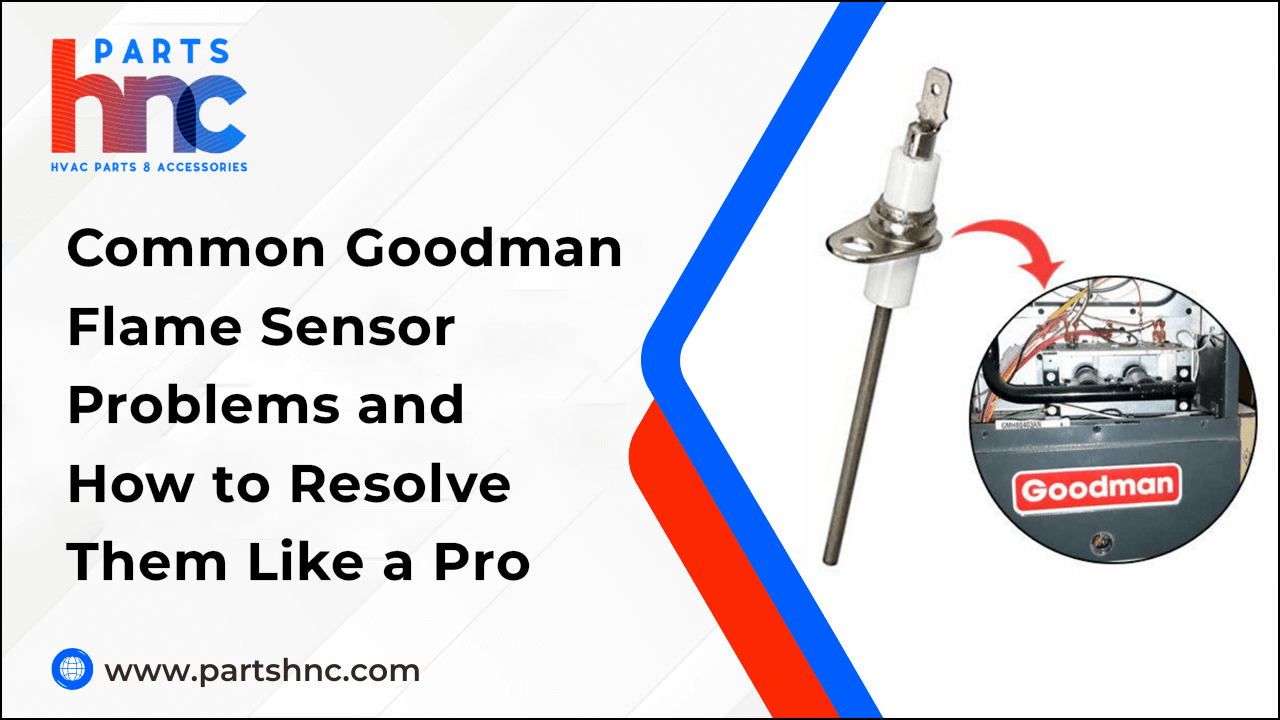
Credit: www.partshnc.com
Tools Needed For Repairs
Fixing heater sensor malfunctions requires the right tools. Using proper tools makes the job easier and safer.
This guide lists the tools you need to fix heater sensors and keep yourself safe during repairs.
Essential Equipment
You need specific tools to diagnose and repair heater sensor problems. These tools help you check if the sensor works correctly.
- Multimeter to test sensor voltage and resistance
- Screwdrivers for opening heater panels
- Wire strippers to prepare sensor wires
- Replacement sensor parts if needed
- Electrical tape to secure wiring
- Socket wrench for removing bolts
- Flashlight to see in dark spaces
Safety Precautions
Safety is very important when working with heaters. Always follow safety steps to avoid injury or damage.
Before starting repairs, turn off the heater and unplug it. This stops electrical shocks and accidents.
- Wear insulated gloves to protect from shocks
- Use safety goggles to protect your eyes
- Work in a well-lit and ventilated area
- Keep water and liquids away from tools and heater
- Double-check power is off before touching wires
- Follow the heater manual instructions carefully
Step-by-step Sensor Troubleshooting
Heater sensors can stop working properly and cause heating issues. Fixing sensor problems requires careful checks.
This guide shows how to find and fix common sensor faults with simple tests.
Checking Sensor Connections
Start by looking at the sensor wires and plugs. Loose or dirty connections often cause errors.
- Turn off the heater power before touching wires.
- Inspect wires for breaks or damage.
- Make sure plugs fit tightly and are free from dirt.
- Clean any corrosion with a soft brush.
- Reconnect wires firmly and test the heater.
Testing Sensor Functionality
Check if the sensor is working by measuring its resistance and response to temperature.
| Test | How to Do It | Expected Result |
| Resistance Check | Use a multimeter on sensor leads | Shows stable reading matching sensor specs |
| Heat Response | Warm sensor gently with hand or heat source | Resistance changes smoothly as temperature rises |
| Cold Response | Cool sensor with ice pack | Resistance changes smoothly as temperature drops |
Replacing Faulty Sensors
Heater sensors help control the temperature inside the unit. Faulty sensors can cause the heater to stop working properly. Replacing these sensors can restore the heater’s function and safety.
Knowing how to pick and install new sensors is key. This guide explains how to choose the right replacement and offers tips for installation.
Choosing The Right Replacement
Use sensors that match the original in size and type. Check the heater’s manual or label for sensor specs. Using the wrong sensor can cause more problems.
- Match the sensor model number with the old one.
- Check the voltage and resistance ratings.
- Buy sensors from trusted suppliers or the manufacturer.
- Ensure the sensor fits the heater’s mounting points.
Installation Tips
Follow safety rules during installation. Turn off power before working on the heater. Handle sensors gently to avoid damage.
| Tip | Reason |
|---|---|
| Wear insulated gloves | Protects from electric shock |
| Use the correct tools | Prevents sensor or heater damage |
| Double-check sensor wiring | Ensures proper connection and function |
| Test heater after installation | Confirms sensor works correctly |
Preventive Maintenance Tips
Heater sensors can stop working properly if not cared for. Regular maintenance helps avoid sensor problems and keeps your heater running well.
Simple steps like cleaning and checking sensors often can save money and improve safety in your home.
Regular Cleaning
Dirt and dust can cover heater sensors and cause them to fail. Clean sensors carefully to keep them working right.
- Turn off the heater before cleaning.
- Use a soft cloth or brush to remove dust.
- Avoid using water or harsh chemicals on sensors.
- Clean sensors every few months or more often in dusty areas.
Routine Inspections
Check heater sensors regularly to find issues early. Look for signs like strange readings or heater shut-offs.
| Inspection Task | What to Check |
| Visual Check | Look for dirt, corrosion, or damage |
| Sensor Test | Verify sensor readings with a multimeter |
| Connection Check | Ensure wires are tight and undamaged |
| Heater Operation | Watch for unusual heater behavior |
When To Call A Professional
Heater sensors can malfunction for various reasons. Knowing when to call a professional is crucial. It ensures safety and proper repairs.
Some issues require expert knowledge. Let’s explore when professional help is needed.
Complex Issues
Some heater sensor problems are complex. They need special tools and expertise to fix.
- Internal wiring problems
- Sensor calibration issues
- Integration with smart systems
Safety Concerns
Safety should always come first. Certain signs indicate it’s time to call a professional.
| Issue | Reason to Call |
| Burning smell | Possible electrical hazard |
| Sparks or smoke | Fire risk |
| Frequent tripping | Overload or short circuit |
Understanding these signs helps maintain a safe home. Don’t ignore potential risks.

Credit: www.youtube.com
Frequently Asked Questions
What Causes Heater Sensor Malfunctions?
Heater sensor malfunctions often result from dirt buildup, wiring issues, or sensor wear. Regular cleaning and inspection can prevent these problems and ensure accurate temperature readings.
How Do I Test A Faulty Heater Sensor?
Use a multimeter to check the sensor’s resistance. Compare readings with manufacturer specifications to identify faults. Replace the sensor if results fall outside the recommended range.
Can I Fix A Heater Sensor Myself?
Yes, minor issues like cleaning or reconnecting wires can be DIY tasks. However, complex repairs or replacements may require professional help to avoid damage or safety risks.
How Often Should Heater Sensors Be Maintained?
Heater sensors should be checked and cleaned at least once a year. Regular maintenance helps prevent malfunctions and prolongs the sensor’s life for efficient heater operation.
Conclusion
Fixing heater sensor malfunctions keeps your home warm and safe. Check the sensor regularly for signs of damage or dirt. Clean or replace the sensor to restore proper function. Small issues can cause big problems if ignored. Acting early saves money and prevents heater breakdowns.
Trust simple steps to maintain your heater’s performance. Stay comfortable during cold days with a working sensor. Your heater will run smoothly and efficiently again.