
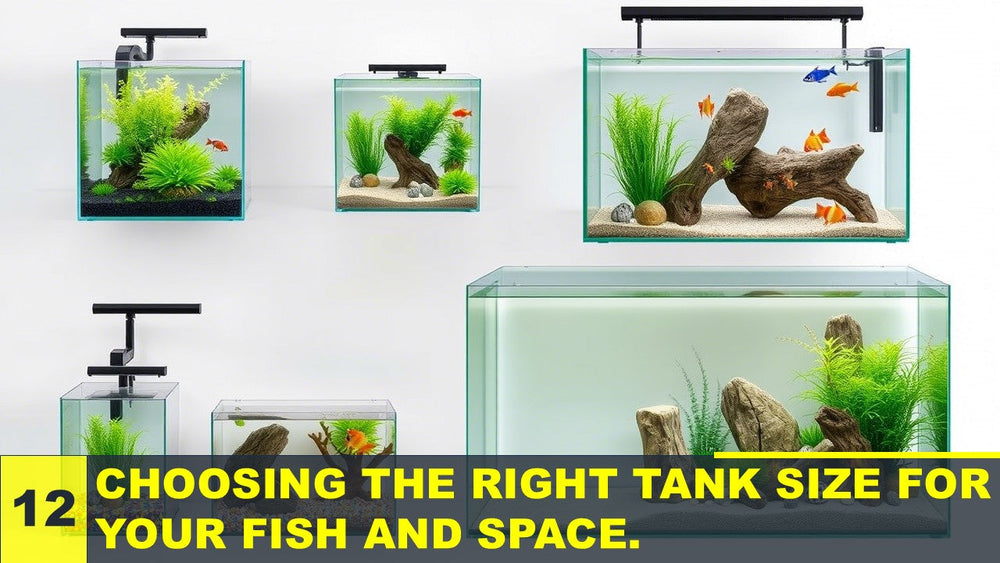
Choosing the right fish tank size is one of the most important steps you’ll take for your freshwater fish. If your tank is too small, your fish could become stressed, sick, or even stop growing.
But if it’s too big, you might waste space and money. Different fish species need different amounts of room to thrive. You’ll discover exactly how much space your favorite freshwater fish need to stay happy and healthy. Keep reading to find the perfect tank size that fits your fish and your home!
Choosing Tank Size By Species
Choosing the right fish tank size is key for a healthy freshwater aquarium. Different fish species need different amounts of space to thrive.
We will look at small, medium, and large freshwater fish and the tank sizes they require.
Small Fish Options
Small fish need less space but still need clean water and room to swim. A 10 to 20-gallon tank fits many small species.
- Neon Tetras – 10 gallons minimum
- Guppies – 10 gallons minimum
- Betta Fish – 5 gallons minimum
- Zebra Danios – 10 gallons minimum
Medium-sized Fish Choices
Medium fish need more space. A 30 to 50-gallon tank is good for these species. They also like hiding spots and plants.
| Species | Minimum Tank Size | Notes |
| Angelfish | 30 gallons | Tall tanks preferred |
| Gouramis | 30 gallons | Needs calm water |
| Rainbowfish | 40 gallons | Active swimmers |
| Corydoras Catfish | 30 gallons | Bottom dwellers |
Large Freshwater Fish
Large fish require big tanks. A 75-gallon tank or larger suits these species. They need strong filters and lots of swimming space.
Examples of large freshwater fish and their tank needs:
- Oscar Fish – minimum 75 gallons
- Arowana – minimum 150 gallons
- Silver Dollar – minimum 75 gallons
- Plecostomus (Large Plecos) – minimum 75 gallons
Tank Size Recommendations
Choosing the right tank size is important for the health of your fish. Different species need different amounts of space to thrive.
This guide will help you understand the best tank sizes for some popular freshwater fish.
Guppies And Tetras
Guppies and tetras are small fish that do well in community tanks. They are active swimmers and enjoy having space to move around.
- A 10-gallon tank is suitable for a small group of guppies.
- Tetras also thrive in a 10-gallon tank with a small group.
- Both species prefer tanks with plants and hiding spots.
Angelfish And Gouramis
Angelfish and gouramis are larger and more territorial. They need more space to establish their own territory.
| Fish Type | Recommended Tank Size |
| Angelfish | 20 gallons per pair |
| Gouramis | 30 gallons for a small group |
Cichlids And Goldfish
Cichlids and goldfish require even larger tanks. They produce more waste and need more room to swim.
For cichlids, a 50-gallon tank is a good starting point. Some species may need even larger tanks. Goldfish, known for their long lifespan, thrive in at least a 30-gallon tank for the first fish, with an additional 10 gallons for each extra fish.
Factors Influencing Tank Size
Choosing the right tank size is important for freshwater fish health. Different species need different spaces to live comfortably.
Several factors affect how big your tank should be. These include how much the fish swim, their behavior, and how large they grow.
Swimming Space Needs
Some fish swim a lot and need wide open space. Others stay near plants or decorations and need less room.
Fast swimmers like danios and barbs need longer tanks. Slow swimmers like bettas need smaller tanks but enough height.
- Active swimmers need more length and width
- Bottom dwellers require enough floor space
- Vertical swimmers need taller tanks
Territorial Behavior
Some fish are territorial and need space to claim. Crowded tanks cause stress and fights.
Species like cichlids and bettas defend their areas. They need more space or hiding spots to reduce conflict.
- Territorial fish need more space per individual
- Provide hiding places to avoid fights
- Keep aggressive species separate if possible
Growth Potential
Fish grow over time, so tank size must allow for this change. Small fish can become much larger.
Research adult size before buying fish. A tank that is too small limits growth and harms health.
- Know the adult size of your fish
- Plan tank size for full-grown fish
- Upgrade tanks if fish outgrow their space
Credit: bubble-magus.net
Community Tanks And Compatibility
Choosing the right tank size is important for keeping different freshwater fish species together. Community tanks need enough space for all fish to swim and hide.
Compatibility means picking fish that can live peacefully in the same tank. Tank size affects how well fish get along.
Mixing Different Sizes
Fish of different sizes can live together if the tank is big enough. Bigger fish may eat smaller fish if space is tight.
Provide hiding places and plants to protect smaller fish. Make sure the tank has room for all fish to swim freely.
- Use a tank at least 20 gallons for mixed sizes
- Add plants and decorations for hiding spots
- Watch for signs of stress or aggression
Avoiding Overcrowding
Overcrowding can cause poor water quality and stress. Each fish needs enough space to swim and grow.
Follow the general rule of one inch of fish per gallon of water. Larger fish need more space than small fish.
- Check recommended tank size for each species
- Leave space for plants and decorations
- Use filters to maintain clean water
Balancing Species Needs
Different fish have different needs for water temperature and space. Choose species with similar requirements for the tank.
Some fish prefer swimming near the top, others near the bottom. A balanced tank has fish in all levels of the water.
| Species Type | Preferred Area | Tank Size Needed |
|---|---|---|
| Small schooling fish | Middle and top | 20+ gallons |
| Bottom dwellers | Bottom | 20+ gallons |
| Medium active fish | All levels | 30+ gallons |
Tank Setup Tips For Various Sizes
Choosing the right tank size is important for freshwater fish health. Different species need different space to swim and grow. Setting up your tank correctly helps fish live longer and stay active.
Small tanks need careful attention to avoid quick changes in water. Large tanks offer more stability but still need proper care. Use these tips to set up tanks of all sizes well.
Filtration And Aeration
Filtration removes waste and keeps water clean. Aeration adds oxygen, which fish need to breathe. Small tanks need gentle filters. Large tanks require stronger filtration systems.
- Choose filters based on tank size and fish type.
- Use air stones or pumps to increase oxygen in the water.
- Clean filters regularly to keep them working well.
- Check water flow to avoid stressing fish.
Decor And Hiding Spots
Decorations make the tank look nice and help fish feel safe. Fish hide when they feel stressed or need rest. Use plants, rocks, and caves to create hiding places.
| Tank Size | Recommended Decor |
| Small (5-10 gallons) | Small plants, smooth stones, tiny caves |
| Medium (20-40 gallons) | Live plants, driftwood, medium caves |
| Large (50+ gallons) | Large rocks, dense plants, multiple hiding spots |
Maintaining Water Quality
Good water quality keeps fish healthy and active. Test water often to check pH, ammonia, and nitrate levels. Keep water temperature stable according to fish needs.
Follow this routine to maintain water quality:
- Test water weekly using a kit.
- Change 10-20% of the water every week.
- Remove leftover food and debris daily.
- Keep tank away from direct sunlight and drafts.
- Use water conditioners if needed to remove chlorine.

Credit: www.aqqapet.com
Upgrading And Expanding Tanks
Freshwater fish need enough space to grow and stay healthy. Upgrading tanks helps meet their needs as they get bigger. Expanding your tank lets fish swim more freely and reduces stress.
Knowing when and how to upgrade your fish tank is important. It keeps your fish safe and your equipment working well.
When To Upgrade
Watch your fish size and behavior. Signs you need a bigger tank include:
- Fish crowding or fighting for space
- Water quality drops quickly
- Fish show signs of stress or illness
- Growth beyond current tank limits
Upgrading before problems start keeps fish safe and happy.
Transitioning Fish Safely
Move fish slowly to avoid shock. Follow these steps:
- Prepare the new tank with water at the same temperature.
- Float the fish bag in the new tank to equalize temperature.
- Gradually mix tank water into the bag over 20-30 minutes.
- Gently release fish into the new tank.
- Watch fish closely for stress or illness.
Safe transitions reduce health risks and help fish adjust quickly.
Scaling Equipment
| Equipment | Small Tank | Upgraded Tank |
|---|---|---|
| Filter | 50 GPH (gallons per hour) | 100 GPH or more |
| Heater | 50 watts | 100 watts or higher |
| Air Pump | Single outlet | Multiple outlets for aeration |
| Lighting | Basic LED | Stronger light for plant growth |
Check equipment size when upgrading. Bigger tanks need stronger gear to keep water clean and fish safe.

Credit: www.hygger-online.com
Frequently Asked Questions
What Is The Ideal Tank Size For Freshwater Fish?
The ideal tank size depends on the fish species and their adult size. Small species need at least 10 gallons, while larger fish require 30 gallons or more. Proper space ensures healthy growth and reduces stress for your freshwater fish.
How Many Fish Can Fit In A 20-gallon Tank?
A 20-gallon tank can comfortably house 4-6 small to medium freshwater fish. Overstocking leads to poor water quality and stress. Always research each species’ space needs before adding fish to your tank.
Does Fish Tank Size Affect Fish Health?
Yes, tank size directly impacts fish health. Larger tanks provide stable water conditions and more swimming space. Small tanks often cause stress, stunted growth, and higher disease risk. Choose the right tank size for your fish species.
Can Different Species Share The Same Tank Size?
Different species can share a tank if their size and temperament match. Always ensure the tank is large enough to accommodate all fish comfortably. Compatibility and proper tank size reduce aggression and promote a healthy environment.
Conclusion
Choosing the right fish tank size helps your fish live healthy lives. Different fish need different space to swim and grow. Small tanks suit tiny fish, while bigger species need larger tanks. Proper tank size keeps water clean and fish happy.
Always check each fish’s space needs before buying. A good tank size makes fish care easier. Keep your fish safe and comfortable with the right tank. Enjoy watching your fish thrive in their perfect home.