
Setting up a fish tank can be exciting, but keeping your aquatic friends healthy is the real challenge. You want clear water, happy fish, and a beautiful tank that stays balanced without constant hassle.
That’s where water monitoring comes in. When you know exactly what’s happening inside your tank, you can avoid problems before they start. You’ll discover simple steps to set up your fish tank with easy water monitoring tools. By the end, you’ll have the confidence to create a thriving underwater world that you and your fish will love.
Keep reading to learn how to make your fish tank a stress-free, vibrant home.
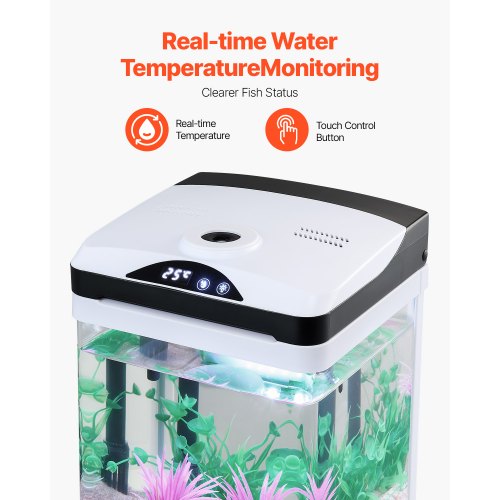
Credit: www.vevor.ca
Choosing The Right Tank
Setting up a fish tank needs careful thought about the tank itself. The right tank helps keep fish healthy and happy. This guide covers key points to pick a good tank.
We focus on tank size and shape, material options, and where to place your tank. Each part affects how well your aquarium will work.
Tank Size And Shape
The tank size depends on the fish you want and how many. Bigger tanks hold more water, giving fish more space. The shape also matters for fish comfort and water flow.
- Small tanks suit small fish and less space
- Large tanks fit many fish and create stable water conditions
- Rectangular tanks offer good surface area for oxygen exchange
- Tall tanks work well for vertical swimming fish
Material Options
Tanks come in glass or acrylic. Both have benefits and limits. Choose the material that fits your needs and budget.
| Material | Pros | Cons |
| Glass | Scratch resistant, clear view | Heavier, can break |
| Acrylic | Lightweight, more impact resistant | Scratches easily, may yellow over time |
Location And Placement
Pick a spot that supports tank health and ease of care. Avoid direct sunlight to stop algae growth. The surface must hold the tank’s full weight safely.
- Place on a flat, sturdy surface
- Keep away from windows and heat sources
- Allow space around for maintenance
- Near power outlets for equipment

Credit: www.youtube.com
Essential Equipment
Setting up a fish tank needs some key equipment. This gear helps keep fish safe and water clean.
Water monitoring is important to check water quality. The right tools make this easier and better.
Filters And Pumps
Filters clean the water by removing waste and dirt. Pumps move water through the filter and keep it flowing.
Good water flow helps oxygen reach fish and plants. It also stops water from becoming stagnant.
- Mechanical filters trap particles and debris
- Biological filters grow helpful bacteria
- Water pumps ensure steady water movement
Heaters And Lighting
Heaters keep water at the right temperature for fish health. Some fish need warm water to thrive.
Lighting helps plants grow and shows fish colors well. It also sets a day and night cycle in the tank.
- Adjust heater size to tank volume
- Use full-spectrum lights for plant growth
- Timers can control light duration
Air Pumps And Accessories
Air pumps add oxygen to the water by making bubbles. This helps fish breathe better.
Accessories like air stones and tubing spread air evenly. They improve water movement and oxygen levels.
- Choose air pumps with the right power for your tank
- Air stones create fine bubbles for better oxygen
- Check tubing for leaks or blockages regularly
Water Quality Basics
Setting up a fish tank needs good water quality. Healthy water keeps fish safe and happy.
Monitoring water helps catch problems early. It ensures the tank environment stays stable.
Key Water Parameters
Water parameters tell us if the tank water is safe for fish. Some parameters need regular checks.
Important parameters include temperature, pH, ammonia, nitrite, nitrate, and hardness.
- Temperature:Fish need specific temperature ranges to thrive.
- pH:Measures how acidic or basic the water is.
- Ammonia:Toxic waste from fish that must be low.
- Nitrite:Harmful chemical formed from ammonia breakdown.
- Nitrate:Less harmful, but high levels can stress fish.
- Hardness:Amount of minerals in the water.
Testing Methods
Testing water helps keep fish healthy by finding issues early. Tests are easy to do at home.
Use test kits or electronic monitors to check water parameters. Follow the instructions carefully.
- Test Kits:Use strips or drops that change color to show levels.
- Electronic Monitors:Sensors give digital readings of temperature and pH.
- Regular Testing:Check water at least once a week for best results.
Common Water Issues
Water problems can harm fish and plants. Watch for signs and fix issues fast.
Common issues include high ammonia, wrong pH, and cloudy water.
- High Ammonia:Causes fish stress and illness.
- pH Swings:Sudden pH changes can shock fish.
- Cloudy Water:May signal bacteria or dirty tank.
- Low Oxygen:Fish need oxygen-rich water to survive.

Credit: www.amazon.com
Setting Up Water Monitoring
Monitoring water quality is key for a healthy fish tank. It helps keep fish safe and happy. Setting up water monitoring lets you track important factors.
Good water conditions prevent diseases and maintain a clean environment. You can choose between sensors, automated systems, or manual tools.
Choosing Sensors And Kits
Sensors and kits measure water parameters like pH, temperature, and ammonia. Pick sensors that fit your tank size and budget.
Some kits come with multiple sensors for different tests. They offer quick and easy water checks for beginners and experts.
- pH sensors to check acidity
- Temperature sensors for water heat
- Ammonia sensors to detect toxins
- Nitrite and nitrate sensors for chemical balance
Automated Monitoring Systems
Automated systems track water quality all day. They send alerts if levels become unsafe. This helps prevent fish stress and illness.
These systems often connect to your phone or computer. You can see real-time data and adjust settings easily.
- Continuous water parameter tracking
- Alerts for dangerous changes
- Data logging for long-term trends
- Remote monitoring via apps
Manual Testing Tools
Manual tools require you to test water samples by hand. They are simple and low-cost. Many hobbyists use test strips or liquid kits.
These tools need regular use to keep water safe. They help spot problems early but need more effort than automated systems.
- Test strips for quick results
- Liquid reagent kits for detailed tests
- Color charts to compare results
- Easy to store and use
Maintaining Healthy Water
Setting up a fish tank is a rewarding hobby. It is important to maintain healthy water for your fish. Good water quality keeps your fish happy and healthy.
Regular monitoring and maintenance of water conditions prevent diseases. It also ensures a thriving environment for aquatic life.
Regular Testing Schedule
Testing your tank water regularly is essential. It helps you monitor water quality and keep your fish safe.
- Test water weekly for pH, ammonia, and nitrites.
- Use test kits available at pet stores.
- Record the results in a logbook.
Water Changes And Conditioning
Changing the water in your tank keeps it clean. It removes waste and toxins that build up over time.
Conditioning the new water is crucial. It removes harmful chemicals and makes it safe for fish.
| Action | Frequency |
| Partial water change | Every 1-2 weeks |
| Add water conditioner | With every water change |
Managing Ph, Ammonia, And Nitrites
Maintaining balanced levels of pH, ammonia, and nitrites is vital. These factors influence fish health and tank stability.
To manage these levels:
- Keep pH between 6.5 and 7.5 for most freshwater fish.
- Ensure ammonia levels remain at 0 ppm.
- Keep nitrite levels below 0.5 ppm.
Aquascaping And Decoration
Setting up a fish tank is not just about filling it with water and fish. Aquascaping adds beauty and comfort to your tank. It helps create a natural environment for your fish.
Decoration plays a big role in how your tank looks and feels. It also affects the health of your fish. Careful planning helps keep your tank safe and attractive.
Substrate Selection
The substrate is the material at the bottom of your tank. It helps plants grow and provides a home for beneficial bacteria. Choose the right type for your fish and plants.
Gravel and sand are popular substrates. Gravel allows good water flow. Sand is soft and safe for bottom fish. Some substrates have nutrients for plants.
- Gravel: easy to clean and supports plants
- Sand: soft, ideal for fish that dig
- Plant substrate: rich in nutrients for plants
Plants And Hardscape
Plants add life and oxygen to the tank. They also hide wires and equipment. Choose plants that fit your tank size and light conditions.
Hardscape means rocks, wood, and decorations that create shapes. These give fish places to hide and explore. Use smooth rocks and driftwood that do not change water quality.
- Choose easy plants like java fern and Anubias
- Use driftwood for a natural look
- Avoid sharp rocks that can hurt fish
Safe Ornaments
Ornaments add style and fun to your aquarium. Pick items made for fish tanks. Avoid decorations that release harmful chemicals or have sharp edges.
Check that ornaments do not change water pH or hardness. Avoid painted or metal items that can rust. Clean new decorations before adding them to the tank.
- Use ceramic or resin ornaments made for aquariums
- Avoid painted decorations that can peel
- Rinse ornaments well before placing in tank
Fish Selection And Compatibility
Choosing the right fish is important for a healthy tank. Some fish live well together, while others do not.
Knowing how fish behave helps you keep peace in your aquarium. This guide covers key points to consider.
Choosing Suitable Species
Select fish that match your tank size and water conditions. Some fish need warm water, others cooler.
Look for species that have similar needs. This keeps the environment stable and safe for all fish.
- Check temperature and pH preferences
- Consider adult fish size
- Pick fish that fit your tank volume
Schooling And Territorial Behavior
Some fish like to swim in groups called schools. They feel safer and less stressed in numbers.
Other fish are territorial and need space to claim as their own. They may fight if crowded.
- Schooling fish need at least 5 or more of the same kind
- Territorial fish need hiding spots and clear boundaries
- Mix fish carefully to avoid aggression
Introducing New Fish
New fish need time to adjust to your tank. Introduce them slowly to avoid stress and fights.
Use a quarantine tank to check new fish for illness. Add fish to the main tank during calm times.
- Float the new fish bag in the tank to match water temperature
- Add small amounts of tank water to the bag over 30 minutes
- Release fish gently into the aquarium
Routine Maintenance Tips
Maintaining a fish tank is important for keeping fish healthy. Regular care ensures a clean environment.
Follow these tips for effective fish tank upkeep. Your fish will thrive with the right attention.
Cleaning Techniques
Clean your tank regularly to prevent algae growth. Use a siphon to remove debris from the gravel.
- Wipe down the glass weekly
- Remove and rinse decorations
- Replace 25% of the water every two weeks
Filter Care
A clean filter keeps the water clear. Check the filter monthly and wash the media in tank water.
| Filter Type | Maintenance Frequency |
| Sponge | Every 2 weeks |
| Canister | Every month |
| HOB (Hang on Back) | Every 4 weeks |
Monitoring Fish Health
Watch your fish daily for signs of stress. Check for unusual behavior or changes in appearance.
Troubleshooting Common Problems
Setting up a fish tank requires careful attention to water quality and tank health. Problems can arise quickly without proper monitoring.
This guide covers simple ways to fix issues with algae, diseases, and water changes to keep your fish safe.
Algae Control
Algae can grow fast and cloud the water. It takes nutrients and light to thrive.
- Reduce the amount of light the tank receives each day.
- Remove excess food to prevent algae feeding.
- Clean the tank walls regularly to stop buildup.
- Add algae-eating fish or snails if suitable.
Disease Prevention
Fish diseases often spread through poor water quality or stress. Watch your fish for signs of illness.
| Symptom | Possible Cause | Action |
| White spots | Ich parasite | Quarantine fish and treat with medication |
| Red sores | Bacterial infection | Change water and use antibacterial treatments |
| Labored breathing | Low oxygen or poor water | Increase aeration and do water changes |
Handling Water Quality Fluctuations
Water changes and testing keep your tank stable. Sudden changes harm fish health.
Follow these tips for stable water conditions:
- Test water weekly for pH, ammonia, and nitrites.
- Perform partial water changes regularly, about 10-20% weekly.
- Use a water conditioner to remove chlorine and chloramine.
- Keep temperature steady within fish species range.
Frequently Asked Questions
What Are The Essential Steps For Fish Tank Setup?
Start with choosing the right tank size and location. Clean the tank thoroughly. Add substrate, decorations, and water. Install filtration and heating systems. Cycle the tank to establish beneficial bacteria before adding fish.
How Does Water Monitoring Benefit Fish Tanks?
Water monitoring ensures optimal conditions for fish health. It helps detect harmful ammonia, nitrite, nitrate, and pH levels early. Maintaining stable water parameters prevents fish stress and diseases, promoting a thriving aquatic environment.
Which Water Parameters Should I Monitor Regularly?
Monitor temperature, pH, ammonia, nitrite, nitrate, and hardness levels. Regular checks keep water safe and stable. Consistent monitoring helps prevent toxic buildups and supports fish well-being in your tank.
What Tools Are Needed For Effective Water Monitoring?
Essential tools include a reliable water test kit for pH, ammonia, nitrite, and nitrate. A thermometer to track temperature and a water quality monitor for continuous readings can enhance precision and ease of maintenance.
Conclusion
Setting up a fish tank with water monitoring keeps fish healthy and happy. Regular checks help spot problems early. Clean water means strong fish and clear views. Simple tools make monitoring easy and stress-free. Careful setup creates a safe home for your fish.
Enjoy watching your tank grow and thrive over time. Keep water quality steady for lasting fish tank success.