
Setting up a fish tank can be exciting, but getting the water circulation right is key to keeping your fish healthy and happy. You might wonder why water movement matters so much or how it affects your tank’s environment.
Imagine giving your fish fresh, clean water all the time, just like in their natural home. You’ll discover simple steps to create the perfect water flow in your tank. By the end, you’ll know exactly how to set up your fish tank with water circulation that keeps your aquatic friends thriving.
Ready to dive in? Let’s get started!

Credit: theifishstore.com
Choosing The Right Tank
Setting up a fish tank with proper water circulation starts with choosing the right tank. The tank you pick affects fish health and water flow.
Consider the size, shape, and material of the tank. Also, think about where you will place it in your home.
Tank Sizes And Shapes
Tank size and shape influence how water moves inside. Bigger tanks hold more water, which helps keep conditions stable.
- Rectangular tanks provide good surface area for oxygen exchange.
- Tall tanks are good for fish that swim vertically.
- Bow front tanks offer a wide view but may reduce water movement.
- Cube tanks look modern but may need extra filters for circulation.
Material Options
Choose between glass and acrylic tanks. Each has pros and cons for durability and clarity.
| Material | Durability | Clarity | Cost |
| Glass | High | Clear | Moderate |
| Acrylic | Very High | Very Clear | Higher |
Placement Tips
Where you place the tank affects water temperature and fish comfort. Pick a stable surface away from direct sunlight.
Placement tips for best water circulation:
- Keep the tank away from heating vents or air conditioners.
- Avoid placing near windows to prevent algae growth.
- Ensure easy access for maintenance and filter setup.
- Use a level stand to prevent stress on tank seams.

Credit: www.youtube.com
Essential Equipment
Setting up a fish tank with good water circulation needs the right tools. Good equipment keeps the water clean and healthy for fish.
This guide covers key items to start your fish tank: filters and pumps, heaters and thermometers, and lighting systems.
Filters And Pumps
Filters clean the water by removing waste and particles. Pumps help move water through the filter and around the tank. Both keep water fresh and oxygen-rich.
- Mechanical filters trap debris
- Biological filters host good bacteria
- Carbon filters remove chemicals and odors
- Pumps control water flow speed
- Choose pump size based on tank volume
Heaters And Thermometers
Fish need stable water temperatures to stay healthy. Heaters keep water warm. Thermometers let you check water temperature anytime.
| Equipment | Purpose | Tip |
| Heater | Maintains warm water | Pick one with adjustable settings |
| Thermometer | Measures water temperature | Place it where fish swim most |
Lighting Systems
Light helps fish see and plants grow in the tank. Good lighting also shows off your fish’s colors.
- Use LED lights for energy saving
- Choose light color based on fish and plants
- Set timer to mimic natural day and night
Water Circulation Basics
Proper water circulation is important in a fish tank. It keeps the environment healthy for fish.
Water movement helps with oxygen levels and waste removal. It mimics natural water conditions.
Importance Of Water Movement
Water movement is crucial for fish health. It ensures that oxygen is evenly distributed in the tank.
Circulation prevents harmful bacteria from building up. It helps keep fish active and stress-free.
- Oxygenates the water for fish to breathe
- Prevents stagnant areas in the tank
- Helps with nutrient distribution for plants
Types Of Circulation Systems
There are different systems to move water in a tank. Each system has its own benefits.
Choosing the right system depends on your tank size and fish type. Options include filters and powerheads.
- Internal filters for small tanks
- External filters for large tanks
- Powerheads for strong currents
Placement Of Circulation Devices
Where you place circulation devices matters. Proper placement ensures even water flow.
Devices should not create too strong a current. Fish need a place to rest away from the flow.
| Device | Recommended Placement |
| Filter | Back corner for even flow |
| Powerhead | Mid-level for circular flow |
| Air Stone | Bottom for rising bubbles |
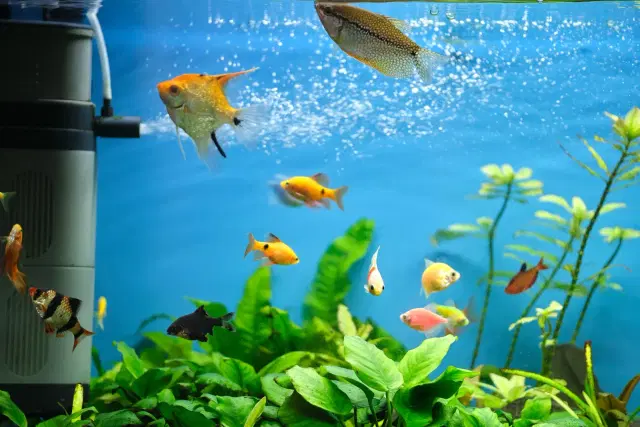
Credit: aquadecorbackgrounds.com
Setting Up Filtration
Filtration is important for keeping your fish tank clean and healthy. It removes waste and harmful substances from the water.
Good filtration supports water circulation, helping fish breathe and thrive. There are three main types of filtration to set up.
Mechanical Filtration
Mechanical filtration removes solid waste from the water. It traps particles like uneaten food and fish waste.
Common mechanical filters use sponges, pads, or floss to catch debris. Clean these parts often to keep water clear.
- Use filter pads or sponges to trap particles
- Rinse filter materials weekly in tank water
- Replace worn materials to maintain flow
Biological Filtration
Biological filtration uses good bacteria to break down harmful ammonia. This bacteria lives on filter media and tank surfaces.
The bacteria convert ammonia into nitrites and then into less harmful nitrates. This process is called the nitrogen cycle.
- Use bio-media like ceramic rings or bio balls
- Do not clean bio-media with tap water
- Keep biological filter parts moist for bacteria health
Chemical Filtration
Chemical filtration removes toxins and impurities using special filter media. It can clear odors and discoloration.
Activated carbon is a popular chemical filter media. It absorbs chemicals and helps keep water clear.
- Replace carbon every 3-4 weeks for best results
- Use chemical filtration only when needed
- Do not overuse chemical media to protect beneficial bacteria
Creating A Balanced Environment
Setting up a fish tank with good water circulation helps keep the water clean. It also ensures oxygen reaches all parts of the tank.
A balanced environment means healthy fish and plants. It keeps waste low and supports natural processes inside the tank.
Substrate And Decorations
Choose substrate that suits your fish and plants. Gravel and sand are common choices for different tank types.
Decorations like rocks and caves give fish places to hide. They also help direct water flow in the tank.
- Use smooth gravel to avoid fish injuries
- Place decorations to create water movement paths
- Avoid overcrowding to maintain good water flow
Live Plants And Their Role
Live plants improve water quality by absorbing harmful chemicals. They also add oxygen through photosynthesis.
Plants offer shelter and reduce stress for fish. They also help balance the tank’s ecosystem naturally.
- Choose plants that fit your tank size
- Position plants where water flow helps them grow
- Trim plants regularly to keep them healthy
Maintaining Water Parameters
Check water temperature, pH, and ammonia levels often. Stable conditions keep fish healthy and active.
Water circulation helps spread heat and oxygen evenly. It also prevents harmful gas buildup and reduces algae growth.
- Keep temperature suitable for your fish species
- Test pH weekly to avoid sudden changes
- Use filters and pumps to maintain water flow
Water Quality Maintenance
Keeping fish healthy needs clean water. Good water quality stops illness and helps fish grow. A water circulation system can help keep water fresh and oxygen-rich.
Regular care is needed to keep water safe. Testing, changing water, and removing harmful substances are key parts of maintenance.
Regular Testing Routines
Test water often to catch problems early. Check for pH, ammonia, nitrite, and nitrate levels. These affect fish health and water quality.
- Test water twice a week for new tanks
- Test weekly for established tanks
- Use reliable test kits for accuracy
- Record results to track changes
- Adjust care based on test results
Water Changes And Top-offs
Changing water keeps tanks clean and balanced. Top-offs replace water lost to evaporation. Both help maintain good water quality.
| Task | Frequency | Purpose |
| Partial water change (20-30%) | Weekly or biweekly | Remove waste and toxins |
| Top-off water | Daily or as needed | Replace evaporated water |
| Full water change | Rarely, if needed | Reset water parameters |
Dealing With Contaminants
Contaminants harm fish and plants. Remove leftover food, dead plants, and waste regularly. Use filtration and water circulation to reduce toxins.
- Clean filter media monthly
- Remove uneaten food within 5 minutes
- Use activated carbon in filters
- Avoid overfeeding fish
- Check source water for pollutants
Fish Selection And Compatibility
Setting up a fish tank with good water circulation needs careful fish selection. Fish must live well with each other in moving water.
Choosing the right fish helps keep the tank healthy and peaceful. Compatibility is key to a happy aquarium.
Choosing Species For Circulation
Some fish like strong water currents, while others prefer calm areas. Choose species that enjoy the water flow in your tank.
Fish that swim well in currents include barbs, danios, and some tetras. They help keep the tank active and clean.
- Barbs
- Danios
- Tetras
- Gouramis (in moderate flow)
- Cichlids (depending on species)
Avoiding Aggressive Combinations
Aggressive fish can harm others and disrupt circulation. Avoid mixing very aggressive species with peaceful ones.
Keep fish with similar temperaments together. Watch for signs of stress or fighting and separate if needed.
- Do not mix large cichlids with small tetras
- Avoid combining territorial fish in small tanks
- Separate fin-nippers from long-finned species
- Keep peaceful schooling fish together
Stocking Densities
Overcrowding reduces water flow and increases stress. Stock fish at proper densities to keep water clean and fish healthy.
Follow simple rules for tank size and fish number. This helps maintain good water circulation and oxygen levels.
- One inch of fish per gallon of water
- Adjust for fish size and activity level
- Leave space for swimming and hiding
- Monitor water parameters regularly
Troubleshooting Common Issues
Setting up a fish tank can be exciting. It is important to ensure proper water circulation. Sometimes, issues can arise. This guide will help you troubleshoot common problems.
These solutions will assist in maintaining a healthy environment for your fish. Focus on algae control, filter and pump problems, and fish health concerns.
Algae Control
Algae can grow quickly in fish tanks. Too much light or nutrients can cause this. It is important to control algae growth to keep water clear.
Reduce the time lights are on. Remove uneaten food to lower nutrient levels. You can also introduce algae-eating fish or snails.
- Use a timer for aquarium lights
- Feed fish in small amounts
- Add algae-eating species
Filter And Pump Problems
Filters and pumps help keep water clean. If they stop working, water can become dirty. Regular checks can prevent problems.
Listen for unusual sounds. Check for clogs and clean the filter. Make sure the pump is properly connected and working.
- Inspect and clean filters weekly
- Ensure pump connections are secure
- Replace parts when needed
Fish Health Concerns
Healthy fish are active and eat well. Changes in behavior or appearance can indicate health issues. Monitor fish regularly to spot problems early.
Check water temperature and quality. Look for signs of stress or disease in fish. Quarantine sick fish to prevent spread of illness.
- Test water weekly for quality
- Watch for unusual fish behavior
- Separate sick fish from others
Advanced Circulation Techniques
Good water circulation keeps fish healthy and helps plants grow. It moves oxygen and removes waste.
Advanced techniques improve flow to cover all tank areas. They reduce dead spots where water stands still.
Powerheads And Wave Makers
Powerheads push water strongly to create steady flow. They help move water in large tanks.
Wave makers create gentle, natural water movement. They mimic ocean waves for coral and fish.
- Place powerheads to push water across the tank.
- Use wave makers to avoid constant flow in one direction.
- Combine both for varied flow patterns.
Diy Circulation Solutions
Simple tools can improve circulation without extra cost. You can use pumps and tubing creatively.
Redirect flow by adding spray bars or splitting tubes. This spreads water movement evenly.
- Use aquarium airline tubing to guide water flow.
- Attach spray bars to existing pumps for wide coverage.
- Make a homemade wave maker with a small air pump and valve.
Optimizing Flow Patterns
Good flow patterns avoid stagnant zones in the tank. Water should move in a circular path.
Adjust the position and angle of pumps to create smooth, even circulation. Watch how water moves.
- Angle powerheads to push water along tank walls.
- Use multiple low-flow pumps instead of one strong pump.
- Check for areas with little or no water movement.
- Change pump settings or placement to improve flow.
Frequently Asked Questions
What Is The Importance Of Water Circulation In Fish Tanks?
Water circulation ensures oxygen distribution and waste removal in fish tanks. It promotes a healthy environment and prevents stagnation, benefiting fish and plants.
How Do I Set Up Water Circulation In A Fish Tank?
Use a water pump or filter system to create continuous flow. Position equipment to avoid dead spots and ensure even water movement throughout the tank.
Can Water Circulation Affect Fish Health?
Yes, proper circulation improves oxygen levels and reduces harmful toxins. However, excessive flow can stress fish, so balance is key for their well-being.
What Equipment Is Best For Fish Tank Water Circulation?
Submersible pumps, powerheads, and aquarium filters work well. Choose equipment based on tank size and desired flow rate for optimal circulation.
Conclusion
Setting up a fish tank with good water circulation helps keep fish healthy. Clean water moves oxygen and removes waste quickly. This makes your tank a better home for fish. Use the right pump and filters for steady flow. Check water flow regularly to avoid dead spots.
A simple setup can make a big difference. Enjoy watching your fish swim in clear, fresh water. Small steps lead to a happy, thriving aquarium. Keep learning and adjusting to improve your tank’s life.