
Setting up a fish tank is exciting, but did you know adding vitamins can make a big difference? If you want your fish to stay healthy and vibrant, understanding how to include vitamins in your tank setup is key.
This guide will show you simple steps to create the perfect environment where your fish can thrive. Keep reading to discover how a few extra nutrients can change your aquarium for the better.
Choosing The Right Tank
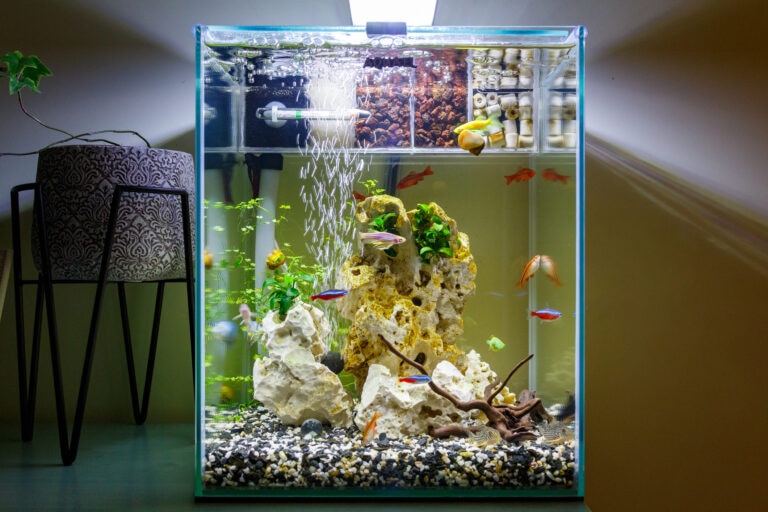
Setting up a fish tank with vitamins starts with choosing the right tank. The tank size, shape, and material affect fish health and vitamin use.
This guide helps you pick a tank that suits your fish and vitamin needs. Consider size, shape, material, and where to place the tank.
Tank Size And Shape
Tank size affects water quality and fish comfort. Bigger tanks keep water stable and make adding vitamins easier.
- Choose a tank at least 20 gallons for beginners.
- Long tanks provide more swimming space.
- Tall tanks can stress some fish due to less surface area.
- Wide tanks offer better oxygen exchange.
Material Options
Common tank materials are glass and acrylic. Each has pros and cons for durability and clarity.
| Material | Advantages | Disadvantages |
| Glass | Scratch resistant, clear view | Heavier, can break |
| Acrylic | Lightweight, impact resistant | Scratches easily, may yellow |
Location Considerations
Place the tank in a quiet spot away from sunlight. This helps control algae and temperature.
Think about these points when choosing a location:
- Avoid direct sunlight to reduce algae growth.
- Keep away from heaters or air conditioners.
- Place on a strong, level surface.
- Choose an area with easy access for maintenance and vitamin dosing.
Credit: www.chewy.com
Essential Equipment
Setting up a fish tank needs the right equipment. Good tools keep your fish healthy and the tank clean.
We cover three key parts: filtration, lighting, and heating. Each part plays a big role in your tank’s success.
Filtration Systems
Filtration removes waste and keeps water clear. It helps stop harmful chemicals and keeps fish safe.
- Mechanical filters catch debris and dirt.
- Biological filters use good bacteria to break down waste.
- Chemical filters remove toxins and odors.
- Choose a filter that fits your tank size.
Lighting Choices
Lighting helps fish see and plants grow. It also shows the tank’s colors well.
| Type of Light | Use | Best For |
| LED | Energy saving, bright | Most tanks |
| Fluorescent | Good for plant growth | Planted tanks |
| Incandescent | Less common, warm light | Fish that prefer dim light |
Heating And Temperature Control
Fish need steady water temperature. A heater keeps the tank warm, especially for tropical fish.
Tips for heating your fish tank:
- Pick a heater that matches your tank size.
- Use a thermometer to check water temperature daily.
- Place the heater near the filter for even heat.
- Set the heater to the right temperature for your fish type.
Water Quality Management
Good water quality is key for a healthy fish tank. It keeps fish safe and happy.
Adding vitamins helps fish stay strong. But water must be clean and balanced too.
Testing Parameters
Testing water shows if it is safe for fish. Check important things like pH and ammonia.
Regular tests stop problems before fish get sick.
- pH: Measures acidity or alkalinity of water
- Ammonia: Toxic waste from fish and food
- Nitrite: Harmful byproduct from ammonia
- Nitrate: Less harmful but needs control
- Hardness: Mineral level in water
- Temperature: Affects fish health and activity
Water Changes
Changing water keeps the tank clean and fresh. It removes waste and toxins.
Small, regular water changes are best for fish health. Avoid big water swaps at once.
- Change 10-20% of water weekly
- Use a gravel vacuum to clean tank bottom
- Replace with water at the same temperature
- Check water quality before adding
Dechlorination Methods
Tap water often has chlorine or chloramine. These chemicals harm fish and beneficial bacteria.
Use dechlorination to make water safe. This protects fish and keeps vitamins effective.
- Use liquid dechlorinator from pet stores
- Let water sit 24-48 hours to lose chlorine naturally
- Use activated carbon filter to remove chemicals
- Check product instructions for safe use
Selecting Vitamins For Fish
Vitamins play a big role in fish health. They help fish grow and stay strong. Knowing which vitamins to give is important for a good fish tank.
Fish get vitamins from food and supplements. Choosing the right vitamins helps prevent diseases and keeps fish active.
Key Vitamins For Fish Health
Fish need many vitamins. Some are more important for their health. Here are the key vitamins your fish need:
- Vitamin A:Good for skin and vision.
- Vitamin C:Helps heal wounds and fights infections.
- Vitamin D:Supports bone and scale growth.
- Vitamin E:Protects cells from damage.
- Vitamin K:Important for blood clotting.
Sources Of Vitamins
Fish get vitamins from different foods and their environment. Natural sources are best for their health.
| Source | Vitamin Type | Examples |
| Fish Food | A, C, E | Flakes, pellets, frozen foods |
| Plants | A, C, K | Algae, lettuce, spinach |
| Live Foods | D, E | Brine shrimp, bloodworms |
| Water | D | Sunlight helps produce Vitamin D |
Supplement Forms
Vitamin supplements come in many forms. Choose the one that suits your fish and tank setup.
- Liquid drops added to tank water
- Powder mixed with fish food
- Pellets with added vitamins
- Gel or paste for direct feeding
Incorporating Vitamins Into Diet
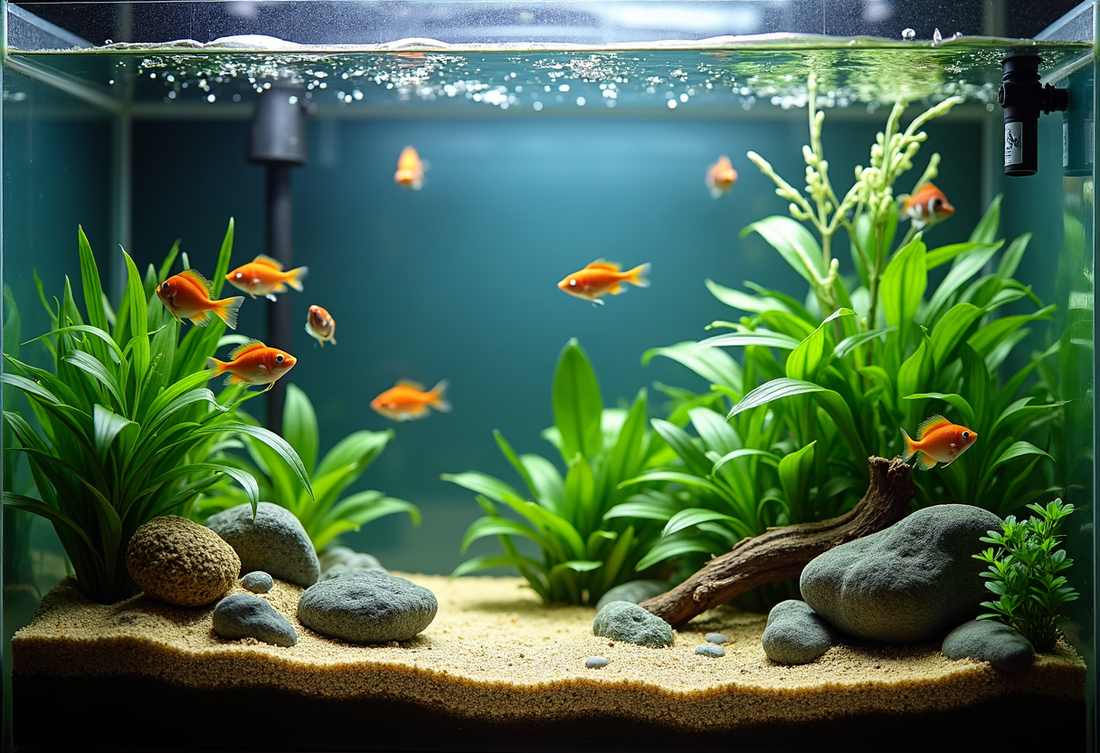
Setting up a fish tank is more than just water and fish. Vitamins play a key role in fish health. They boost immunity and enhance growth.
Adding vitamins to your fish’s diet ensures they live longer. It also makes them more vibrant. Let’s explore how to do this effectively.
Vitamin-enriched Foods
Fish need a balanced diet for good health. Vitamin-enriched foods are a great choice. They provide essential nutrients that fish can’t get from normal food.
- Pellets with vitamin C improve fish immune systems.
- Flakes containing vitamin D help with bone strength.
- Frozen foods with vitamin E boost skin health.
Feeding Schedules
Feeding schedules are important for fish health. Consistent feeding keeps fish healthy and stress-free. It also helps in proper vitamin absorption.
Feed your fish at the same time each day. This routine ensures they get all the vitamins they need. Morning and evening are ideal feeding times.
Avoiding Overdosing
While vitamins are good, too much is harmful. Overdosing can lead to health issues for fish. It’s important to follow feeding instructions closely.
Watch for signs like sluggishness or loss of appetite. These could indicate vitamin overdose. Adjust the diet if you notice these signs.
Credit: algagendirect.com
Maintaining A Balanced Ecosystem
Setting up a fish tank with vitamins helps keep the water healthy. A balanced ecosystem supports fish and plants well.
Good water quality and natural processes reduce stress on fish. Vitamins and care keep the tank environment stable.
Live Plants Benefits
Live plants add oxygen and absorb harmful chemicals. They create natural shelter and help fish feel safe.
- Increase oxygen levels in the water
- Absorb excess nutrients and waste
- Provide hiding places for fish
- Reduce harmful toxins naturally
Beneficial Bacteria Role
Beneficial bacteria break down fish waste into less harmful substances. They keep the water clean and safe.
| Bacteria Type | Function |
| Nitrosomonas | Convert ammonia to nitrite |
| Nitrobacter | Convert nitrite to nitrate |
| Other types | Help break down organic waste |
Controlling Algae Growth
Too much algae can harm fish and plants. Control algae by limiting light and nutrients.
- Keep tank lighting to 8-10 hours daily
- Do regular water changes to remove excess nutrients
- Add algae-eating fish or snails
- Use vitamins to support plant health
Common Problems And Solutions
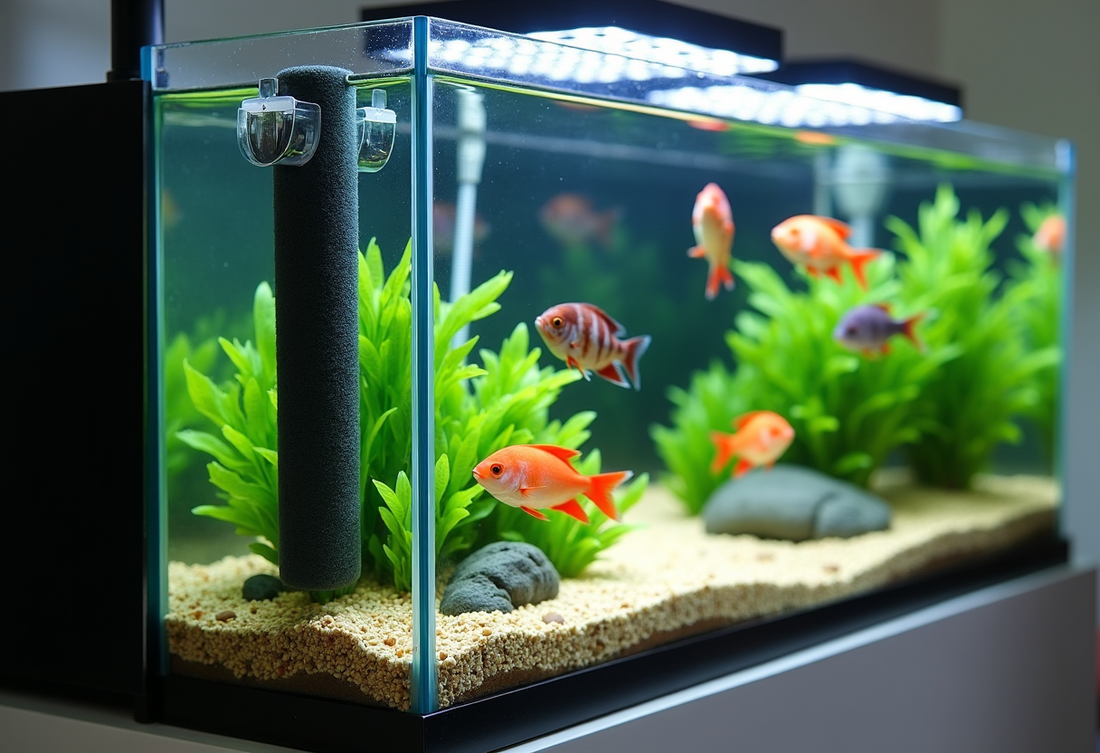
Setting up a fish tank with vitamins can improve fish health. Sometimes problems arise that need quick attention.
This guide covers common issues and how to fix them for a healthy aquarium.
Vitamin Deficiency Signs
Fish may show health problems if vitamins are missing. Watch for these signs to act fast.
- Faded colors or dull scales
- Slow growth or weak fins
- Loss of appetite
- Unusual swimming or floating
- Frequent infections or sores
Water Quality Issues
Water problems can harm fish even if vitamins are added. Test water often and fix issues.
| Issue | Cause | Solution |
| High ammonia | Overfeeding, waste buildup | Clean tank, reduce feeding |
| Low oxygen | Poor water circulation | Add aeration, change water |
| pH imbalance | Wrong water source | Use pH adjusters, change water |
| Cloudy water | Bacteria bloom | Filter properly, partial water change |
Fish Stress Reduction
Stress makes fish weak and sick. Keep stress low for better health and vitamin use.
- Keep tank clean and stable
- Provide hiding spots and plants
- Avoid loud noises and sudden movements
- Do not overcrowd the tank
- Feed balanced food with vitamins
Credit: algagendirect.com
Frequently Asked Questions
What Vitamins Are Essential For A Fish Tank Setup?
Essential vitamins include Vitamin C, Vitamin B-complex, and Vitamin E. These support fish immunity, growth, and color vibrancy. Adding vitamin-enriched fish food or supplements maintains healthy aquatic life and promotes a balanced ecosystem in your tank.
How Do Vitamins Improve Fish Health In Tanks?
Vitamins boost fish immune systems, enhance growth, and reduce stress. Proper vitamin levels prevent diseases and support reproduction. Regular vitamin supplementation ensures fish thrive and exhibit natural behavior, leading to a vibrant and healthy aquarium environment.
Can I Overdose Vitamins In My Fish Tank?
Yes, overdosing vitamins can harm fish and tank balance. Excess vitamins may cause toxicity, stress, or algae growth. Always follow recommended dosages and monitor fish behavior to maintain a safe, healthy aquatic environment.
How To Add Vitamins To A Fish Tank Properly?
Use vitamin-enriched fish food or water-safe liquid supplements. Follow dosage instructions carefully to avoid overdosing. Regularly test water parameters to ensure vitamins do not disrupt tank chemistry or harm aquatic plants and animals.
Conclusion
Adding vitamins to your fish tank helps keep fish healthy and active. Vitamins support fish growth and improve their colors. A balanced setup creates a clean and safe environment. Check water quality and add vitamins carefully. Regular care ensures your fish live longer and happier.
Simple steps make a big difference in tank health. Enjoy watching your vibrant, lively fish every day.