
Imagine turning your ordinary fish tank into an exciting underwater adventure that your fish will love—and that you’ll enjoy watching every day. Adding tunnels to your fish tank setup isn’t just about decoration; it creates a dynamic environment that stimulates your fish’s natural behavior.
If you want to make your aquarium more engaging and lively, this guide will show you how to set up tunnels step-by-step. By the end, you’ll have a stunning tank that feels like a real underwater world, right in your home.
Ready to dive in? Let’s explore how tunnels can transform your fish tank!
Choosing The Right Tank
Setting up a fish tank with tunnels needs careful planning. Choosing the right tank is the first step to create a good home for your fish.
The tank size and shape affect how much space your fish have. The material and placement also matter for safety and appearance.
Tank Sizes And Shapes
Fish tanks come in many sizes. Bigger tanks give fish more room to swim. Small tanks are easier to clean but limit space.
The shape of the tank changes how tunnels fit inside. Rectangular tanks often work best for tunnels. Round tanks limit tunnel placement.
- Small tanks: 5 to 10 gallons
- Medium tanks: 20 to 40 gallons
- Large tanks: 50 gallons and above
- Shapes: rectangular, square, round
Material Options
Most fish tanks are made from glass or acrylic. Glass is heavy and strong but can break. Acrylic is lighter and clearer but scratches easier.
Choose a material that fits your budget and needs. Acrylic tanks often allow more creative tunnel designs because they are flexible.
- Glass: durable, scratch-resistant, heavier
- Acrylic: lightweight, clear, easier to shape
Placement Tips
Place your fish tank where it gets indirect light. Avoid direct sunlight to stop algae growth. Keep the tank away from heat sources.
Make sure the surface holding the tank is strong and level. Tunnels inside need space to avoid crowding the fish. Check that the tank is easy to reach for cleaning.
- Place tank near power outlets
- Avoid direct sunlight
- Use a sturdy, level stand
- Allow space inside for tunnels and fish
Credit: www.dugoutnorthbrook.com
Selecting Tunnel Decorations
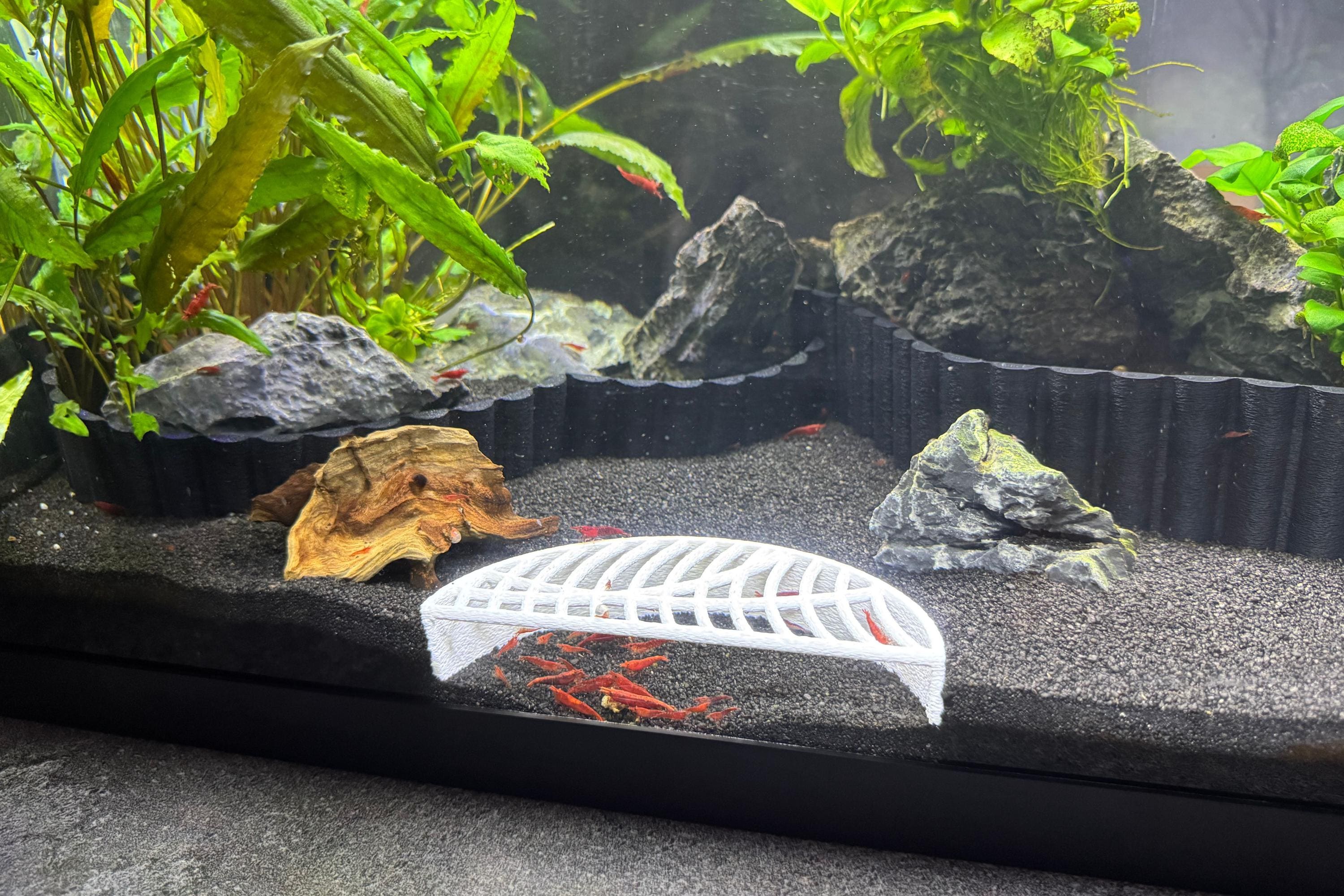
Adding tunnels to your fish tank makes it more fun and natural. Tunnels give fish places to hide and swim through.
Choosing the right tunnel decoration keeps your fish safe and your tank beautiful. Think about the tunnel’s type, material, and where to place it.
Types Of Aquarium Tunnels
Aquarium tunnels come in many shapes and sizes. Some look like caves, logs, or hollow tubes. Each type offers different hiding spots and swim paths.
Some popular tunnel types include natural rock caves, ceramic tubes, and plastic logs. Pick tunnels that fit your tank’s size and style.
- Rock or stone tunnels mimic nature
- Ceramic tunnels are easy to clean
- Plastic tunnels come in many colors and shapes
- Wood-like tunnels add a natural look
Materials And Safety
Choose tunnel materials that do not harm fish or water quality. Some materials release toxins or break down over time.
Safe materials include ceramic, glass, and some plastics made for aquariums. Avoid sharp edges and rough surfaces that can hurt fish.
- Ceramic: durable and safe
- Glass: smooth and easy to clean
- Plastic: lightweight but check for aquarium-safe labels
- Natural rocks: must be aquarium-safe and cleaned well
Placement Strategies
Put tunnels where fish can easily enter and exit. Avoid blocking filters or lights with tunnel decorations.
Place tunnels in quiet corners or near plants. This makes fish feel safe and encourages natural behavior.
- Keep tunnels stable to prevent tipping
- Allow enough space around tunnels for fish to swim
- Use multiple tunnels for different hiding spots
- Place tunnels near hiding plants or rocks
Aquascaping With Tunnels
Fish tanks with tunnels create an exciting view for fish and viewers. Tunnels add depth and space for fish to explore.
Aquascaping with tunnels means designing the tank to look natural and inviting. It requires careful planning of plants, rocks, and open water.
Creating Natural Layouts
Start by placing tunnels in spots that mimic natural caves or crevices. This helps fish feel safe and curious.
Use soft curves and uneven shapes to avoid a fake look. Let tunnels blend with the tank’s background and foreground.
Combining Plants And Rocks
Mix plants and rocks around tunnels for a balanced, natural feel. Plants soften the hard edges of rocks and tunnels.
Choose plants that grow well near tunnels. Use taller plants behind rocks and shorter ones near openings.
- Moss grows well on rock surfaces
- Fern-like plants add texture
- Grass-like plants create open views
Balancing Open Spaces
Open spaces in the tank give fish room to swim freely. Balance tunnels and decorations with clear areas.
Too many tunnels can make the tank feel crowded. Leave some open water to keep the layout airy and clean.
Choosing Fish For Tunnel Tanks
Setting up a fish tank with tunnels creates a unique environment. Choosing the right fish helps them feel safe and active.
Fish that like hiding and swimming through tunnels will enjoy this setup the most. Pick species that use tunnels naturally.
Species That Enjoy Tunnels
Some fish love tunnels because they provide shelter and play areas. These species often hide or explore narrow spaces.
- Corydoras Catfish – enjoy resting in tunnels and hiding spots.
- Loaches – love swimming through caves and tunnels.
- Dwarf Cichlids – use tunnels for breeding and protection.
- Electric Eels – prefer narrow spaces to feel secure.
- Gouramis – like to explore tunnels and small caves.
Community Compatibility
Choose fish that get along well in tunnel tanks. Some species are peaceful, while others may be territorial.
Mix fish with similar temperaments to avoid stress. Avoid aggressive fish that might fight over tunnels.
- Peaceful bottom dwellers like Corydoras mix well with small tetras.
- Loaches do well with calm mid-level swimmers.
- Avoid large or aggressive fish that block tunnel entrances.
- Watch for fish that need open water space to swim freely.
Behavioral Considerations
Fish behavior affects how they use tunnels. Some hide when scared, others explore actively.
Choose fish that enjoy using tunnels for shelter and play. Avoid fish that do not use tunnels or need wide open spaces.
- Shy fish use tunnels to hide from light and stress.
- Active fish swim through tunnels as part of their daily routine.
- Territorial fish may claim tunnels as their own space.
- Observe fish to see how they interact with tunnels before adding more.
Filtration And Water Flow
Setting up a fish tank with tunnels needs special care for filtration and water flow. Good water movement keeps the water clean and healthy for fish.
Choosing the right filter and keeping water circulating helps avoid problems inside the tunnels. It also stops dirty spots where waste can build up.
Filter Types Suitable For Tunnels
Filters must work well with the tunnel shapes in the tank. They need to move water without blocking the tunnels or hurting the fish.
- Canister filters: Keep water flowing through tunnels gently.
- Sponge filters: Offer safe filtration and slow water flow.
- Internal power filters: Easy to hide and create steady flow.
- Undergravel filters: Help clean the substrate under tunnels.
Maintaining Water Quality
Keep water clean by testing often and doing regular water changes. Remove leftover food and waste to stop water from getting dirty.
| Action | Frequency | Purpose |
| Water testing | Weekly | Check ammonia, nitrite, nitrate levels |
| Partial water change | Every 1-2 weeks | Remove toxins and keep water fresh |
| Cleaning filter media | Monthly | Keep filter working well without harming bacteria |
| Remove uneaten food | Daily | Prevent waste buildup and water pollution |
Avoiding Dead Zones
Dead zones are areas where water does not flow well. These spots collect waste and harm fish health. Good flow design stops dead zones.
- Place water inlets near tunnels to push water through.
- Use multiple small pumps for even flow.
- Arrange tunnels so water moves through all openings.
- Regularly check for areas with poor water movement.
Lighting And Temperature
Setting up a fish tank with tunnels is fun and rewarding. Proper lighting and temperature are key for a healthy tank.
These factors support plant growth and keep your fish happy. Let’s explore how to manage them effectively.
Lighting For Plant Growth
Plants need light to grow and stay vibrant. Choose lights that mimic natural sunlight for best results.
LED lights are energy-efficient and good for plants. Adjust the light duration to match day and night cycles.
- Use LED lights for energy efficiency
- Set timers to simulate day and night
- Avoid strong lights that cause algae
Highlighting Tunnel Features
Tunnels add depth and interest to your fish tank. They offer hiding places for fish, making them feel safe.
Position lights to highlight these tunnels. It creates a dynamic and engaging environment for both fish and viewers.
Lighting tips for tunnels:
- Use spotlights for dramatic effects
- Highlight entrances and exits
- Ensure even light distribution
Temperature Control Tips
Maintaining the right temperature is crucial for fish health. Different fish need different temperatures.
Use a reliable heater and thermometer to monitor and adjust the water temperature. It keeps your fish comfortable and active.
- Check the temperature daily
- Use a heater with a thermostat
- Ensure proper water circulation
Maintenance And Cleaning
Keeping a fish tank with tunnels clean is important for your fish’s health. Regular maintenance helps prevent dirt and algae buildup. It also keeps the water clear and safe.
Proper cleaning and upkeep extend the life of your tank decorations and make the aquarium look its best. Let’s look at key tasks to keep your tank in top shape.
Cleaning Tunnel Decorations
Tunnel decorations can collect algae and debris inside and out. Clean them gently to avoid damage. Use a soft brush or sponge and tank water to scrub tunnels every two weeks.
- Remove tunnels from the tank carefully.
- Rinse with warm water (no soap).
- Use a small brush to clean inside the tunnels.
- Check for cracks or damage.
- Place tunnels back after cleaning.
Regular Tank Upkeep
Keep the tank water clean by changing some water weekly. Test water quality to keep fish healthy. Clean the tank glass and filter regularly.
| Task | Frequency | Notes |
| Water Change | Weekly | Change 10-20% of water |
| Glass Cleaning | Weekly | Use algae scraper or cloth |
| Filter Check | Every 2 Weeks | Rinse filter media in tank water |
| Gravel Vacuum | Monthly | Remove debris from substrate |
Monitoring Fish Health
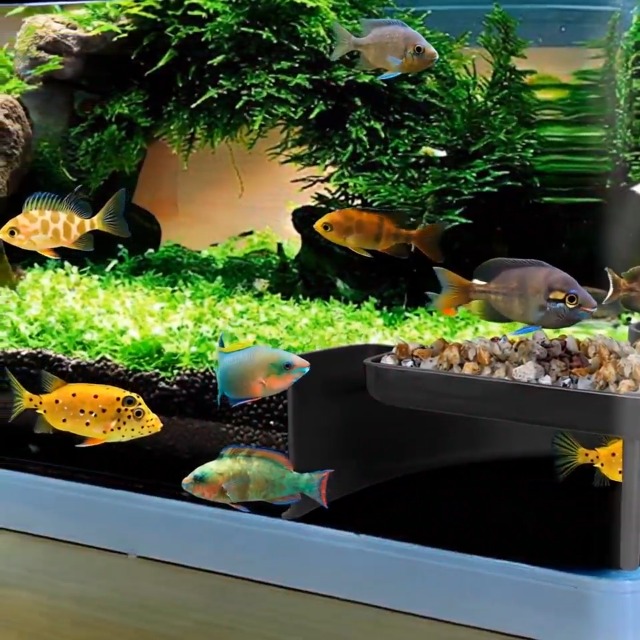
Watch your fish daily for signs of stress or disease. Healthy fish swim actively and eat well. Look for unusual spots, torn fins, or slow movement.
- Observe fish behavior every day.
- Note changes in appetite or activity.
- Isolate sick fish to prevent spread.
- Keep water parameters stable.
- Clean tank regularly to reduce illness risk.
Credit: www.amazon.ca
Troubleshooting Common Issues
Setting up a fish tank with tunnels can be fun. But, it also comes with challenges. Knowing how to fix problems is key.
This guide will help you manage common issues. You will learn about algae, tunnel blockages, and fish stress.
Algae Control
Algae can make your tank look dirty. It grows fast in tanks with too much light or nutrients.
To keep algae away, control the light and feed fish properly. Check your tank’s light timer and adjust it if needed.
- Use an algae scraper for glass cleaning
- Introduce algae-eating fish like snails
- Limit sunlight exposure on the tank
Preventing Tunnel Blockages
Tunnels can get blocked by debris or algae. This can stop fish from swimming freely.
Regular cleaning helps keep tunnels clear. Check tunnels weekly for blockages and clean them with a small brush.
- Rinse tunnels during water changes
- Use aquarium-safe brushes for cleaning
- Inspect tunnels for cracks or damage
Managing Stress In Fish
Fish can get stressed easily. Stress can make them sick or less active.
To keep fish happy, maintain clean water and stable temperature. Avoid tapping on the tank glass.
- Provide hiding spots with plants and decorations
- Ensure proper oxygen levels with a good filter
- Feed fish a balanced diet
Enhancing Visual Appeal
Creating an attractive fish tank with tunnels makes your aquarium stand out. Visual appeal draws attention and creates a peaceful environment. Simple changes can make a big difference.
Using colors, lights, and motion adds depth and interest. Each element plays a role in making the tank lively and beautiful.
Using Colorful Substrates
Colorful substrates bring vibrancy to the base of the tank. They highlight tunnels and create a natural look. Choose substrates that match your tank’s theme or fish colors.
- Bright gravel in blues or greens for a fresh look
- Natural tones like sand or small pebbles for a calm feel
- Mixed colors to mimic riverbeds or coral reefs
- Substrates that glow under certain lighting for added effect
Incorporating Lighting Effects
Lighting enhances the tunnels and shows off colors in the tank. Different lights can create shadows and highlights, giving a 3D effect. Use soft or bright lights based on your fish’s comfort.
| Lighting Type | Effect on Tank | Best Use |
| LED Lights | Bright and energy efficient | Highlight tunnels and plants |
| Blue Moonlights | Soft glow at night | Night viewing without stress |
| Color Changing Lights | Dynamic color shifts | Showcase colorful substrates |
| Spotlights | Focused illumination | Emphasize tunnel entrances |
Adding Motion Elements
Motion brings life to the fish tank and tunnels. Moving plants, bubbles, or fish create natural movement. Motion keeps the tank interesting and engaging to watch.
- Use bubble walls near tunnels for gentle movement
- Add floating plants that sway with water currents
- Choose active fish that swim through tunnels often
- Install small water pumps to create flow around tunnels
Credit: www.etsy.com
Frequently Asked Questions
What Are The Benefits Of Tunnels In Fish Tanks?
Tunnels create hiding spots and reduce fish stress. They encourage natural behavior and add visual interest to the aquarium. Tunnels also improve water circulation around fish. This setup enhances both fish health and tank aesthetics.
How Do I Choose The Right Tunnel Size?
Select tunnels based on your fish species and size. Ensure tunnels are large enough for fish to swim through comfortably. Avoid sharp edges to prevent injuries. Proper sizing helps maintain fish safety and encourages tunnel use.
Can Tunnels Affect Water Quality In Tanks?
Tunnels can impact water flow, possibly causing debris buildup. Regular cleaning prevents waste accumulation inside tunnels. Good filtration and water circulation are essential to maintain tank health. Proper maintenance keeps water quality stable and safe for fish.
Where Should I Place Tunnels In My Fish Tank?
Place tunnels strategically to create natural swimming paths and hiding spots. Avoid overcrowding the tank to maintain open swimming areas. Position tunnels near plants or decorations for a natural look. This placement supports fish comfort and activity.
Conclusion
Setting up a fish tank with tunnels creates fun and safe spaces for fish. Tunnels add depth and interest to the tank’s look. Fish enjoy hiding and swimming through these cozy paths. This setup helps reduce stress and encourages natural behavior.
Keep tunnels clean and arrange them well for easy fish movement. With simple care, your tank will stay healthy and lively. Try tunnels to give your fish a happy, active home.