
Setting up a fish tank with strong water flow might sound tricky, but it’s one of the best ways to keep your aquatic friends happy and healthy. You want your fish to swim freely, your plants to thrive, and the water to stay clean.
But how do you create that perfect current without stressing your fish? You’ll discover simple steps and smart tips to get the water moving just right. Keep reading to find out how to transform your tank into a lively, vibrant underwater world that feels natural and refreshing for your fish.

Credit: www.youtube.com
Choosing The Right Tank
Setting up a fish tank with strong water flow needs careful tank selection. The right tank size and material affect water movement and fish health.
This guide covers key points to help you pick a suitable tank for good water flow and a healthy environment.
Tank Size And Shape
Tank size affects water volume and flow strength. Larger tanks hold more water, making it easier to maintain steady flow. Shape also changes how water moves inside.
- Long tanks allow more surface area for oxygen exchange.
- Taller tanks may reduce water movement near the surface.
- Wide tanks provide space for fish to swim in strong currents.
- Smaller tanks heat and change water chemistry faster.
Material Considerations
| Material | Durability | Clarity | Cost |
| Glass | High | Excellent | Moderate |
| Acrylic | Moderate | Very Clear | High |
| Plastic | Low | Good | Low |
Glass tanks resist scratches and keep water clear. Acrylic tanks are lighter and clearer but scratch easier. Plastic tanks cost less but may not last long.
Selecting Powerful Filtration
Setting up a fish tank with strong water flow needs a good filter. The filter keeps water clean and moves water well. This helps fish stay healthy and happy.
Choosing the right filter is important for strong water flow. A powerful filter clears waste and keeps water fresh. Let’s look at filter types and how to maintain them.
Types Of Filters For Strong Flow
There are different filters that make strong water flow in your tank. Each type works in a special way to clean water and move it fast.
- Canister Filters:These filters are outside the tank. They push water through many filter parts fast. They clean well and keep strong flow.
- Power Filters:Also called hang-on-back filters, they hang on the tank edge. They pull water up and push it back quickly.
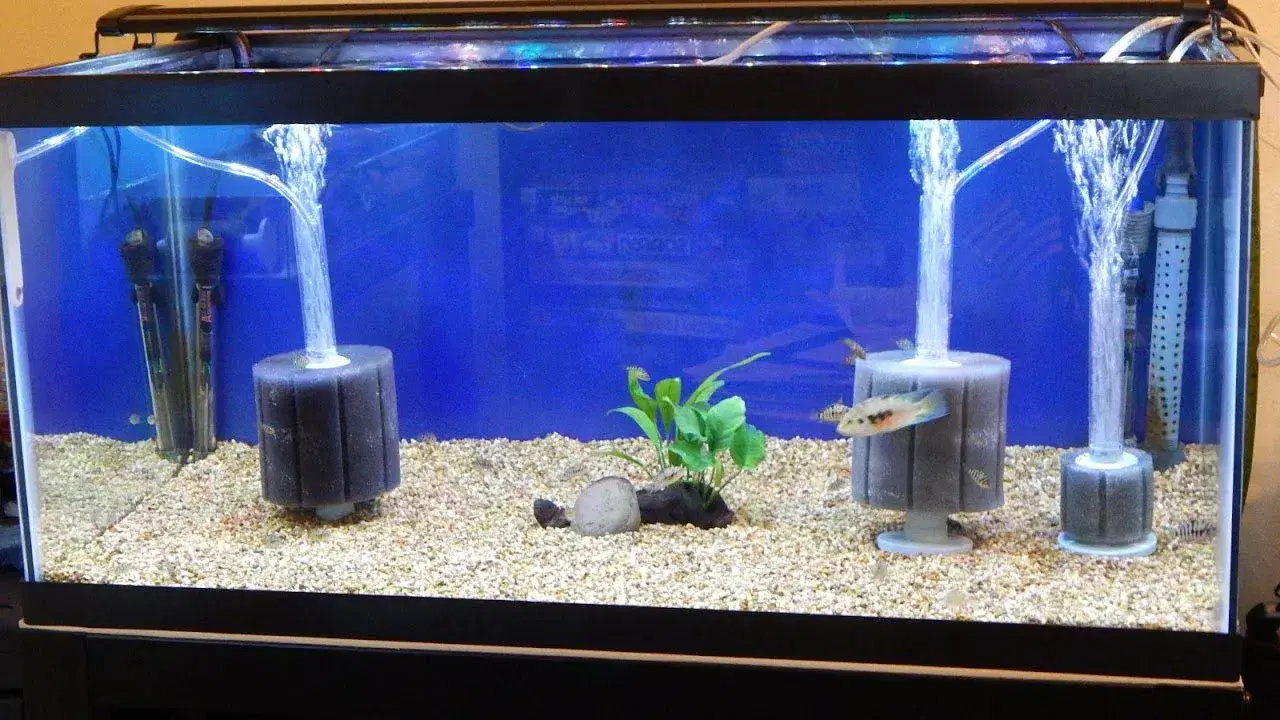
- Sponge Filters:These use air to pull water through a sponge. They create gentle but strong flow and good cleaning.
- Internal Filters:These stay inside the tank. They push water through sponges or cartridges to clean it and keep water moving.
- Undergravel Filters:These sit under the tank’s gravel. They pull water down and push it up, creating flow and filtering waste.
Filter Maintenance Tips
Good filter care helps keep strong water flow. Clean your filter parts often. This stops clogs and keeps the filter working well.
Change filter media like sponges or cartridges as the maker says. Do not clean all parts at once. This keeps helpful bacteria alive.
- Rinse filter parts in tank water to save bacteria
- Check the flow rate to spot problems early
- Replace worn parts like impellers when needed
- Clean intake tubes to stop blockages
- Follow the filter’s instructions for best results
Creating Effective Water Circulation
Strong water flow is important for a healthy fish tank. It helps move oxygen and nutrients. Good circulation keeps the tank clean and fish happy.
Setting up water flow right needs careful planning. You must place pumps and powerheads well. Also, the flow patterns inside the tank matter a lot.
Placement Of Pumps And Powerheads
Place pumps and powerheads so water moves across the whole tank. Avoid dead spots where water does not flow. These spots collect waste and harm fish.
Put powerheads near the bottom and top of the tank. This helps move water from floor to surface. Also, aim pumps toward areas with plants or decorations.
- Place pumps on opposite sides to create good circulation
- Avoid pointing powerheads directly at fish to reduce stress
- Keep pumps away from tank walls to prevent damage
- Adjust height of powerheads for even flow
Optimizing Flow Patterns
Good flow patterns move water in circles or waves. This helps clean the tank and spread oxygen. Avoid strong currents that tire out fish.
Use flow deflectors or angled powerheads to shape water movement. Test different setups to see what works best. Watch fish behavior to check comfort.
- Create gentle, circular water movement
- Use multiple powerheads for even flow
- Adjust flow speed based on fish species
- Check and clean pumps regularly to keep flow steady
Credit: aquadecorbackgrounds.com
Choosing Fish For Strong Flow
Setting up a fish tank with strong water flow needs careful fish selection. Some fish swim well in fast currents and enjoy moving water.
Picking the right fish helps keep them healthy and active in your tank. Avoid fish that dislike strong water movement.
Species That Thrive In Strong Currents
Some fish are built for strong water flow. They have strong fins and bodies to swim against currents easily.
- Corydoras Catfish – They enjoy swimming in flowing water and stay active.
- Bala Shark – This species loves swimming in fast-moving water.
- Rainbowfish – Known for being energetic swimmers in streams and rivers.
- Loaches – Many loaches prefer strong currents and rocky habitats.
- Barbs – These fish are strong swimmers and do well in fast water.
Avoiding Sensitive Fish
Some fish cannot handle strong water flow. Their fins or bodies are delicate and get stressed in fast currents.
- Discus Fish – They prefer calm water and get stressed with strong flow.
- Betta Fish – Bettas have long fins that can be damaged by strong currents.
- Angelfish – They swim slowly and avoid fast-moving water.
- Neon Tetras – These small fish like gentle water movement.
- Gouramis – Most gouramis prefer still or slow water.
Aquascaping For Flow
A strong water flow in a fish tank affects how plants and hardscape look. It helps keep the tank clean and healthy. Aquascaping should consider this flow to create a natural and balanced environment.
Designing for flow means placing stones, wood, and plants where water moves smoothly. This reduces dead spots and allows fish to swim comfortably.
Hardscape Arrangements
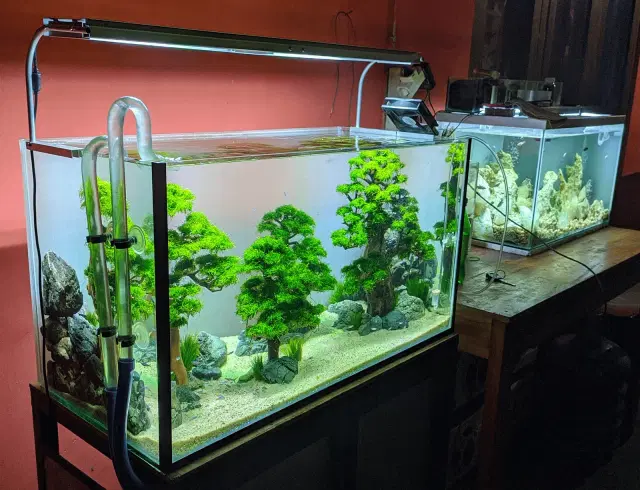
Arrange hardscape materials to guide water flow. Use rocks and driftwood to create paths for water movement. Avoid blocking the main flow with large objects.
- Place larger rocks near the filter outlet to direct flow
- Use driftwood to form natural curves and channels
- Leave open spaces for fish to swim
- Stack rocks securely to prevent collapse
Plant Selection And Placement
Choose plants that tolerate strong water currents. Place them where the flow suits their needs. Some plants need more flow, while others prefer calm areas.
| Plant | Flow Preference | Placement Tips |
| Anubias | Moderate to strong | Attach to rocks or wood near flow |
| Java Fern | Moderate | Place in shaded flow areas |
| Vallisneria | Strong | Plant in back where flow is strong |
| Mosses | Low to moderate | Place in calm zones or behind hardscape |
Monitoring Water Parameters
Setting up a fish tank requires careful monitoring of water parameters. Strong water flow can impact these parameters significantly.
Understanding the relationship between water flow and water quality helps keep fish healthy. Regular checks are important.
Flow Impact On Oxygen Levels
Water flow influences the amount of oxygen in a tank. Fish need oxygen to survive and thrive.
- Increased flow boosts oxygen levels
- Stagnant water can lead to oxygen depletion
- Ensure flow is suitable for fish species
Maintaining Stable Conditions
Stable conditions are crucial for a healthy fish tank. Temperature and pH must be consistent.
| Parameter | Ideal Range |
| Temperature | 24-26°C |
| pH Level | 6.5-7.5 |
| Ammonia | 0 ppm |
Troubleshooting Flow Issues
Setting up a fish tank with strong water flow can be tricky. Sometimes, the flow is too strong or too weak for your fish. It is important to find the right balance.
Understanding common problems and how to fix them can help. It ensures a healthy environment for your fish without causing stress.
Common Problems And Fixes
Strong water flow can create problems in your fish tank. These issues need timely attention to keep your fish safe.
- Fish struggle to swim
- Plants uprooted by strong currents
- Uneven water filtration
To fix these, adjust the flow direction. Aim the filter output towards a tank wall. This can reduce the strength of the current.
Adjusting Flow Without Stressing Fish
Adjusting water flow is essential for fish comfort. Too much change can stress them out.
Use flow control devices. They can help manage the water movement. Gradually adjust settings over a few days.
- Install a sponge filter to diffuse flow
- Add rocks or plants to break the current
- Position decorations to redirect flow
Credit: aquadecorbackgrounds.com
Frequently Asked Questions
What Is The Ideal Water Flow For Fish Tanks?
Ideal water flow depends on fish species but generally ranges from 4 to 6 times the tank volume per hour. Strong flow ensures oxygenation and waste removal while keeping fish healthy and active.
How To Create Strong Water Flow In A Fish Tank?
Use high-quality powerheads or canister filters to boost water movement. Position equipment strategically to avoid dead zones and maintain consistent circulation throughout the tank.
Can Strong Water Flow Harm Fish In Tanks?
Excessive flow can stress or exhaust some fish species. Choose flow rates suited to your fish type and provide hiding spots to reduce stress and promote well-being.
What Are Benefits Of Strong Water Flow In Fish Tanks?
Strong water flow improves oxygen levels, prevents algae buildup, and keeps debris suspended for filtration. It supports healthier fish and a cleaner, balanced aquarium environment.
Conclusion
Setting up a fish tank with strong water flow keeps fish healthy and active. Good water movement helps oxygen reach all parts of the tank. It also removes waste and keeps the water clean. Choose the right pump and adjust flow speed carefully.
Watch how your fish react to find the best flow. Strong water flow can mimic natural habitats for your fish. Keep learning and adjusting for the best tank environment. A well-flowing tank makes fish happier and your aquarium easier to care for.