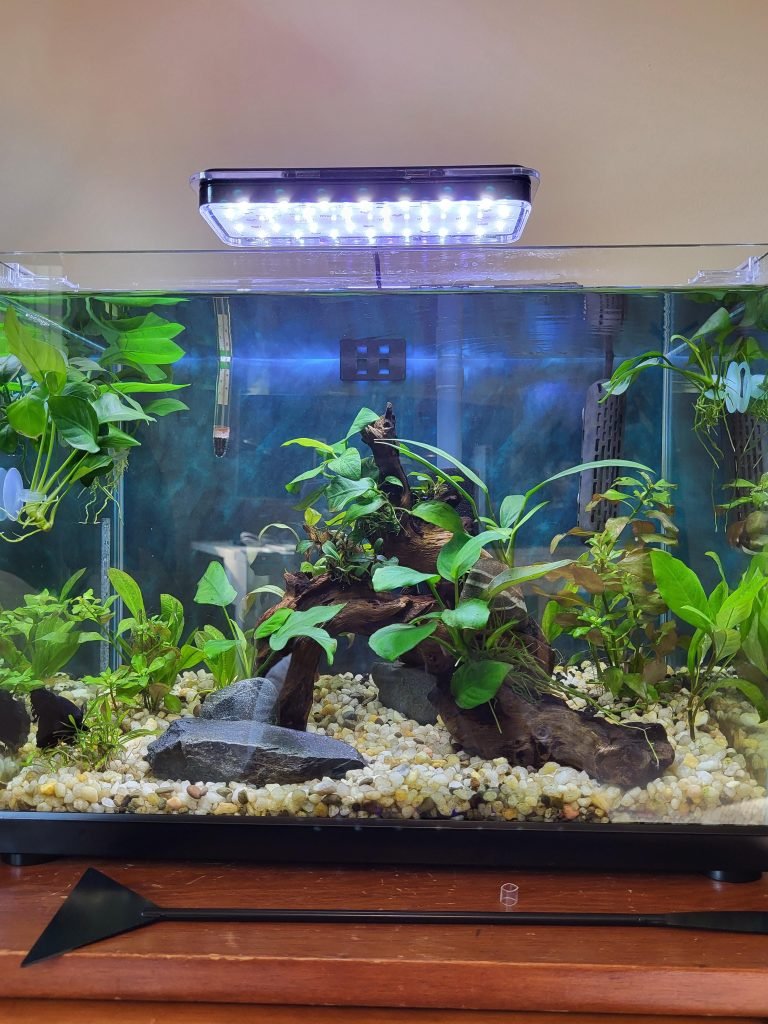
Setting up a fish tank that thrives can feel overwhelming, especially when you want your fish to stay healthy and active. What if there was a simple way to boost their well-being right from the start?
Adding protein supplements to your fish tank setup might be the secret you’ve been missing. Imagine your fish growing faster, showing brighter colors, and living longer—all because you made one smart change. You’ll discover exactly how protein supplements can transform your aquarium and make your fish tank truly come alive.
Keep reading to unlock the full potential of your underwater world.
Choosing The Right Fish Tank
Setting up a fish tank needs careful planning. Choosing the right tank is key to a healthy aquatic environment.
This guide covers tank size and shape, materials, and placement with lighting. These factors affect fish health and tank maintenance.
Tank Size And Shape
Tank size impacts water quality and fish space. Larger tanks keep water stable. Shape affects decoration and swimming space.
- Choose a tank size based on fish type and number.
- Long tanks give more surface area for oxygen exchange.
- Taller tanks suit plants but limit swimming room.
- Wide tanks work well for bottom-dwelling fish.
Material Considerations
Tank materials affect durability and clarity. Most tanks are glass or acrylic. Each has benefits and drawbacks.
| Material | Pros | Cons |
| Glass | Scratch resistant, clear | Heavy, can break |
| Acrylic | Light, impact resistant | Scratches easily, yellows over time |
Placement And Lighting
Choose a stable place away from direct sunlight. Lighting affects fish and plant health. Use lights that suit your tank inhabitants.
- Keep the tank away from windows to avoid algae growth.
- Place the tank on a sturdy, level surface.
- Use LED lights for energy efficiency and low heat.
- Adjust light duration to mimic natural day and night cycles.

Credit: glassboxdiaries.com
Essential Equipment For Setup
Setting up a fish tank with protein supplements needs the right tools. Good equipment keeps fish healthy and water clean.
Each piece of equipment plays a role in creating a stable environment for fish and supplements to work well.
Filtration Systems
Filtration removes waste and toxins from the water. It helps keep the tank clean and safe for fish.
There are three main types of filters: mechanical, biological, and chemical. Each one helps in a different way.
- Mechanical filters trap debris and particles
- Biological filters use beneficial bacteria to break down waste
- Chemical filters remove harmful chemicals and odors
Aeration And Water Circulation
Aeration adds oxygen to the water, which fish need to breathe. Good water flow helps spread oxygen and nutrients.
Air pumps and water pumps create bubbles and move water around. This keeps the tank healthy and prevents dead spots.
- Air stones create small bubbles for oxygen
- Powerheads improve water movement
- Surface agitation helps gas exchange
Heating And Temperature Control
Most tropical fish need warm water to stay healthy. A reliable heater keeps the tank at a steady temperature.
Thermometers help you check the water temperature. Keeping the right temperature supports fish and protein supplement effectiveness.
- Submersible heaters are easy to use and safe
- Thermostats prevent overheating
- Digital thermometers provide accurate readings
Water Quality Management
Good water quality is important for fish health. It helps fish grow and stay active.
Adding protein supplements can affect water conditions. Managing water quality keeps fish safe.
Ph And Hardness Levels
Fish need stable pH levels to stay healthy. Most fish prefer a pH between 6.5 and 7.5.
Hardness means how many minerals are in the water. Fish from hard water need different care than soft water fish.
- Check pH weekly with test kits
- Keep hardness stable for your fish type
- Avoid sudden changes in water chemistry
Regular Testing And Maintenance
Test water often to catch problems early. Use simple kits to check ammonia, nitrites, and nitrates.
Clean filters and change some water regularly. This removes waste and keeps water fresh.
- Test water twice a week
- Change 10-20% of water weekly
- Clean or replace filter media monthly
Dechlorination And Conditioning
Tap water often has chlorine, which harms fish. Use a dechlorinator before adding water to the tank.
Water conditioners remove chlorine and other bad chemicals. They also add helpful minerals to the water.
- Always treat tap water before use
- Follow product instructions for dosing
- Check water after treatment to ensure safety
Selecting Fish Species
Choosing the right fish species is key for a healthy tank. Each type has unique needs and habits. Understanding these helps in creating a balanced environment.
Protein supplements support fish growth and health. Matching supplements to fish species improves their well-being and tank harmony.
Compatibility And Behavior
Fish species differ in how they act with others. Some are peaceful, while others are aggressive. Choosing compatible fish prevents stress and injuries.
- Schooling fish prefer groups and calm tank mates.
- Territorial fish need space and fewer neighbors.
- Bottom dwellers usually keep to themselves.
- Aggressive species may attack smaller fish.
Growth Patterns
Fish grow at different rates. Some grow quickly and need more space. Others grow slowly and stay small. Knowing growth helps plan tank size and stocking.
| Fish Species | Average Size | Growth Rate |
| Guppy | 2 inches | Slow |
| Oscar | 12 inches | Fast |
| Neon Tetra | 1.5 inches | Slow |
| Goldfish | 8 inches | Moderate |
Feeding Requirements
Different fish need different foods. Protein supplements must match fish diets. Some fish need high protein, others need less. Proper feeding supports growth and health.
- Carnivores: High protein (meat-based supplements)
- Herbivores: Low protein, more plants
- Omnivores: Balanced protein and plant mix
Role Of Protein Supplements
Protein supplements are crucial for fish tank setups. They help fish grow healthy and strong. Adding these supplements ensures your fish get the nutrients they need.
Understanding the types, benefits, and proper use of protein supplements can improve your fish tank’s environment. This guide will help you use protein supplements effectively.
Types Of Protein Supplements
There are different types of protein supplements available. Each type serves a unique purpose for fish health.
- Fish Meal: Made from ground fish, high in protein.
- Soy Protein: Plant-based, good for vegetarian diets.
- Whey Protein: Derived from milk, easily digestible.
Benefits For Fish Growth
Protein supplements support fish growth and development. They boost the immune system and improve overall health.
- Faster growth rates
- Stronger immune system
- Better color and vitality
Dosage And Frequency
Correct dosage and frequency are important for optimal results. Overfeeding can harm your fish.
| Supplement Type | Dosage | Frequency |
| Fish Meal | 1-2 teaspoons | Twice a week |
| Soy Protein | 1 teaspoon | Once a week |
| Whey Protein | 1 teaspoon | Twice a week |
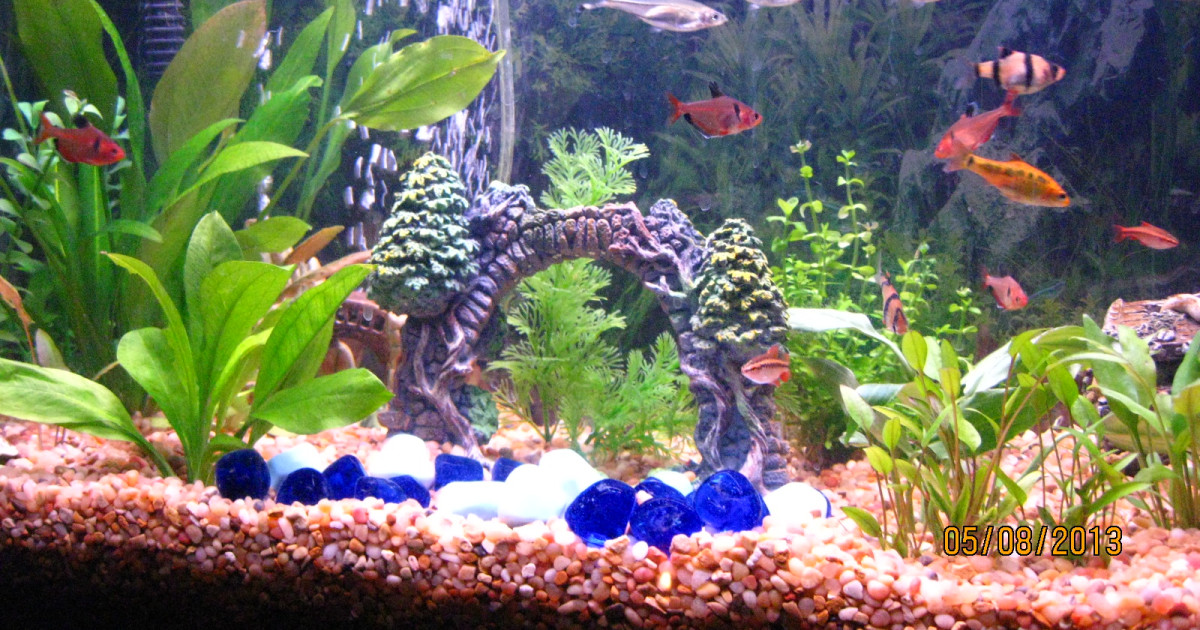
Credit: pethelpful.com
Feeding Strategies With Supplements
Using protein supplements in a fish tank diet helps improve fish health. It supports growth, color, and energy levels.
Good feeding strategies keep fish healthy and the tank clean. Careful use of supplements is important.
Integrating Supplements Into Diet
Add protein supplements gradually to fish food. Mix them well to ensure even distribution.
Use supplements that match the fish species and their dietary needs. Avoid sudden changes to prevent stress.
- Mix powder supplements with flakes or pellets
- Use liquid supplements as directed on the label
- Feed a variety of foods for balanced nutrition
Avoiding Overfeeding
Overfeeding can pollute water and harm fish health. Feed only what fish can eat in a few minutes.
Watch fish during feeding to adjust the amount. Remove leftover food to keep the tank clean.
- Feed small portions several times a day
- Observe fish behavior and appetite
- Stop feeding if food remains uneaten
Feeding Schedules
Keep a regular feeding schedule to help fish digest food well. Consistent times reduce stress.
Adjust feeding frequency based on fish age and type. Younger fish often need more frequent feeding.
| Fish Type | Feeding Frequency |
|---|---|
| Juvenile Fish | 3-4 times daily |
| Adult Fish | 1-2 times daily |
| Herbivores | 2-3 times daily |
| Carnivores | 1-2 times daily |
Monitoring Fish Health And Growth
Setting up a fish tank with protein supplements helps fish grow strong and stay healthy. Watching their health and growth is key to a good tank.
Regular checks let you spot problems early. Adjusting care and supplements keeps fish happy and growing well.
Signs Of Healthy Growth
Healthy fish show clear signs of good growth. Look for bright colors and smooth scales. Active swimming and regular eating habits are positive signs.
- Bright, vibrant colors
- Clear eyes and smooth scales
- Steady increase in size
- Active and alert behavior
- Regular feeding without loss of appetite
Common Health Issues
Fish can get sick from poor water or wrong supplements. Watch for signs like faded colors or erratic swimming. Look for spots or torn fins as well.
| Issue | Symptoms | Cause |
| Ich (White Spot) | White spots on body | Parasites |
| Fin Rot | Frayed or torn fins | Poor water quality |
| Swim Bladder | Difficulty swimming | Overfeeding or infection |
| Fungal Infection | White patches on skin | Injury or stress |
Adjusting Supplements And Care
Change protein supplements based on fish growth and health. Use smaller or larger doses as needed. Keep water clean and check temperature.
- Reduce protein if fish show slow growth
- Increase supplements if fish are active and growing
- Test water weekly for ammonia and pH levels
- Clean tank filters regularly
- Feed fish small amounts several times a day
Maintaining Optimal Tank Environment
Keeping a fish tank clean ensures healthy fish and a clear view. Protein supplements help maintain water quality. They break down waste and balance nutrients.
To achieve a balanced tank, follow specific routines. Focus on cleaning, managing waste, and balancing nutrients.
Regular Cleaning Routines
Cleaning your tank regularly prevents buildup of harmful substances. This keeps fish healthy and water clear.
- Change 10-15% of the water weekly
- Clean tank surfaces to remove algae
- Rinse filters monthly
- Check water temperature and adjust if needed
Managing Waste And Algae
Fish produce waste that can cloud the water. Algae can also grow quickly if not managed.
| Task | Frequency |
| Remove uneaten food | Daily |
| Vacuum substrate | Weekly |
| Check protein levels | Bi-weekly |
Balancing Nutrients In Water
Nutrients in water need to be balanced for fish health. Protein supplements aid in this by breaking down excess nutrients.
Ensure supplements are specific for your fish type. Too much can harm fish, while too little may not be effective.

Credit: www.reddit.com
Frequently Asked Questions
What Are Protein Supplements For Fish Tanks?
Protein supplements provide essential nutrients that promote fish growth and health. They enhance water quality by supporting beneficial bacteria. These supplements aid in faster healing and improve fish immunity. They are usually added in liquid or powder form for easy use.
How Do Protein Supplements Improve Fish Health?
Protein supplements boost fish immune systems and growth rates. They help repair damaged tissues and reduce stress. These supplements also improve fish coloration and activity levels. Consistent use leads to healthier, more vibrant fish in your tank.
Can Protein Supplements Affect Tank Water Quality?
Yes, protein supplements can improve water quality by supporting beneficial bacteria. These bacteria break down waste and reduce harmful ammonia levels. Proper dosing is important to avoid excess nutrients that may cause algae growth. Always follow product instructions for best results.
When Should I Add Protein Supplements To My Fish Tank?
Add protein supplements during regular feeding or after water changes. Use them when fish show signs of stress or illness. Supplements can also help during breeding or growth phases. Always monitor fish response and adjust dosage accordingly.
Conclusion
Setting up a fish tank with protein supplements helps fish stay healthy. Protein supports growth and keeps fish active. Use the right amount to avoid water problems. Clean the tank often for a safe home. Watch your fish closely to see how they react.
This simple step improves their life and your tank’s balance. Enjoy a lively and thriving aquarium every day. Small changes make a big difference in fish care. Try adding protein supplements carefully and see the results.