
Setting up a fish tank with plants can transform your space and create a lively underwater world right in your home. If you want your fish to thrive and your tank to look stunning, adding plants is one of the best moves you can make.
But how do you choose the right plants? Where should you place them? And how do you keep everything healthy and balanced? This guide will give you simple, clear answers so you can create a beautiful, vibrant aquarium that you’ll love watching every day.
Keep reading—you’re about to discover how easy and rewarding a planted fish tank can be!
Choosing The Right Tank
Setting up a fish tank with plants starts with picking the right tank. The tank must fit your space and meet the needs of your fish and plants.
Choosing the right tank helps create a healthy environment. It also makes caring for plants and fish easier.
Tank Size And Shape
Tank size affects how many fish and plants you can keep. Bigger tanks are easier to maintain stable water conditions.
The shape of the tank changes how plants get light and how fish swim. Rectangular tanks are common and good for plants.
- Small tanks (5-10 gallons) suit small plants and few fish
- Medium tanks (20-30 gallons) offer more space for plants
- Large tanks (50+ gallons) allow diverse plants and fish
- Long tanks give plants more light surface
- Tall tanks are less ideal for plants needing light at the bottom
Material Options
Most tanks are made of glass or acrylic. Each material has benefits and drawbacks for planted tanks.
Glass tanks resist scratches and keep water clear. Acrylic tanks are lighter and stronger but scratch easier.
- Glass tanks are heavier but clearer and scratch-resistant
- Acrylic tanks are lightweight and impact-resistant
- Choose a tank with smooth edges for safety
- Check if the tank has a secure lid to keep fish safe
Location Tips
Place your tank where it gets stable room temperature. Avoid direct sunlight to stop algae growth.
Keep the tank away from heaters, air conditioners, and windows. This helps keep water conditions steady.
- Find a flat, sturdy surface that can hold the tank’s weight
- Place the tank away from direct sunlight and drafts
- Keep near a power source for filter and lighting
- Avoid high traffic areas to reduce stress for fish
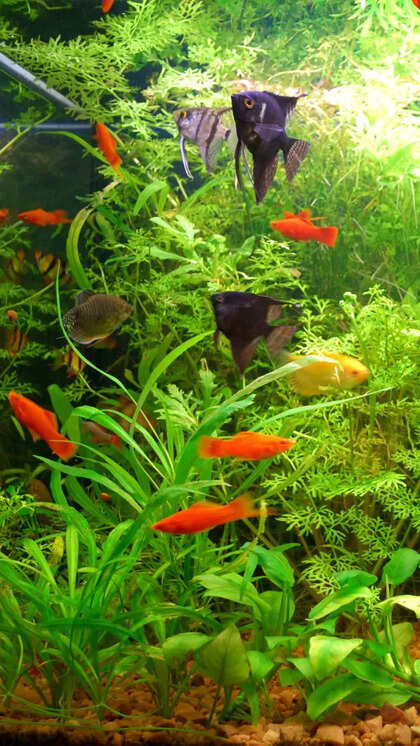
Credit: timesofindia.indiatimes.com
Selecting Aquatic Plants
Choosing the right aquatic plants makes your fish tank healthy and beautiful.
Plants help clean water and give fish places to hide and play.
Low-maintenance Varieties
Some plants are easier to care for and good for beginners.
- Anubias: grows slowly and needs little light.
- Java Fern: tough and survives in many water types.
- Amazon Sword: grows well in most tanks and looks nice.
- Hornwort: floats or roots easily and grows fast.
- Cryptocoryne: adapts to low light and is very hardy.
Light And Temperature Needs
Plants need the right light and temperature to grow well.
| Plant Type | Light Level | Temperature (°F) |
| Anubias | Low to Medium | 72-82 |
| Java Fern | Low to Medium | 68-82 |
| Amazon Sword | Medium to High | 72-82 |
| Hornwort | Medium to High | 59-86 |
| Cryptocoryne | Low to Medium | 72-79 |
Planting Techniques
Proper planting helps plants grow strong and stay healthy.
- Use fine gravel or aquarium soil as the base.
- Plant roots gently into the substrate without damage.
- Trim dead leaves to prevent decay and keep water clean.
- Place tall plants at the back and short ones in front.
- Do not bury rhizomes; keep them above the soil.
Substrate And Soil Choices
Choosing the right substrate and soil is key to a healthy fish tank with plants. The substrate supports plant roots and affects water quality.
Different substrates offer varied benefits. Some hold nutrients well, while others focus on good water flow and root stability.
Types Of Substrates
There are many substrate types for planted tanks. Gravel and sand are common choices. Each has unique features.
- Gravel: Good for water flow but low in nutrients.
- Sand: Fine texture, holds plants well but can compact easily.
- Aquasoil: Special soil made for plants, rich in nutrients.
- Clay-based substrates: Help release minerals slowly.
Nutrient-rich Options
Nutrient-rich substrates help plants grow strong. They provide essential minerals and keep roots healthy.
| Substrate Type | Main Nutrients | Best For |
| Aquasoil | Iron, Potassium | Most aquatic plants |
| Laterite | Iron | Root feeders |
| Clay Pellets | Minerals, Trace Elements | Long-term nutrient supply |
| Peat | Acids, Organic Matter | Acid-loving plants |
Layering For Growth
Layering substrates helps balance nutrients and water flow. This method supports healthy root development.
A common layering method:
- Start with a nutrient-rich base layer.
- Add a middle layer of clay pellets or laterite.
- Top with fine sand or gravel for plant stability.
Water Conditions And Filtration
Setting up a fish tank with plants needs clean water and good filtration. Water quality helps fish and plants stay healthy.
Filtration removes waste and keeps the water clear. Proper water flow helps plants grow and fish swim well.
Ideal Water Parameters
Plants and fish need certain water conditions to thrive. Keeping the right temperature and pH is very important.
Test your water often to keep these levels steady. Changes can stress fish and plants.
- Temperature: 72°F to 78°F (22°C to 26°C)
- pH level: 6.5 to 7.5
- Hardness: 3 to 8 dGH (soft to medium)
- Ammonia and Nitrite: 0 ppm (parts per million)
- Nitrate: Below 20 ppm
Filtration Systems
Filtration keeps water clean by removing dirt and waste. It also helps good bacteria grow to break down toxins.
Choose filters that suit your tank size and plants. Some filters also add water movement, which is good for plants.
- Mechanical filters trap debris and particles
- Biological filters support beneficial bacteria
- Chemical filters remove chemicals and odors
- Canister filters work well for planted tanks
- Hang-on-back filters are easy to maintain
Water Circulation
Good water flow helps deliver nutrients to plants. It also stops dead spots where waste can build up.
Too strong a current can stress fish and plants. Adjust flow to keep gentle but steady movement.
- Use powerheads or pumps to increase flow
- Place filter outlets to spread water evenly
- Avoid direct flow on slow-moving fish
- Check water movement around all plants
- Regularly clean equipment to keep flow steady
Lighting For Plants
Setting up a fish tank with plants is fun. Proper lighting is important for plant growth. Plants need light to make food and stay healthy.
Different plants need different light types and strengths. Choosing the right lights helps plants grow well and keeps the tank beautiful.
Choosing The Right Lights
Picking the right lights is key for a healthy tank. LED lights are popular. They use less energy and last longer than other lights.
Check the light’s color spectrum. A full spectrum light helps plants grow best. Make sure the light fits your tank size.
- LED lights save energy
- Full spectrum lights support plant growth
- Choose light size based on tank size
Duration And Intensity
Plants need the right amount of light each day. Too much light can harm plants. Too little light makes them weak.
Give plants 8 to 12 hours of light daily. Adjust the intensity to match the plant needs. Use a timer for consistent lighting.
- 8-12 hours of light daily
- Adjust intensity for plant types
- Use a timer for regular lighting
Natural Vs Artificial Light
Natural light can help plants but is hard to control. Direct sunlight heats water and causes algae growth.
Artificial light gives control over the light duration and intensity. It helps avoid problems from too much sunlight.
- Natural light varies and can cause algae
- Artificial light is controllable
- Prevents overheating from sunlight

Credit: www.youtube.com
Adding Fish And Compatibility
Setting up a fish tank with plants needs careful planning. Adding fish that live well with plants is important. Fish and plants must thrive together.
Choosing the right fish keeps your tank healthy. Fish should not harm the plants or each other. Balance is the key to a lively aquarium.
Fish Species Suitable For Planted Tanks
Some fish do better in planted tanks than others. Small, calm fish often work best. They usually do not uproot or eat plants.
- Neon Tetras
- Guppies
- Corydoras Catfish
- Otocinclus Catfish
- Cherry Barbs
Balancing Fish And Plant Needs
Fish and plants need different conditions to live well. Plants need light and nutrients. Fish need clean water and space to swim.
| Needs | Plants | Fish |
| Light | High to Moderate | Low to Moderate |
| Water Flow | Low | Moderate |
| Temperature | 72-82°F | 72-82°F |
| Feeding | Nutrients from Substrate | Regular Feeding |
Feeding And Care
Feed fish with balanced food to keep them healthy. Overfeeding can harm plants and water quality. Clean the tank often to remove waste.
- Feed small amounts once or twice a day
- Use sinking pellets for bottom feeders
- Remove uneaten food after 5 minutes
- Trim plants to prevent overgrowth
- Check water parameters weekly
Maintaining Your Aquarium
Keeping a fish tank with plants is fun and rewarding. A healthy aquarium needs regular care to thrive.
Learning the basics of maintenance will keep your fish and plants happy. Here are some tips to help you.
Regular Cleaning Routines
Cleaning your tank is important for the health of your fish and plants. Regular cleaning prevents algae and bacteria buildup.
Use a gravel vacuum to clean the bottom of the tank. Change 10-15% of the water weekly.
- Remove debris with a net
- Clean the glass with a scraper
- Check filters and replace them as needed
Plant Pruning And Care
Plants need regular trimming to stay healthy. Pruning helps them grow better and look nice.
Use scissors to trim dead leaves and overgrown stems. Make sure to remove any decaying plant material.
- Trim plants every two weeks
- Remove yellow or brown leaves
- Replant cuttings to encourage new growth
Monitoring Water Quality
Water quality is key to a healthy aquarium. Test your water regularly to keep track of its condition.
Check the pH, nitrate, and ammonia levels. Adjust them if they are outside the safe range for your fish and plants.
| pH Level | 6.5 – 7.5 |
| Nitrate | < 20 ppm |
| Ammonia | 0 ppm |
Troubleshooting Common Issues
Setting up a fish tank with plants can be rewarding but also challenging. Problems may arise that affect algae growth, plant health, and fish behavior.
Knowing how to spot and fix these issues keeps your aquarium healthy and beautiful.
Algae Control
Algae can grow quickly and cover plants, making the tank look dirty. It competes with plants for nutrients and light.
- Reduce light hours to 6-8 hours daily
- Avoid overfeeding fish to lower excess nutrients
- Add algae-eating fish or snails
- Perform regular water changes to remove waste
- Clean tank walls and decorations gently
Plant Health Problems
Plants may turn yellow, develop holes, or melt. These signs show nutrient deficiencies or poor water conditions.
| Problem | Cause | Solution |
| Yellow Leaves | Lack of iron | Add iron supplements |
| Holes in Leaves | Potassium deficiency | Use potassium-rich fertilizer |
| Melting Plants | Sudden water changes | Keep water parameters stable |
| Slow Growth | Low light or nutrients | Increase lighting or fertilization |
Fish Stress Signs
Stress harms fish health and can cause illness. Watch for unusual behavior or appearance.
- Gasping at the surface means low oxygen
- Clamped fins show discomfort or illness
- Hiding constantly can signal stress or bullying
- Loss of appetite indicates health problems
- Erratic swimming suggests poor water quality

Credit: www.youtube.com
Frequently Asked Questions
What Are The Best Plants For A Fish Tank Setup?
The best plants include Java Fern, Anubias, and Amazon Sword. They thrive underwater and improve water quality. Choose low-maintenance plants for easy care and healthy fish habitat.
How Do Plants Benefit Fish Tank Environments?
Plants oxygenate water, reduce toxins, and provide hiding spots for fish. They also control algae growth and enhance the tank’s natural beauty. Healthy plants support a balanced and thriving aquarium ecosystem.
How To Plant Live Plants In A Fish Tank?
Use aquarium-safe substrate and anchor plants gently. Avoid burying roots too deep. Provide proper lighting and nutrients. Regularly trim plants to promote growth and keep the tank clean.
Can Fish And Plants Coexist Without Harming Each Other?
Yes, most fish and plants coexist peacefully. Avoid plant-eating fish species or protect plants with rocks. Healthy plants improve fish well-being, making the tank environment balanced and natural.
Conclusion
Setting up a fish tank with plants brings life and balance to your aquarium. Plants help clean the water and give fish places to hide. They also make the tank look natural and calm. Choose easy plants that grow well in your tank conditions.
Remember to care for both fish and plants regularly. A healthy tank means happy fish and a beautiful display. Start simple, watch your tank grow, and enjoy the peaceful underwater world you create.