
Setting up a fish tank with planted substrate can transform your aquarium into a vibrant, natural underwater world. If you want your fish to thrive and your plants to flourish, choosing the right substrate is key.
You might wonder how to get started or what materials work best. This guide will show you simple steps to create a healthy environment for both your fish and plants. Keep reading to discover how the right substrate can make all the difference in your tank’s beauty and balance.
Choosing The Right Tank
Setting up a fish tank with a planted substrate starts with picking the right tank. The tank size, shape, and materials affect the plants and fish. Good placement and lighting are also important for healthy growth.
This guide helps you select a tank that fits your space and supports your planted aquarium.
Tank Size And Shape
Choose a tank size that matches your space and fish needs. Bigger tanks are easier to keep stable for plants and fish. The shape affects how much light and space plants get.
Long tanks offer more surface area for plants to grow. Tall tanks may limit light to the bottom plants.
- Small tanks (5-10 gallons) suit small plants and fish
- Medium tanks (20-40 gallons) allow more plants and fish variety
- Large tanks (50+ gallons) provide stability and space
- Long tanks give more horizontal planting space
- Tall tanks may need stronger lighting
Material Options
Aquarium tanks come in glass and acrylic. Glass is common and scratch-resistant. Acrylic is lighter and stronger but can scratch easier.
Both materials work well with planted substrates. Choose based on budget and tank size.
- Glass tanks: clear, scratch-resistant, heavier
- Acrylic tanks: lighter, stronger, easier to shape
- Check for smooth edges to protect fish and plants
- Make sure the tank seals well to hold water
Placement And Lighting
Place your tank in a stable area away from direct sunlight. Sunlight can cause algae and temperature changes. Good lighting helps plants grow strong.
Use aquarium lights designed for planted tanks. Position lights to cover the whole tank evenly.
- Keep tank away from windows with direct sun
- Use LED or fluorescent lights made for plants
- Set a timer for 8-10 hours of light daily
- Ensure light reaches all plants evenly

Credit: www.aqqapet.com
Selecting Planted Substrate
Choosing the right substrate is key for a healthy planted fish tank. The substrate supports plant roots and affects water quality.
Understanding substrate types and how to layer them helps create a strong base for aquatic plants.
Types Of Substrates
There are several substrate options for planted tanks. Gravel, sand, and specialized planted substrates are common choices.
- Gravel is easy to clean but may lack nutrients.
- Sand offers fine texture but can compact and reduce oxygen.
- Planted substrates contain nutrients and help root growth.
Nutrient-rich Vs. Inert
Nutrient-rich substrates provide minerals needed by plants. Inert substrates do not add nutrients but offer good support.
| Type | Description | Advantages | Disadvantages |
| Nutrient-Rich | Contains minerals and nutrients | Supports plant growth naturally | May cloud water initially |
| Inert | Does not supply nutrients | Easy to clean and stable | Needs added fertilizers |
Layering Techniques
Layering substrates helps balance nutrients and tank cleanliness. Place nutrient-rich substrate below inert layers.
- Start with a base layer of nutrient-rich substrate.
- Add a thin top layer of inert gravel or sand.
- This prevents clouding and keeps nutrients near roots.
- Layering also improves water flow around plant roots.
Setting Up The Substrate
The substrate is the base layer in your fish tank. It supports plant roots and keeps the tank healthy.
Proper setup helps plants grow strong and fish stay comfortable in their environment.
Cleaning And Preparing
Start by rinsing the substrate thoroughly. This removes dust and dirt that can cloud the water.
- Place the substrate in a bucket
- Rinse with clean water until it runs clear
- Remove any large debris or stones
- Drain excess water before adding to the tank
Adding Fertilizers
Fertilizers provide essential nutrients for plant roots. Use them sparingly to avoid water pollution.
| Fertilizer Type | Purpose | Application |
| Root Tabs | Feed plant roots | Place under substrate near plants |
| Liquid Fertilizer | Water column nutrients | Add to water regularly |
| Mineral Supplements | Trace elements | Mix into substrate before planting |
Arranging Layers
Layering the substrate correctly helps with water flow and root growth. Use different materials for best results.
- Bottom layer: Nutrient-rich substrate for plant roots
- Middle layer: Gravel or sand for support and circulation
- Top layer: Fine sand or smooth gravel for aesthetics and plant stability
Choosing Plants For Beginners
Setting up a fish tank with planted substrate can be fun and rewarding. Choosing the right plants is important for beginners.
Easy plants help create a healthy aquarium and make care simple. Learn about the best plants and how to grow them well.
Easy-to-grow Species
Start with plants that need little light and care. These plants grow fast and stay healthy in many conditions.
- Anubias – Slow-growing, tough leaves, good for low light
- Java Fern – Hardy, grows well attached to rocks or wood
- Amazon Sword – Large leaves, prefers nutrient-rich substrate
- Cryptocoryne – Adapts to different water types easily
- Java Moss – Grows on surfaces, great for decoration
Planting Methods
Planting properly helps plants grow strong and look good. Use the right method for each plant type.
Rooted plants need to be buried gently in the substrate. Attach plants like Java Fern to rocks or wood without burying roots.
- Make small holes in the substrate for roots
- Place roots carefully to avoid damage
- Use tweezers to plant small species
- Attach some plants with thread or glue if needed
- Leave space between plants to grow
Maintaining Healthy Growth
Keep plants healthy with good care. Check water quality and provide enough light.
Trim dead leaves and add nutrients if plants need them. Avoid overfeeding fish to keep water clean.
- Use aquarium lights for 8 to 10 hours daily
- Test water regularly for pH and hardness
- Trim plants to remove dead or yellow leaves
- Add liquid fertilizers or root tabs if needed
- Clean the tank but avoid disturbing plants too much
Water Parameters And Cycling
Setting up a fish tank with planted substrate needs careful water management. Good water keeps fish and plants healthy.
Cycling the tank is important before adding fish. It creates a safe environment by balancing water conditions.
Water Quality Basics
Water quality means keeping the right levels of chemicals and cleanliness. Fish and plants need clean, balanced water.
Key water parameters include temperature, pH, ammonia, nitrite, and nitrate. These affect fish health and plant growth.
- Temperature: Most tropical fish like 74-80°F (23-27°C).
- pH: Ideal range is 6.5 to 7.5 for planted tanks.
- Ammonia: Should be 0 ppm; toxic to fish.
- Nitrite: Also 0 ppm; harmful if present.
- Nitrate: Keep below 20 ppm for fish safety.
Cycling The Tank
Cycling means building good bacteria in the tank. These bacteria break down fish waste and keep water safe.
This process usually takes 4 to 6 weeks. It helps remove ammonia and nitrite before fish arrive.
- Start with planted substrate and add water.
- Add a source of ammonia, like fish food or pure ammonia.
- Test water daily for ammonia and nitrite.
- Wait until ammonia and nitrite drop to zero.
- Nitrate will rise, showing cycling is complete.
Testing And Adjusting
Regular testing helps keep water safe for fish and plants. Use test kits for ammonia, nitrite, nitrate, and pH.
Adjust water parameters by partial water changes or additives. Keep changes slow to avoid stress.
- Test water weekly after cycling.
- Change 10-20% of water if chemicals are high.
- Use pH buffers if pH is outside ideal range.
- Keep temperature steady with a heater.
- Remove debris to reduce waste buildup.
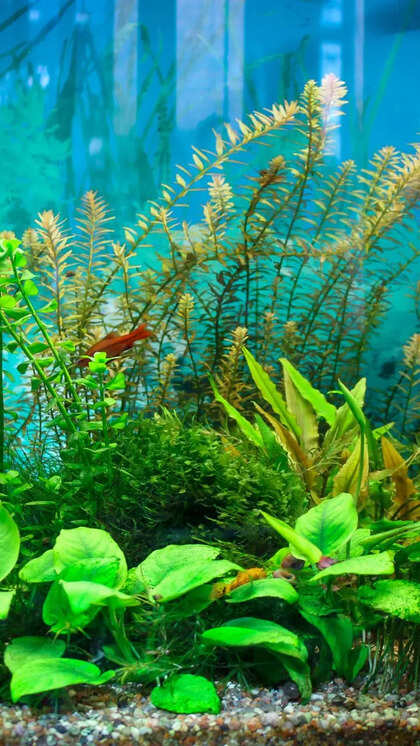
Credit: timesofindia.indiatimes.com
Adding Fish And Inhabitants
Setting up a fish tank with a planted substrate is exciting. It’s important to carefully add fish and other inhabitants.
Choosing the right fish helps create a balanced and healthy environment. Consider fish that thrive with plants and each other.
Compatible Fish Species
Not all fish get along in a planted tank. It’s important to select species that live peacefully together.
- Neon Tetras enjoy swimming in schools and are plant-friendly.
- Guppies bring color and are easy to care for.
- Otocinclus Catfish help keep the tank clean by eating algae.
Stocking Density
Stocking density means how many fish can live in your tank. Overcrowding can cause stress and health issues.
A good rule is one inch of fish per gallon of water. This helps ensure a comfortable environment for all your fish.
Introducing New Fish
Introducing new fish requires careful steps. Sudden changes can be stressful for them.
- Float the bag with new fish in the tank for 15 minutes.
- Gradually mix tank water into the bag every 5 minutes.
- After 30 minutes, gently release the fish into the tank.
Lighting And Co2 Management
Setting up a fish tank with a planted substrate requires attention to lighting and CO2. These elements help plants grow and fish thrive. Proper management ensures a healthy aquarium environment.
Understanding the right light and CO2 options can make a big difference. Let’s explore each component for a successful fish tank setup.
Choosing The Right Light
Light choice affects plant growth and fish behavior. It’s important to select the correct light for your tank size and plants.
- LED lights are energy efficient and long-lasting.
- Fluorescent lights provide a balanced spectrum.
- Consider the light intensity needed for your plants.
Light Duration
Light duration plays a role in maintaining a stable tank. Too much light can cause algae, too little affects plant health.
| Tank Type | Recommended Duration |
| Low-light plants | 6–8 hours |
| Medium-light plants | 8–10 hours |
| High-light plants | 10–12 hours |
Co2 Injection Options
CO2 injection enhances plant growth. Different methods suit different tank sizes and budgets. Explore your options.
- Pressurized CO2 system for large tanks.
- DIY yeast-based CO2 for small setups.
- Liquid carbon supplements as an alternative.
Routine Maintenance
Keeping a fish tank with planted substrate healthy needs regular care. Routine maintenance helps fish and plants stay strong.
Small tasks done often prevent big problems later. Focus on water, substrate, and plants to keep the tank clean.
Water Changes
Change part of the water weekly to keep it fresh. This removes waste and balances chemicals.
- Turn off filters and heaters before starting.
- Use a siphon to remove 20-30% of the water.
- Replace with dechlorinated water at the same temperature.
- Turn on filters and heaters after refilling.
Substrate Cleaning
Clean the planted substrate carefully to avoid hurting roots. Remove debris and dead plant parts.
| Cleaning Method | Frequency | Notes |
|---|---|---|
| Light Vacuuming | Every 2 weeks | Remove surface debris only |
| Spot Cleaning | Weekly | Use tweezers to pick dead leaves |
| Deep Cleaning | Every 3 months | Gently stir substrate without uprooting plants |
Plant Pruning
Trim plants to keep them healthy and prevent overgrowth. Remove dead or yellow leaves regularly.
- Use clean scissors for trimming.
- Cut stems above a leaf node.
- Remove any decayed plant parts immediately.
- Check plants weekly for new growth or damage.
Troubleshooting Common Issues
Setting up a fish tank with planted substrate can be very rewarding. Sometimes, issues arise that can affect plants and fish health.
Fixing these problems quickly helps maintain a healthy aquarium environment for both plants and fish.
Algae Control
Algae growth is a common issue in planted tanks. It can cover plants and decorations, making the tank look messy.
Too much light or excess nutrients often cause algae problems. Keeping a balance is key to control algae.
- Reduce the light hours to 6-8 per day
- Do regular water changes to remove excess nutrients
- Add algae-eating fish or snails if possible
- Do not overfeed the fish to avoid leftover food
Nutrient Deficiencies
Plants need nutrients to grow well in the substrate. Lack of nutrients causes slow growth and yellow or transparent leaves.
Common missing nutrients include iron, potassium, and nitrogen. Adding the right fertilizers helps plants stay healthy.
- Use root tabs or substrate fertilizers for nutrient delivery
- Check water parameters to avoid nutrient lockout
- Trim dead or dying leaves to encourage new growth
- Consider liquid fertilizers for fast nutrient supply
Fish Health Problems
Fish can get sick in planted tanks too. Watch for signs like unusual swimming, faded colors, or spots on the fish.
Clean water and a balanced diet help keep fish healthy. Stress from poor water or aggressive tank mates causes many problems.
- Test water regularly for ammonia, nitrite, and nitrate levels
- Keep water temperature stable for your fish species
- Avoid overcrowding to reduce stress and disease
- Quarantine new fish before adding them to the tank

Credit: www.reddit.com
Frequently Asked Questions
What Is The Best Substrate For Planted Fish Tanks?
The best substrate supports plant roots and nutrient absorption. Nutrient-rich substrates like aqua soil or laterite promote healthy plant growth and maintain water quality.
How Do I Set Up A Planted Substrate In My Tank?
Start by rinsing the substrate to remove dust. Add a nutrient layer first, then cover with a fine gravel layer to anchor plants securely.
Can Planted Substrates Improve Fish Tank Water Quality?
Yes, planted substrates enhance water quality by promoting beneficial bacteria growth. They help break down waste and reduce harmful toxins naturally.
How Often Should I Clean A Planted Substrate?
Clean only when necessary to avoid disturbing plant roots. Spot clean debris weekly and perform gentle substrate vacuuming during water changes.
Conclusion
Setting up a fish tank with planted substrate brings life and beauty. Healthy plants help keep water clean and fish happy. Choose the right substrate for your plants’ needs. Regular care and light make plants grow strong. Watch your aquarium become a peaceful, natural space.
Small steps lead to a thriving underwater garden. Enjoy the calm and color it adds to your home.