
Setting up a fish tank can bring a calming touch to your home or office. But if you want a peaceful underwater world, managing your fish carefully is key.
You might wonder how to choose the right fish that get along well and keep your tank stress-free. You’ll discover simple steps to create a beautiful fish tank with happy, peaceful fish. Keep reading to learn how to make your aquarium a relaxing haven you’ll love watching every day.
Choosing The Right Tank
Setting up a peaceful fish tank starts with picking the right tank. The tank should fit the fish and your space well.
A good tank makes fish happy and healthy. It also helps you manage fish easily.
Tank Size And Shape
Choose a tank size that fits the number and size of your fish. Bigger tanks offer more space and stable water conditions.
The shape of the tank affects how fish swim and where you can place decorations. Rectangular tanks are common and easy to fit in rooms.
- Small tanks suit only a few small fish
- Larger tanks allow more fish and plants
- Long tanks give fish more swimming space
- Tall tanks are good for vertical decorations
Material Options
Most tanks are made from glass or acrylic. Each material has benefits and limits for peaceful fish care.
Glass tanks are strong and scratch resistant. Acrylic tanks are lighter and clearer but scratch easier.
- Glass tanks are heavier but very durable
- Acrylic tanks are lighter and easier to move
- Both materials hold water well and are safe for fish
Placement Tips
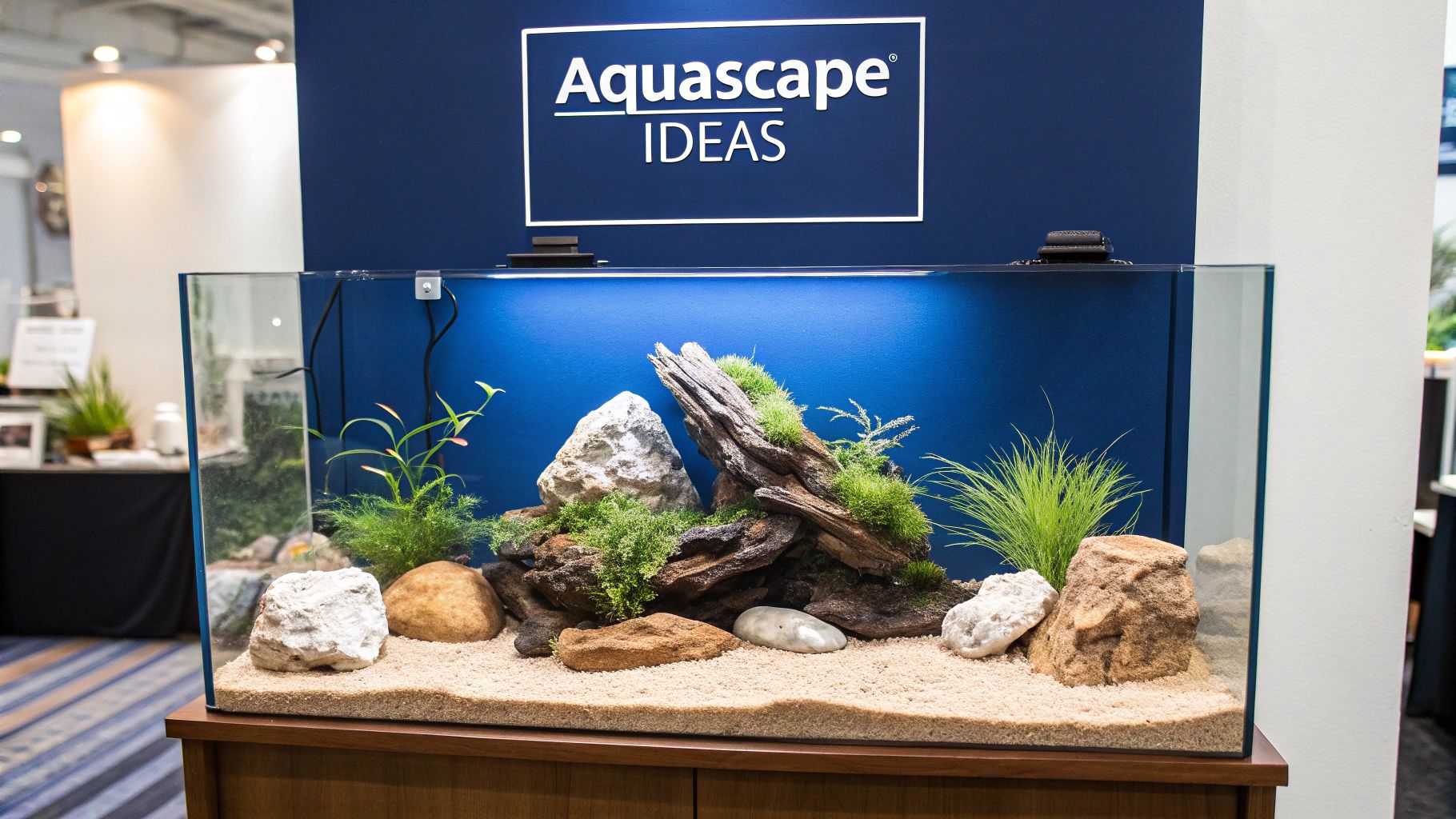
Place your tank in a stable spot away from direct sunlight and strong drafts. This keeps water temperature steady.
Make sure the tank stand is level and strong enough to hold the tank weight. Avoid areas with loud noise or vibrations.
- Keep tank away from windows to prevent algae growth
- Use a sturdy, level surface to avoid leaks or breaks
- Choose a quiet spot to reduce fish stress
- Allow easy access for cleaning and feeding
Credit: clixfueling.com
Essential Equipment
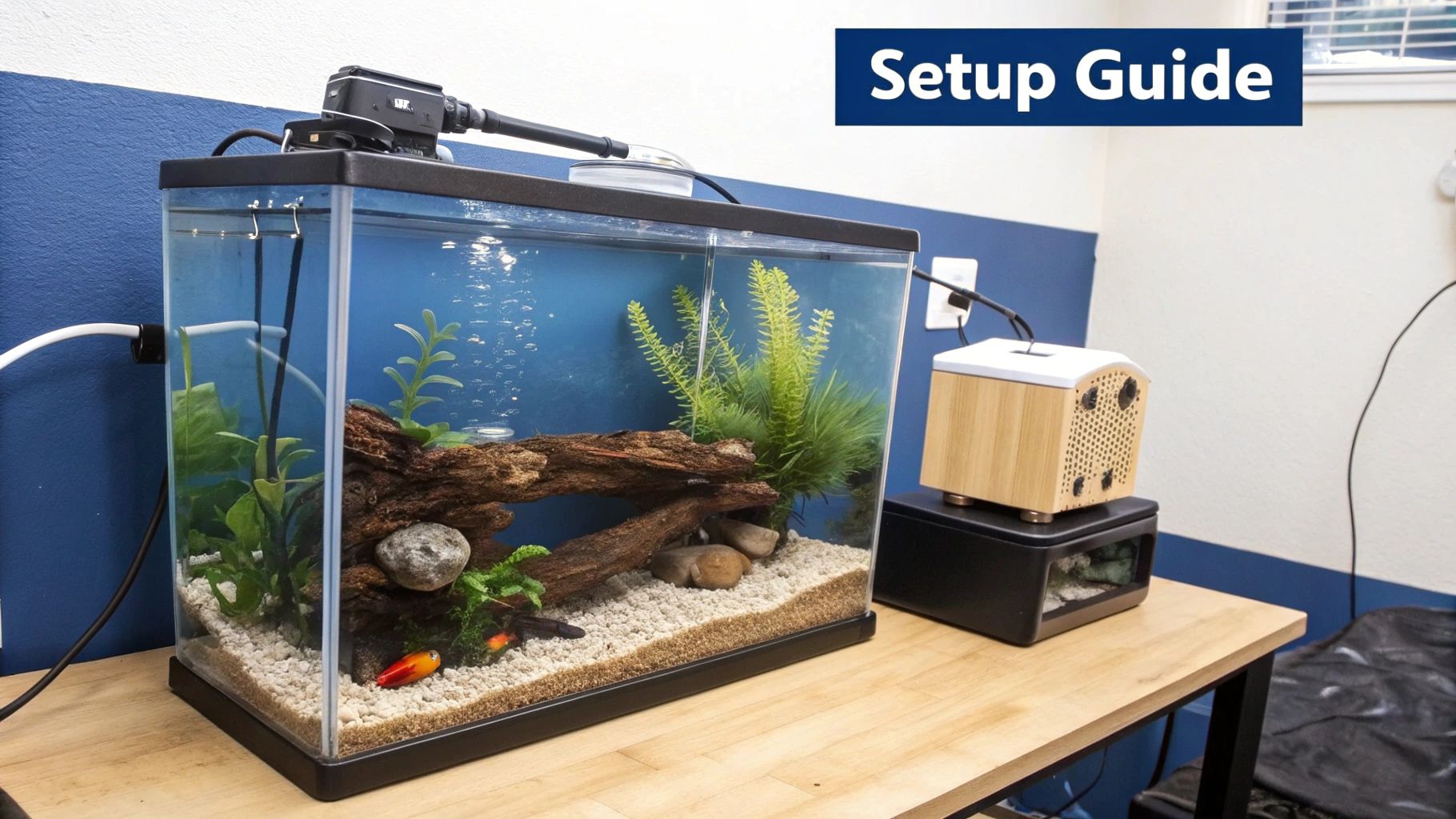
Setting up a fish tank requires key tools to keep fish healthy. Proper equipment helps maintain water quality and comfort for peaceful fish.
This guide covers the main items needed for your tank. Filters, lighting, heaters, and thermometers play vital roles in fish care.
Filters And Pumps
Filters clean the water by removing waste and harmful chemicals. Pumps help move water to keep oxygen levels stable. Both are important for a healthy tank.
- Mechanical filters trap debris and dirt.
- Biological filters use good bacteria to break down toxins.
- Water pumps ensure steady water flow and oxygen supply.
- Choose a filter suitable for your tank size.
Lighting Choices
Lighting affects fish behavior and plant growth. Select lights that mimic natural daylight. Avoid overly bright lights that stress fish.
| Light Type | Best For | Notes |
| LED | Energy efficient, long-lasting | Produces less heat |
| Fluorescent | Good for planted tanks | Needs replacement more often |
| Incandescent | Basic lighting | Can cause overheating |
Heaters And Thermometers
Heaters keep water at a stable temperature for tropical fish. Thermometers help you monitor this temperature closely.
Tips for using heaters and thermometers:
- Set heater to the species’ ideal temperature.
- Place thermometer where it can be easily seen.
- Check temperature daily to avoid sudden changes.
- Use a heater guard to protect fish from burns.
Selecting Peaceful Fish
Setting up a fish tank with peaceful fish creates a calm and beautiful environment. Choosing the right fish helps prevent fights and stress.
Peaceful fish live well together and make your tank a relaxing place to watch.
Top Peaceful Species
Some fish are known for their calm nature. They swim gently and rarely show aggression.
- Neon Tetras – Small, colorful, and very calm
- Guppies – Friendly and easy to care for
- Corydoras Catfish – Bottom dwellers that clean the tank quietly
- Harlequin Rasboras – Peaceful schooling fish with bright colors
- Platies – Hardy fish that get along with many species
Compatibility Tips
Choose fish that have similar sizes and temperaments. This helps them live together peacefully.
Keep fish in groups if they like schooling. This reduces stress and aggression.
- Match fish with similar water needs
- Avoid mixing very large and very small fish
- Provide hiding spots for shy fish
- Watch fish daily for signs of stress or fighting
- Feed a balanced diet to keep fish healthy
Avoiding Aggressive Fish
Avoid fish known for aggression. They can harm peaceful fish and cause tank problems.
Keep an eye out for territorial or fin-nipping species. They can disturb your peaceful setup.
- Avoid large cichlids and aggressive barbs
- Skip fish that chase others frequently
- Do not add fish with sharp teeth or spines
- Research fish behavior before buying
- Remove aggressive fish quickly if problems start

Credit: onthemediapk.medium.com
Creating A Natural Habitat
Setting up a fish tank with peaceful fish means making a space that feels like home. A natural habitat helps fish stay calm and healthy.
Use the right materials and decorations to copy their real environment. This keeps your fish happy and active.
Substrate Selection
Choose a substrate that matches the fish’s natural floor. Sand or fine gravel works well for many peaceful fish. Avoid sharp edges that can hurt them.
Plants And Decorations
Live plants make the tank look natural and improve water quality. Add decorations that look like rocks or driftwood. These give fish places to explore.
- Use fast-growing plants like Java fern or Anubias
- Add driftwood for a natural look
- Include smooth rocks and natural stones
- Keep decorations safe and clean
Hiding Spots For Fish
Fish need places to hide to feel safe. Use caves, tunnels, or dense plants. This lowers stress and helps peaceful fish live well.
| Hiding Spot Type | Material | Benefit |
| Caves | Ceramic or Resin | Safe shelter and resting place |
| Plants | Live or Artificial | Natural cover and oxygen supply |
| Tunnels | Driftwood or Plastic | Exploration and hiding |
| Rock Piles | Smooth Stones | Multiple hiding areas |
Water Quality Management
Good water quality is key for a healthy fish tank. It keeps fish safe and happy.
Managing water quality involves careful steps to keep the tank balanced.
Cycling The Tank
Cycling means building good bacteria in the tank. These bacteria break down fish waste.
Before adding fish, let the tank run for several weeks. This helps bacteria grow.
- Start with a clean tank and equipment
- Add an ammonia source like fish food
- Test water for ammonia, nitrites, and nitrates
- Wait until ammonia and nitrites are zero
- Only then add peaceful fish
Testing Water Parameters
Test water often to keep fish safe. Use a test kit for key measures.
Check for ammonia, nitrites, nitrates, pH, and temperature regularly.
| Parameter | Safe Range | Why It Matters |
|---|---|---|
| Ammonia | 0 ppm | Highly toxic to fish |
| Nitrites | 0 ppm | Poisonous to fish |
| Nitrates | < 20 ppm | High levels stress fish |
| pH | 6.5 – 7.5 | Fish need stable pH |
| Temperature | 75-80°F (24-27°C) | Comfortable for most peaceful fish |
Regular Maintenance
Keep the tank clean by doing regular maintenance. This helps keep water quality high.
Change some water weekly and clean filters as needed.
- Change 10-20% of water every week
- Use a gravel vacuum to remove debris
- Rinse filter media in tank water only
- Remove uneaten food and dead plants
- Check fish health daily
Feeding Peaceful Fish
Feeding peaceful fish correctly keeps them healthy and happy. Each type of fish has specific needs for food and feeding times.
Understanding these needs helps you provide the best care for your aquatic pets. Let’s explore how to feed them properly.
Dietary Needs
Peaceful fish need a balanced diet to thrive. They eat different types of food based on their species.
- Flake food: Suitable for most common fish.
- Pellets: Good for larger fish with bigger mouths.
- Frozen foods: Provide essential nutrients.
- Live foods: Offer enrichment and variety.
Feeding Schedules
Establish a consistent feeding schedule to maintain fish health. Regular feeding times reduce stress and promote well-being.
| Fish Type | Feeding Frequency |
| Tropical Fish | Twice daily |
| Goldfish | Once daily |
| Cichlids | Twice daily |
Avoiding Overfeeding
Overfeeding is harmful to fish and tank conditions. It causes poor water quality and health issues.
Behavior Monitoring
Keeping an eye on fish behavior is essential for a healthy tank. Peaceful fish management ensures a harmonious environment.
By observing your fish, you can catch signs of stress and health issues early. This helps maintain social harmony in the tank.
Signs Of Stress
Stress in fish can lead to serious health problems. It’s vital to recognize the signs promptly.
- Erratic swimming patterns
- Hiding more than usual
- Loss of appetite
Health Issues
Fish health issues can be prevented with careful observation and timely intervention. Look for physical symptoms regularly.
| Symptom | Possible Issue |
| White spots | Ich disease |
| Clamped fins | Water quality problem |
| Cloudy eyes | Bacterial infection |
Promoting Social Harmony
A peaceful tank requires fostering social harmony among fish. This means ensuring they have enough space and suitable companions.
Avoid overcrowding by following this simple rule: allow one gallon of waterper inch of fish.
Introduce fish slowly to avoid territorial disputes and monitor interactions for bullying behavior.
Tank Cleaning Routine
Keeping a fish tank clean helps your fish stay healthy. A clean tank also keeps the water clear and fresh.
Regular cleaning prevents harmful waste from building up. It also creates a peaceful environment for your fish.
Partial Water Changes
Changing some water often keeps the tank clean without stressing the fish. It removes toxins and adds fresh water.
Replace about 10-20% of the water weekly. Use a siphon to remove water and debris from the gravel.
- Prepare new water with the right temperature
- Use water conditioner to remove chlorine
- Slowly add new water to avoid shocking fish
Cleaning Decorations
Decorations can collect algae and dirt. Cleaning them helps keep the tank looking nice and healthy.
Remove decorations carefully and scrub with a soft brush. Use only tank water to avoid harming beneficial bacteria.
- Do not use soap or chemicals
- Rinse decorations well before returning them
- Clean decorations during water changes
Filter Maintenance
Filters keep the water clean by removing waste and debris. They need regular care to work well.
Rinse filter parts in tank water every 2-4 weeks. Replace filter media as the manufacturer suggests.
- Do not use tap water to clean filters
- Check filter flow to ensure it is strong
- Keep filter running at all times
Troubleshooting Common Problems
Setting up a fish tank with peaceful fish can be relaxing. Still, some problems might appear over time.
Knowing how to fix common issues helps keep fish healthy and happy.
Algae Control
Algae can grow fast and make the tank look dirty. It also uses oxygen that fish need.
Keep algae under control by limiting light and cleaning the tank regularly.
- Reduce tank light to 8-10 hours daily
- Clean tank walls and decorations weekly
- Use algae-eating fish or snails
- Do partial water changes every week
Disease Prevention
Fish can get sick from dirty water or stress. Sick fish spread disease fast.
Keep fish healthy by feeding well and keeping the tank clean.
- Feed fish small amounts twice a day
- Keep water clean with filters and regular changes
- Watch fish daily for signs of illness
- Quarantine new fish before adding them
Handling Fish Conflicts
Peaceful fish usually get along, but fights can happen. Stress and injury may result.
Reduce conflicts by giving fish enough space and hiding spots.
- Do not overcrowd the tank
- Add plants and decorations for hiding
- Separate aggressive fish if needed
- Keep similar-sized fish together
Credit: clixfueling.com
Frequently Asked Questions
What Are The Best Peaceful Fish For A Community Tank?
Peaceful fish like neon tetras, guppies, and Corydoras catfish thrive well together. They avoid aggression and coexist harmoniously, making your tank a calm, visually appealing environment.
How Do I Set Up A Tank For Peaceful Fish?
Use a well-filtered tank with stable temperature and pH. Include plants and hiding spots to reduce stress and encourage natural behaviors among peaceful fish.
How Can I Manage Fish Compatibility In A Peaceful Tank?
Research fish species before adding them. Choose species with similar temperament and water needs. Avoid aggressive or territorial fish to maintain peace in your tank.
What Maintenance Is Needed For A Peaceful Fish Tank?
Perform weekly water changes of 20-30%. Test water parameters regularly and clean filters monthly to keep the environment healthy and stress-free for peaceful fish.
Conclusion
Setting up a fish tank with peaceful fish brings calm and beauty. Choose fish that get along well and create a balanced environment. Keep the water clean and check it often. Feed your fish the right amount to keep them healthy.
Watch your fish daily to notice any changes. Enjoy the quiet and gentle movements inside your tank. A peaceful fish tank makes a great, relaxing addition to any space. Simple care leads to happy, thriving fish. Start small, learn as you go, and enjoy the process.