
Setting up a fish tank can be exciting, but choosing the right substrate is key to creating a healthy and beautiful underwater world. If you want your plants to thrive and your fish to feel at home, a nutrient substrate is exactly what you need.
It not only supports strong plant growth but also helps maintain water quality, making your tank easier to care for. In this guide, you’ll discover how to set up your fish tank with a nutrient substrate step by step, so you can enjoy a vibrant, lush aquarium that impresses every time.
Ready to transform your tank into a stunning aquatic paradise? Let’s dive in!

Credit: www.reddit.com
Choosing The Right Tank
Setting up a fish tank with nutrient substrate needs careful tank selection. The right tank helps plants and fish grow well.
Think about the size, shape, material, and where you will place the tank. These factors affect tank health and beauty.
Tank Size And Shape
Choose a tank size that fits your space and fish needs. Bigger tanks are easier to keep stable.
Shape affects water flow and plant placement. Rectangular tanks offer more surface area for oxygen exchange.
- Small tanks need careful maintenance
- Long tanks give more room for plants
- Tall tanks may limit light at the bottom
Material Options
Most tanks are glass or acrylic. Glass is scratch-resistant and clear. Acrylic is lighter and stronger.
Choose a material that fits your budget and durability needs. Both can work well with nutrient substrates.
- Glass tanks are heavier but stable
- Acrylic tanks resist impact better
- Check for smooth edges to protect fish
Placement Tips
Place the tank where light and temperature are steady. Avoid direct sunlight to stop algae growth.
Keep the tank on a strong, level surface. This prevents leaks and stress on the glass or acrylic.
- Keep tank away from heaters and air conditioners
- Use a stand that can hold the tank weight
- Leave space around for maintenance and airflow
Selecting Nutrient Substrate
Choosing the right nutrient substrate is key to a healthy fish tank. It helps plants grow and keeps the tank balanced.
Nutrient substrates provide food for plant roots. They also improve water quality and tank aesthetics.
Types Of Nutrient Substrates
There are several types of nutrient substrates for planted tanks. Each type has unique features and benefits.
- Soil-based substrates are rich in natural nutrients.
- Clay-based substrates hold nutrients well and support roots.
- Mineral-based substrates offer long-lasting nutrients.
- Mixed substrates combine different materials for balance.
- Specialized commercial substrates contain added fertilizers.
Benefits For Plant Growth
Nutrient substrates help plants get essential minerals and vitamins. This leads to stronger roots and better growth.
They also improve water quality by reducing harmful substances. Plants stay healthy and vibrant with the right substrate.
- Provides steady nutrients to plant roots
- Supports root attachment and expansion
- Helps maintain stable water conditions
- Encourages lush and green plant leaves
- Reduces algae growth by promoting plant health
How To Layer Substrate
Layering substrate correctly helps plants absorb nutrients well. It also keeps the tank clean and balanced.
Start with a nutrient-rich base layer. Add a top layer of inert gravel or sand to keep the nutrient layer in place.
- Place 1 to 2 inches of nutrient substrate at the bottom
- Add 1 to 2 inches of plain gravel or sand on top
- Plant roots will grow into the nutrient layer below
- Avoid mixing layers to prevent nutrient loss
- Keep substrate depth suitable for your plant types
Plant Selection For Nutrient Substrate
Choosing the right plants is important for a fish tank with nutrient substrate. Nutrient substrates provide essential minerals for plant growth. Picking suitable plants helps keep your aquarium healthy and vibrant.
This guide covers easy plants for beginners, popular aquatic plants, and planting techniques. These tips help you get started with your planted fish tank.
Easy Plants For Beginners
Some plants grow well in nutrient substrate and are easy to care for. They adapt quickly and need less light and CO2.
- Anubias: Grows slowly but is very tough and needs low light.
- Java Fern: Attaches to rocks or wood and tolerates many conditions.
- Cryptocoryne: Comes in many types and grows well in nutrient substrate.
- Amazon Sword: Large leaves and grows fast with good nutrients.
Popular Aquatic Plants
| Plant Name | Light Needed | Growth Speed | Substrate Preference |
| Vallisneria | Medium | Fast | Nutrient substrate |
| Dwarf Hairgrass | High | Medium | Nutrient substrate |
| Water Wisteria | Medium | Fast | Nutrient substrate |
| Marimo Moss Ball | Low | Slow | No substrate needed |
Planting Techniques
Planting in nutrient substrate requires care. Plant roots must reach the substrate to absorb nutrients. Avoid burying too deep to stop rotting.
- Use tweezers to place plants gently into substrate.
- Leave space between plants for growth.
- Trim dead or damaged leaves regularly.
- Anchor plants with small stones if needed.
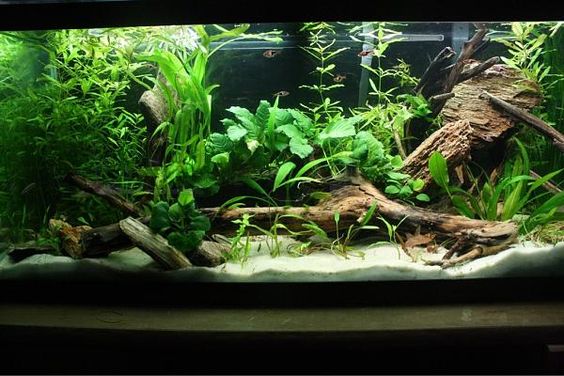
Credit: marcusfishtanks.com
Water Quality And Filtration
Setting up a fish tank with a nutrient substrate needs careful water care. Good water quality keeps fish healthy and plants growing well.
Filtration cleans the water by removing waste and harmful chemicals. It helps keep the tank balanced and clear.
Choosing The Right Filter
Pick a filter that fits your tank size and type. Filters come in different kinds like sponge, canister, and hang-on-back models.
- Sponge filters are gentle and good for small tanks or fry.
- Canister filters offer strong mechanical and biological cleaning for larger tanks.
- Hang-on-back filters are easy to maintain and fit most tanks.
- Choose a filter that moves water 4 to 6 times per hour.
- Consider filters with biological media to support beneficial bacteria.
Maintaining Water Parameters
Keep water parameters stable to avoid stressing fish and plants. Test water regularly for pH, ammonia, nitrites, and nitrates.
| Parameter | Ideal Range | Notes |
| pH | 6.5 – 7.5 | Depends on fish species |
| Ammonia (NH3) | 0 ppm | Toxic to fish |
| Nitrites (NO2) | 0 ppm | Harmful if present |
| Nitrates (NO3) | Below 20 ppm | Safe at low levels |
| Temperature | 22°C – 28°C | Match fish needs |
Cycling The Tank
Cycling builds good bacteria that break down fish waste. This process makes the tank safe for fish.
- Set up the tank with substrate, water, and filter running.
- Add a small amount of fish food or pure ammonia daily.
- Test water for ammonia, nitrites, and nitrates each day.
- Wait until ammonia and nitrites drop to zero and nitrates rise.
- Only add fish once the cycle is complete to avoid harm.
Lighting For Plant Health
Good lighting is very important for plants in a fish tank. It helps plants grow strong and stay healthy. Lighting works with the nutrient substrate to give plants what they need.
Choosing the right light and giving the right amount of light can make a big difference. This guide explains types of lights, how long to light the tank, and how light affects plants.
Types Of Aquarium Lights
There are several types of lights made for planted tanks. Each type gives different light quality and energy use. Some are better for plant growth than others.
- Fluorescent lights: Common and affordable but less efficient.
- LED lights: Energy-saving and last longer with good brightness.
- Metal halide lights: Very bright, used in large or deep tanks.
- Compact fluorescent lights (CFL): Small and bright, good for small tanks.
Lighting Duration And Intensity
Plants need light for photosynthesis but too much can cause problems. Most tanks need 8 to 10 hours of light each day. Intensity depends on the type of plants and tank size.
Using a timer helps keep light steady every day. Too little light slows plant growth. Too much light can cause algae to grow fast.
- 8-10 hours of light daily is ideal for most plants.
- Adjust light strength based on plant needs.
- Use timers to keep a regular light schedule.
Effects On Plant Growth
Proper lighting helps plants make food and grow leaves and roots. It also improves plant color and health. Poor lighting can cause plants to turn yellow or die.
Balanced light with nutrient substrate gives plants energy and nutrients. This creates a healthy aquarium environment with strong plants.
- Good light boosts photosynthesis and growth speed.
- Strong light helps plants keep green and healthy leaves.
- Weak light can make plants weak and brown.
- Balanced light stops unwanted algae growth.
Fish And Inhabitants
Setting up a fish tank with nutrient substrate is exciting. It creates a thriving environment for aquatic life. The right fish and critters ensure a balanced ecosystem.
Choosing compatible species and understanding stocking guidelines is key. Let’s explore the best options for your tank.
Compatible Fish Species
Some fish adapt well to nutrient-rich substrates. They enjoy the natural feel and benefit from the nutrients.
- Tetras
- Guppies
- Betta fish
- Rasboras
Invertebrates And Beneficial Critters
Invertebrates help maintain a clean tank. They eat algae and waste, keeping the environment healthy.
- Snails
- Shrimp
- Crabs
Stocking Density Guidelines
Keeping the right number of fish is important. Overcrowding can stress fish and harm the tank environment.
A good rule is one inch of fish per gallon of water. This helps maintain balance and ensures enough space for each fish.
Regular Maintenance
Regular maintenance of your fish tank is essential. It keeps your aquatic environment healthy and vibrant. Follow these steps to ensure a clean and thriving tank.
With proper maintenance, your fish and plants will flourish. Let’s explore the key areas you need to focus on for a healthy fish tank.
Substrate Cleaning Tips
The substrate in your fish tank can collect debris and waste. Cleaning it is crucial for maintaining water quality.
- Use a gravel vacuum to clean the substrate.
- Avoid disturbing plant roots during cleaning.
- Perform cleaning during regular water changes.
Water Changes
Regular water changes are vital. They remove toxins and replenish nutrients for plants and fish.
Change about 10-15% of the water weekly. This keeps the tank environment stable and clean.
Pruning And Plant Care
Plants need regular care to remain healthy. Pruning helps them grow better and prevents overcrowding.
| Plant Type | Pruning Frequency |
| Fast-growing | Weekly |
| Slow-growing | Bi-weekly |
| Floating plants | As needed |
Regular pruning encourages new growth. Remove dead leaves and trim overgrown areas.
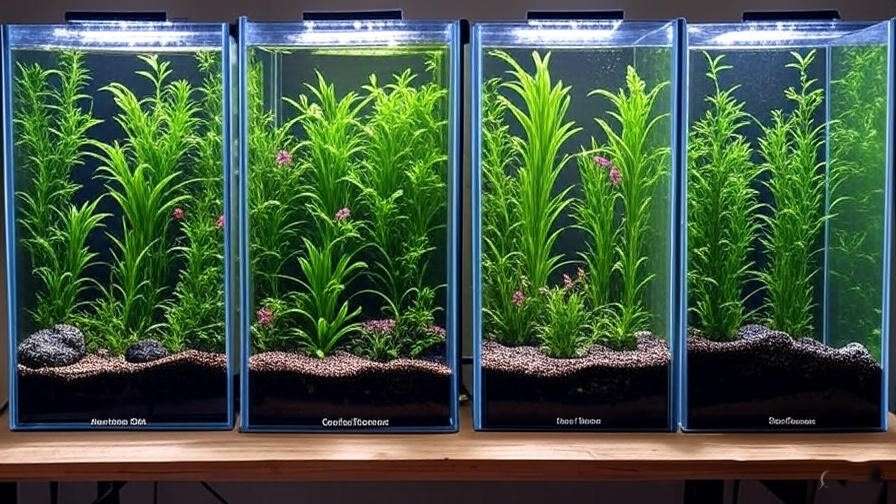
Credit: agricarehub.com
Troubleshooting Common Issues
Setting up a fish tank with nutrient substrate can be rewarding. It helps plants grow well and keeps fish healthy.
Sometimes, problems arise like algae growth, nutrient shortages, or fish health issues. Knowing how to fix these helps keep your tank balanced.
Algae Control
Algae can quickly cover plants and decorations. It grows fast if the tank has too much light or extra nutrients.
Reduce algae by limiting light to 6-8 hours daily. Avoid overfeeding fish, as leftover food feeds algae.
- Use algae-eating fish or snails
- Perform regular water changes
- Keep tank clean and remove algae manually
Nutrient Deficiencies
Plants need nutrients from the substrate and water. Signs of deficiency include yellow leaves or slow growth.
Check if your substrate has enough nutrients. Add liquid fertilizers if plants look weak or discolored.
- Iron deficiency causes yellow leaves
- Potassium lack creates holes in leaves
- Low nitrogen slows plant growth
Fish Health Problems
Fish can get sick from poor water quality or wrong tank conditions. Watch for unusual behavior or spots on fish.
Test water regularly for ammonia, nitrite, and nitrate levels. Keep water clean and stable to avoid stress on fish.
- Do partial water changes weekly
- Avoid overcrowding the tank
- Feed fish balanced food in small amounts
Frequently Asked Questions
What Is A Nutrient Substrate In Fish Tanks?
A nutrient substrate is a special base layer containing essential minerals. It supports healthy plant growth and root development in aquariums. This substrate improves water quality and provides nutrients naturally. It enhances the overall ecosystem, creating a vibrant, balanced fish tank environment.
How To Set Up A Fish Tank With Nutrient Substrate?
First, clean the tank and place the nutrient substrate evenly at the bottom. Add a layer of fine gravel on top to prevent mixing. Fill the tank slowly with water and plant aquatic plants carefully. This setup promotes strong plant growth and stable water conditions.
Why Use Nutrient Substrate Over Regular Gravel?
Nutrient substrate provides essential minerals directly to plant roots. It supports better plant health and growth compared to plain gravel. This substrate helps maintain water quality and reduces the need for extra fertilizers. It creates a natural, thriving aquarium ecosystem for fish and plants.
Can Nutrient Substrate Affect Fish Health?
Nutrient substrates are generally safe for fish when properly used. They improve water quality by supporting plants that absorb toxins. Always rinse substrates before use to avoid cloudiness. Proper substrate choice enhances fish habitat and promotes a healthy aquarium environment.
Conclusion
Setting up a fish tank with nutrient substrate helps plants grow strong and healthy. It creates a natural environment for fish and plants to thrive. This simple step improves water quality and supports aquatic life. Choose the right substrate and arrange it carefully for best results.
Watch your tank become a lively, green space full of life. Enjoy the beauty and calm that a well-planted aquarium brings every day.