
Setting up a fish tank can be exciting, but it also comes with challenges—especially when it comes to keeping the water clean and clear. If you want your fish to thrive and your tank to look its best, using a mechanical filter is a smart move.
This simple device traps dirt, uneaten food, and debris before they cloud your water or harm your fish. In this guide, you’ll discover how to choose, install, and maintain a mechanical filter so your tank stays fresh and healthy. Ready to create a sparkling underwater world your fish will love?
Keep reading to learn everything you need to know.
Choosing The Right Fish Tank
Setting up a fish tank with a mechanical filter needs a good tank choice. The right tank size and material help fish stay healthy. Placement also affects tank care and fish comfort.
This guide covers how to pick the best tank size, material, and spot in your home. Each part matters for a happy and clean aquarium.
Selecting Tank Size
Choose a tank size based on the number and type of fish you want. Bigger tanks are easier to keep stable and clean. Small tanks need more care and can stress fish.
- Small tanks: under 10 gallons, good for a few small fish
- Medium tanks: 10 to 30 gallons, fit more fish or larger species
- Large tanks: over 30 gallons, best for community fish and better water quality
Material Options
Fish tanks come in glass or acrylic. Each has benefits and limits. Glass is scratch-resistant and clear. Acrylic is lighter and less likely to break.
| Material | Pros | Cons |
| Glass | Clear view, scratch resistant | Heavy, can break |
| Acrylic | Lightweight, strong impact resistance | Scratches easily, can yellow |
Placement Tips
Place the tank where it gets stable temperature and no direct sunlight. Avoid spots near heaters or air conditioners. Keep the tank away from high traffic areas to reduce stress.
- Choose a flat, sturdy surface that can hold the tank weight
- Keep the tank away from windows to avoid algae growth
- Place near power outlets for the mechanical filter and lights
- Ensure easy access for feeding and cleaning
Types Of Mechanical Filters
Mechanical filters clean fish tanks by removing dirt and debris. They help keep water clear and healthy for fish.
There are different types of mechanical filters. Each type works in its own way to trap particles.
Sponge Filters
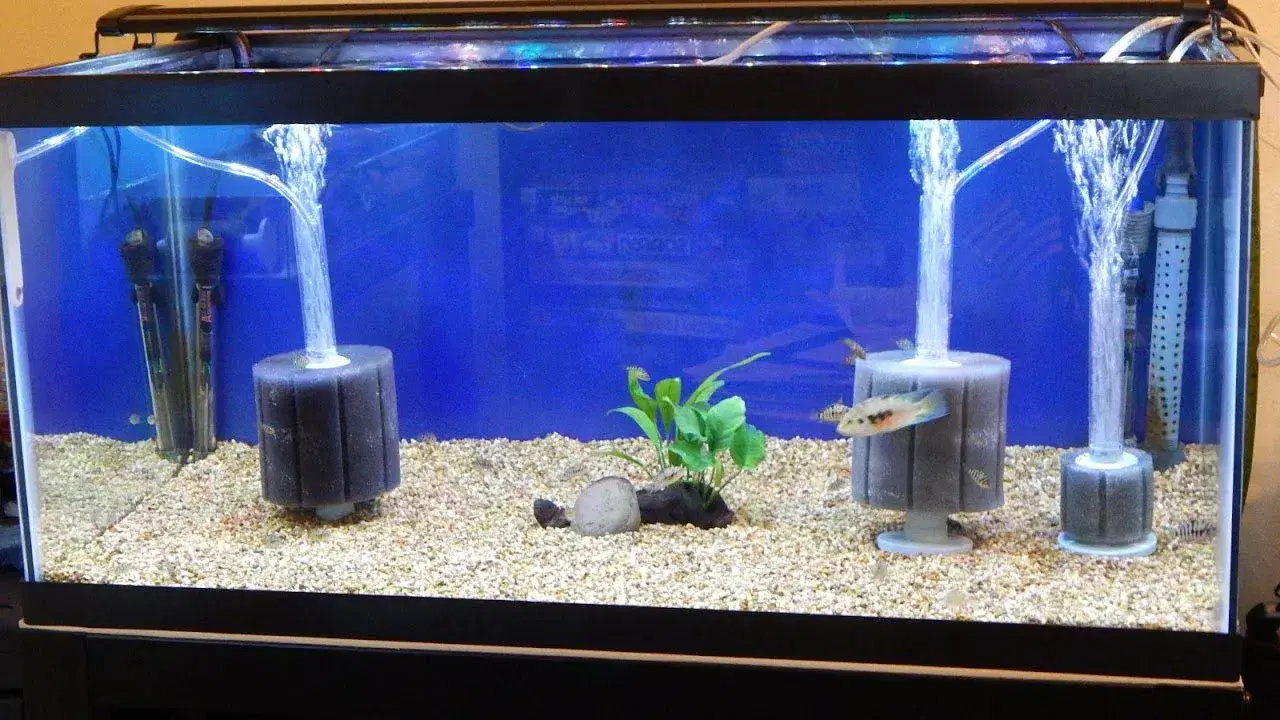
Sponge filters use a soft foam sponge to filter water. Water passes through the sponge, trapping waste and dirt.
They are gentle and good for small tanks or tanks with baby fish. Sponge filters also help grow beneficial bacteria.
- Easy to clean by rinsing the sponge
- Low water flow, safe for small fish
- Works with air pumps to move water
Canister Filters
Canister filters sit outside the tank and pump water through filter media inside a canister. They offer strong cleaning power.
These filters can hold many types of filter materials. They are good for large tanks and heavy fish loads.
- High flow rate for fast filtration
- Customizable with different filter media
- Needs regular maintenance to clean media
Hang-on-back Filters
Hang-on-back filters hang on the tank’s edge. They pull water up and push it through a filter cartridge.
These filters are easy to install and maintain. They are popular for small to medium-sized tanks.
- Simple to replace filter cartridges
- Good water flow with quiet operation
- Compact and space-saving design
Setting Up Your Mechanical Filter
A mechanical filter cleans your fish tank by removing debris and dirt. It helps keep the water clear and healthy for your fish.
Setting up the filter properly ensures it works well. Follow these steps to install and start your mechanical filter.
Installation Steps
First, take all parts out of the box and check them. Make sure you have the filter body, filter pads, and tubes.
Place the filter pads inside the filter body. These pads catch dirt and particles from the water.
- Attach the intake tube to the filter inlet
- Connect the output tube to the filter outlet
- Secure all parts tightly to avoid leaks
Positioning For Efficiency
Place the mechanical filter where water flows well. This helps the filter clean the water faster.
Keep the filter close to the tank but not in direct sunlight. This stops algae from growing inside the filter.
- Set the intake near dirty water areas
- Keep the output where clean water returns
- Ensure easy access for cleaning and maintenance
Priming The Filter
Priming means filling the filter with water before turning it on. This stops air from blocking the water flow.
Use a cup or hose to pour water into the filter until it is full. Check for leaks or air bubbles.
- Fill the filter housing completely with water
- Close the filter and start the pump
- Watch for steady water flow without noise
Credit: aquadecorbackgrounds.com
Maintenance For Clear Water
Keeping your fish tank water clear is important for fish health. A mechanical filter helps remove debris and dirt.
Regular maintenance of the filter keeps the water clean and safe for your fish.
Cleaning Filter Media
Filter media traps dirt and waste from the water. Cleaning it often prevents clogging and helps the filter work well.
Rinse the filter media in tank water to keep beneficial bacteria alive. Avoid using tap water as it may kill good bacteria.
- Remove the filter media carefully.
- Rinse in a bucket with tank water.
- Do not use soap or chemicals.
- Put media back after cleaning.
Replacing Filter Components
Some filter parts wear out and need replacement. This keeps the filter running smoothly and water clear.
Check the manufacturer’s guide to know when and what to replace. Common parts include filter pads and cartridges.
- Inspect filter pads for damage or heavy dirt.
- Replace pads if they are torn or too dirty.
- Change cartridges as recommended by the maker.
- Use parts made for your filter model.
Monitoring Water Flow
Good water flow is key for filter performance. Watch for slow or blocked flow in the tank.
Check the filter intake and output regularly. Clean any blockages to keep water moving well.
- Look for debris near the filter intake.
- Clear any blockages quickly.
- Listen for unusual noises from the filter.
- Adjust flow settings if your filter has them.
Enhancing Filtration Performance
Setting up a fish tank with a mechanical filter helps keep the water clean. Mechanical filters catch dirt and debris from the water.
To improve how well your filter works, you can use different techniques. These help keep the water clearer and safer for your fish.
Combining Filters
Using more than one type of filter can improve water quality. Mechanical filters catch particles, while biological or chemical filters remove other impurities.
Combining filters allows your tank to stay cleaner for longer. Each filter type has a special job that helps fish stay healthy.
- Mechanical filters remove solid waste and debris.
- Biological filters break down harmful chemicals.
- Chemical filters absorb toxins and odors.
Using Filter Additives
Filter additives are materials that improve filter function. They can help remove harmful substances faster and keep the water clear.
Additives like activated carbon or zeolite remove toxins and odors. Some additives also support good bacteria growth in the filter.
- Activated carbon removes chemicals and smells.
- Zeolite absorbs ammonia and other harmful compounds.
- Bio-media supports helpful bacteria growth.
Optimizing Water Circulation
Good water flow helps your filter work better. It moves dirty water to the filter and clean water back to the tank.
Place the filter and pump to create smooth circulation. Avoid dead spots where water stays still and dirt collects.
- Position the filter intake near the bottom for debris.
- Place the outlet to spread clean water evenly.
- Use water pumps or powerheads to improve flow.
Troubleshooting Common Issues
Setting up a fish tank with a mechanical filter is rewarding but can come with challenges. Here, we address common issues you might face.
These solutions will help maintain a healthy environment for your aquatic life.
Dealing With Cloudy Water
Cloudy water can be frustrating and may indicate an imbalance in your tank. It’s essential to identify the cause quickly.
- Ensure the filter is functioning correctly and not clogged.
- Check the water parameters like pH and ammonia levels.
- Perform partial water changes to improve clarity.
Handling Filter Noise
Filter noise can disturb both you and your fish. A quiet filter creates a peaceful environment.
| Possible Cause | Solution |
| Loose parts | Tighten all screws and fittings. |
| Vibration | Place a mat under the filter to dampen noise. |
| Water flow | Adjust the flow rate to reduce noise. |
Preventing Filter Clogs
Clogged filters can cause poor water quality. Regular maintenance prevents this issue.
Check the filter media weekly. Rinse it in tank water to remove debris.
Never use tap water to clean the filter media, as it can kill beneficial bacteria.
Tips For Healthy Aquarium Environment
Setting up a fish tank with a mechanical filter can help maintain a clean environment. Keeping your aquarium healthy involves several key practices. Each aspect plays a crucial role in ensuring the well-being of your aquatic life.
Regular Water Changes
Changing the water in your fish tank regularly is vital. It removes waste and prevents the build-up of harmful toxins. A consistent schedule helps maintain water quality.
- Replace 10-15% of the water weekly.
- Use a gravel vacuum to clean the substrate.
- Always treat tap water to remove chlorine.
Balancing Fish Load
Having the right number of fish in your tank is important. Overcrowding leads to stress and poor water quality. Consider the size and needs of each species.
| Fish Type | Recommended Space |
| Betta | 5 gallons |
| Guppy | 2 gallons per fish |
| Goldfish | 20 gallons per fish |
Maintaining Proper Temperature
The right temperature is crucial for fish health. Different fish have different temperature needs. Monitor the water temperature with a reliable thermometer.

Credit: glassboxdiaries.com

Credit: www.wiltec.de
Frequently Asked Questions
What Is A Mechanical Filter In A Fish Tank?
A mechanical filter physically removes debris and waste from aquarium water. It traps particles like uneaten food and fish waste, keeping water clear. This improves water quality and promotes a healthy environment for fish and plants.
How Do I Set Up A Fish Tank With A Mechanical Filter?
First, install the mechanical filter according to its instructions. Place filter media inside to trap debris. Connect the filter to a power source. Ensure proper water flow through the filter to maintain cleanliness and oxygenation.
How Often Should I Clean A Mechanical Filter?
Clean your mechanical filter every 2 to 4 weeks. Rinse the filter media in tank water to preserve beneficial bacteria. Avoid using tap water, which can kill helpful microbes essential for a balanced aquarium.
Can Mechanical Filters Alone Maintain Fish Tank Water Quality?
Mechanical filters remove debris but don’t eliminate harmful chemicals. Combine mechanical filtration with biological and chemical filtration for optimal water quality. This ensures a balanced and healthy aquatic environment for your fish.
Conclusion
Setting up a fish tank with a mechanical filter keeps water clean and clear. It removes debris and helps fish stay healthy. Regular filter cleaning ensures it works well over time. Choose the right filter size for your tank and fish.
A good setup creates a safe and happy home for your fish. Enjoy watching your tank stay fresh and beautiful every day. Simple steps bring great results. Keep your fish tank easy to maintain and fun to watch.