
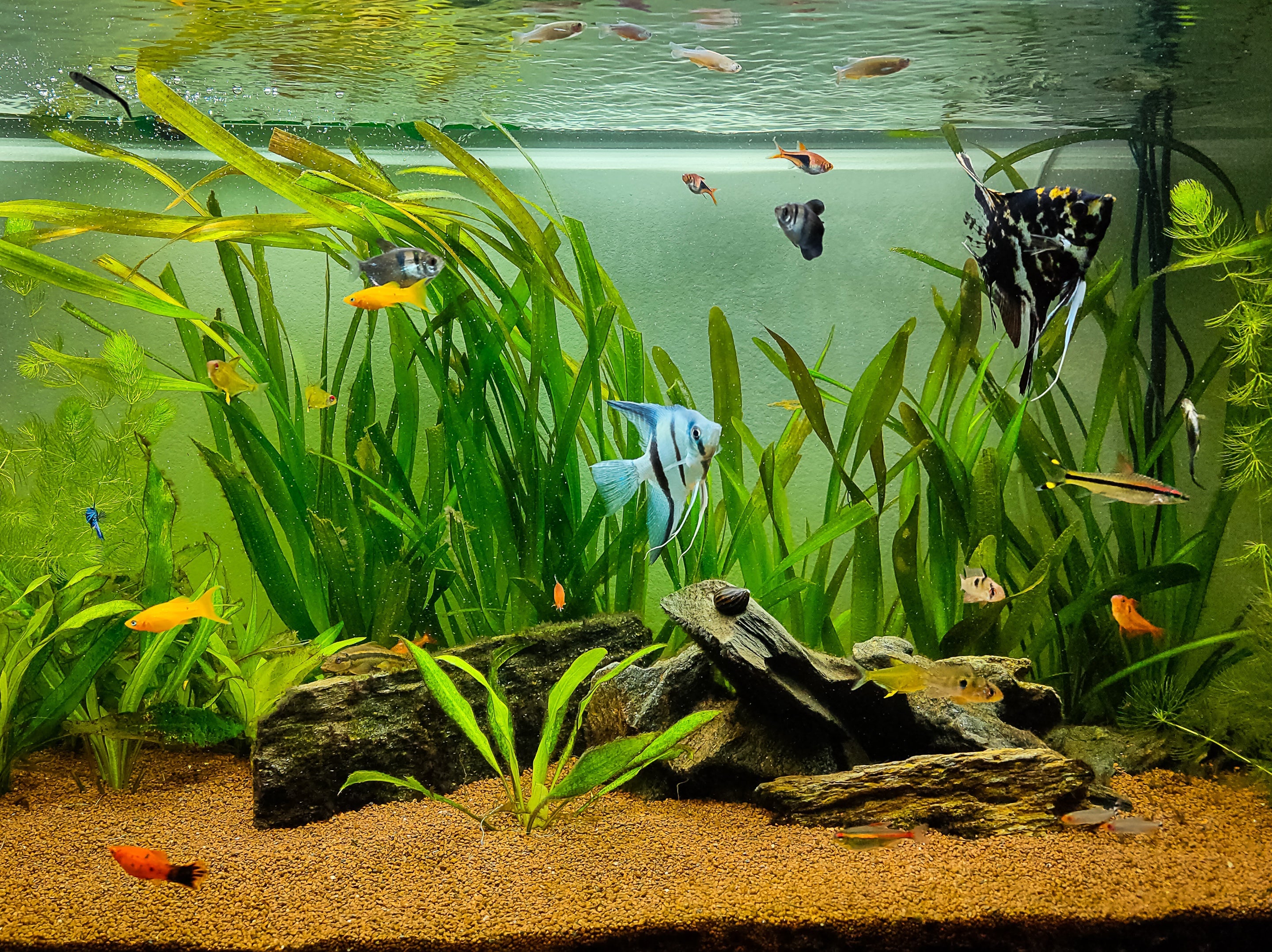
Setting up a fish tank with live plants can transform your aquarium into a vibrant, natural oasis. You might think it’s complicated, but it’s easier than you imagine—and the benefits are huge.
Live plants don’t just look beautiful; they help keep your water clean and provide a healthy environment for your fish. In this guide, you’ll discover simple steps to create a stunning, thriving tank that both you and your fish will love.
Ready to turn your aquarium into a lively underwater garden? Let’s dive in!
Credit: splashyfishstore.com
Choosing The Right Aquarium
Setting up a fish tank with live plants starts with picking the right aquarium. The tank you choose affects the health of your fish and plants.
Consider size, shape, material, and where you place the tank. These factors help create a stable and beautiful environment.
Tank Size And Shape
Choose a tank size based on the fish and plants you want. Bigger tanks are easier to keep stable. Shape affects space and decoration options.
- Small tanks are good for tiny spaces but need more care.
- Long tanks offer more swimming space for fish.
- Tall tanks work well for plants needing more height.
- Rectangular tanks fit nicely on most furniture.
Material Options
Aquariums come in glass or acrylic. Each has pros and cons for your setup.
| Material | Pros | Cons |
| Glass | Scratch-resistant, clear view | Heavy, can break |
| Acrylic | Lightweight, strong, better insulation | Scratches easily, can yellow over time |
Placement Tips
Where you put the tank affects light, temperature, and ease of care. Pick a spot that supports plant growth and fish health.
- Keep away from direct sunlight to avoid algae growth.
- Place on a sturdy, level surface to support the tank’s weight.
- Choose a location near power outlets for equipment.
- Ensure easy access for feeding and cleaning.

Credit: buceplant.com
Selecting Live Plants
Adding live plants to your fish tank makes it look natural. They also help keep the water clean and oxygenated. Choosing the right plants is key for a healthy tank.
Consider your experience level and the needs of your fish. Some plants are easier to care for than others. Make sure to pick plants that match your tank setup.
Easy Vs. Advanced Plants
Some plants are good for beginners. Others need more care and experience. Easy plants are hardy and require less light and nutrients. Advanced plants may need special care and conditions.
- Easy plants: Java Fern, Anubias, Hornwort
- Advanced plants: Dwarf Baby Tears, Red Tiger Lotus
Light Requirements
Light is important for plant growth. Some plants need lots of light, while others do well in low light. Make sure your tank’s light matches the needs of your plants.
- Low light plants: Java Moss, Anubias
- High light plants: Amazon Sword, Dwarf Hairgrass
Plant Compatibility
Not all plants work well together. Some plants might grow too fast and outcompete others. Choose plants that can live together without problems.
Consider the size and growth rate of each plant. This will help maintain balance in your tank.
Substrate Choices
The substrate is the base layer in a fish tank. It supports live plants and affects water quality.
Choosing the right substrate helps plants grow well and keeps fish healthy.
Types Of Substrates
There are many substrates for planted tanks. Each type has different features and uses.
- Gravel: Small stones, good for root anchoring and water flow.
- Sand: Fine particles, easy for plants to root but can compact.
- Aquarium Soil: Special soil made for plants, rich in nutrients.
- Clay-Based Substrate: Holds nutrients and provides good root support.
Nutrient-rich Options
Plants need nutrients from the substrate to grow strong roots. Plain gravel or sand lacks nutrients.
Using nutrient-rich substrates helps plants stay green and healthy without extra fertilizers.
- Aquarium soil contains natural minerals for plants.
- Clay substrates release iron and other minerals slowly.
- Some substrates have added fertilizers for long-term feeding.
Layering Techniques
Layering substrates improves plant growth and tank health. It uses different materials in layers.
Place nutrient-rich substrate below and inert materials like gravel on top for support and appearance.
- Bottom layer: Nutrient-rich soil or clay.
- Middle layer: Fine sand to separate layers and prevent mixing.
- Top layer: Gravel or decorative stones for stability.
Lighting Setup
Proper lighting is essential for a healthy fish tank with live plants. It helps plants grow well and keeps the aquarium looking bright.
Choosing the right type of light and setting the correct duration and intensity can improve plant health and fish comfort.
Choosing The Right Light
Different plants need different types of light. Most live plants do best under full-spectrum lights that mimic natural sunlight. Look for lights that provide a balance of blue and red wavelengths.
- Use full-spectrum LED or fluorescent lights
- Avoid lights with too much green or yellow
- Check the light’s color temperature; 5000K to 7000K works well
- Consider the size of your tank to choose the correct wattage
Light Duration And Intensity
Plants need a certain amount of light each day to photosynthesize. Too much light can cause algae growth, while too little will stunt plant growth.
| Light Duration | Recommended Hours |
| Low light plants | 6 to 8 hours |
| Medium light plants | 8 to 10 hours |
| High light plants | 10 to 12 hours |
Adjust light intensity based on plant type and tank conditions. Use dimmers or move lights closer or farther away to control brightness.
Led Vs. Fluorescent
LED lights use less energy and last longer than fluorescent lights. They also produce less heat and can be more customizable in color.
- LED lights are energy-efficient and durable
- Fluorescent lights are cheaper but need frequent replacement
- LEDs offer better control over light spectrum
- Fluorescent lights can cause more heat in the tank
Filtration And Water Flow
Setting up a fish tank with live plants needs good filtration and water flow. These keep the water clean and the plants healthy.
Proper water movement helps oxygen reach all parts of the tank. It also stops dead spots where dirt can build up.
Filter Types
There are different filters for fish tanks. Each type works in a special way to clean water.
- Hang-on-back filters hang on the tank and use sponges and cartridges.
- Canister filters sit outside the tank and push water through many cleaning stages.
- Sponge filters use air bubbles to pull water through a sponge for gentle cleaning.
- Internal filters fit inside the tank and are good for small tanks or shrimp tanks.
Maintaining Water Quality
Good water quality is key for fish and plants. Test water often for ammonia, nitrites, and nitrates.
| Parameter | Safe Level |
| Ammonia | 0 ppm |
| Nitrites | 0 ppm |
| Nitrates | Below 20 ppm |
| pH | 6.5 – 7.5 |
Change 10-20% of water each week to keep levels safe. Clean filter parts but do not remove all bacteria.
Flow Rate Considerations
Water flow must be strong enough to move debris but gentle enough for plants and fish.
Use this guide for flow rates:
- Choose a filter with a flow rate 4 to 5 times the tank volume per hour.
- Adjust flow if plants look stressed or fish hide too much.
- Use flow deflectors to reduce strong currents near plants.
Planting And Aquascaping
Setting up a fish tank with live plants creates a natural environment. It helps fish feel at home and can improve water quality.
Planting and aquascaping need careful planning. It is important to choose the right plants and arrange them well.
Arranging Plants
Arrange plants by their size and growth rate. This keeps your tank looking neat and balanced.
Place taller plants at the back. Shorter plants should go in the front. This lets you see all the plants clearly.
- Use fast-growing plants to fill spaces quickly
- Mix different leaf shapes for variety
- Trim plants regularly to maintain shape
Creating Depth And Contrast
Depth and contrast make your fish tank look lively. Use plants of different colors and textures to achieve this.
Dark plants create depth. Light-colored plants can highlight certain areas. This makes the tank more interesting to look at.
- Dark green plants add depth
- Red plants offer contrast
- Use moss for a soft texture
Using Hardscape Elements
Hardscape elements like rocks and wood add structure. They provide hiding spots for fish and can anchor plants.
Place rocks in groups for a natural look. Use wood to create focal points. These elements should not overpower the plants.
- Choose rocks that match your tank’s theme
- Use driftwood for a rustic look
- Ensure all materials are aquarium-safe
Water Parameters
Setting up a fish tank with live plants needs good water conditions. Healthy water helps plants and fish grow well.
Understanding water parameters is key to a balanced aquarium. It keeps the environment safe and stable.
Ph And Hardness
pH shows how acidic or basic the water is. Most plants and fish like a pH between 6.5 and 7.5.
Hardness means how many minerals like calcium and magnesium are in the water. Soft water has less minerals, hard water has more.
- Ideal pH: 6.5 to 7.5
- Soft water: 0-6 dGH (degrees of General Hardness)
- Medium hardness: 7-12 dGH
- Hard water: 13-20 dGH
Temperature Control
Temperature affects plant growth and fish health. Keep the water between 72°F and 78°F (22°C to 26°C).
Use a heater and thermometer to keep temperature steady. Avoid sudden changes to prevent stress.
- Maintain 72°F to 78°F
- Check temperature daily
- Use a reliable heater
- Keep tank away from drafts and direct sunlight
Nutrient Levels
Live plants need nutrients like nitrogen, phosphorus, and potassium. These help plants grow green and strong.
Test water regularly to check nutrient levels. Add fertilizers if needed, but do not overdose.
- Nitrogen supports leaf growth
- Phosphorus helps root development
- Potassium improves overall health
- Trace elements like iron help with color

Credit: www.reddit.com
Fertilizing Live Plants
Live plants need nutrients to grow well in a fish tank. Fertilizing helps keep plants healthy and green.
Using the right fertilizers supports plant growth and helps create a balanced aquarium.
Liquid Vs. Root Fertilizers
Liquid fertilizers mix with water and feed plants through their leaves. They work fast and are easy to use.
Root fertilizers come as tablets or sticks placed in the soil. They feed plants through the roots and last longer.
- Liquid fertilizers: quick nutrient delivery
- Root fertilizers: slow release, long-lasting
- Use both for best plant health
- Choose based on plant type and tank setup
Co2 Injection
CO2 helps plants make food by photosynthesis. Adding CO2 boosts plant growth in the tank.
Use a CO2 injection system to keep levels steady. Too much CO2 can harm fish, so monitor carefully.
- CO2 improves plant health and color
- Helps plants use fertilizers better
- Keep CO2 levels safe for fish
- Use a diffuser for even CO2 spread
Avoiding Algae Growth
Algae grows fast when plants get too many nutrients or light. Balance is key to avoid algae problems.
Do not over-fertilize and control light hours. Regular water changes help keep algae under control.
- Use fertilizers in the right amount
- Limit light to 8-10 hours per day
- Perform weekly water changes
- Add algae-eating fish or snails
Maintenance Routine
Keeping a fish tank with live plants healthy needs regular care. A good maintenance routine helps fish and plants stay happy. It also keeps the water clean and clear.
This guide covers three main tasks: water changes, trimming plants, and cleaning techniques. Each step is simple but important for your aquarium’s success.
Water Changes
Changing water regularly removes waste and keeps the tank healthy. It also helps maintain the right balance of nutrients for plants and fish.
- Change 10-20% of the water every week.
- Use dechlorinated water at the same temperature as the tank.
- Remove uneaten food and debris before changing water.
- Use a siphon to clean the gravel and remove dirt.
Trimming Plants
Trimming live plants helps them grow better and stops dead parts from harming the tank. Regular trimming keeps plants neat and allows light to reach all areas.
- Cut back long or overgrown leaves with sharp scissors.
- Remove yellow or decayed parts to prevent rot.
- Thin out dense areas to improve water flow and light.
- Trim roots gently if they grow too long or crowd the tank.
Cleaning Techniques
Cleaning the tank keeps the environment safe for fish and plants. Use gentle tools to avoid damage and keep the tank clear of algae and dirt.
| Cleaning Task | How Often | Tools Needed |
| Glass walls cleaning | Weekly | Algae scraper or sponge |
| Filter cleaning | Monthly | Bucket, filter media |
| Gravel vacuuming | Weekly | Siphon vacuum |
| Plant leaves wiping | As needed | Soft cloth or fingers |
Choosing Compatible Fish
Setting up a fish tank with live plants needs careful fish selection. Fish and plants must live well together. Picking the right fish helps plants thrive and keeps the tank healthy.
Some fish help plants grow, while others can harm them. Knowing which fish suit planted tanks will make your aquarium a better place.
Fish That Benefit Plants
Certain fish species help keep the plants clean and healthy. They eat algae and debris that can hurt plants. These fish also stir the water, helping nutrients reach plant roots.
- Otocinclus Catfish: Small algae eaters that stay peaceful.
- Amano Shrimp: Great for cleaning algae without harming plants.
- Corydoras Catfish: Help clean the bottom without uprooting plants.
- Guppies: They nibble on algae and add color to the tank.
Avoiding Plant-eating Species
Some fish like to eat live plants. These fish can damage or uproot plants quickly. Avoid adding these if you want a healthy planted tank.
| Fish Species | Plant Impact |
| Goldfish | Often uproot and eat plants |
| Silver Dollar Fish | Eat leaves and stems |
| Common Pleco | May damage soft plants |
| Oscar Fish | Large and disturb plants |
Fish And Plant Balance
Balance between fish and plants is key. Too many fish cause waste, which harms plants. Too few fish may let algae grow too much.
Keep these points in mind for balance:
- Maintain a moderate fish count for your tank size.
- Choose fish that do not uproot or eat plants.
- Feed fish properly to reduce waste.
- Regularly prune plants to keep growth healthy.
- Use a good filter to keep water clean.
Frequently Asked Questions
What Are The Best Live Plants For Fish Tanks?
Popular live plants include Java fern, Anubias, and Amazon sword. They require low to moderate light and grow well underwater, improving water quality and providing shelter for fish.
How Do Live Plants Benefit A Fish Tank?
Live plants oxygenate water, absorb harmful toxins, and reduce algae growth. They create a natural habitat, boosting fish health and enhancing the tank’s aesthetic appeal.
How To Properly Plant Live Plants In A Fish Tank?
Use aquarium-safe substrate and gently bury plant roots without damaging them. Position plants to allow light access and avoid overcrowding for optimal growth.
Can Live Plants Affect Fish Behavior?
Yes, live plants offer hiding spots and reduce stress. They encourage natural behaviors like foraging and breeding, promoting a healthier, balanced aquarium environment.
Conclusion
Setting up a fish tank with live plants brings life and balance. Plants help clean water and provide shelter for fish. They also make your tank look natural and beautiful. Choose easy plants to start and watch them grow. Remember to keep lighting and water conditions right.
A healthy tank means happy fish and strong plants. Enjoy the calm and beauty your planted tank creates. Small efforts lead to big rewards in your aquarium. Keep learning and adjusting for the best results.